

Travel to Malaysia
Slow travel in Malaysia — two very different halves, from the peninsula's cities to the rainforests of Borneo.
Kuala Lumpur and Penang's food, Melaka's colonial streets, the Cameron Highlands' tea and Borneo's orangutans and reefs each ask for time. Malaysia is really two trips in one.
Understanding Malaysia as a travel destination
Malaysia comes in two distinct halves, separated by the South China Sea: Peninsular Malaysia on the mainland, and the states of Sabah and Sarawak on the island of Borneo.
The peninsula is where most travellers land, with Kuala Lumpur, the food-and-heritage cities of Penang and Melaka, the tea plantations of the Cameron Highlands, and beach islands like Langkawi.
Malaysian Borneo is a different world — rainforest, orangutans, Mount Kinabalu, world-class diving at Sipadan, and the indigenous cultures and longhouses of Sarawak.
The country is famously multicultural, blending Malay, Chinese and Indian communities, and its regional cooking is reason enough to travel slowly through it.
Reading these differences — peninsula or Borneo, which season, and how much time each side deserves — is what turns a quick city stop into a real Malaysian journey.
UNRUSH exists to make those choices clearer, helping travellers match the right regions, seasons and local agencies to the trip they actually want.
Ready to travel? Get free quotes from up to 5 Malaysia agencies
Request free quotesThe Destination
Malaysia divides into the mainland peninsula and the Borneo states of Sabah and Sarawak — two halves with very different draws.
Knowing how they differ is the first step to a trip that goes beyond the capital.
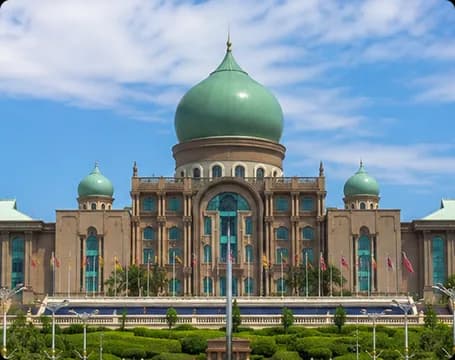
Geography & Regions
Malaysia spans two land masses: the peninsula shared with Thailand and Singapore, and northern Borneo, separated by the South China Sea.
The peninsula holds Kuala Lumpur, Penang, Melaka, the Cameron Highlands and Langkawi; Borneo holds Sabah's Mount Kinabalu and dive sites, and Sarawak's national parks and river cultures.
Flying between the two takes a couple of hours, so most trips have to choose where to spend their time.

Culture & Heritage
Malaysia's identity is built on a mix of Malay, Chinese and Indian communities, with Islam as the majority faith and a strong tradition of living side by side.
The colonial trading histories of Georgetown and Melaka, the temples, mosques and clan houses of the cities, and the indigenous cultures of Borneo each add a distinct layer.
Food ties it all together, and few countries reward eating your way slowly through the regions quite as well.
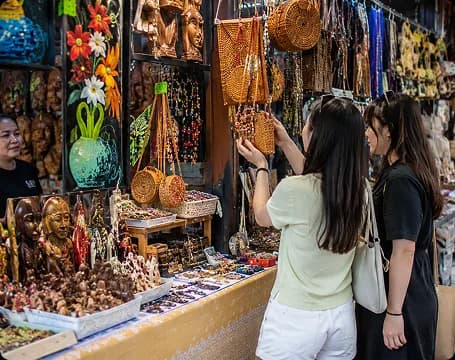
Travel Context
Malaysia is easy and comfortable to travel, with good roads, cheap flights and modern cities, but its two halves mean planning around distance.
Seasons are regional: the peninsula's east coast and Borneo are wettest around November to February, while the west coast is more even year-round.
Matching the route to the monsoon is what keeps a beach or diving trip from running into the rains.
Slow Traveling in Malaysia
Malaysia is often rushed as a quick stop on a wider Southeast Asia trip. Slowing down reveals a country that is really two, each worth its own time.
A Different Way to Approach Travel
Many travellers see only Kuala Lumpur and Penang before moving on to a neighbour.
It captures the cities and the food, but it misses the highlands, the rainforest and all of Borneo.
A more considered trip usually means:
Understanding Local Context
A Penang clan house, a Cameron Highlands tea estate and a Sarawak longhouse belong to very different worlds.
Travelling well here means reading those differences, including:
It also means deciding between the peninsula and Borneo rather than trying to rush both.
Letting the Trip Breathe
A good Malaysia journey is not measured by how many cities you tick off, but by how well its two halves come into focus.
Giving Borneo's wildlife or the peninsula's food-and-heritage trail real time changes the trip completely.
That usually means choosing fewer places and giving each of them real time.
In Malaysia, travelling slowly is not seeing less — it is understanding more.
A local agency that knows its region well can make this far easier, shaping the pace and route around how a place actually works.
One request. Up to five tailored proposals.
Skip contacting agencies one by one — share your trip once and let up to five trusted Malaysia agencies come to you. Free, with no obligation.
Explore Malaysia Through Slow Travel Guides
Travel guides provide a structured way to understand Malaysia beyond surface-level information. Each guide is designed to offer in-depth insights into specific aspects of the country, combining cultural context, regional understanding and practical considerations. Rather than isolated articles, these guides contribute to a broader and more coherent perspective of the destination.
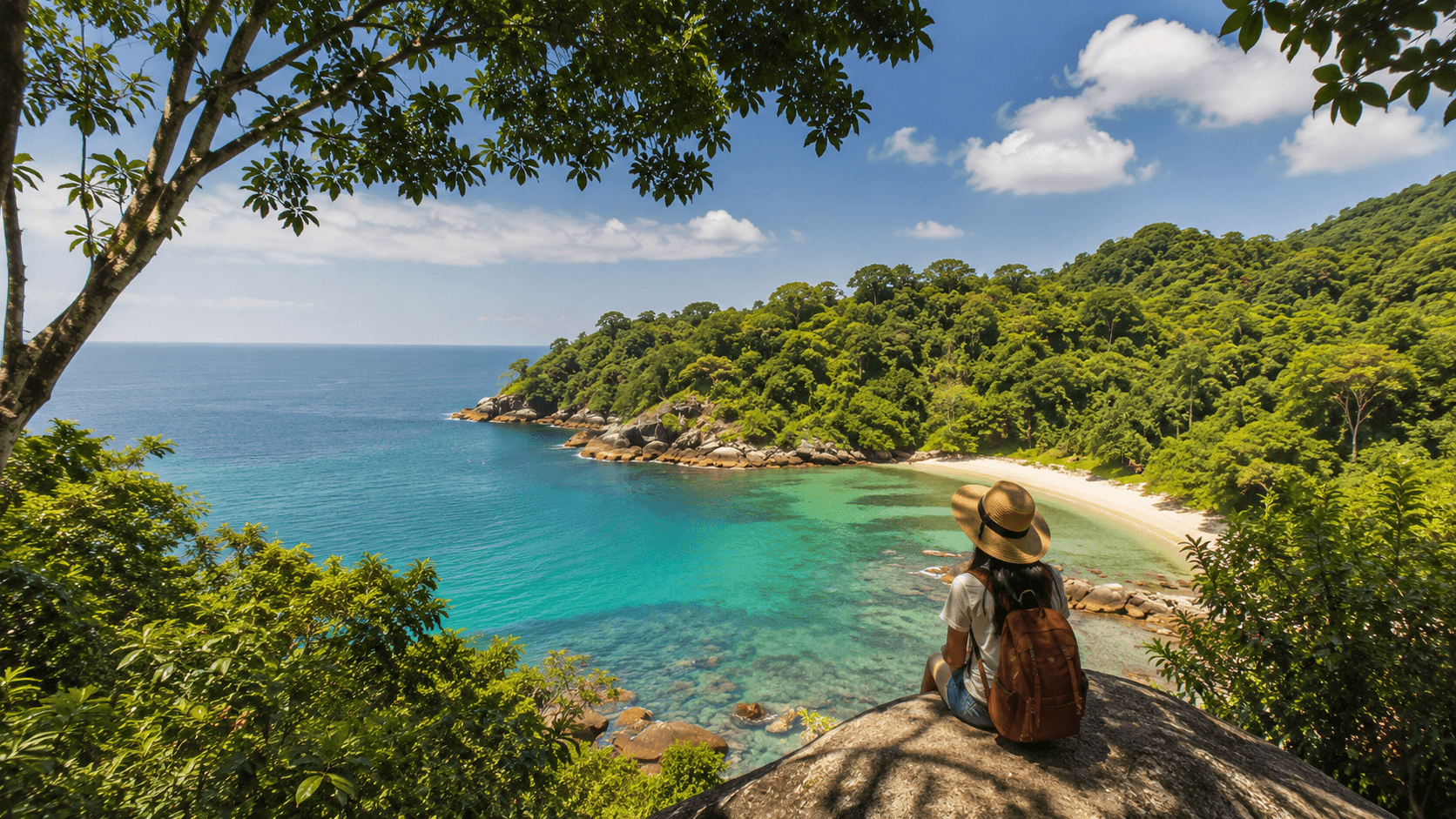
18/10/2026 · 15 minutes
Off the Beaten Path in Malaysia: Hidden Gems for Slow Travelers
Beyond KL and Langkawi lies the real Malaysia: Perak's rainforests, quiet islands, and Borneo's caves, rivers and longhouses. A slow traveller's guide.
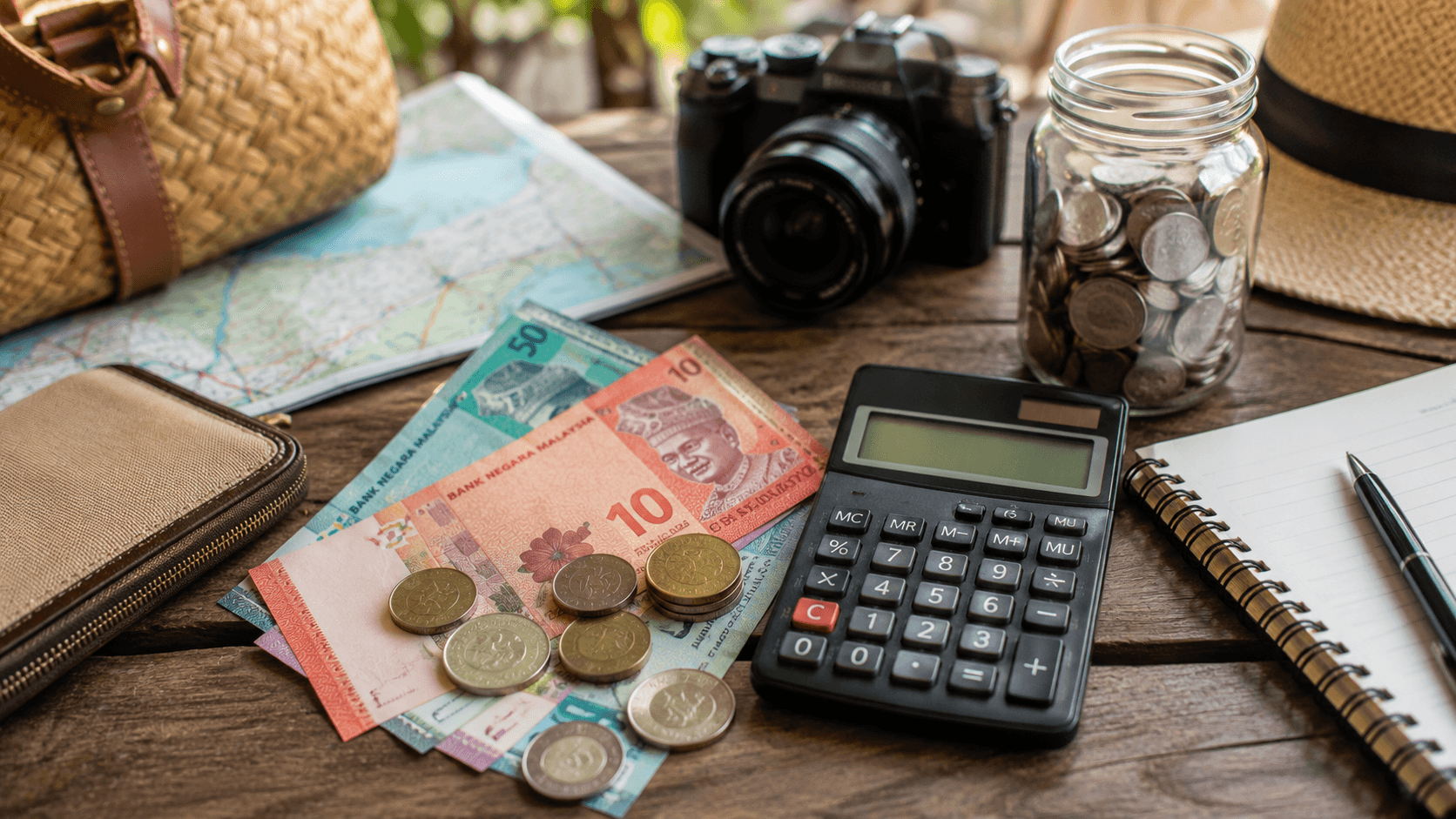
18/10/2026 · 15 minutes
How Much Does It Cost to Travel Malaysia in 2026?
An honest, numbers-first look at what a Malaysia trip really costs in 2026: daily budgets, hawker food, transport, and the Borneo premium.
28/07/2026 · 15 minutes
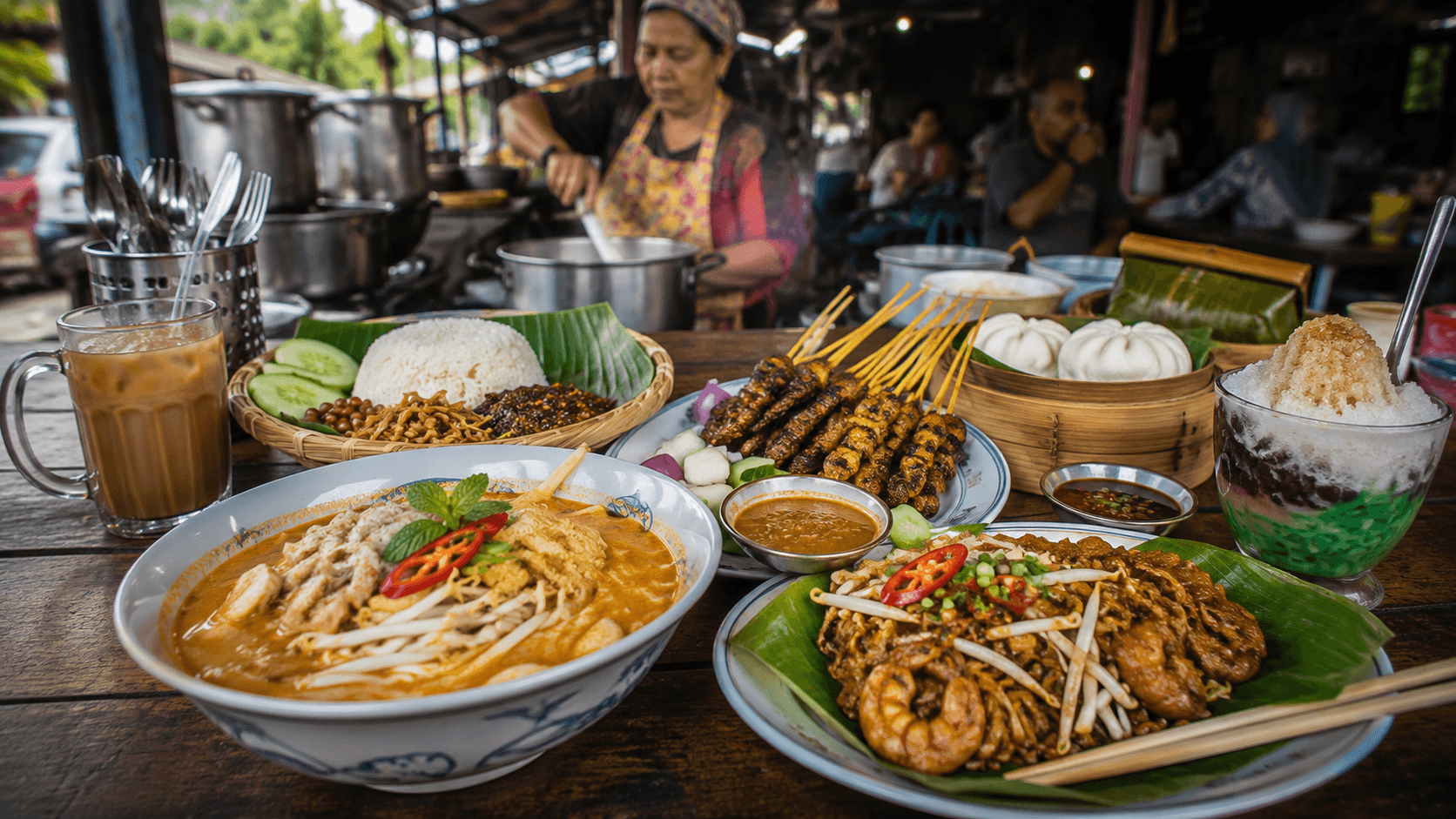
The Slow Traveler's Guide to Malaysian Food: What to Eat in Malaysia
A slow traveler's guide to Malaysian food: nasi lemak, the laksa family, mamak and kopitiam culture, Nyonya cuisine, Bornean dishes, and where to eat.
The guides are designed to support understanding, not to prescribe standardized travel paths.
View All Travel GuidesOn the Ground in Malaysia
On the Ground provides a more dynamic perspective on Malaysia, highlighting evolving destinations, regional focuses and local realities. These articles reflect what is happening across the country, offering a more immediate and contextual understanding of the travel environment. This section complements the travel guides by providing a more immediate and evolving perspective of the destination.
 Practical Updates
26/10/2026
Crossing Between Singapore and Malaysia in 2026: Causeway, Shuttle and RTS Link
The busiest land border in the world is about to change. What the RTS Link, QR clearance and the new ETS to Kuala Lumpur mean for travellers entering Malaysia.
 Practical Updates
18/10/2026
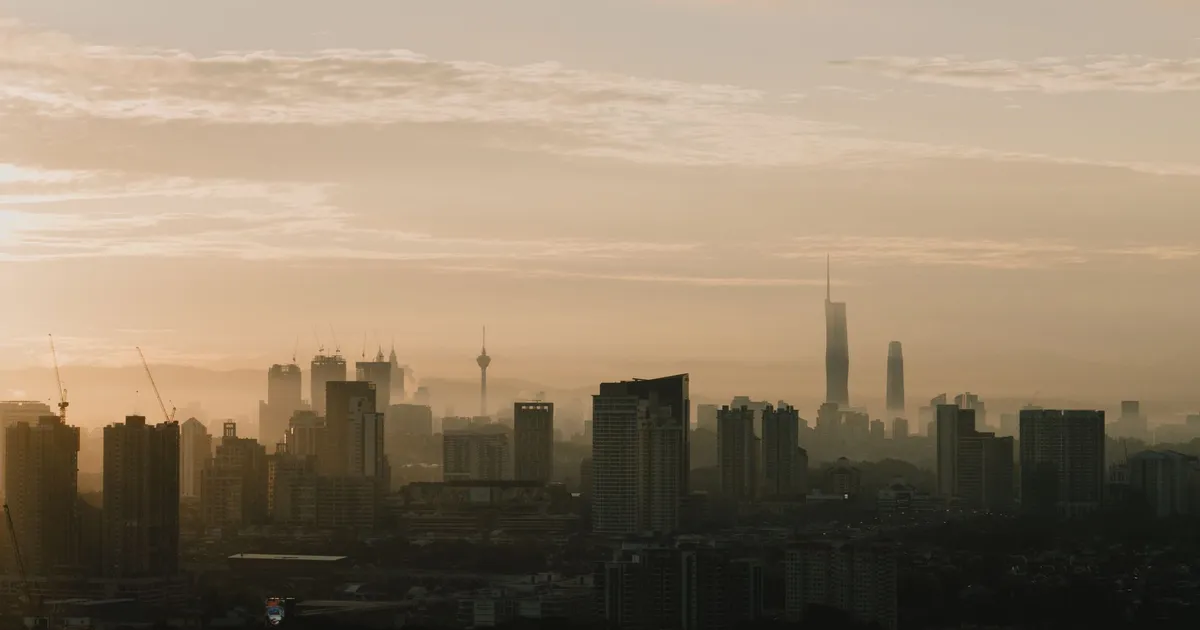
Malaysia's 2026 Haze: What Travellers Need to Know This Autumn
Smoke from Indonesian fires has clouded Malaysia since August 2026: where it is worst, how to read the API and how to adapt your trip without cancelling.
 Practical Updates
18/10/2026
Malaysia's Tourism Tax and Fees in 2026: What Travellers Actually Pay
A flat tourism tax, a service tax, a new Selangor fee and a departure levy: the small charges on a Malaysia trip in 2026, explained and budgeted for.

Slow Travel Agencies in Malaysia
The agencies working in Malaysia range from peninsula food-and-heritage specialists to Borneo wildlife operators and diving guides. Knowing what each does best is the key to a trip that fits — and UNRUSH organises them by focus and approach so the right match is easier to find.
Explore All Slow Travel Agencies in MalaysiaGet matched with up to 5 trusted Malaysia agencies
Describe your trip once. Receive tailored proposals from up to five vetted travel agencies — and choose the one that fits you best.
- Free
- No obligation
- Up to 5 agencies
Slow Traveling in Malaysia: A Closer Look
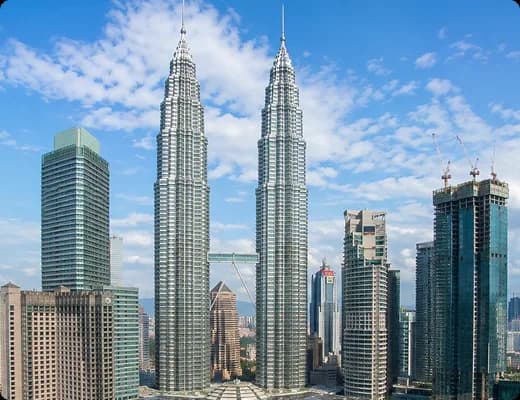
Malaysia is really two countries in one, split by the South China Sea. The peninsula, on the mainland, holds the capital Kuala Lumpur, the food-and-heritage cities of Penang and Melaka, the cool Cameron Highlands and beach islands like Langkawi. Across the sea, the Borneo states of Sabah and Sarawak offer rainforest, orangutans, Mount Kinabalu, the diving of Sipadan and the river cultures and longhouses of the interior.
That split changes how a trip should be planned. The peninsula is about cities, colonial heritage and some of Asia's best street food; Borneo is about wildlife, mountains, diving and indigenous cultures. Try to do both in a short trip and much of it is spent on flights and transfers — coverage at the expense of really knowing either half.
A slower plan works the other way around. Instead of splitting thinly, it commits to the peninsula or to Borneo and gives it real time, matched to the season. Timing is regional here: the peninsula's east coast and Borneo are wettest from around November to February, while the west coast stays more even, so the right months depend on the route.
The hardest part to plan from abroad is the local detail — when the diving and wildlife seasons align in Borneo, which food trails and islands reward extra days, how to reach and visit indigenous communities respectfully. Agencies based in Malaysia carry that knowledge from experience, but their quality and focus vary widely, and they are hard to tell apart from a website alone.
This is where UNRUSH helps. Rather than listing operators at random, it organises agencies by how they work and where they specialise, so travellers can find a partner suited to the trip they want — a peninsula food-and-heritage specialist, a Borneo wildlife operator, or a diving guide. The aim is not to simplify Malaysia, but to make its depth easier to navigate.