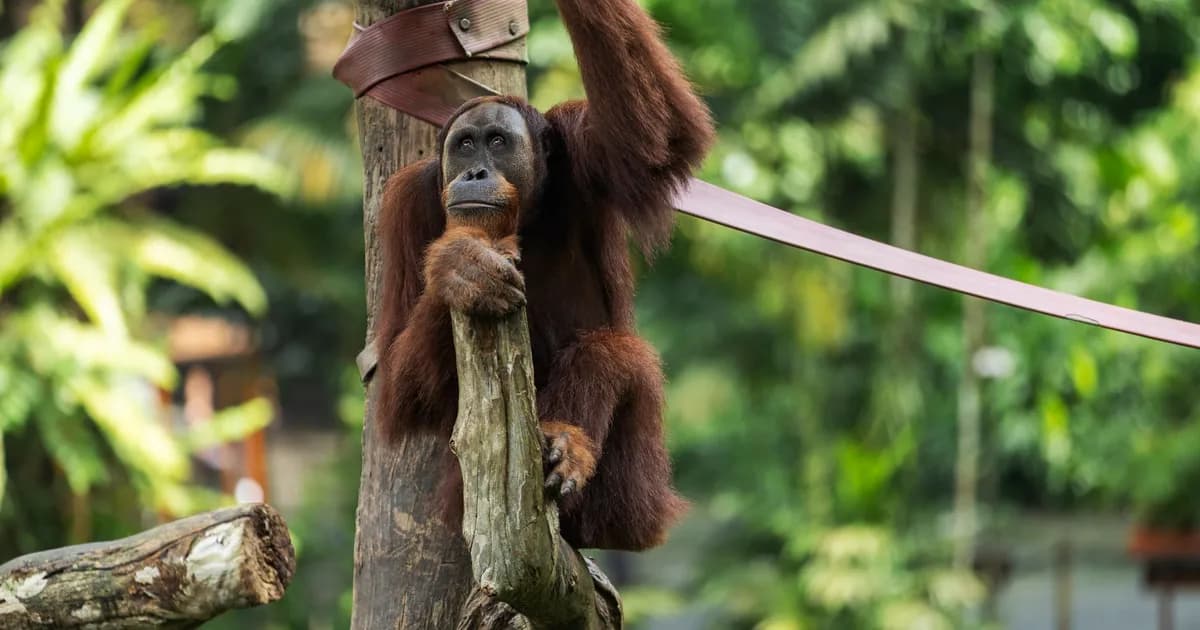
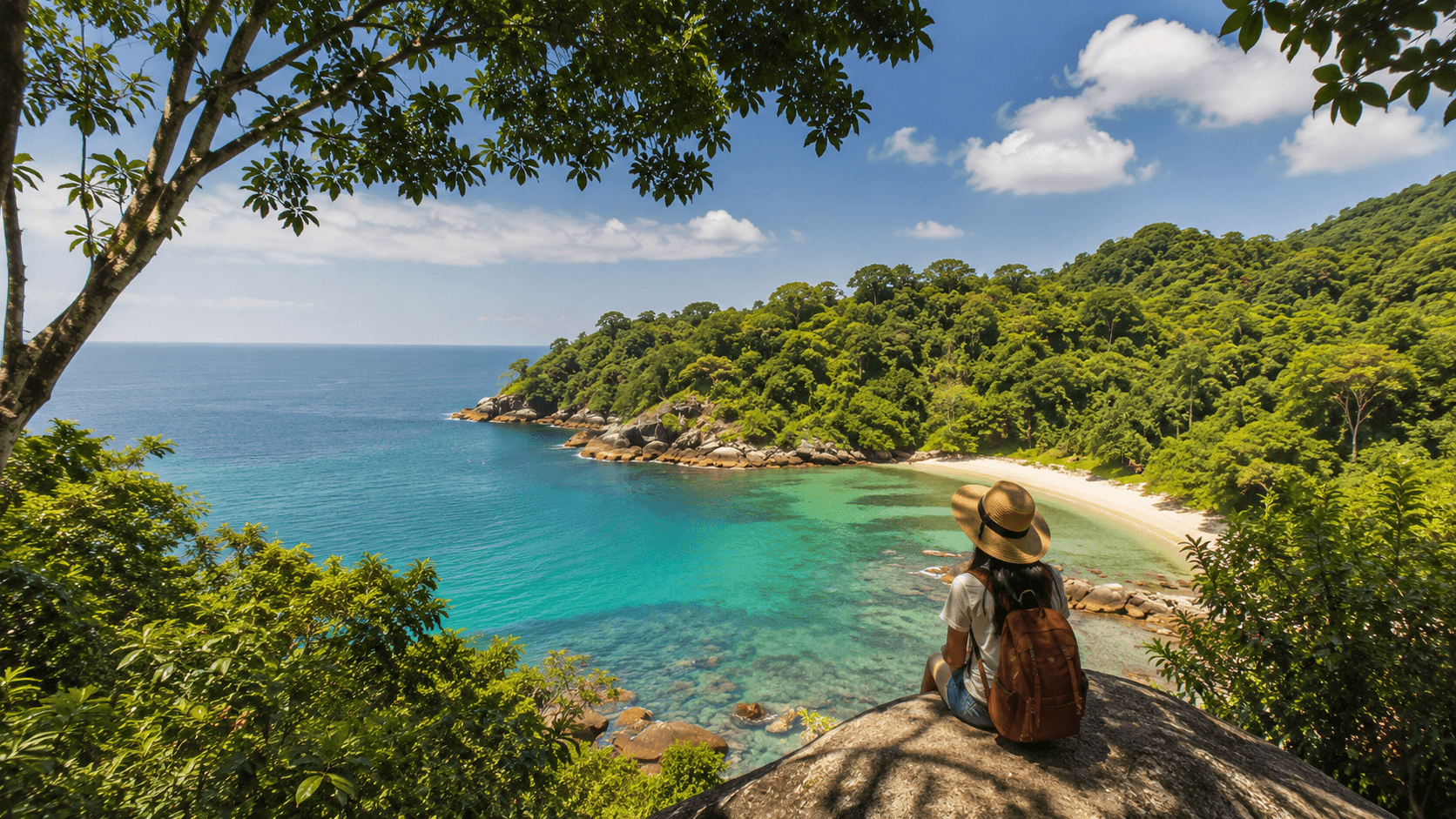

Most people who visit Malaysia see a narrow slice of it. They land in Kuala Lumpur, ride the funicular up Penang Hill, eat well in George Town, and fly to Langkawi for a few days by the pool. It is a lovely trip. It is also, for a country this large and this varied, barely the opening chapter. Malaysia is two landmasses separated by the South China Sea, and the half most travellers never reach — Borneo — holds some of the oldest rainforest on earth, longhouse communities with living traditions, and rivers where wild orangutans still move through the canopy at dawn.
This guide is for the traveller who wants the rest of the book. It moves slowly and deliberately through the quieter corners of the peninsula and the wild interior of Malaysian Borneo, with honest notes on how to reach each place and what you will actually find there. Some of these destinations take real effort to visit. That effort is precisely why they remain quiet, and quiet is the whole point.
Why go off the beaten path in Malaysia
The case for going further is simple. The famous places are famous for good reasons, but they are also crowded, and crowds change the texture of a place. In the lesser-visited corners you get the thing that first drew people to travel: the sense of arriving somewhere on its own terms, where daily life is not arranged around your visit.
Malaysia rewards this instinct more than most countries because its diversity is so uneven in exposure. The peninsula's west coast is well trodden; its interior and east coast are not. And then there is Borneo, which accounts for roughly 60 percent of the country's land area yet receives a small fraction of its visitors. Sarawak and Sabah are where Malaysia keeps its superlatives: the world's largest cave chamber, one of the highest concentrations of wildlife in Southeast Asia, forests that have stood for well over 100 million years. Going off the beaten path here is not a niche pursuit. It is arguably the main event, hiding in plain sight.
There is a practical dividend too. Because these areas see fewer travellers, the people you meet — guides, homestay hosts, boatmen, park rangers — tend to have more time and more genuine curiosity about you. The transaction softens into something closer to hospitality. If you are still deciding how to shape a trip, our companion guide on where to go in Malaysia and when is a good place to start weighing regions and seasons against each other.
A word on expectations. Off the beaten path in Malaysia does not usually mean roughing it. You will often find comfortable eco-lodges and warm homestays even in remote spots. What it does mean is slower logistics, smaller planes, occasional weather delays, and the need to book certain lodges and permits well ahead. Plan for that and the rest falls into place.
One request. Up to five tailored proposals.
Skip contacting agencies one by one — share your trip once and let up to five trusted Malaysia agencies come to you. Free, with no obligation.
Get my free quotesThe quieter peninsula
Before you cross to Borneo, the peninsula has whole regions that most itineraries skip. Chief among them is Perak, and its unhurried capital, Ipoh.
Ipoh sits in the Kinta Valley, a bowl of limestone hills that made the region rich in the tin-mining era and left it with grand shophouses, cave temples tucked into the cliffs, and a coffee culture all its own. The old town rewards slow walking: faded facades, independent cafes, and some of the best food on the peninsula. Ipoh is serious about its eating — bean sprout chicken, kai see hor fun, and the milky, caramel-edged white coffee that carries the city's name. If food is one of your reasons to travel, our guide to Malaysian food and what to eat will help you order with confidence here and everywhere else.
North of Ipoh lies Taiping, one of Malaysia's most likeable small cities and, statistically, its wettest. That rain keeps the famous Lake Gardens lush and the surrounding hills green. Taiping wears its history lightly — it held many of the country's firsts, from the first railway to the first museum — and moves at a pace that makes you exhale. Nearby, the fishing village of Kuala Sepetang (once Port Weld) sits at the edge of a vast mangrove forest reserve, where you can take a boat through the channels, watch fireflies after dark, and eat seafood straight off the jetties.
The real prize in Perak, though, is the Belum-Temengor rainforest complex in the state's far north. Together with Taman Negara it forms one of the oldest rainforests on earth, well over 130 million years old, and it shelters an extraordinary roll-call of threatened mammals — Malayan tiger, Asian elephant, tapir, sun bear, and all ten of Malaysia's hornbill species. The core, Royal Belum State Park, is reached by boat across Temengor Lake from the jetty at Banding, and entry requires a permit arranged in advance, usually through a lodge or licensed operator. This is not a place you can simply drive into, and that gatekeeping is exactly what keeps it wild.
Cross to the east coast and the tempo drops further. Terengganu's shoreline is a string of quiet fishing towns and long, empty beaches, with Kenyir Lake — a vast man-made reservoir fringed by rainforest and waterfalls — inland. In Kelantan, the state capital Kota Bharu is the heartland of traditional Malay culture, a place for batik and songket weaving, kite-making, and some of the most distinctive food in the country. These are conservative, deeply local regions where the rhythm of the call to prayer and the fishing tides still sets the day. Travel here asks a little cultural sensitivity in return for a great deal of authenticity.
The quiet islands
Malaysia's celebrated islands are busy, but its quiet ones are only a short hop away. On the east coast, tiny Pulau Kapas off Terengganu is a barefoot island of clear water and a handful of low-key chalets, reached by a short boat ride from Marang — a place to snorkel, read, and do very little. Further south, Tioman is well known, but its far side and the string of villages away from the main jetty stay genuinely sleepy, with jungle-backed coves and some of the best diving in the country.
Beyond Tioman lies the Seribuat archipelago, a scatter of more than 60 islands in the South China Sea, most of them uninhabited and rarely visited. A few — such as Rawa and Sibu — have simple resorts; many have nothing at all but reef and forest. Getting there takes planning and a chartered or arranged boat, which is precisely why they stay empty.
On the west coast, Pangkor offers a different flavour: a lived-in island with fishing jetties, drying anchovies, hornbills in the trees, and quiet beaches, all far cheaper and calmer than Langkawi. None of these islands are secret in the strict sense, but they are overlooked, and overlooked is often as good as hidden. If you would rather reach the emptier islands on your own schedule rather than a ferry timetable, chartering a boat or a private journey can open doors — our charter and slow-travel options are built for exactly this kind of unhurried, self-directed exploration.
Get matched with up to 5 trusted Malaysia agencies
- Free
- No obligation
- Up to 5 agencies
Sarawak beyond Kuching
Kuching, Sarawak's riverside capital, is one of Malaysia's most charming cities and a fine base — but the state's soul lies upriver and in the highlands, reached by longboat and small plane.
Gunung Mulu National Park is the headline. This UNESCO World Heritage Site holds a cave system of almost unreal scale: Deer Cave, one of the largest cave passages in the world, from whose mouth millions of bats pour at dusk in a ribbon that unspools for minutes; the vast Sarawak Chamber, the largest known cave chamber on earth; and Clearwater Cave, among the longest cave systems in Asia. Above ground, the multi-day trek to the Pinnacles — a forest of razor-sharp limestone blades — is one of the toughest and most rewarding hikes in the region. Almost everyone arrives by a 30-minute Twin Otter flight from Miri; the overland alternative is long and rough. Plan at least three nights to do the caves and the bat exodus justice, and book guided activities ahead.
Deeper still, up in the highlands near the Indonesian border, sits Bario, home of the Kelabit people. There are no roads worth the name; you fly in on a small Twin Otter from Miri across a sea of rainforest, luggage and passengers weighed together, or endure a punishing 4WD ride of twelve hours or more. Bario is cool, quiet, and agricultural — famous for its fragrant hill rice and its salt — and there are no hotels, only family-run homestays. The reward is a rare thing: a working highland community with a strong culture, gentle walks between longhouses and paddy fields, and the clean silence of a place the modern world has only lightly touched. It is one of Malaysia's great slow-travel destinations, and it asks to be treated as such.
Closer to Kuching, the Batang Ai region is the accessible gateway to Iban longhouse culture and to a protected forest that connects, across the border, with some of Borneo's most important orangutan habitat. Visits to living longhouses here are best arranged through operators who have long-standing relationships with the communities, so that hospitality stays hospitality and not spectacle. Done well, an overnight in a longhouse — sharing a meal, hearing the history of the family, sleeping on the communal verandah — is among the most human experiences a traveller can have in Borneo. National parks near Kuching, such as Bako with its proboscis monkeys and Similajau along the coast, round out a Sarawak itinerary with wildlife that is easy to reach yet still feels wild.
Sabah's wild interior
If Sarawak is about caves and culture, Sabah is about wildlife and primary rainforest — some of the finest remaining on the planet.
The Kinabatangan River is the easiest place in Malaysia to see big wildlife in the wild. Along its lower reaches, where forest has been squeezed into a corridor beside the water, the density of animals is extraordinary: proboscis monkeys lounging in riverside trees at dusk, orangutans, macaques, all eight of Borneo's hornbill species, and the small, gentle Bornean pygmy elephant, which moves through in herds. You stay at a river lodge near Sukau or Bilit and go out by boat at dawn and dusk, when the animals come to the water. It is accessible, reliably rewarding, and a superb introduction to Borneo's fauna.
For primary rainforest at its most pristine, two names stand apart. Danum Valley is a conservation area of some 43,800 hectares of virgin lowland dipterocarp forest, reached by a flight to Lahad Datu and then a couple of hours by road. Access is controlled and lodging is limited — the Borneo Rainforest Lodge caps its guests at a small number each day — which is why the forest here is so intact and the wildlife so present. Even wilder is the Maliau Basin, the so-called "Lost World" of Sabah: a near-circular basin ringed by cliffs, barely explored, with restricted access, permits, and basic field-study lodging. These are not casual stops. They require planning, permits, and usually a licensed operator to arrange the logistics — and because getting the paperwork and guides right matters so much here, it is worth working with a trusted local specialist; you can find vetted options among our Malaysia travel agencies.
Sabah's east coast has more to offer than its one famous dive site. Beyond Sipadan, the outer islands around Semporna hold quieter reefs and Bajau sea-nomad communities whose way of life is unlike anything else in the country; approached thoughtfully, this is a moving encounter, though it calls for real sensitivity. In the far north, Kudat and the literal Tip of Borneo — a headland where the South China and Sulu seas meet — reward the drive with empty beaches and Rungus longhouse communities. And in the remote southwest, Long Pasia and the Tawau Hills offer misty highland forest and waterfalls that almost no foreign traveller ever sees.
Sample off-beat routes
Quieter peninsula
Food, mangroves and ancient rainforest reached by road and short boat rides — the gentlest off-beat introduction, needing no flights beyond arrival. Best for first-timers who want depth without heavy logistics.
Sarawak
Caves and culture: Mulu's record-breaking chambers and bat exodus, plus the Kelabit Highlands of Bario and Iban longhouses reached by longboat and small plane. Best for travellers drawn to landscapes and living traditions.
Sabah
Wildlife and primary rainforest: the Kinabatangan's riverside animals and the pristine forests of Danum Valley and the Maliau Basin. Best for those whose priority is seeing Borneo's fauna in the wild.
A few skeleton itineraries to show how these pieces fit together. Each assumes a slow pace and leaves room to linger.
A quieter peninsula loop, ten to twelve days: start in Ipoh for food and the Kinta Valley, move north to Taiping and Kuala Sepetang's mangroves, then up to Belum-Temengor for two or three nights in the rainforest, before crossing to the east coast for Pulau Kapas and the beaches of Terengganu. This is the gentlest introduction to off-beat Malaysia and needs no flights beyond your arrival.
A Sarawak highlands and caves route, about ten days: Kuching and Bako for a couple of days, then fly to Miri and on to Mulu for the caves and the bat exodus, then a second small flight up to Bario for three or four nights in the Kelabit Highlands. Finish with a longhouse stay near Batang Ai if time allows.
A Sabah wildlife route, ten to fourteen days: begin on the Kinabatangan for river safaris, then commit several days to Danum Valley for primary rainforest and orangutans, and — for the truly adventurous — add the Maliau Basin. Bookend it with the Semporna islands if you dive, or the Tip of Borneo if you would rather drive and wander.
For those with three weeks, a peninsula-plus-Borneo combination is the trip of a lifetime. Costs vary widely between the budget-friendly peninsula and the lodge-and-flight expenses of Borneo, so it helps to plan the numbers early; our Malaysia trip cost and budget guide for 2026 breaks down what to expect region by region.
Travelling responsibly
Off the beaten path carries a responsibility that the well-worn path can absorb but the quiet places cannot. These are small communities and fragile forests, and the way you travel matters here in a direct, visible way.
With indigenous communities — the Kelabit of Bario, the Iban of the longhouses, the Rungus of Kudat, the Bajau of the Semporna seas — the guiding principle is to arrive as a guest, not a spectator. Book longhouse and homestay visits through operators or hosts who have genuine, ongoing relationships with the community, so that your money reaches the people you are visiting and the exchange is one of hospitality rather than performance. Ask before photographing people. Follow your host's lead on custom and dress, especially in the conservative east-coast states. Buy crafts directly from the makers. These are not rules imposed from outside; they are simply how you would want a stranger to behave in your own home.
With wildlife and rainforest, the stakes are equally high. Borneo's forests are under real pressure, and the wild places that remain are precious precisely because they are shrinking. Choose lodges that are genuinely part of conservation efforts rather than trading on the word "eco". Keep a respectful distance from orangutans and other animals — never feed them, and be wary of any operation that promises guaranteed close contact or handling, which is a red flag. At the orangutan rehabilitation centres, understand that these are working conservation facilities, not zoos. Keep your group small on river and forest trips, keep noise down, and take your rubbish out with you. The reward for restraint is a genuinely wild encounter, which is the only kind worth having.
Logistics and local help
At a glance
- Getting to Borneo's interior
- Small Twin Otter flights from Miri — about 30 minutes to Mulu, an hour to Bario
- Permits
- Royal Belum, Danum Valley and the Maliau Basin have controlled access, usually arranged by your lodge or operator
- Booking ahead
- Remote lodges in Danum Valley, the Kinabatangan and Belum-Temengor fill weeks or months out
- Best timing
- Borneo and the west coast March to September; east-coast islands avoid the November to February monsoon
- Getting around
- English is widely spoken and the peninsula is easy to self-drive; the wild interior rewards a local operator
The practical spine of an off-beat Malaysian trip is a handful of small planes, a few boats, and some advance bookings. Domestic flights — especially the Twin Otter services into Mulu, Bario, and other rural strips — have limited seats, strict weight limits, and a genuine chance of weather delays, so build slack into your schedule and never book a tight onward connection off one of them. Remote lodges in Danum Valley, on the Kinabatangan, and in Belum-Temengor should be reserved weeks or months ahead, and several require permits that an operator arranges on your behalf.
English is widely spoken, transport within cities is easy, and the peninsula in particular can be self-driven with confidence. But for the wild interior — permits, park logistics, longhouse introductions, chartered boats — a good local operator is worth every ringgit, both for the doors they open and the mistakes they prevent. When you are ready to turn ideas into an itinerary, our plan your journey page is the place to bring the threads together, and a trusted agency can handle the permits and small-plane bookings that are fiddly to arrange from home.
The reward of going further
The quiet corners of Malaysia ask more of you than the famous ones. You will spend longer in transit, plan further ahead, and occasionally sit out a rain delay in a tiny airstrip terminal. But the exchange is heavily in your favour. You trade a crowded viewpoint for a longhouse verandah at dusk; a resort pool for a dawn river where proboscis monkeys crash through the branches; a queue for a cave mouth that a few dozen people will see all day. Slow travel is not about doing less for its own sake. It is about going deep enough that a place stops being a backdrop and becomes an experience you carry home. In Malaysia, the further you go, the more that is true — and the great, under-explored half of the country is waiting patiently for exactly the kind of traveller willing to make the trip.
Frequently Asked Questions
Is off-the-beaten-path Malaysia safe for independent travellers?
Yes, broadly. Malaysia is a stable, welcoming country with good infrastructure, widely spoken English, and low rates of serious crime. The peninsula's quieter regions can be explored independently and even self-driven with confidence. The main considerations off the beaten path are practical rather than security-related: remote areas have limited medical facilities, some parks require permits and guides, and small-plane and boat travel depend on weather. For the wild interior of Borneo, going with a licensed local operator is about logistics and safety in the forest, not danger from people.
How do I actually get to remote places like Bario and Mulu?
Both are reached by small Twin Otter aircraft, mostly from Miri in Sarawak. The flight to Mulu takes around 30 minutes and to Bario around an hour, over unbroken rainforest. Seats are limited and sell out, luggage and passengers are weighed together so you must pack light, and flights can be delayed or cancelled by weather. Overland alternatives exist but involve very long, rough 4WD journeys. Book flights and lodging well ahead, and never schedule a tight connection immediately after a rural flight.
When is the best time to visit off-beat Malaysia?
It depends on where you go. Malaysian Borneo and the peninsula's west coast are best from roughly March to September, when the caving and trekking in places like Mulu are at their best. The peninsula's east coast and its islands — Terengganu, Tioman, Kapas — are affected by the northeast monsoon from around November to February, when many boats and chalets close, so aim for the drier months there. Because the country straddles different weather patterns, a well-planned trip can find good conditions somewhere in almost any season.
Do I need permits to visit places like Royal Belum and Danum Valley?
Yes, several of the best wild areas are permit-controlled, which is part of why they remain pristine. Royal Belum State Park requires an entry permit arranged in advance, usually through your lodge or operator, and access is by boat across Temengor Lake. Danum Valley and the Maliau Basin are conservation areas with controlled access and limited lodging. In practice you rarely handle the paperwork yourself — a licensed operator arranges permits, guides, and transfers as part of your booking, which is one of the main reasons to use one for these destinations.
Is visiting a longhouse ethical, or is it just staged tourism?
It can be either, and the difference lies entirely in how the visit is arranged. A longhouse stay booked through an operator or host with a genuine, ongoing relationship with the community — where your money reaches the family, where you share a meal and hear their history rather than watch a performance — is one of the most rewarding experiences in Borneo. Avoid operations that treat communities as a photo opportunity. Arrive as a guest, follow your host's lead, ask before photographing, and buy crafts directly from the makers.
How much does an off-beat Malaysia trip cost?
The peninsula is very affordable, with excellent food and comfortable stays for modest budgets. Borneo is where costs rise, driven by small-plane flights, remote eco-lodges, permits, and guides — a few nights at a place like the Borneo Rainforest Lodge is a significant expense, though an all-inclusive one. A blended trip lets you balance cheaper peninsula days against pricier Borneo days. Planning the numbers early makes a big difference; our Malaysia trip cost and budget guide breaks the expenses down region by region so there are no surprises.
Can I combine off-beat spots with Malaysia's famous highlights?
Absolutely, and many travellers do. A common shape is a few days in Kuala Lumpur or George Town at the start or end, wrapped around a deeper stretch off the beaten path — the Kelabit Highlands, the Kinabatangan, or a quiet island. Because Borneo is a short flight from the peninsula, it slots naturally into a longer trip. The main thing is to give the remote legs enough time and not to rush between them; slow travel and long-distance dashes do not mix, and the off-beat places reward the days you give them.