Malaysia's 2026 Haze: What Travellers Need to Know This Autumn
Since the start of August 2026, smoke from forest and peatland fires in Indonesia has drifted across Malaysia in two long waves, turning skies milky white, closing hundreds of schools and prompting a state of emergency in one Sarawak district. For travellers, the haze is not a reason to abandon a trip, but it is a reason to plan with more care than usual. Conditions vary sharply from one region to the next and from one day to the next, and the difference between a pleasant week and a frustrating one often comes down to checking the right numbers and staying flexible. Here is what has happened, how to read the official readings, and how to adapt.
What Is Happening, and Why
The haze is transboundary: it is produced by fires in Indonesia, particularly in Sumatra and Kalimantan, the Indonesian part of Borneo, and carried into Malaysia, Singapore, Brunei and beyond by the prevailing winds. Burning peatland is the worst culprit, because it smoulders underground for weeks and releases dense smoke laden with fine particles.
This year's conditions have been unusually severe. A strong El Niño, which some forecasters have suggested could become one of the strongest on record, has combined with a positive Indian Ocean Dipole to bring drier than normal weather to the region, leaving vegetation and peat highly flammable. Indonesia is battling what has been described as its most intense wildfire season in more than a decade, and its police have opened more than 200 criminal investigations linked to the fires.
The first wave of haze affected Malaysia from 1 to 16 August; a second, broader wave began on 18 August and was still under way in late September.
One request. Up to five tailored proposals.
Skip contacting agencies one by one — share your trip once and let up to five trusted Malaysia agencies come to you. Free, with no obligation.
Get my free quotesHow Bad Has It Been? A Timeline
Sarawak, closest to the fires in West Kalimantan, has borne the brunt. By mid-August, air quality in Serian had passed 200 on the Air Pollutant Index, and the state closed more than a hundred schools there, later extending closures to nearly 600 schools across ten education districts. Sarawak postponed several National Day events in late August and scaled back other public gatherings.
The worst came at the turn of the month. On the morning of 1 September, six Sarawak stations recorded hazardous readings above 300, including Serian at 408 and Kuching at 407. On 4 September, with readings in Serian reported above 500, an emergency was declared in the district. Cloud-seeding operations were approved to encourage rain, and the federal disaster agency has since said it will take a proactive approach to further seeding.
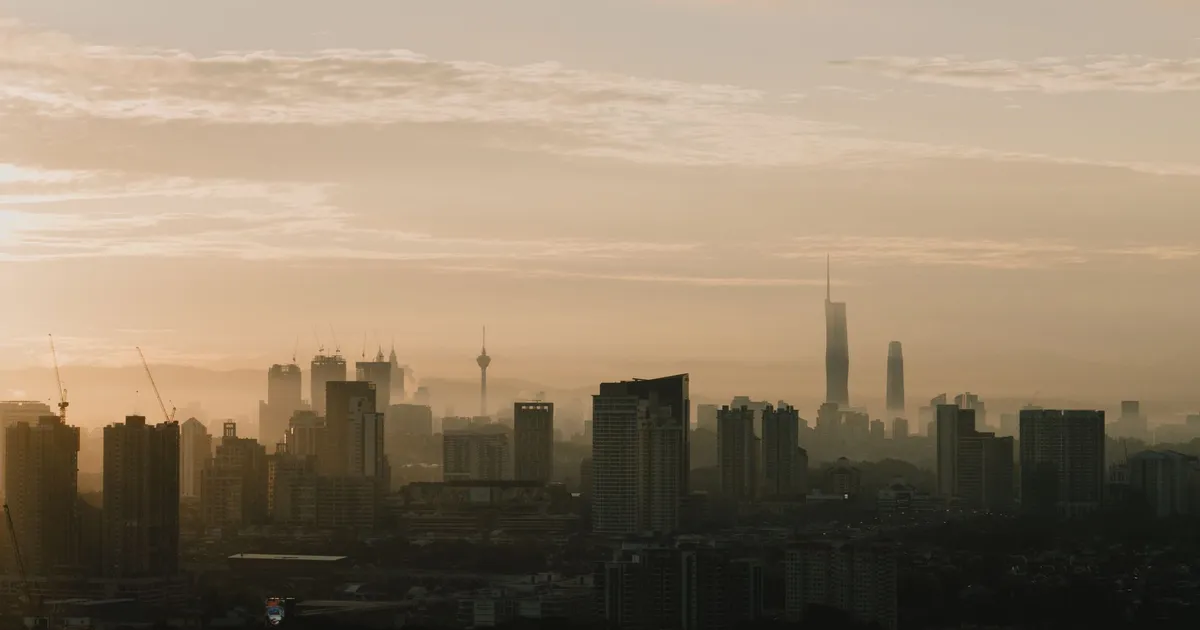
The haze has also reached the peninsula. On 18 September, 34 of Malaysia's 68 monitoring stations recorded unhealthy air, with Johan Setia in Selangor the worst at 198 and readings above 170 in Nilai, Putrajaya, Shah Alam and Seremban. Singapore's air entered the unhealthy range on several days in September, for the first time since 2023.
By the weekend of 26 and 27 September, conditions had eased considerably in most places. Kuala Lumpur and most of the country recorded moderate air, and only a handful of stations remained unhealthy, mainly in southern Johor, around Kota Tinggi, Pasir Gudang and Pengerang, and in Serian. That pattern of improvement followed by relapse has repeated itself several times since August.
Reading the API: The Numbers That Matter
Malaysia's Department of Environment publishes hourly Air Pollutant Index readings for 68 stations nationwide. The categories are simple to learn:
- 0 to 50: good. No precautions needed.
- 51 to 100: moderate. Fine for most people; sensitive individuals may want to limit long, strenuous exertion.
- 101 to 200: unhealthy. Reduce prolonged outdoor activity, especially exercise; children, older people and anyone with heart or lung conditions should take particular care.
- 201 to 300: very unhealthy. Avoid outdoor exertion. Under Malaysia's national haze action plan, schools close once readings pass 200.
- Above 300: hazardous. Stay indoors where possible.
The official source is the Department of Environment's APIMS portal and its MyJAS EQMS mobile app, which replaced the older MyIPU app. Check the station closest to where you will actually be, not a national average, and check more than once a day: readings can swing by a hundred points in hours as the wind shifts. A reliable data connection makes this much easier on the move; our guide to staying connected in Malaysia covers eSIMs and local SIM cards.
Get matched with up to 5 trusted Malaysia agencies
- Free
- No obligation
- Up to 5 agencies
Where It Is Worst, and Where It Is Clear
The single most useful thing to understand is that Malaysia is not uniformly affected. The worst readings have been concentrated in western and southern Sarawak, around Kuching, Samarahan, Serian and Sri Aman, closest to the Kalimantan fires. On the peninsula, the Klang Valley, Negeri Sembilan and parts of Perak and Johor have seen repeated unhealthy spells, with southern Johor the worst in late September.
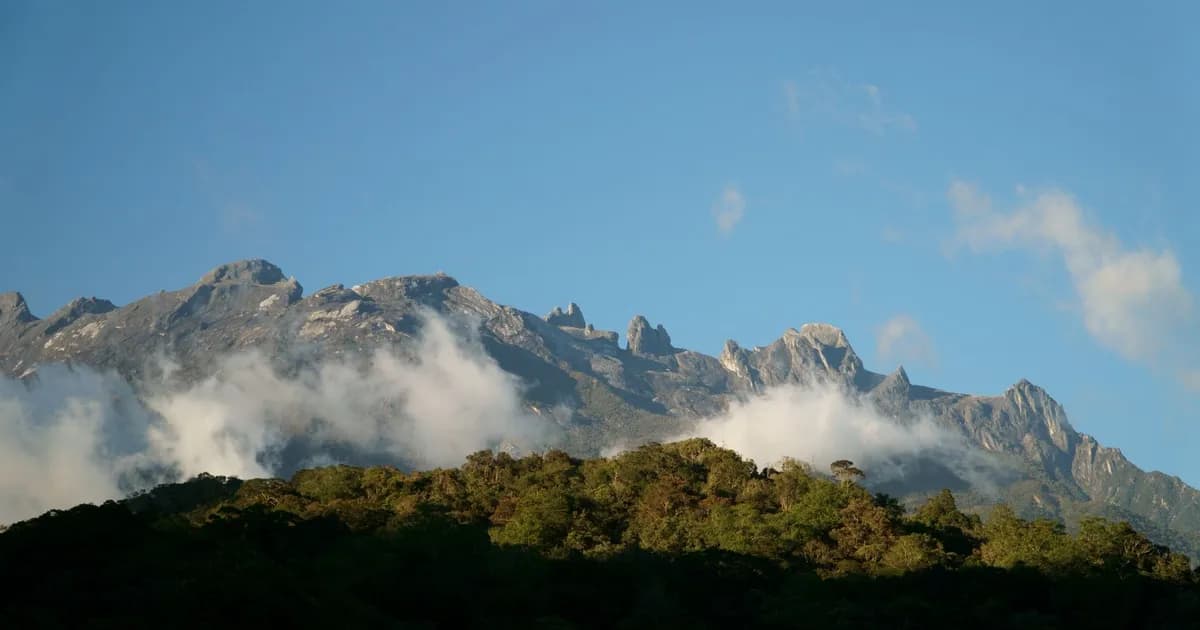
Sabah has been the clear exception. On 18 September, when half the country's stations were unhealthy, the only three stations recording good air were all in East Malaysia: Kota Kinabalu, Sandakan and Limbang in northern Sarawak. For travellers with flexible plans, that makes Sabah a natural place to concentrate nature-focused days.
If you are building or adjusting an itinerary, lean towards destinations that are less exposed or easier to enjoy indoors when needed, and keep a second option in mind for each region. Our guide to Malaysia off the beaten path suggests plenty of alternatives that can be swapped in at short notice.
Sarawak and Borneo Travel
If Kuching and western Sarawak are on your list, the question is not whether to go but how to go well. When readings are moderate, the city remains a delight: the riverfront, the museums, the food. When they turn unhealthy, the outdoor highlights suffer most. Bako National Park, the Semenggoh orangutan centre and the Santubong peninsula all depend on clear air, and hazy skies also steal the views.
The practical answer is to build flexibility into a Sarawak stay: plan the outdoor days, but hold one or two spare days so you can shift them to a clearer morning, and keep indoor alternatives such as museums, cooking classes and markets in reserve. Our portrait of slow days in Kuching has plenty of ideas for both kinds of day.
Across the border, Indonesia has temporarily closed hiking at nine national parks because of fire risk, which matters if your trip combines Malaysia with Indonesia. And some events in Sarawak have been postponed or relocated during the worst spells, so confirm any festival or performance before you plan around it.
Flights, Parks and Events
So far, the most visible aviation disruption linked to the haze has been across the border: in early September, poor visibility forced the rescheduling of ten commercial flights at Supadio airport in Pontianak, West Kalimantan. Malaysian airports have continued to operate, but low visibility can cause delays at short notice, particularly early in the morning, so leave generous connection times and check your flight status on the day.
Parks and outdoor attractions generally stay open unless authorities decide otherwise, but guided activities may be shortened or rescheduled, and some operators will cancel boat trips or treks when visibility or air quality becomes poor. Sports events and outdoor gatherings have been postponed on several occasions, especially in Sarawak.
Health Precautions for Visitors
For healthy adults on a short trip, the haze is mostly a matter of discomfort: irritated eyes, a scratchy throat, headaches and fatigue. It still makes sense to limit exposure when readings are unhealthy.
- Carry well-fitted N95 or KN95 masks; simple surgical masks do little against fine particles. Pharmacies sell them widely, but stocks can run low during bad spells.
- Plan strenuous activity, from hiking to cycling, for days and hours when the API is below 100.
- Choose accommodation with good air-conditioning and keep windows closed when the air is poor.
- Drink plenty of water, and rinse your eyes if they become irritated.
- If you have asthma or another heart or lung condition, bring your usual medication, consider speaking to your doctor before travelling, and seek medical advice promptly if symptoms worsen.
Malaysia has good private clinics and hospitals in all major towns, and pharmacists are a helpful first stop for minor symptoms.
When Will It End?
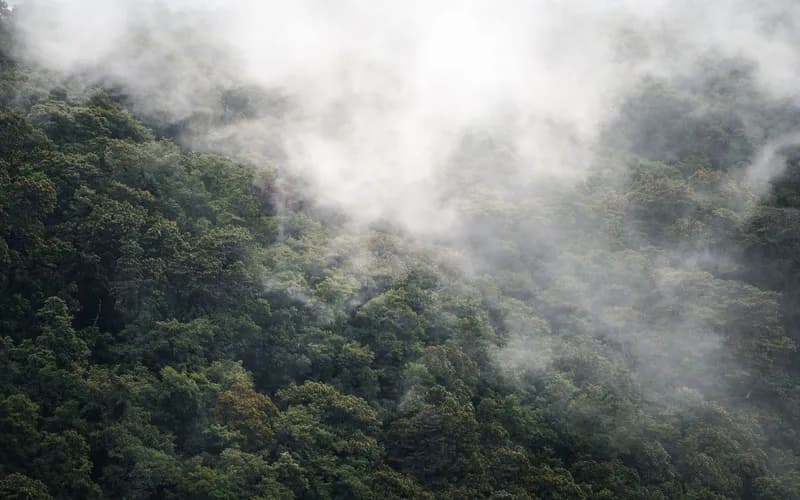
Historically, the haze season in Malaysia fades with the arrival of the northeast monsoon, which brings heavier and more regular rain from around November, and with the inter-monsoon showers that often precede it. Rain both suppresses the fires at source and washes particles out of the air.
The caveat this year is El Niño, which tends to delay and weaken the rains in this part of the world. Several forecasters have warned that dry conditions could persist longer than usual. Nobody can promise a date, and travellers heading to Malaysia in October should assume that hazy spells remain possible, while those travelling from mid-November onwards can reasonably expect improving air, along with the monsoon's own effects on the east coast. Our guide to choosing a Malaysian island by season explains how the monsoon reshapes the coasts from November.
Should You Change Your Plans?
For most travellers, no. The sensible response is adjustment rather than cancellation. Malaysia remains open, its cities function normally, and many of its pleasures, food, heritage, museums, markets and long lunches, are largely unaffected by moderate haze.
Consider changes if you have a respiratory condition, if your trip is almost entirely outdoors in western Sarawak or the southern peninsula, or if you are travelling with young children or elderly relatives during a bad spell. In those cases, shifting the order of your itinerary, swapping in Sabah or the highlands, or delaying a hike by a few days is usually enough. Check your travel insurance carefully: haze on its own is often not a covered reason for cancellation.
What to Do Next
- Download the MyJAS EQMS app or bookmark the APIMS portal, and check the stations nearest your route.
- Pack well-fitted N95 or KN95 masks before you leave, in case local stocks run low.
- Build one or two spare days into any Sarawak or outdoor-focused itinerary.
- Plan strenuous activities for mornings when readings are below 100.
- Keep indoor alternatives in mind for each stop, from museums to cooking classes.
- Leave generous connection times and check flight status on the day of travel.
- Rework your route with our plan your journey page if you need to shift regions.
Frequently Asked Questions
Is it safe to travel to Malaysia during the 2026 haze?
For healthy travellers, yes, with sensible precautions. Conditions vary widely by region and by day, so check official readings, limit outdoor exertion when the API is above 100, and carry N95 or KN95 masks.
Which parts of Malaysia are worst affected?
Western and southern Sarawak, around Kuching, Samarahan, Serian and Sri Aman, have recorded the highest readings. The Klang Valley and southern Johor have also seen unhealthy spells, while Sabah has stayed largely clear.
Where can I check the air quality in Malaysia?
Use the Department of Environment's APIMS portal or its MyJAS EQMS app, which publish hourly readings for 68 stations. Always check the station nearest to where you are staying rather than a national figure.
When will the haze end?
Haze usually clears with the northeast monsoon rains from around November. This year's strong El Niño may delay those rains, so hazy spells remain possible through October and conditions should be checked close to travel.
Are flights affected by the haze?
Malaysian airports have kept operating, but low visibility can cause delays. The most significant disruption so far was at Pontianak in Indonesian Borneo, where ten flights were rescheduled in early September.
Will my travel insurance cover haze cancellations?
Often not, because haze alone is rarely listed as a covered reason for cancelling a trip. Read your policy carefully, and consider flexible bookings if you are travelling during the haze season.