
Malaysia's Ecotourism Awakening: Rainforests, Borneo and Low-Impact Travel in 2026
Malaysia has long been known for its cities, its food and its beaches, but in 2026 the country is deliberately turning attention to something older and wilder: its rainforests. In a significant shift of tourism strategy, Malaysia is betting on high-value, low-impact ecotourism, positioning its ancient forests, wildlife sanctuaries and indigenous cultures at the heart of how it wants to be seen. For the slow traveller, this is one of the most encouraging developments in the region, because ecotourism done well is slow travel by another name: unhurried, immersive and rooted in the natural world. Understanding the shift helps you experience a side of Malaysia that many visitors miss entirely.
This is not a marginal rebrand but a considered strategic direction, tied to the country's major tourism push for the year and its stated preference for quality over quantity. For a country that has often been sold on its skylines and its shopping, this reorientation towards forests, rivers and wildlife is a meaningful statement of intent about the kind of destination Malaysia wants to be. It reflects a growing recognition that Malaysia's extraordinary natural heritage is both a treasure to protect and a draw for exactly the kind of thoughtful, higher-value traveller the country now wants to attract.
A natural heritage like few others
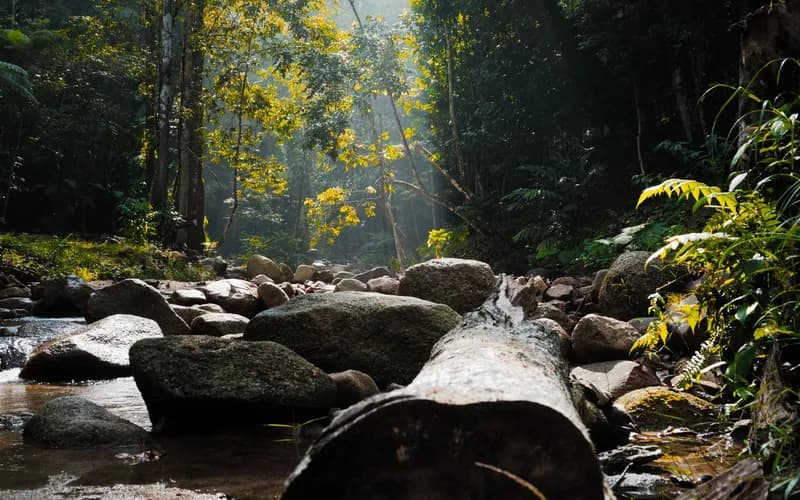
To understand why Malaysia is leaning into ecotourism, you have to grasp the scale of what it has. The country's rainforests are among the oldest on earth, having survived for well over a hundred million years, longer than the Amazon, through ice ages and continental shifts. They are staggeringly biodiverse, home to many thousands of plant species and a wealth of wildlife, from orangutans and pygmy elephants to hornbills and countless others. This is a natural inheritance of global significance.
This heritage is spread across both peninsular Malaysia, with its ancient forest reserves and highland jungles, and the vast wild territories of Malaysian Borneo, the states of Sabah and Sarawak, where the wildest and most iconic experiences are found. For a traveller, it means the country offers a depth of nature-based experience that rivals anywhere in Southeast Asia, from misty highland trails like those of the Cameron Highlands to the rainforests and rivers of Borneo.
One request. Up to five tailored proposals.
Skip contacting agencies one by one — share your trip once and let up to five trusted Malaysia agencies come to you. Free, with no obligation.
Get my free quotesWhat the 2026 shift actually involves
The ecotourism push is substantive, not just rhetorical. Malaysia's headline tourism campaign for the year has placed unusual emphasis on sustainability, with initiatives including eco-certification for tourism operators, carbon-conscious infrastructure, digital systems to monitor and manage visitor numbers at sensitive sites, and stricter conservation standards in national parks. The stated ethos is quality over quantity, sustainability over mass tourism, and community empowerment over corporate development.
This is a meaningful reorientation. Rather than chasing ever-higher visitor numbers, Malaysia is signalling that it wants to protect its natural assets and attract travellers who value and respect them. Managing carrying capacity at fragile sites, certifying responsible operators and raising conservation standards are exactly the tools needed to keep nature-based tourism sustainable, and they align the country with the direction thoughtful travel is heading worldwide. It is the same philosophy of travelling less but deeper that underpins our slow-travel charter.
Borneo at the heart of it
If Malaysia's ecotourism has a beating heart, it is Borneo. The states of Sabah and Sarawak hold some of the most remarkable wildlife and rainforest experiences on the planet, and they are central to the country's ecotourism ambitions. Sabah in particular is building a long-term strategy around its eco-tourism ecosystem, seeking to develop eco-lodging, green mobility and cultural enterprises while protecting the forests and wildlife that draw visitors in the first place.
For travellers, Borneo offers the chance to see orangutans and other wildlife in and around protected forests, to journey along jungle rivers, and to engage with indigenous cultures, all in a way that, done responsibly, supports conservation. It is the kind of destination where the most rewarding experiences are also, when chosen carefully, the most sustainable, and where slow, immersive travel is not just possible but essential to appreciating the depth of the place.
Get matched with up to 5 trusted Malaysia agencies
- Free
- No obligation
- Up to 5 agencies
Community-based tourism and conservation
A defining feature of the shift is its emphasis on community empowerment, and this is where ecotourism becomes genuinely transformative. Across Malaysia, community-run initiatives are increasingly central to conservation, with local co-operatives of farmers, fishers and villagers working to protect rainforest ecosystems while generating sustainable income through tourism. This model gives communities a direct stake in preserving the forests, turning conservation from an external imposition into a local livelihood.
For the traveller, this is where a visit does real good. Choosing community-based experiences, staying in locally run eco-lodges, and supporting co-operatives that protect the forest, directs your money towards both conservation and rural wellbeing at once. It is a virtuous circle in which tourism funds protection and protection sustains tourism, and it is the model Malaysia is increasingly building its ecotourism around. Seeking out these experiences is one of the most meaningful choices a visitor can make.
How to travel Malaysia's nature responsibly
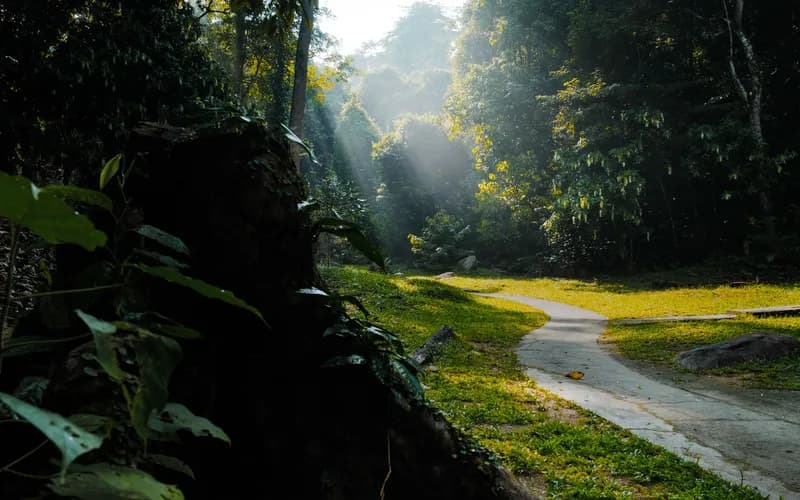
The opportunity of Malaysia's ecotourism moment comes with a responsibility to travel well, because nature-based tourism can harm the very things it celebrates if done carelessly. The principles are straightforward: choose eco-certified and community-based operators, keep to marked trails and boardwalks in fragile areas, never disturb or feed wildlife, minimise your waste and plastic use, and favour lower-impact transport such as the bus and train over flying and driving where you can. These small choices, multiplied across many travellers, make a real difference.
Approached this way, Malaysia's forests and wildlife offer some of the most profound experiences in the region, and the country's growing ecotourism infrastructure makes them ever more accessible. This is a natural fit for anyone drawn to travel beyond the obvious, in the spirit of our guide to Malaysia off the beaten path, and it sits within the broader story of the country's tourism year, which we cover in our piece on what Visit Malaysia 2026 means for travellers.
What it means for you
For the slow traveller, Malaysia's ecotourism awakening is an invitation. It means the country is actively developing, certifying and protecting exactly the kind of deep, nature-based, community-rooted experiences that reward an unhurried approach, and that it increasingly wants visitors who value them. Building a Malaysian trip around its rainforests and wildlife, rather than only its cities and beaches, opens up a richer, wilder and more meaningful side of the country.
The practical message is to go, and to go thoughtfully. Seek out the forests of the peninsula and the wild heart of Borneo, choose responsible and community-based operators, travel slowly and lightly, and treat the natural world as something to protect rather than merely consume. Our plan your journey page can help you build a trip that puts Malaysia's extraordinary nature at its centre.
Peninsular Malaysia's forests, not just Borneo
While Borneo captures the imagination, it would be a mistake to overlook the peninsula, which holds some of the oldest rainforest on the planet and a wealth of accessible nature experiences. Ancient forest reserves protect jungle that has stood for well over a hundred million years, where you can walk canopy trails, spot wildlife and sleep deep in the rainforest, all within reach of the main travel routes. The cool highland jungles, such as those around the Cameron Highlands, add another dimension, with misty montane forest and gentle trails that make nature accessible even to casual walkers.
This accessibility matters, because it means you do not have to make an expedition to Borneo to engage with Malaysia's natural heritage. A nature-focused trip can weave forest reserves, highland trails and marine parks into a route that also takes in cities and culture, giving even a short visit real ecological depth. For the slow traveller, this is a gift: the chance to step from a heritage city into ancient jungle within a day, and to experience the country's wild side without a major detour.
The peninsula also illustrates the community dimension of the ecotourism shift especially clearly. Many of its forest and rural areas are home to indigenous Orang Asli communities and rural villages whose knowledge and stewardship are increasingly central to how these places are protected and shared. Choosing experiences that involve and benefit these communities, rather than bypassing them, is part of travelling responsibly here, and it deepens the encounter immeasurably. It turns a walk in the forest into an education, guided by people who have understood these ecosystems for generations, and that combination of ancient nature and living human knowledge is, in the end, what makes Malaysia's ecotourism awakening so much more than a marketing slogan.
What to Do Next
- Build your Malaysian trip around its rainforests and wildlife, not just its cities and beaches.
- Head to Borneo, especially Sabah and Sarawak, for the country's most remarkable ecotourism experiences.
- Choose eco-certified and community-based operators and lodges that channel money into conservation.
- Travel responsibly: keep to trails, never disturb wildlife, minimise waste, and favour bus and train.
- Support community co-operatives that protect the forest, making your visit a force for good.
- Plan a nature-focused, low-impact itinerary with our plan your journey page.
Frequently Asked Questions
Why is Malaysia focusing on ecotourism in 2026?
Malaysia is shifting towards high-value, low-impact tourism, placing its ancient rainforests, wildlife and indigenous cultures at the centre of its strategy. The emphasis is on quality over quantity, sustainability over mass tourism, and community empowerment.
What makes Malaysia's rainforests special?
They are among the oldest on earth, having survived for well over a hundred million years, longer than the Amazon, and are staggeringly biodiverse, home to thousands of plant species and iconic wildlife such as orangutans, pygmy elephants and hornbills.
Where is the best ecotourism in Malaysia?
Malaysian Borneo, the states of Sabah and Sarawak, offers the wildest and most iconic experiences, from orangutans to jungle rivers. Peninsular Malaysia also has ancient forest reserves and highland jungles such as the Cameron Highlands.
How can I travel Malaysia's nature responsibly?
Choose eco-certified and community-based operators, keep to marked trails and boardwalks, never disturb or feed wildlife, minimise waste and plastic, and favour lower-impact transport like the bus and train over flying and driving where possible.
What is community-based ecotourism?
It is tourism run by or with local communities, where co-operatives of villagers protect rainforest ecosystems while earning sustainable income from visitors. It gives communities a stake in conservation and directs travellers' money towards both protection and rural wellbeing.
Is ecotourism part of Visit Malaysia 2026?
Yes. The country's major tourism campaign for the year places strong emphasis on sustainability and ecotourism, with eco-certification, carrying-capacity management and stricter conservation standards, reflecting a broader shift towards responsible, value-driven travel.