Malaysia's Stronger Ringgit: What It Means for Your Travel Budget in 2026
For years, one of the quiet selling points of Malaysia was a weak ringgit: your dollars, pounds or euros bought a lot of meals, rooms and train tickets. In 2026 that story is shifting. The currency has firmed, local analysts expect it to stay firm through the second half of the year, and Malaysians themselves are noticing, with more of them choosing to holiday abroad. For a visitor, the effect is real but modest, and it is worth understanding before you set a budget. The honest summary is that Malaysia remains good value, just slightly less of a bargain than it was, and that your own spending choices matter far more than the exchange rate.
What has actually changed with the ringgit
The most useful recent forecast we found comes from BIMB Securities Research, reported in The Star in July 2026. It expects the ringgit to average around RM3.95 to the US dollar across 2026 and to end the year near RM3.90. That is a firmer currency than travellers saw in the recent past, and the analysts expect it to hold for the rest of the year rather than snap back.
The reasons they give are fairly dull, which is reassuring. They point to resilient external fundamentals, a recovery in tourism, stronger exports and a gradual narrowing of the interest-rate gap between Malaysia and the United States. Bank Negara Malaysia was holding its overnight policy rate at 2.75 percent, and the country has been running a current account surplus. The research house also notes that Malaysia welcomed 26.6 million foreign visitors in 2025, more than before the pandemic, and that an upswing in the AI-driven semiconductor trade has supported exports.
A caution on the numbers: this is one forecast, and currencies are unpredictable. Analysts themselves stress that global risk sentiment, US interest rates, commodity prices and capital flows matter more than domestic politics. Treat RM3.90 to RM4.00 per dollar as a planning range rather than a promise, and check the live rate before you travel. We have no verified euro or sterling figures to quote here, so convert using the rate on the day.
One request. Up to five tailored proposals.
Skip contacting agencies one by one — share your trip once and let up to five trusted Malaysia agencies come to you. Free, with no obligation.
Get my free quotesThe maths for a traveller
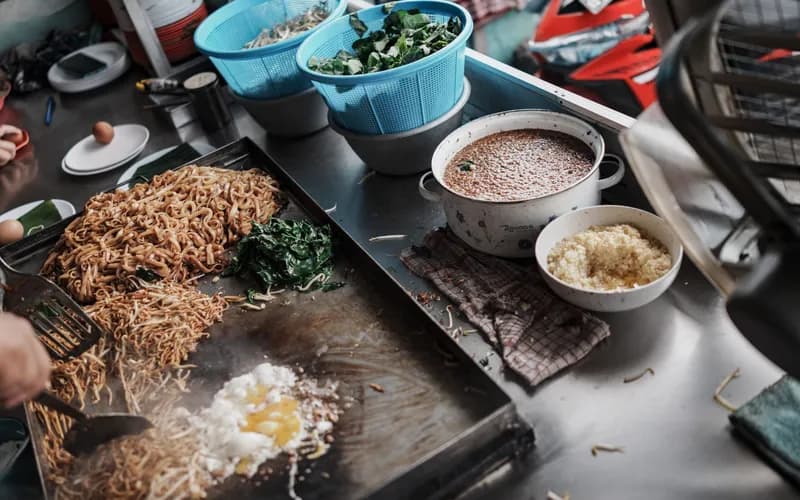
Let us make the arithmetic concrete, using the forecast range. At roughly RM3.95 to the dollar, RM100 is about US$25. A bowl of noodles at a hawker stall, a short Grab ride across town or a modest museum ticket sits in the range of a few ringgit to a few tens of ringgit, which means a few dollars each. A mid-range hotel room might be RM200 to RM350 a night, or roughly US$50 to US$90, depending on the city and the season.
What does a firmer ringgit change? If the currency strengthens by around five percent against your own, everything priced in ringgit costs you about five percent more. On a budget of US$2,000 for a two-week trip, that is around US$100 across the whole journey. It matters, but it is the price of one or two nicer dinners, not a reason to change destinations. By comparison, the difference between booking a flight in the shoulder season and in a school holiday week can be several hundred dollars.
It also helps to separate what is priced in ringgit from what is not. Local meals, local transport, entrance fees and most guesthouses are in ringgit. International flights, many tour packages sold abroad and some resorts quote in other currencies, so the exchange rate has already been absorbed. When you build a budget, split it into those two buckets. Our Malaysia trip cost and budget guide lays out realistic daily ranges that you can adjust for the current rate.
Who feels it most, and who does not
The effect is uneven. Slow travellers who stay in one place for a week or more feel it least, because they spend much of their budget on rent-like costs such as a guesthouse or homestay, and they tend to eat locally. A long stay also lets you negotiate monthly rates, which cushions the currency effect.
Short, flight-heavy itineraries feel it more. If you hop between islands, take domestic flights and book guided activities, those items are priced in ringgit and have been rising slowly anyway. The same goes for destinations in Sabah and Sarawak, where costs are structurally higher because of distance and logistics. A place like Gunung Mulu in Sarawak is a good example: flights, guides and park activities are all priced in ringgit, and a firmer currency lifts the total a little.
Travellers coming from Singapore are a special case. Local press has noted that a firmer ringgit makes cross-border shopping and weekend trips less of a bargain than they used to be, and there are reports of Malaysians choosing Japan, Thailand and Indonesia in greater numbers because their currency now goes further abroad. That may mean slightly fewer domestic crowds at some price-sensitive destinations, though it is too early to draw firm conclusions.
Get matched with up to 5 trusted Malaysia agencies
- Free
- No obligation
- Up to 5 agencies
Prices are not just about the currency
It is tempting to blame or credit the exchange rate for everything, but several other costs move independently. Wages and food prices have been rising in Malaysian cities. Visitor numbers are high, which keeps hotel rates firm in places like Penang and Kuala Lumpur. And a handful of charges apply to visitors in particular, including the tourism tax on accommodation and various park and entry fees. We cover those in what travellers actually pay in Malaysian tourism taxes and fees.
In practice, the biggest swings in your budget come from three decisions: when you travel, where you sleep and how often you move. Travelling outside school holidays and major festivals can reduce hotel costs noticeably. Choosing guesthouses, homestays or small hotels over international chains does the same. And moving less, with fewer flights and transfers, saves both money and energy. A one percent move in the ringgit is small beside those choices.
Paying smart when the currency is firm
You cannot control the rate, but you can control how much you lose to avoidable fees. A few habits help.
- Always pay in ringgit. When a card terminal or an ATM offers to charge you in your home currency, decline. The conversion rate offered is usually worse than your bank's.
- Use a card with no foreign transaction fee for larger bills, and withdraw cash in fewer, larger amounts to reduce ATM charges.
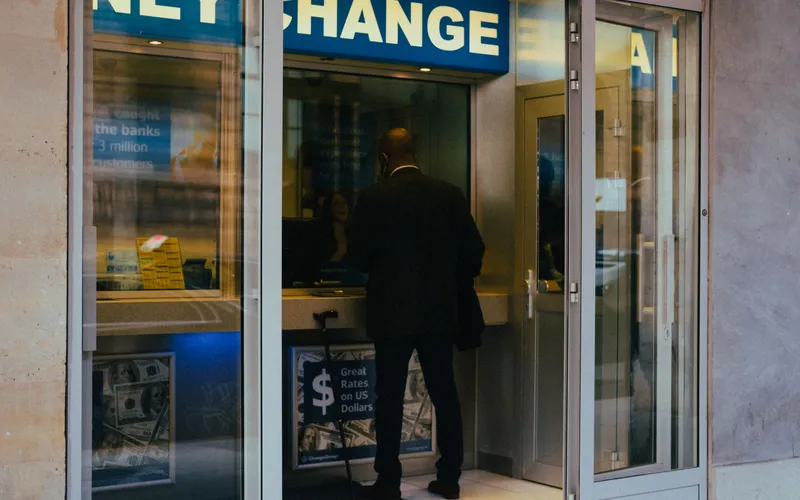
- Avoid exchanging money at airports. Compare rates at licensed money changers in town, and keep the receipt.
- Carry a modest amount of cash for hawker stalls, markets and small guesthouses, where cards are still patchy.
- Check whether your accommodation quotes prices in ringgit or a foreign currency, and read the cancellation terms.
For more detail on cards, cash and local e-wallets, see our guide to how to pay in Malaysia.
Planning around the exchange rate
Should you time your trip, or your currency exchange, around the rate? We would say no. Currency forecasts are famously unreliable, and building a trip around a hoped-for move invites disappointment. What is sensible is to avoid exchanging your whole budget at once and to keep a small buffer for rate swings.
A better strategy is to build a budget in ringgit first, convert it at a slightly pessimistic rate, and then look for savings in the places where the biggest numbers live. For many travellers those are flights, accommodation and guided activities. Sleeping in a family-run guesthouse for several nights, taking buses and trains instead of flights where the geography allows, and eating where locals eat can easily offset a few percent of currency drift.
If you want help turning a rough idea into a realistic budget and route, our plan your journey page is a good starting point. It will also help you decide where a slower, cheaper rhythm makes more sense than a faster one.
A longer view
The wider lesson is that Malaysia is no longer an unexplored, rock-bottom-price destination, and that is not a bad thing. Higher visitor numbers, a healthier currency and rising local incomes point to a country that is maturing as a destination. For travellers, the response is not to worry but to travel with more intention: stay longer in fewer places, spend where it matters to you and keep an eye on the real drivers of cost.
As slow travel advocates, we see a firmer ringgit as a mild nudge in the right direction. It rewards those who go deeper rather than wider. Spending your money in a few places, with local guides, homestays and family-run restaurants, spreads the benefit to communities rather than to chains and shuttles. That is a good use of a slightly stronger local currency.
What to Do Next
- Build your budget in ringgit first, then convert at a slightly pessimistic rate such as RM3.90 to RM4.00 per US dollar.
- Split costs into ringgit-priced items and items priced abroad, such as flights and packages.
- Decline dynamic currency conversion at every terminal and ATM, and pay in ringgit.
- Compare licensed money changers in town rather than exchanging at the airport.
- Look for savings in timing, lodging style and number of moves, which matter more than the exchange rate.
- Recheck the live rate a week before departure, and keep a small buffer.
Frequently Asked Questions
Is Malaysia still cheap for tourists in 2026?
Yes, in relative terms. Food, local transport and mid-range accommodation remain good value compared with much of Europe, North America and Singapore. It is less of a bargain than a few years ago, and prices in Sabah, Sarawak and popular islands are noticeably higher.
How strong is the ringgit in 2026?
One local forecast expects an average of around RM3.95 per US dollar for 2026, ending the year near RM3.90. Actual rates move daily, so check a live source before you travel and treat forecasts as a guide only.
Will a stronger ringgit make my trip much more expensive?
Not dramatically. A move of around five percent in the currency adds roughly five percent to ringgit-priced costs. On a typical two-week budget that is a modest sum, much smaller than the difference between peak and shoulder season.
Should I exchange money before I arrive?
There is rarely a need. Withdraw a modest amount at an ATM or exchange at a licensed money changer in town, where rates are generally better than at the airport. Carry enough cash for markets and hawker stalls.
Is it better to pay by card or cash in Malaysia?
Both. Cards work in hotels, malls and many restaurants, while cash and e-wallets are common at stalls and small shops. Always choose to be charged in ringgit.
Does the exchange rate affect tour and flight prices?
Only partly. Packages and international flights sold abroad are priced in your own currency, so the rate is already built in. Local activities, guides and domestic flights are priced in ringgit and respond more directly.
When is the cheapest time to visit Malaysia?
Prices are usually lower outside school holidays, major festivals and peak weeks. The exact low season depends on the coast, so check the monsoon pattern for the region you plan to visit.