Visit Malaysia 2026: What the National Tourism Year Means for Travellers
Every so often a country decides to put itself firmly on the map, and in 2026 it is Malaysia's turn. Visit Malaysia 2026 is the country's national tourism year, a major, well-funded campaign to draw record numbers of visitors and reintroduce the world to one of Southeast Asia's most rewarding and underrated destinations. For travellers, a tourism year like this brings both opportunity and a few things to watch: more promotion and investment, but also potentially bigger crowds at the marquee sights. Here is what Visit Malaysia 2026 actually is, and how a thoughtful traveller should read it.
A country throws open its doors
Malaysia has long been the quiet achiever of Southeast Asian travel, less shouted about than Thailand or Bali but offering an extraordinary blend of cultures, cuisines, cities, rainforest and coast. Visit Malaysia 2026 is a deliberate effort to change that profile, backed by substantial government funding and a nationwide push to welcome the world. The campaign is not just marketing; it bundles international promotion with tourism-product development, improved air connectivity and partnerships with the private sector. For the visitor, it signals a country actively courting travellers and investing in the experience, which is broadly good news for anyone planning a trip.
One request. Up to five tailored proposals.
Skip contacting agencies one by one — share your trip once and let up to five trusted Malaysia agencies come to you. Free, with no obligation.
Get my free quotesThe numbers behind the campaign
The ambitions are large. Malaysia has set a headline target of around 47 million foreign tourist arrivals for 2026, aiming for tourism receipts in the region of hundreds of billions of ringgit, and has backed the effort with more than seven hundred million ringgit in government funding for marketing and infrastructure. These are big figures, and whether they are fully met matters less than the direction they signal: a country going all-in on tourism, spreading investment across the sector, and betting on travel as a pillar of its economy. For a traveller, the practical translation is more flights, more promoted destinations and more polished visitor infrastructure.
"Surreal Experiences": the theme
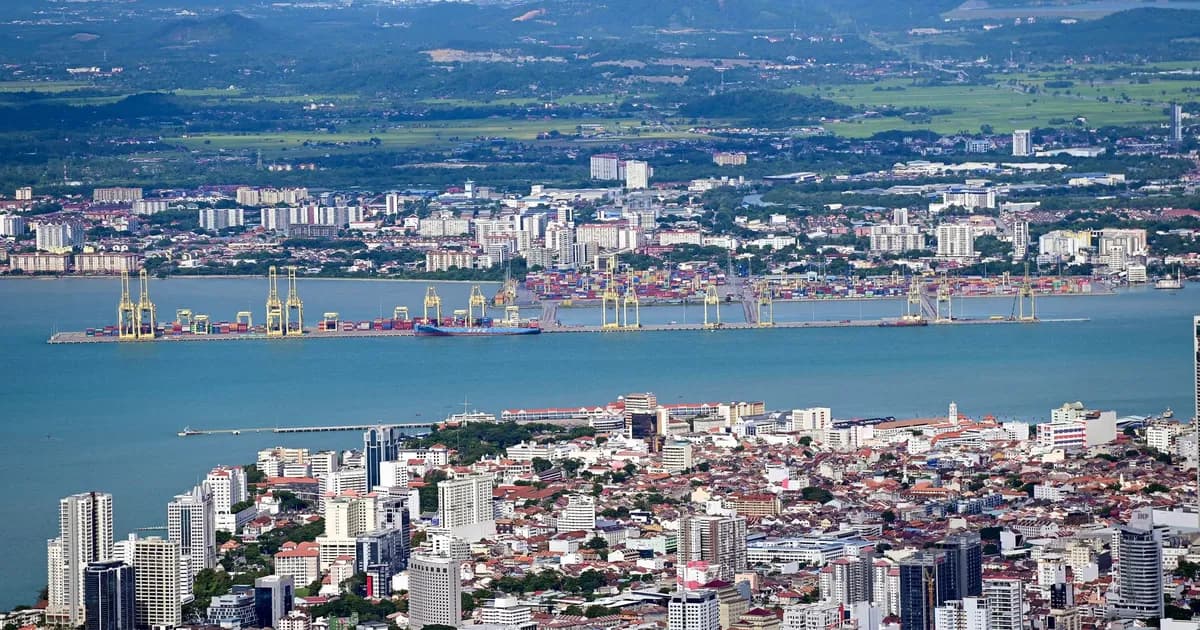
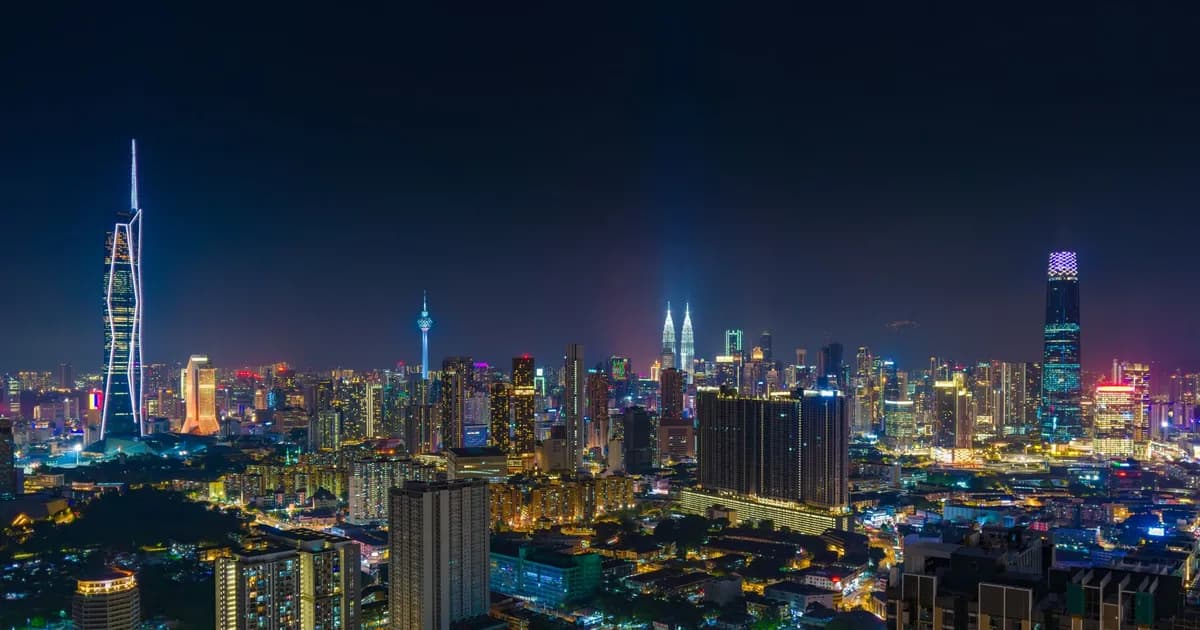
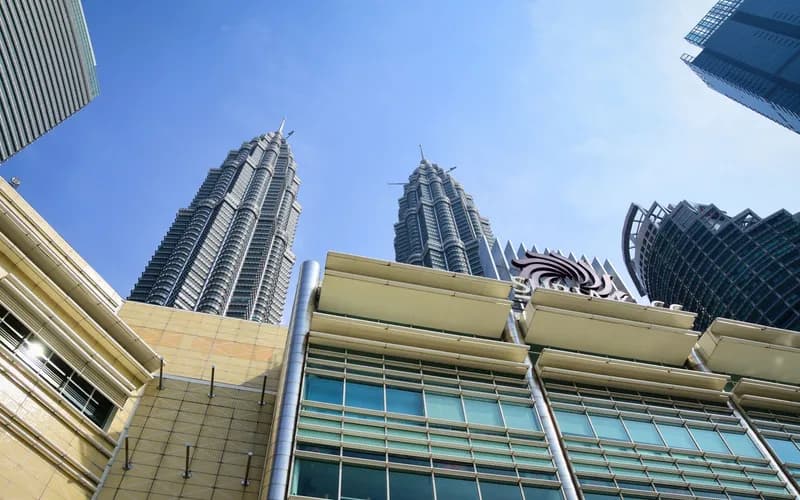
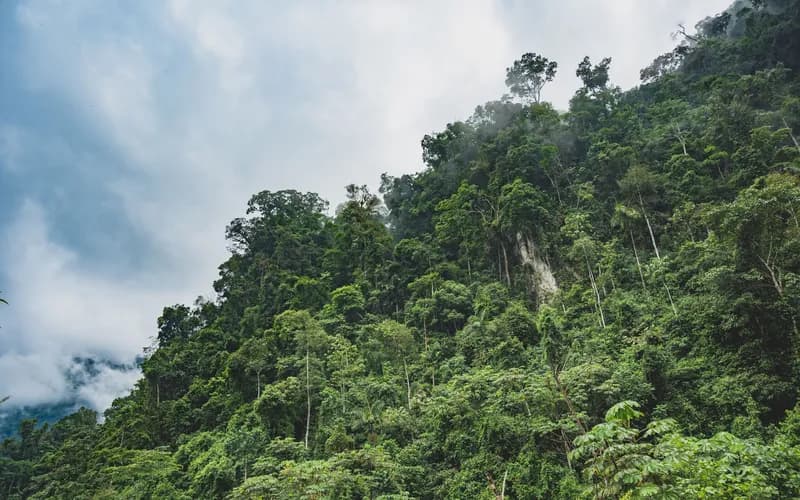
Every tourism year needs a slogan, and Visit Malaysia 2026 runs under the banner of "Surreal Experiences". Behind the marketing phrase is a genuine pitch: that Malaysia's appeal lies in its remarkable combination of tropical landscapes, multicultural heritage, food, wildlife, adventure and modern cities, often within a short distance of one another. It is a fair description of the country's real strength, the way a single trip can take in a heritage city like Penang, the rainforests and orangutans of Borneo, the tea highlands, and the skyline of Kuala Lumpur. The theme is an invitation to sample that variety, ideally slowly.
Get matched with up to 5 trusted Malaysia agencies
- Free
- No obligation
- Up to 5 agencies
Quality over quantity: the strategic shift
The most interesting part of Visit Malaysia 2026, for a slow traveller, is the strategic emphasis beneath the headline numbers. The campaign explicitly aims not just for more visitors but for higher-quality arrivals and longer stays, with a stated focus on sustainable, high-value tourism, eco-tourism, cultural heritage and Muslim-friendly travel. This is the same value-over-volume language emerging across the region, and it aligns closely with how a considered traveller already wants to engage: staying longer, spending more meaningfully, and valuing depth over a checklist. It is essentially the case our charter for slow travel makes, echoed at national policy level.
Spreading beyond Kuala Lumpur
A notable ambition of the campaign is to spread visitors beyond the usual hotspots and let the lesser-known states shine. Rather than concentrating everyone in Kuala Lumpur, Penang and Langkawi, Visit Malaysia 2026 is promoting the quieter corners: the east-coast states, the interior, the Borneo territories of Sabah and Sarawak, and rural and eco-destinations that rarely make a first-timer's itinerary. For the slow traveller this is the most welcome element of all, an official push in exactly the direction you would already choose. Our off-the-beaten-path Malaysia guide is built around precisely these quieter places.
What it means on the ground for travellers
In practical terms, a tourism year works in your favour more than against it. Expect better air connectivity and more routes, more events and festivals, freshened-up attractions and infrastructure, and a general sense of a country keen to make a good impression. Promotions and packages proliferate, and the welcome is warm. The one caveat is popularity: a successful campaign draws crowds, and the most famous sights, the Petronas Towers, Langkawi's beaches, Malacca's old town, may feel busier, especially in peak periods. The smart response is not to avoid Malaysia but to lean into the campaign's own logic and seek out the quieter states it is promoting.
The crowds question, honestly
It is worth being clear-eyed. If the campaign succeeds in drawing tens of millions of visitors, the honeypots will be busier, and a traveller seeking calm will feel it at the big-ticket sights in high season. But Malaysia is a large and varied country, and the crowds concentrate in a handful of places. Step just beyond them, into the smaller towns, the interior, the east coast and Borneo, and you will often have remarkable places nearly to yourself, all the more so because the campaign is improving access to them. The crowds are real but avoidable, and avoiding them has rarely been easier.
Sustainability and the Muslim-friendly angle
Two threads of the campaign deserve a note. The sustainability emphasis, tied to eco-tourism and heritage, is encouraging if it translates into real protection of Malaysia's rainforests, reefs and old cities rather than mere branding; travellers can support the genuine version by choosing responsible operators and quieter destinations. The Muslim-friendly focus reflects Malaysia's strong position as a leading halal-travel destination, with the food, facilities and cultural fit that make it especially comfortable for Muslim travellers, though its warmth extends to everyone. Both threads point to a country thinking carefully about who it welcomes and how.
How a slow traveller should approach VM2026
The best way to enjoy Visit Malaysia 2026 is to take the campaign at its own best word. Use the improved connectivity and promotion to reach the country easily, then travel against the crowd: base yourself in fewer places, favour the lesser-known states the campaign is spotlighting, stay longer, eat and spend locally, and treat the famous sights as a small part of a deeper trip. Done this way, you get the benefits of a tourism year, the investment, the access, the welcome, without its main drawback, the crowds. It is, in the end, simply an invitation to travel Malaysia slowly, in the year the country most wants you to come. Our slow traveller's guide to Malaysia is the place to start.
What to see if you go
For first-time visitors wondering where the campaign points, Malaysia's variety is the answer. Kuala Lumpur pairs gleaming towers with old markets and superb food; the heritage cities of Penang and Malacca offer culture and cuisine; Langkawi and the Perhentian and Tioman islands deliver beaches and reefs; the Cameron Highlands bring cool tea country; and across the sea, Borneo's Sabah and Sarawak hold rainforest, orangutans, caves and Mount Kinabalu. A trip can genuinely combine city, culture, jungle and coast in a way few countries manage, which is exactly the "surreal" variety the campaign is selling. The slow-travel move is not to attempt all of it but to choose two or three of these worlds and give each real time.
The best of both peninsula and Borneo
One choice worth thinking about early is whether to focus on Peninsular Malaysia, easily linked by its excellent road and rail network, or to include Malaysian Borneo, a flight away but a different world of rainforest and wildlife. The peninsula suits a first, culture-and-food-focused trip built around cities and the west coast; Borneo rewards those drawn to nature, trekking and orangutans, and deserves its own dedicated time rather than a rushed add-on. Visit Malaysia 2026's improved connectivity makes reaching both easier, but the slow traveller is usually better served choosing one to explore properly on a given trip and saving the other for another journey.
A campaign that suits the slow traveller
Step back and the striking thing about Visit Malaysia 2026 is how well its stated goals align with slow travel. A push for longer stays, higher-value and more sustainable tourism, and dispersal to quieter states is, almost word for word, the way a thoughtful traveller already wants to move. That alignment is a gift: it means the national campaign is actively building the infrastructure, promotion and access that make slow, deep travel in Malaysia easier than ever. Far from something to be wary of, a well-run tourism year like this is an invitation the considered traveller can accept wholeheartedly, simply on their own quiet terms.
What to do next
- Take advantage of Visit Malaysia 2026's improved flight connectivity and promotions to plan your trip.
- Lean into the campaign's own push toward lesser-known states rather than concentrating on the famous hotspots.
- Expect the marquee sights to be busier in peak periods, and time or skip them accordingly.
- Stay longer in fewer places, spend locally, and favour responsible, sustainable operators.
- Build a quieter, deeper itinerary using our plan your journey page.
Frequently Asked Questions
What is Visit Malaysia 2026?
Visit Malaysia 2026 is the country's national tourism year, a major government-backed campaign to attract record visitor numbers and showcase Malaysia's culture, nature, food and cities under the theme "Surreal Experiences". It bundles international marketing, tourism-product development, better air connectivity and private-sector partnerships, with a stated aim of higher-quality arrivals and longer stays.
How many tourists is Malaysia expecting in 2026?
Malaysia has set a headline target of around 47 million foreign tourist arrivals for its Visit Malaysia 2026 year, supported by hundreds of billions of ringgit in targeted tourism receipts and more than seven hundred million ringgit in government funding. Whether the exact figure is met matters less than the clear signal that Malaysia is investing heavily in tourism.
Will Malaysia be too crowded during Visit Malaysia 2026?
The most famous sights, such as Kuala Lumpur's towers, Langkawi and Malacca, may feel busier in peak periods if the campaign succeeds. But Malaysia is large and varied, and the crowds concentrate in a few places. By favouring the lesser-known states the campaign itself is promoting, you can easily find quiet, rewarding travel away from the hotspots.
Is Visit Malaysia 2026 a good time to visit?
Yes, with a thoughtful approach. A tourism year brings better connectivity, more events, freshened infrastructure and a warm welcome, all of which benefit travellers. The main trade-off is busier headline sights. Using the improved access to reach quieter regions and travelling slowly lets you enjoy the upsides while sidestepping the crowds.
What is the theme of Visit Malaysia 2026?
The campaign runs under the theme "Surreal Experiences", highlighting Malaysia's unusual combination of tropical landscapes, multicultural heritage, food, wildlife, adventure and modern cities, often within short distances. It is a fair reflection of the country's genuine variety, and an invitation to sample that range, ideally at a slow, immersive pace rather than a rushed checklist.