
The Philippines' Travel Fees in 2026: Terminal, Environmental and the SIM Rule
The price of a trip to the Philippines is not just the airfare and the hotel. Scattered across a journey through the archipelago is a series of smaller fees and formalities, terminal charges at airports, environmental fees at popular destinations, and a compulsory SIM registration, that can catch the unprepared traveller off guard. None is large on its own, but together they add up, and knowing about them in advance saves both money and hassle. This is a practical guide to the travel fees and formalities you will meet in the Philippines in 2026, and how to plan for them.
The good news is that most of these are modest and easily budgeted for once you know they exist. The bad news is that they are poorly signposted and change periodically, so a little preparation goes a long way.
The travel tax, and the tourist exemption
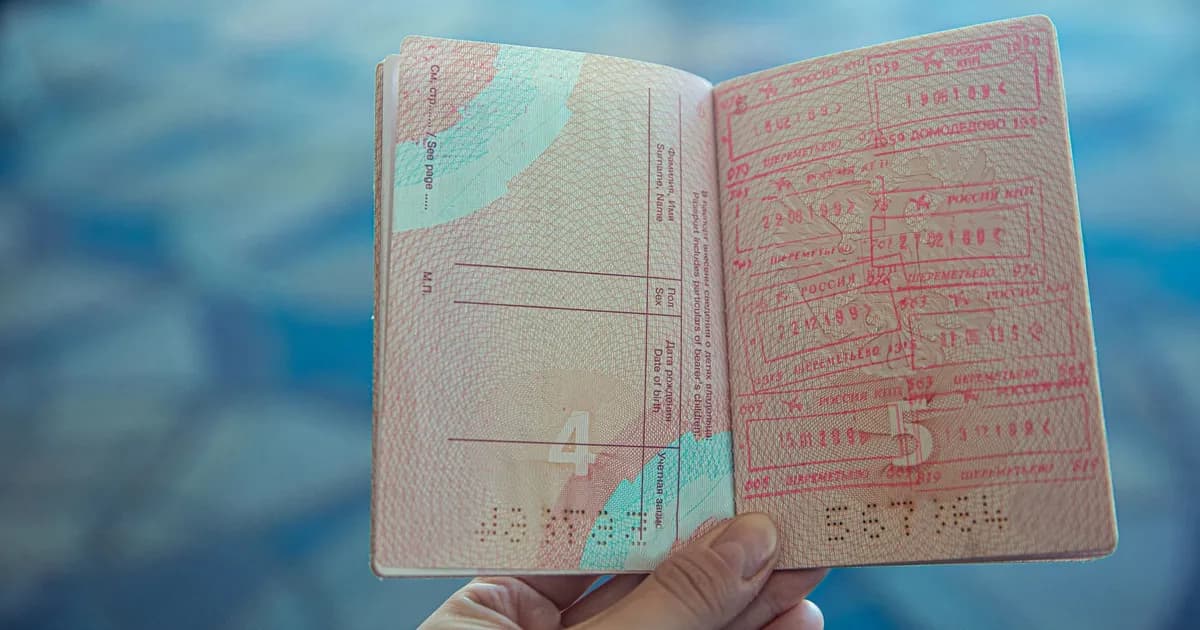
The Philippines levies a travel tax on people departing the country, collected to fund tourism and cultural programmes. It is a genuine and not insignificant charge, but here is the crucial point for visitors: foreign tourists who have stayed in the Philippines for less than one year are exempt from the travel tax. For the ordinary holidaymaker, in other words, it does not apply.
This exemption is worth understanding because the travel tax is sometimes confused with the airport terminal fee, which is a different charge that does apply to everyone. If you are staying for a normal holiday, you should not be paying travel tax on departure, and if you are asked to, it is worth querying. For the full picture of costs on a Philippines trip, our guide to the cost of travel in the Philippines in 2026 breaks down the budget.
One request. Up to five tailored proposals.
Skip contacting agencies one by one — share your trip once and let up to five trusted Philippines agencies come to you. Free, with no obligation.
Get my free quotesAirport terminal fees: what changed
The charge that does apply to all departing passengers is the airport terminal fee, formally the passenger service charge or PSC. This has risen recently: the international departure charge increased to around 950 pesos, up from 550, while the domestic departure charge rose to around 390 pesos, the first such increase in many years. Further increases have been signalled, with aviation authorities moving towards a higher standard charge across the airports they oversee.
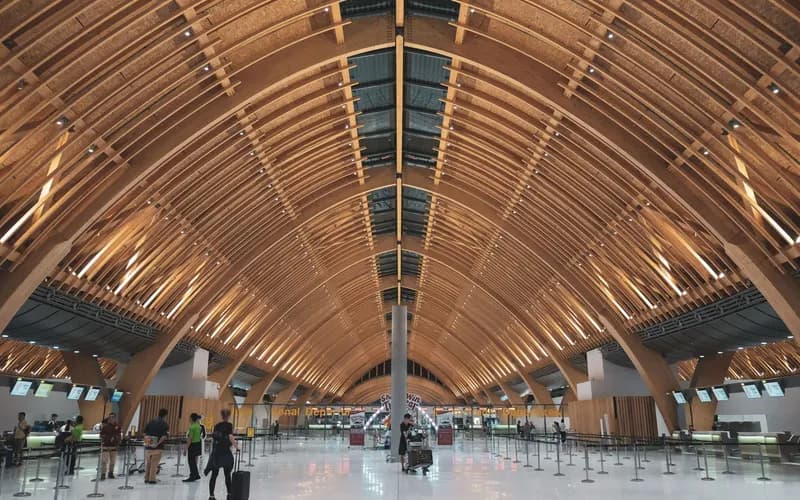
The important practical nuance is where you pay it. At major airports such as Manila, the terminal fee is now generally bundled into your airfare, so you will not be asked for it separately. But at some airports, particularly smaller regional and island gateways like Caticlan for Boracay, it may still be collected in cash at the airport on departure. Keep some pesos in hand for this, and do not assume it is always included. Our guide to the Philippines' new airports and domestic travel covers the changing airport landscape.
Environmental and terminal fees at destinations
Beyond the airports, many popular destinations levy their own environmental and terminal fees on arriving visitors, and these are the charges travellers most often forget. On Boracay, arriving visitors pay an environmental fee and a local terminal fee, now collected through a digital pass system, the Boracay iPass, that streamlines the statutory charges. In El Nido, an environmental user fee is charged for visiting the famous lagoons, funding the conservation of the protected seascape.
These destination fees are small, typically a few hundred pesos, but they are widespread: many islands and protected areas across the country charge some form of environmental or entry fee, and you should expect to pay them at popular spots. They are conservation charges rather than arbitrary levies, and they are best paid willingly, a theme we explore in our piece on how the Philippines is capping its islands. Carry cash for them, as card payment is often not an option at a beachside kiosk or island pier.
Get matched with up to 5 trusted Philippines agencies
- Free
- No obligation
- Up to 5 agencies
The SIM registration requirement
One formality that surprises many visitors is SIM registration. Under Philippine law, all SIM cards must be registered to an identified user, and this applies to tourists too: when you buy a local prepaid SIM for data and calls, you are required to register it, typically using your passport, before it will work fully. The process is usually quick and can often be done at the point of sale or online, but it is a step you cannot skip.
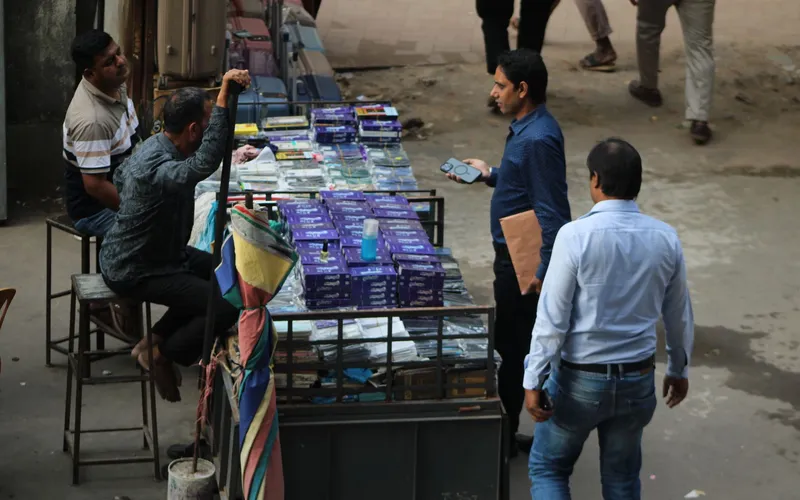
For the traveller, the practical advice is simply to be prepared: have your passport to hand when you buy a SIM, allow a little time for the registration to be completed, and follow the vendor's instructions. Buying from an official telecom store or a reputable outlet at the airport makes the process smoother than a random street stall. It is a minor hurdle, but an unregistered SIM may not work, so it is worth getting right on arrival if you want to be connected.
Budgeting for the extras
None of these fees is large, but a sensible traveller budgets for them so they do not come as a shock. Set aside a cushion of pesos, in small notes, specifically for the fees you will meet along the way: the terminal charge at a regional airport, the environmental fees at each island or beach, the odd local levy. Over a multi-stop trip through several islands, these can add up to a noticeable sum, and they are almost always payable in cash.
Factoring them in from the start turns them from an irritant into a non-event. They are, after all, mostly small conservation and infrastructure charges that support the places you are visiting, and paying them is part of travelling responsibly. Building them into your budget, rather than being surprised by them, is simply good planning, and our cost guide helps you estimate the whole picture.
A few tips to avoid surprises
To keep the fees from tripping you up, a handful of habits help. Always carry a reserve of pesos in small denominations, since card payment is rarely accepted for these charges. Check before each flight whether the terminal fee is included in your ticket or payable at the airport, especially at smaller gateways. Keep your passport accessible for SIM registration and any fee that requires identification.
Finally, keep your entry formalities in order alongside the fees. The Philippines requires an online arrival registration through its eTravel system before you fly, and getting that done in advance is one less thing to worry about on arrival; our guide to the Philippines eTravel entry requirements covers it. With the fees budgeted, the formalities handled and some cash in hand, none of this need cause a moment's stress, and you can get on with the far more pleasant business of enjoying the islands.
Cash, ATMs and paying these fees
A common thread runs through nearly all these charges: they are paid in cash, in Philippine pesos, and often in exact or small amounts. This makes managing your cash one of the quiet practical skills of a Philippines trip. ATMs are widely available in cities and larger towns, but they can be scarce, unreliable or empty on smaller islands and in remote areas, and many charge a withdrawal fee on top of your own bank's. The sensible habit is to withdraw enough pesos before you head somewhere remote, rather than assuming a machine will be waiting.
Keep a stock of small-denomination notes specifically for fees, as a beachside environmental-fee kiosk or a tricycle driver rarely has change for a large bill. Do not rely on paying these charges by card, which is seldom accepted for terminal fees, environmental fees or local transport. And do not expect to pay in US dollars; while dollars can be exchanged, the fees themselves are peso charges.
The broader point is that cash discipline underpins smooth travel in the Philippines far more than in a card-first country. Withdraw ahead of remote legs, keep a float of small notes, and treat pesos as the essential travel tool they are. Get this right, and the various fees become a minor, well-oiled part of the journey rather than a recurring scramble at every airport gate and island pier.
What to Do Next
- Remember that tourists staying under a year are exempt from the departure travel tax, though the airport terminal fee still applies to all.
- Check whether your terminal fee is bundled into your ticket or payable in cash at the airport, especially at smaller gateways.
- Budget for destination environmental and terminal fees, such as Boracay's iPass and El Nido's lagoon fee, and carry cash for them.
- Register any local SIM card with your passport when you buy it, as required by law.
- Complete your eTravel arrival registration online before you fly, and keep a reserve of small pesos for fees along the way.
Frequently Asked Questions
Do tourists have to pay the Philippine travel tax?
No. Foreign tourists who have stayed in the Philippines for less than one year are exempt from the departure travel tax. It is sometimes confused with the airport terminal fee, which is a separate charge that does apply to all departing passengers, so check which you are being asked to pay.
How much is the airport terminal fee in the Philippines?
The international departure charge is around 950 pesos and the domestic charge around 390 pesos, following recent increases. At major airports like Manila it is usually bundled into your airfare, but at some smaller regional and island airports it may still be collected in cash on departure.
What environmental fees will I pay in the Philippines?
Many popular destinations charge environmental and terminal fees on arriving visitors, such as Boracay's environmental fee, now collected via a digital iPass, and El Nido's environmental user fee for its lagoons. These are usually a few hundred pesos, fund conservation, and are typically payable in cash.
Do I need to register a SIM card in the Philippines?
Yes. Philippine law requires all SIM cards to be registered to an identified user, including tourists. When you buy a local prepaid SIM, you must register it, usually with your passport, before it works fully. Buy from an official store and have your passport ready to make the process smooth.
Is the terminal fee included in my plane ticket?
Often, but not always. At major airports such as Manila the passenger service charge is generally included in the airfare, but at some smaller regional and island gateways it is still collected separately in cash at departure. Check before each flight and keep some pesos in reserve.
What should I budget for extra fees in the Philippines?
Set aside a cushion of pesos in small notes for terminal fees at smaller airports, environmental fees at islands and beaches, and other local levies. Individually small, they add up over a multi-island trip and are almost always cash only, so budgeting for them avoids surprises.
Keep reading
More from the ground · Philippines