Visa-Free Entry and Extending Your Stay in the Philippines in 2026
For most travellers, entering the Philippines is refreshingly simple: citizens of a long list of countries receive a free thirty-day stay on arrival, with no visa required in advance. But the picture becomes more useful, and a little more nuanced, the moment you want to stay longer, which slow travellers very often do. The good news is that the Philippines is unusually generous about extensions, allowing visits to be stretched to many months. This guide explains how visa-free entry works in 2026, how to extend your stay, and why the much-advertised eVisa is, for most visitors, something to ignore entirely.
As with all entry rules, the details can change and are worth confirming close to your trip. Everything here reflects the situation as understood in 2026, but you should always check the current requirements on official Philippine government sources before you travel. Treat this as a clear guide to how the system works, not a substitute for the latest official information.
The 30-day visa-free entry
The foundation of Philippine entry for most tourists is the visa-free stay. Citizens of around a hundred and sixty countries, including the United States, the United Kingdom, Canada, Australia and all of the European Union, are granted thirty days visa-free on arrival, simply by turning up with the right documents. There is no need to apply for anything in advance beyond the standard entry requirements, which makes the Philippines one of the easier countries in the region to enter for a short trip.
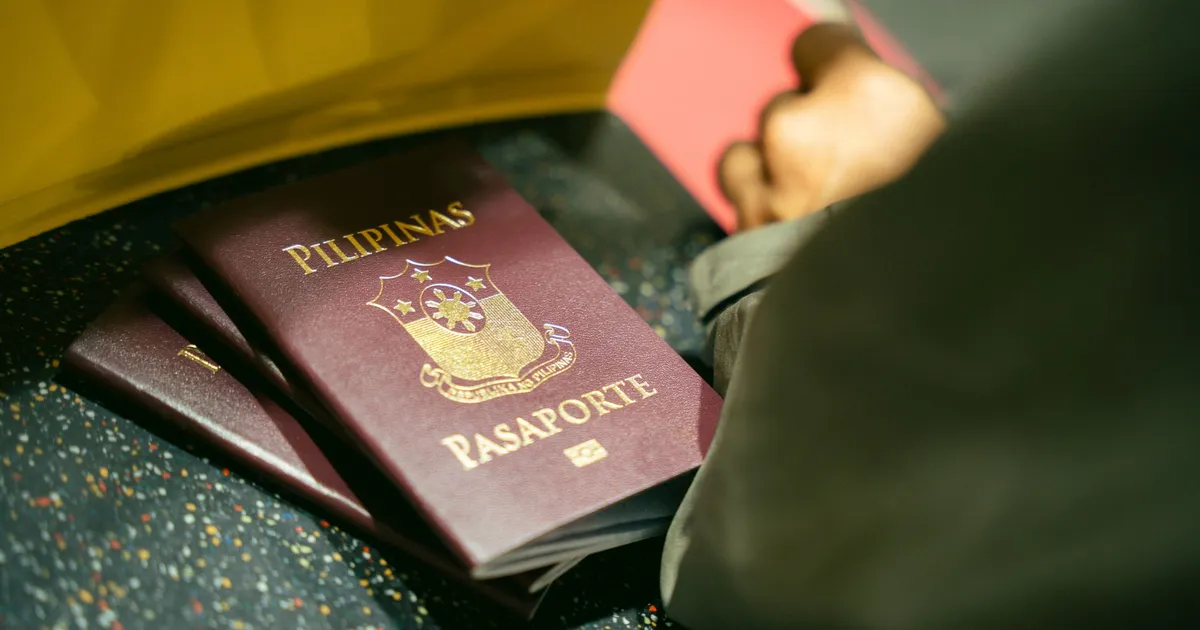
To qualify, you need a passport valid for at least six months beyond your intended stay, and proof of onward or return travel, typically a ticket out of the country. You will also need to complete the country's online arrival registration before you land. These requirements are standard, but they are enforced, so make sure you have them in order, particularly the onward ticket, which airlines and immigration may check.
One request. Up to five tailored proposals.
Skip contacting agencies one by one — share your trip once and let up to five trusted Philippines agencies come to you. Free, with no obligation.
Get my free quotesThe eTravel registration you must not forget
Separate from any visa question, all arriving travellers must complete the Philippines' online arrival registration, known as eTravel, before they land. This free registration must be submitted within a short window before arrival, and it is a requirement regardless of your visa status. It is easy to overlook amid the focus on visas, but skipping it causes problems at the airport, so it should be on every traveller's pre-flight checklist.
Because the eTravel system is a distinct and important step in its own right, we cover it fully in our dedicated guide to the Philippines' eTravel system and 2026 entry requirements. Read that alongside this guide, as the two together, the visa position and the eTravel registration, cover the essentials of getting into the country smoothly.
Extending your stay: the slow traveller's friend
Here is where the Philippines becomes especially appealing for slow travel. The initial thirty-day visa-free entry is not the limit of your stay; it can be extended, and generously so. Travellers can extend the visa-free entry by an additional period at the Bureau of Immigration, bringing an early extension to a total of around fifty-nine days, and further monthly extensions are possible beyond that, up to a substantial cumulative maximum measured in years rather than weeks.
In practice, this means you can legally stay in the Philippines for many months on what began as a simple visa-free entry, by visiting a Bureau of Immigration office and paying the relevant fees to extend. For anyone wanting to travel the archipelago slowly, lingering on islands and exploring at an unhurried pace, this flexibility is a genuine gift, removing the pressure to rush that a strict thirty-day limit would impose. It is one of the practical reasons the Philippines suits long, slow trips so well.
Get matched with up to 5 trusted Philippines agencies
- Free
- No obligation
- Up to 5 agencies
How extensions work in practice
Extending is a straightforward administrative process, but it rewards a little planning. Extensions are handled by the Bureau of Immigration, which has offices in major cities and many tourist areas, and you apply in person before your current permitted stay expires. You will need your passport, and to pay the applicable fees, which increase with the length and number of extensions. The first extension is the most commonly used, taking a typical thirty-day stay up to around two months.
The key discipline is to keep track of your permitted-stay date and to extend before it expires, rather than overstaying, which incurs fines and complications. Plan your extension a few days before your current stay runs out, allow time for the office visit, and keep your paperwork in order. Building these small administrative tasks into a longer itinerary is simply part of travelling slowly and well, and our plan your journey page can help you structure a longer stay so the paperwork never becomes a scramble.
The eVisa: why most tourists should ignore it
A common source of confusion is the Philippine eVisa, an online visa portal that the country has expanded to applicants in a number of eligible countries. It sounds convenient, and for some travellers it is genuinely useful, but for the majority of visitors it is a trap to avoid. If you are from a visa-free country, applying for an eVisa is actively worse than simply arriving visa-free: it costs money, it typically cannot be extended, and it cannot be converted to another visa type, whereas your free thirty-day entry can be extended and converted.
The eVisa exists for a specific group: nationals who do require a visa for the Philippines but who happen to reside in one of the eligible countries, letting them apply online rather than queuing at an embassy. If that does not describe you, ignore it. Most tourists simply need their free visa-free entry on arrival, which is more flexible and costs nothing. Understanding this distinction saves money and avoids a genuine mistake that catches out the unwary.
Putting your entry plan together
For most slow travellers, the plan is therefore simple and reassuring. Confirm that your nationality qualifies for visa-free entry, ensure your passport has at least six months' validity and you have an onward ticket, complete the eTravel registration before you fly, and arrive to receive your free thirty-day stay. If you want longer, plan to extend at the Bureau of Immigration before your stay expires, which opens up months of unhurried travel.
Beyond the paperwork, budgeting for extension fees and factoring in the odd immigration-office visit is part of planning a longer trip, and our Philippines budget guide can help you account for these small but real costs. With the entry and extension picture understood, you are free to focus on the country itself, exactly as our slow traveller's guide to the Philippines intends.
Longer stays and other options to know
While the extendable visa-free entry covers most travellers beautifully, it is worth knowing the broader landscape for anyone contemplating a really long or particular kind of stay. If you intend to remain in the country for a very extended period, or to do more than tourism, the Bureau of Immigration offers longer-term and special visa categories, and there are dedicated routes for retirees and certain long-stay visitors. These are beyond the scope of a normal tourist trip, but knowing they exist is useful if your plans grow.
For the overwhelming majority of slow travellers, though, the practical reality is simpler than the range of options suggests. The extendable thirty-day visa-free entry is generous enough to accommodate trips of many months without any special visa at all, which is why it, rather than any formal visa, is the workhorse of long, slow travel in the Philippines. Understanding that you can simply keep extending, up to a substantial cumulative limit, removes most of the anxiety around staying longer.
The sensible approach is to start with the visa-free entry, extend as needed while you travel, and only look into other categories if your stay becomes genuinely long-term or your purpose changes. Keep your paperwork organised, track your dates, and treat the occasional immigration-office visit as a minor errand rather than a burden. Handled this way, the Philippines is one of the most accommodating countries in the region for travellers who want to stay a while, which is a large part of what makes it such a rewarding place to explore slowly. In a region where entry rules are often tightening, the Philippines stands out for how comfortably it lets a curious traveller settle in and stay, and that generosity is worth planning your trip around.
What to Do Next
- Check that your nationality qualifies for the thirty-day visa-free entry, as most do.
- Ensure your passport is valid for at least six months and that you have proof of onward travel.
- Complete the eTravel online registration within the required window before you land.
- If you want to stay longer, plan to extend at the Bureau of Immigration before your permitted stay expires.
- Budget for extension fees and the occasional immigration-office visit on a longer trip.
- Ignore the eVisa if you are from a visa-free country, and confirm current rules using our plan your journey page.
Frequently Asked Questions
Do I need a visa to visit the Philippines?
Most travellers do not. Citizens of around a hundred and sixty countries, including the US, UK, Canada, Australia and the EU, receive a free thirty-day stay on arrival, provided they have a passport valid for six months, an onward ticket and completed eTravel registration.
Can I extend my stay in the Philippines?
Yes, and generously. You can extend the initial thirty-day visa-free entry at the Bureau of Immigration, first to around fifty-nine days and then in further monthly increments, up to a large cumulative maximum measured in years. Extend before your current stay expires.
What is eTravel and do I need it?
eTravel is the Philippines' mandatory online arrival registration, which all travellers must complete within a short window before landing, regardless of visa status. It is free but required, and skipping it causes problems at the airport.
Should I apply for the Philippine eVisa?
If you are from a visa-free country, no. The eVisa costs money, usually cannot be extended or converted, and is worse than your free thirty-day entry. It exists only for visa-required nationals residing in eligible countries who want to apply online.
How do I extend my visa-free stay?
Apply in person at a Bureau of Immigration office before your current permitted stay expires, bringing your passport and paying the applicable fees. Offices are in major cities and many tourist areas, and the first extension typically takes you to around two months.
What happens if I overstay?
Overstaying incurs fines and administrative complications that grow with the length of the overstay. It is easily avoided by tracking your permitted-stay date and extending in good time, which is why keeping your paperwork organised matters on a longer trip.
Keep reading
More from the ground · Philippines