Conservation Over Crowds: How Thailand's National Parks Are Changing in 2026
For years the story of Thailand's most famous natural places was a story of too many people. Beaches loved into exhaustion, reefs bleached under the wash of a thousand day-boats, headline sites that had become photographs of themselves. In 2026 the story is quietly changing, and the change is being written by the authorities themselves: closures, caps and booking systems that put the health of a place ahead of the number of visitors it can absorb. For slow travellers, this is not bad news. It is a direction of travel worth understanding.
The shift is not one dramatic policy but a pattern of small, firm decisions across the country's marine and forest parks. Taken together, they signal something larger than a set of rules. Thailand is beginning to treat its natural capital as finite, and to manage it accordingly. That has real consequences for how, and when, you plan a trip here.
A season of closures, by design
The most visible expression of the new approach is the closure calendar. Thailand's Department of National Parks now routinely shuts marine parks for months at a time so reefs and marine life can recover away from human pressure. The Similan and Surin Islands, among the country's premier diving and snorkelling destinations, close each year from mid-May to mid-October; in 2026 the Similan and Surin closure runs from 16 May to 14 October. These are not weather closures dressed up as conservation; they are deliberate rest periods, timed to the monsoon so the ecological benefit is greatest.
Maya Bay, the cove made famous by a film and then nearly destroyed by its own fame, observes an annual rest closure of its own, typically across the low-season months, on top of daily limits. The message is consistent across the system: a park is not an open shop. It has hours, seasons and a carrying capacity, and increasingly those limits are enforced rather than merely printed on a sign.
One request. Up to five tailored proposals.
Skip contacting agencies one by one — share your trip once and let up to five trusted Thailand agencies come to you. Free, with no obligation.
Get my free quotesWhy Thailand is choosing conservation over crowds
Behind the closures sits a change in thinking that has been building for several years. The near-death of Maya Bay taught tourism planners a lesson that pure visitor numbers had obscured: a destination degraded is a destination devalued. A reef that is bleached and lifeless draws no divers; a beach fringed with litter and diesel haze commands no premium. Conservation, in this framing, is not the enemy of the tourism economy but its long-term guarantor.

This dovetails with a wider recalibration in Thai tourism away from sheer volume and towards value and quality, a theme we explore in why value is the new volume in Thai tourism. Fewer, better-managed visitors who stay longer and spend more thoughtfully are worth more to a place than a crowd that overwhelms it. The parks are where that philosophy becomes concrete, because a coral reef offers no room for wishful thinking: either you protect it or you lose it.
The Similan and Surin lesson
The Similan and Surin closures are the clearest case study in the new model, and they are instructive precisely because they are inconvenient. For nearly five months a year, some of Thailand's best underwater scenery is simply off-limits. During the open season the parks add further friction: advance e-ticket booking, daily visitor caps, and limits on where boats can go and anchor. A traveller who turns up expecting to buy a ticket at the pier on the day may find the day's quota already gone.
For the slow traveller this friction is a feature, not a bug. It thins the crowds, protects the experience, and rewards those who plan. It also reshapes the calendar: if you want the Similans, you come between late October and mid-May, and you book ahead. The alternative is to accept that some places are closed when you happen to be there, and to build your trip around what is open and healthy rather than around a checklist of famous names.
Get matched with up to 5 trusted Thailand agencies
- Free
- No obligation
- Up to 5 agencies
Maya Bay, five years on
Maya Bay is the emblem of the whole shift. Reopened after a long full closure, it now runs on a tight set of rules designed to keep it from being ruined again: capped opening hours, an entry fee, no swimming beyond knee depth, boats kept out of the bay itself and anchored offshore, visitors funnelled in via a floating pier, and short time slots so no group lingers. On top of that comes the annual seasonal rest.
Some travellers grumble that the bay is no longer the free-for-all it once was. That misses the point. The old free-for-all is exactly what nearly killed it. What Maya Bay demonstrates now is that a site can be both protected and visited, provided the visiting is managed. For anyone weighing whether a famous marine site is worth the effort, our guide to choosing your Thai island by coast and season helps set expectations before you go.
What it means for slow travellers
The practical takeaways are straightforward, and they happen to align neatly with how a thoughtful traveller already moves. Plan around the closure calendar rather than against it. Book marine-park entries and boat trips in advance where e-ticketing applies. Travel in the shoulder months, when parks are open but quieter. And treat the caps and fees not as obstacles but as the price of a place still worth seeing.
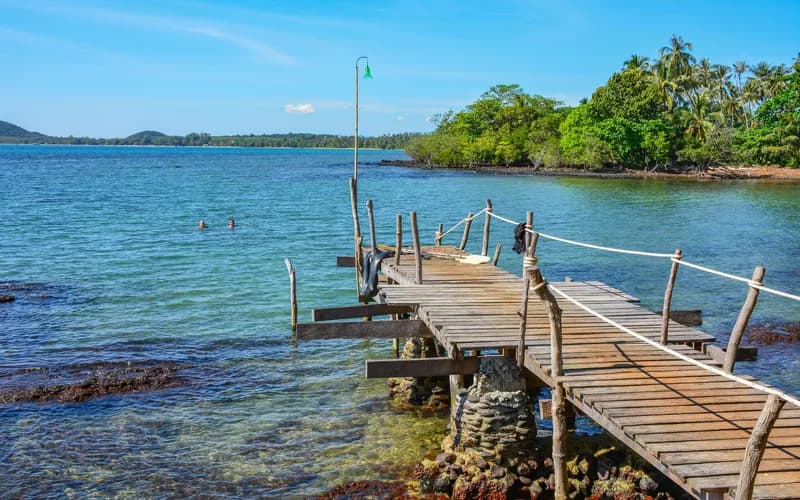
There is also a deeper opportunity here. The parks under the most pressure are, almost by definition, the most famous ones. Thailand's conservation turn is an invitation to look past them towards the many protected areas that never made the highlight reels, where the rules are lighter simply because the crowds never came. This is the same logic that underpins slow travel itself, and it connects directly to Thailand's growing embrace of regenerative and community-based tourism, where visitors are partners in a place rather than a load upon it.
The parks that reward patience
If the marquee marine parks are increasingly rationed, the reward for the patient traveller lies inland and off to the sides. Khao Sok, the ancient rainforest and lake in the south, absorbs visitors without feeling besieged and offers the kind of slow, immersive nature that no capped beach can; our deep dive into Khao Sok National Park and Cheow Lan Lake shows what a few unhurried days there can hold. Across the north and the Isan borderlands, forest parks and river valleys see a fraction of the coastal traffic.
Choosing these places is not a consolation prize. It is, increasingly, the better trip. As the famous sites tighten, the quiet ones offer what the crowds once came for and lost. For help weaving them into a coherent route, our guide to Thailand off the beaten path is a good starting point, and a local specialist listed on our Thailand travel agencies page can help time your visits around the closures.
The traveller's part in the bargain
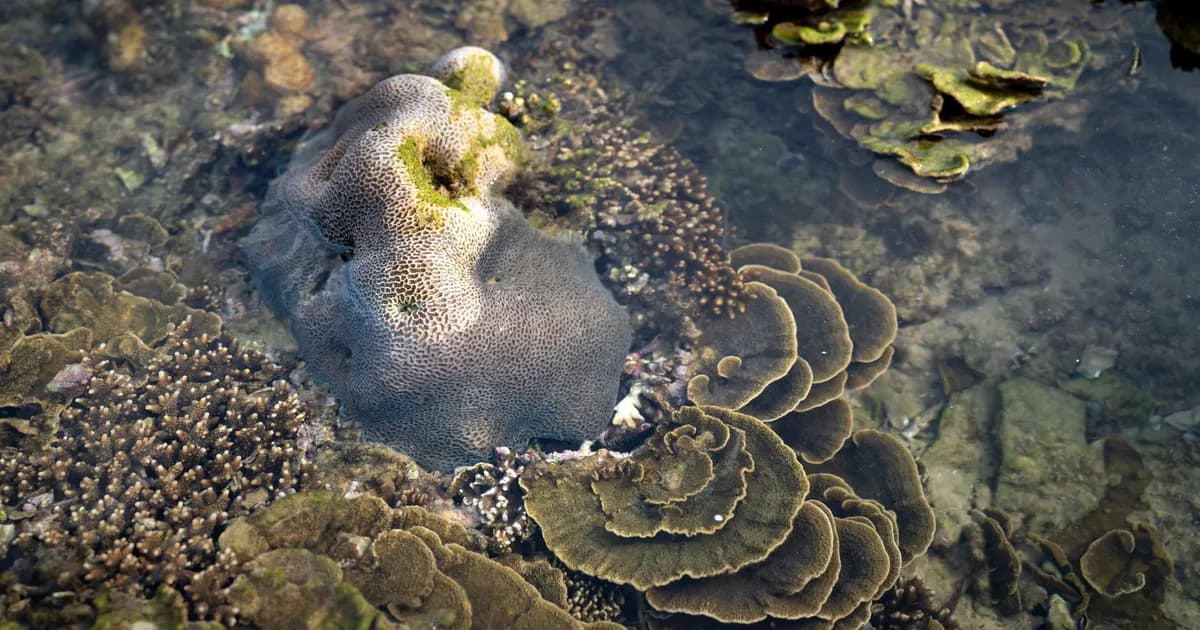
Rules from above only work if travellers meet them halfway, and this is where the slow traveller has an outsized role to play. The parks can cap numbers and close for a season, but they cannot stand over every snorkeller. Reefs are damaged as much by small careless acts, a fin kicked into coral, a hand steadying against a living reef, a bottle of oxybenzone sunscreen, as by sheer numbers. Choosing reef-safe sunscreen, keeping a respectful distance from marine life, and never standing on or touching coral are the quiet contributions that make the caps meaningful.
The choice of operator matters just as much. A boat captain who anchors carefully, briefs guests properly and keeps to the rules is doing conservation work; one who races the quotas and cuts corners is undoing it. Paying the park fees without resentment is part of the same bargain: those fees, and the dual-pricing that funds them, pay for the rangers, patrols and reef surveys that keep a place alive. For the traveller, the reward is not only a cleaner conscience but a better experience, because a healthy reef is simply more beautiful than a damaged one. The conservation turn asks something of visitors, and gives more back than it takes. Slow travellers, who tend to arrive with time and attention rather than a checklist, are well placed to hold up their end.
What to Do Next
- Check the closure calendar for any marine park on your list before fixing dates; assume Similan and Surin are shut from mid-May to mid-October.
- Book e-tickets and boat trips in advance for capped sites, rather than relying on same-day tickets at the pier.
- Aim for the shoulder months, when parks are open but the crowds and prices are lower.
- Balance one or two famous sites against several lesser-known parks that reward slow, unhurried visits.
- Build your route with the closures in mind, using a specialist if you want the timing handled for you.
Frequently Asked Questions
When are the Similan and Surin Islands closed in 2026?
The Similan and Surin marine parks close from 16 May to 14 October 2026 to let reefs and marine life recover. They are open the rest of the year, but with advance e-ticket booking and daily visitor caps during the open season.
Is Maya Bay open in 2026?
Yes, within limits. Maya Bay operates on capped hours, an entry fee, no-swimming rules beyond knee depth, and offshore anchoring with access via a floating pier, plus an annual seasonal rest closure. It is very much visitable, but it is managed rather than open-ended.
Why is Thailand closing its national parks?
The closures are deliberate conservation measures, not just weather-related pauses. They give reefs, beaches and wildlife time to recover from tourism pressure, reflecting a broader shift towards protecting the natural assets that draw visitors in the first place.
Do these rules make Thailand harder to visit?
Only if you plan against them. The caps, fees and closures reward travellers who book ahead and stay flexible, and they thin the crowds at the sites that remain open. For slow travellers, that is largely a gain.
Which Thai parks are easier to visit without caps?
Inland forest parks such as Khao Sok, and many lesser-known reserves across the north and Isan, see far less pressure than the famous marine parks and rarely impose the same restrictions. They often deliver a deeper nature experience for the patient traveller.
Do I need to book national park entry in advance?
For the busier marine parks with e-ticketing, yes, especially in high season when daily quotas fill. For quieter inland parks you can usually still pay on arrival, though it is wise to check current rules for any specific park before you go.
Keep reading
More from the ground · Thailand