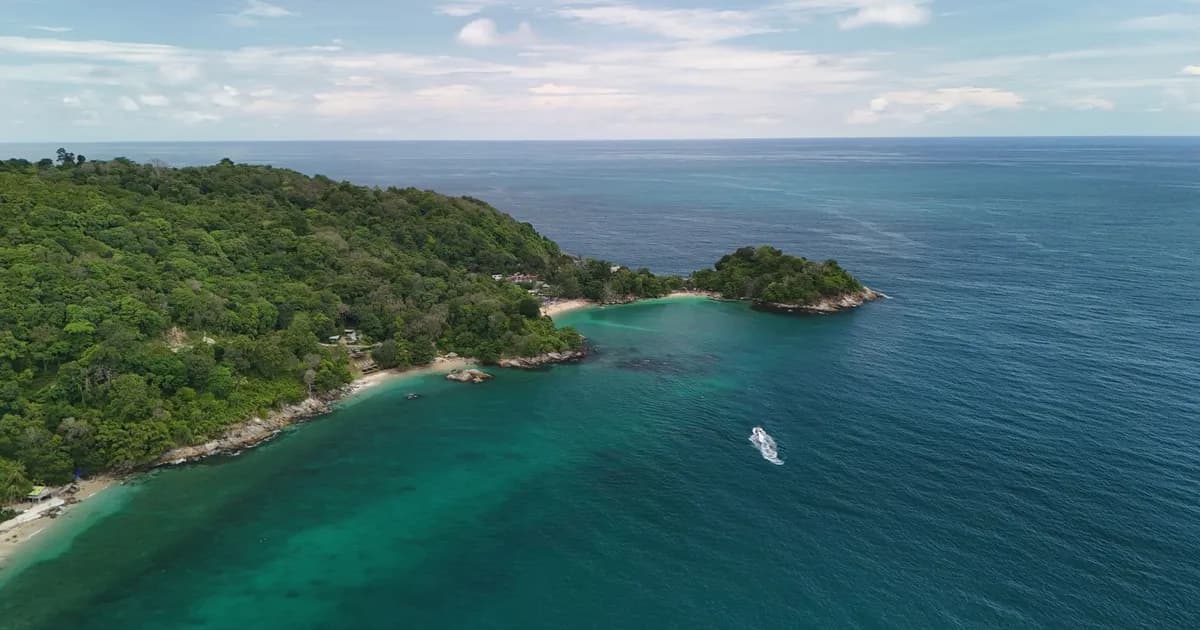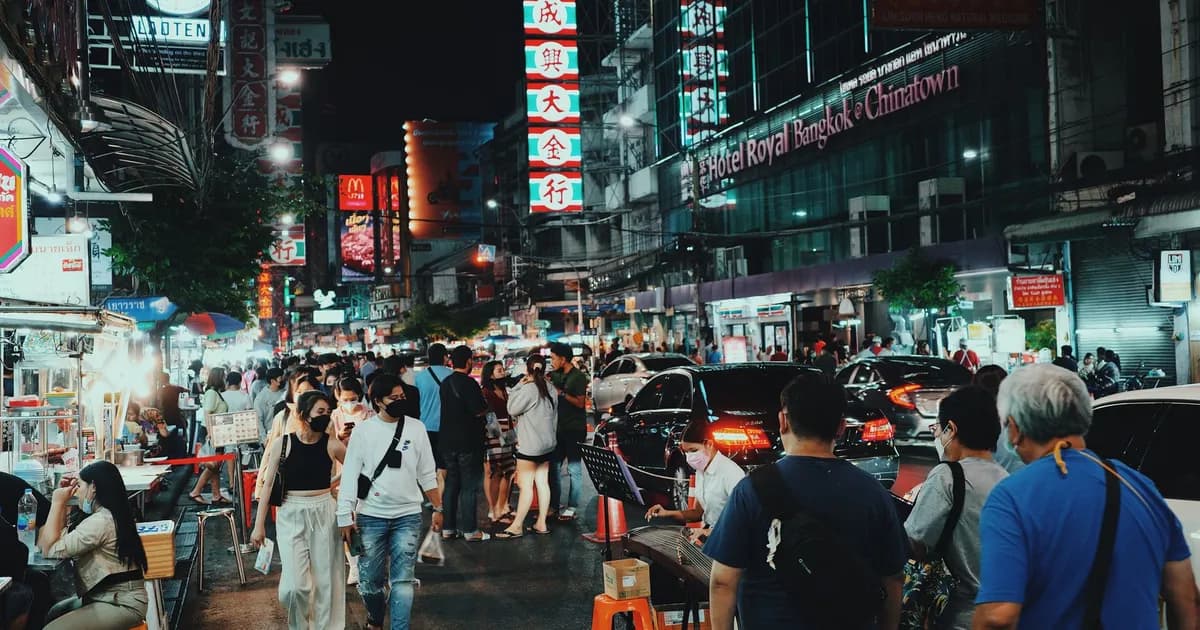
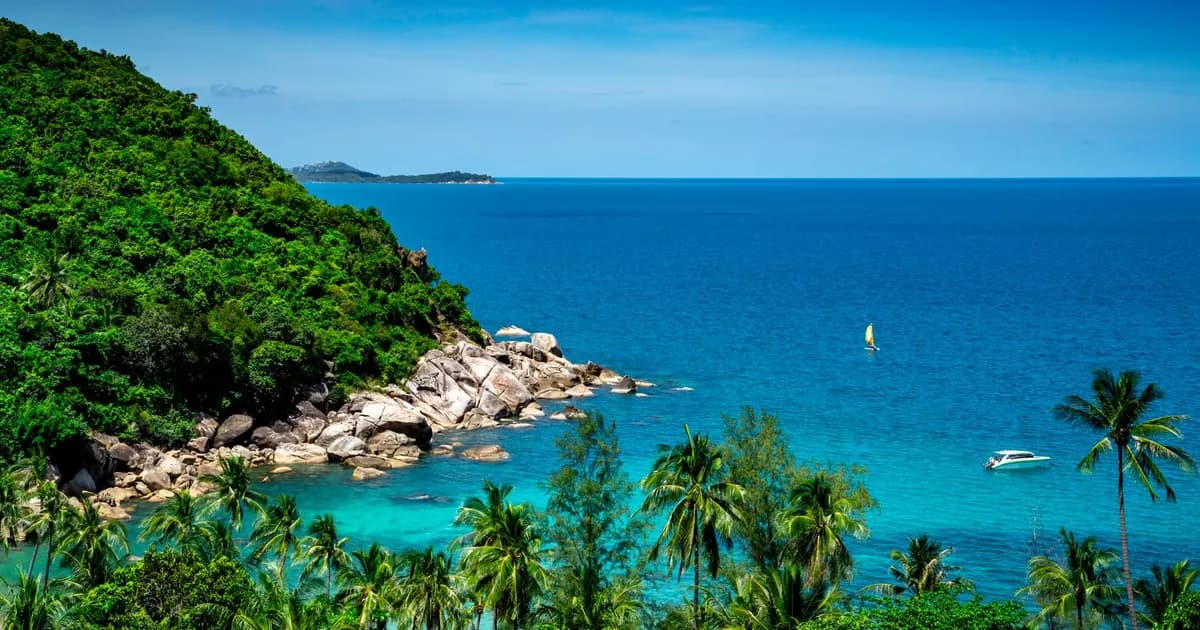

When the third season of a hit HBO series was filmed across Koh Samui, Phuket, and Bangkok and released in early 2025, it did what travel marketing rarely manages: it turned a handful of Thai islands into objects of global desire overnight. The "White Lotus effect" has since become shorthand for a real and measurable shift in where visitors go — and a useful lens for understanding both Thailand's overtourism problem and the case for travelling it differently.
A Show Becomes a Travel Trend
Screen tourism is not new — destinations have ridden the coattails of films and series for decades — but the scale and speed of the recent surge has been striking. Searches, bookings, and arrivals to the featured islands jumped in the show's wake, and luxury resorts associated with the production reported a wave of demand. For a country already welcoming tens of millions of visitors a year, a sudden spotlight on two of its most popular islands did not spread the load — it concentrated it further.
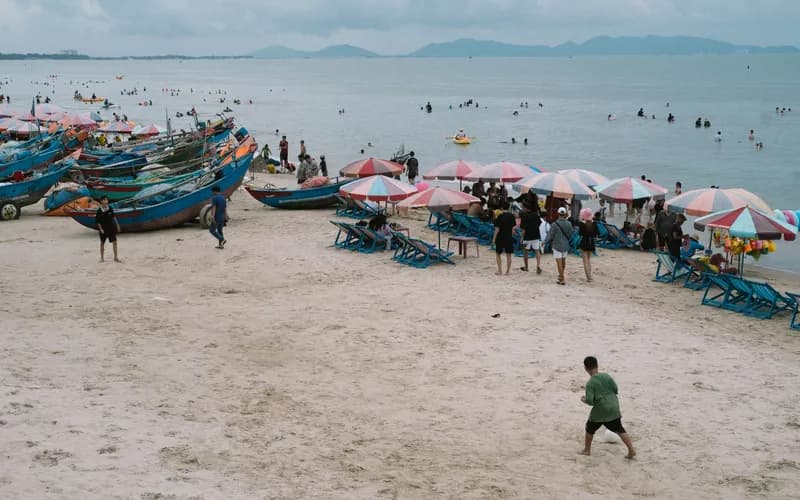
The result has been stark. Phuket has been ranked the world's most over-touristed city by some measures, with an extraordinary ratio of visitors to residents, and Koh Samui has found itself at a pivotal moment, scrambling to manage rising numbers without losing the character that made it appealing in the first place.
One request. Up to five tailored proposals.
Skip contacting agencies one by one — share your trip once and let up to five trusted Thailand agencies come to you. Free, with no obligation.
Get my free quotesWhat Overtourism Actually Costs
The damage from concentration is not abstract. On the most popular islands, local communities contend with soaring rents that price out residents, water shortages during peak season, strained waste systems, and reefs and beaches worn down by sheer volume. The very things visitors arrive to see — clear water, quiet sand, a sense of place — are the first casualties of too many people arriving to see them.
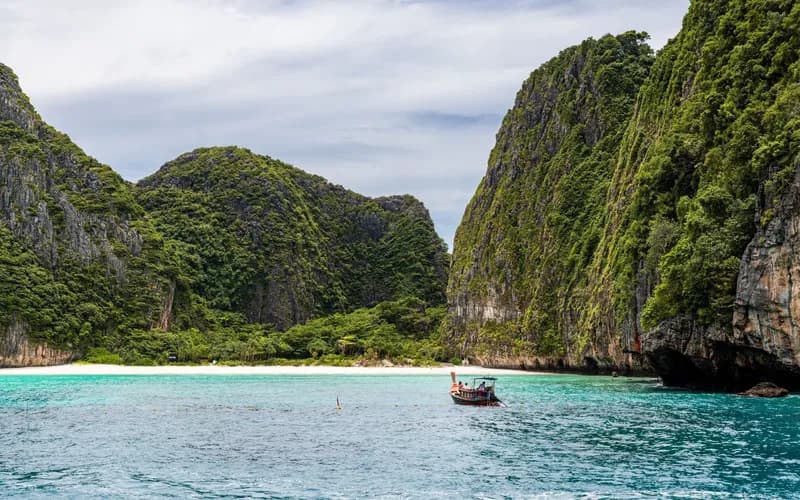
Thailand has been here before. Maya Bay, made famous by an earlier film, was closed entirely for years to let its ecosystem recover, and now operates under strict visitor caps. That episode became the template for a wider realisation: some places cannot absorb unlimited demand, and managing them means limiting them.
The Official Response: Caps and Diversification
Thai authorities have responded on two fronts. The first is management — visitor caps at the most fragile sites, tighter controls on numbers, and a growing willingness to close or restrict access to let nature recover. The second is diversification: the Tourism Authority of Thailand is now actively marketing lesser-known destinations — Nan, Trang, Sukhothai among them — precisely to draw visitors away from the saturated islands and spread tourism's benefits across more of the country.
This is a quiet endorsement of what slow travelers have long understood. The map of Thailand is far larger than its handful of famous names, and the quieter regions are not lesser experiences — they are frequently better ones, as our guide to Thailand off the beaten path lays out in detail.
Get matched with up to 5 trusted Thailand agencies
- Free
- No obligation
- Up to 5 agencies
What It Means for How You Travel
The White Lotus effect is, in the end, a useful warning and a useful invitation. The warning: the most-hyped destinations are often the ones most degraded by their own popularity, and arriving in peak season expecting paradise can mean queues, inflated prices, and crowded beaches instead. The invitation: the antidote is already well mapped.
Travelling against the concentration — choosing a quieter island over the famous one, staying longer in fewer places, visiting in shoulder seasons, and letting a region reveal itself rather than racing through its highlights — is both better for the places you visit and better for your own experience of them. It is the difference between seeing a beach and understanding a coastline. This is the heart of our slow travel charter, and the philosophy the agencies in our certified network are built around. For how to time and route a trip that sidesteps the crowds, our guide to where to go and when is the place to start.
Frequently Asked Questions
What is the White Lotus effect?
It refers to the surge in tourism to Thai destinations — particularly Koh Samui and Phuket — following the filming and release of a hit HBO series there in 2025. It is a recent, high-profile example of screen tourism concentrating visitors onto already-popular places.
Is Phuket too crowded to visit?
Phuket has been ranked among the world's most over-touristed places, and in peak season its busiest areas can feel overwhelming. It remains beautiful, but travelers seeking quiet are increasingly choosing lesser-known islands like Koh Mak, Koh Kood, or Koh Yao Noi, or visiting Phuket's quieter corners in shoulder season.
How is Thailand responding to overtourism?
On two fronts: managing the most fragile sites with visitor caps and closures — as with Maya Bay — and actively promoting lesser-known destinations such as Nan, Trang, and Sukhothai to spread visitors more evenly across the country.
How can I avoid contributing to overtourism in Thailand?
Choose quieter destinations over the most hyped ones, travel in shoulder seasons, stay longer in fewer places, and support locally owned accommodation and operators. This reduces pressure on saturated sites and tends to produce a richer, better-value trip.