Vietnam's Concert Boom: How Music Festivals Are Reshaping 2026 Travel
For years, Vietnam's tourism story was told through its landscapes and its food. In 2026 a new chapter is being written on stages and festival fields. A wave of large-scale concerts and homegrown music festivals is drawing a younger, experience-hungry visitor to Ho Chi Minh City and Hanoi, filling hotels, packing flights and reshaping when and why people come. It is one of the more surprising shifts in the current travel landscape, and while it may seem the opposite of slow travel, it has real implications for anyone planning a trip, whatever their pace.
This is not a fringe phenomenon. Music festivals and international performances have become genuine tourism magnets, driving measurable spikes in visitor arrivals, hotel occupancy and domestic flights around major event dates. For the thoughtful traveller, the interesting question is not whether to chase the crowds, but how to understand this new rhythm and use it, either by building a memorable night into a deeper journey or by deliberately travelling around it.
What is actually happening
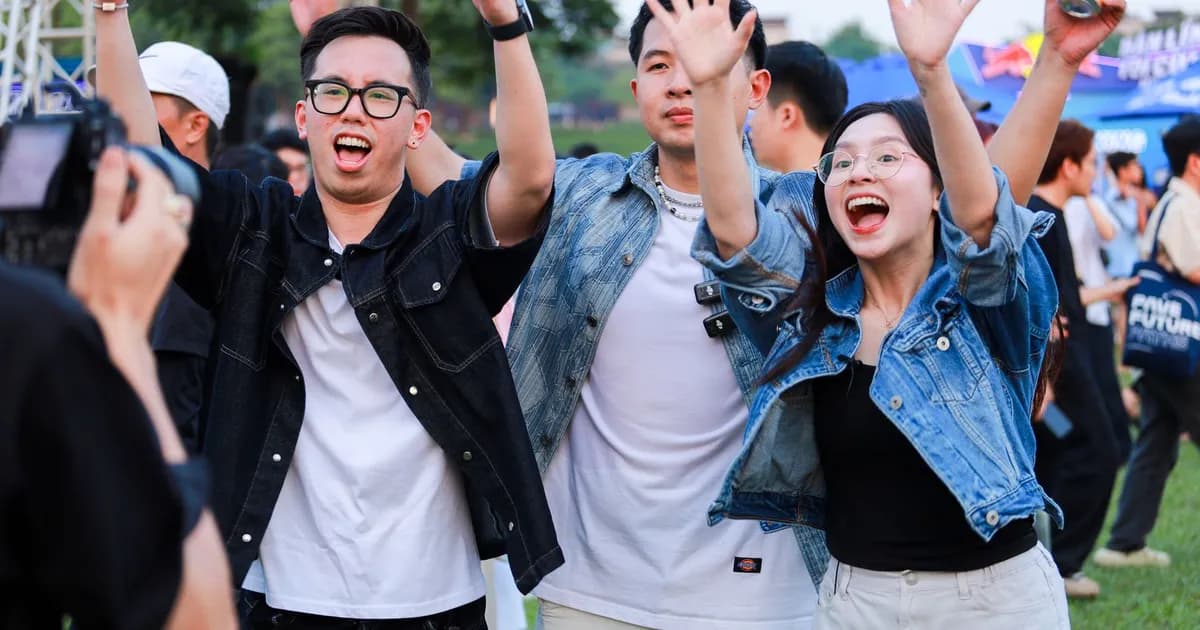
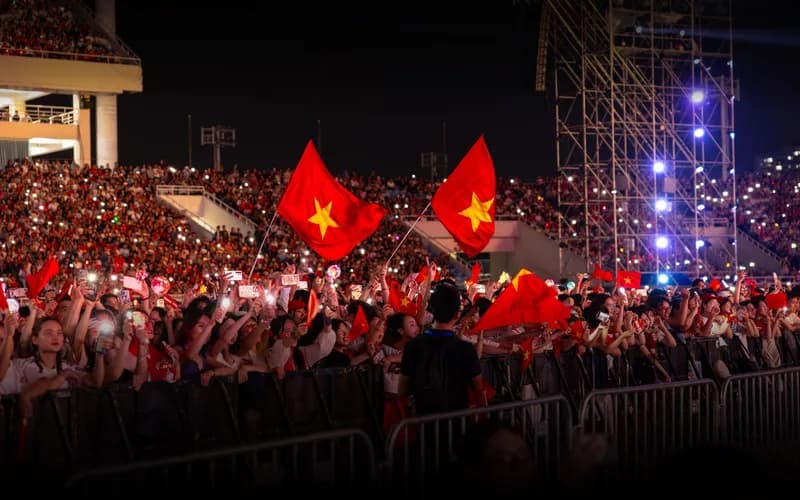
Vietnam is positioning itself as a rising regional hub for entertainment-led tourism. Large festivals such as 8Wonder, Ravolution and Dream Cities have grown into events that pull visitors from across the country and increasingly from around the region, while a steady stream of international artists now include Vietnam on their Asian tours. The result is that Ho Chi Minh City and Hanoi see sharp, concentrated surges in demand around big event weekends, with hotels, restaurants and transport all feeling the lift.
Underpinning this is a young population with a growing appetite for spending on experiences rather than possessions. That generational shift, combined with a strong recovery in international arrivals, has made entertainment a serious pillar of Vietnam's tourism strategy rather than a sideshow. The country is actively courting the events industry, and the trend shows every sign of accelerating through 2026 and beyond.
One request. Up to five tailored proposals.
Skip contacting agencies one by one — share your trip once and let up to five trusted Vietnam agencies come to you. Free, with no obligation.
Get my free quotesWhy it matters even if you never buy a ticket
You might reasonably ask why a festival boom should concern a traveller drawn to rice terraces and quiet coasts. The answer is practical: these events move the market. On a big concert weekend in Ho Chi Minh City or Hanoi, room rates rise, popular hotels sell out, and flights into the city fill up, which can quietly derail an unsuspecting itinerary. Knowing the major event dates in advance lets you plan around them, avoiding the crush and the price spikes if a party weekend is not what you came for.
The flip side is opportunity. If you enjoy live music, a festival or a major concert can become a genuine highlight, a night of shared energy that connects you to young Vietnam in a way a temple visit never will. The trend also spreads spending into the evening economy, and cities are responding, as we will see, which enriches the after-dark experience for everyone. Understanding the calendar simply gives you the choice.
The rise of the night economy
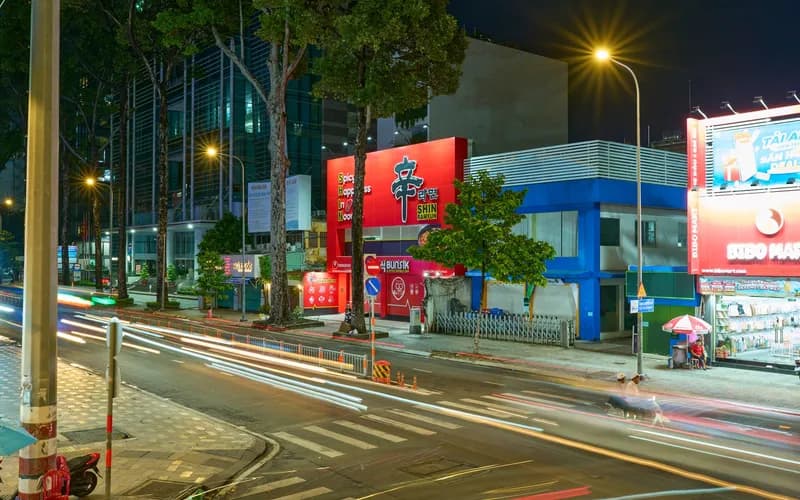
The concert boom is part of a broader shift towards after-dark tourism, particularly in Ho Chi Minh City, where businesses are increasingly reshaping their offer around night-time visitors. Scooter-based night food tours, late-opening cultural venues, new museums and rooftop walkways are all part of a deliberate push to build a richer night-time economy, turning the hours after sunset into a destination in their own right rather than dead time before bed.
For a slow traveller, this is a welcome development, because the evening is often when a city reveals its real character. Wandering a night market, joining a food tour through backstreets or simply sitting with a coffee watching the city move is exactly the kind of unhurried, immersive experience that rewards staying put for a few days rather than racing on. The festivals grab the headlines, but the quieter growth of the night economy may matter more to the average visitor.
Get matched with up to 5 trusted Vietnam agencies
- Free
- No obligation
- Up to 5 agencies
Fitting a concert into a slower trip
The art, for anyone who wants both depth and a little spectacle, is to fold an event into a broader, slower journey rather than building the whole trip around it. A single memorable night at a festival in Ho Chi Minh City sits perfectly at the start or end of a longer, gentler loop through the country. You arrive, enjoy the energy of the city and the event, then decompress somewhere quiet, letting the contrast sharpen both experiences.
This is where the premiumisation trend and the events boom meet. Vietnam is increasingly attracting travellers who spend more and seek richer experiences, a shift we explore in our piece on the country's premiumisation and micro-holiday trend. A concert weekend bookended by slow days in the countryside is a very modern way to travel Vietnam, combining a high point with real rest.
The domestic dimension
It would be a mistake to see this as purely an international story. Much of the festival boom is powered by Vietnamese travellers themselves, part of a wider surge in domestic tourism that is reshaping the map from within. Young Vietnamese are travelling across their own country to attend concerts and festivals, filling planes and hotels and driving demand in ways that affect every visitor. We look at this in detail in our piece on Vietnam's domestic travel surge, and it is a big part of why event weekends can feel so busy.
For the foreign traveller, the practical upshot is the same: the domestic calendar matters. A weekend that looks quiet on an international radar may be booked solid because of a concert drawing tens of thousands of Vietnamese fans. Checking the local event calendar before fixing city dates is now a sensible part of planning.
How to travel well through the boom
The sensible response to all this is neither to chase every festival nor to ignore the trend entirely, but to plan with awareness. If you love live music, pick one event and build a few slow days around it, treating it as a highlight rather than the whole holiday. If crowds and noise are not your thing, use the same information to avoid the busiest weekends, keeping your city stays for calmer dates and spending peak event periods in the countryside or on the coast.
Either way, the boom is a reminder that Vietnam is changing fast, and that good planning increasingly means understanding the country's own rhythms, not just the weather and the sights. A good local operator can help you read the calendar and time your trip well, and our directory of Vietnam travel agencies is a sensible place to find that guidance.
Which cities, which seasons
If you want to engage with Vietnam's live-music scene, it helps to know where and when it concentrates. Ho Chi Minh City is the country's entertainment engine, with the largest venues, the most international acts and the most developed night-time economy, making it the natural choice if a big event is your priority. Hanoi has a growing scene of its own with a different, often more culturally inflected flavour, while coastal cities and resort areas increasingly host destination festivals designed to pull visitors for a whole weekend.
Timing matters as much as place. Major festivals and international tours tend to cluster around particular windows, often the drier, cooler months and the run of public holidays when domestic audiences can travel, which is exactly when demand for flights and hotels is already high. That overlap is why event weekends can feel so intensely busy: you are competing not only with concert-goers but with everyone else travelling at a peak time. Checking both the event calendar and the public-holiday calendar together gives you the clearest picture.
For the slow traveller, this knowledge is a planning tool rather than a deterrent. If a festival is your goal, target its city and season deliberately, book early, and give yourself quiet days on either side. If it is not, the same calendar tells you which weekends to keep for the countryside instead. Either way, treating the events scene as part of the country's rhythm, rather than an obstacle to work around, turns a potential frustration into a useful piece of the planning puzzle. It is also a reminder that the best trips are planned around the destination as it actually is, not as it was a decade ago; Vietnam in 2026 is a country where a rice-terrace dawn and a stadium concert can sit within the same fortnight, and the traveller who understands that can have both without either spoiling the other.
What to Do Next
- Before fixing your city dates, check the event calendar for Ho Chi Minh City and Hanoi, as major concerts drive up prices and fill hotels.
- Decide whether you want to include a festival or concert as a highlight, or deliberately avoid the busiest weekends.
- If you go to an event, book accommodation and transport well ahead, because they sell out fast around big dates.
- Explore the growing night economy, from food tours to late-opening cultural venues, as a slow way to experience the cities after dark.
- Bookend any event with quiet days in the countryside or on the coast to balance spectacle with rest.
- Consider a longer, slower trip anchored by a single event, following the spirit of our slow-travel charter.
Frequently Asked Questions
Which are Vietnam's biggest music festivals in 2026?
Large homegrown festivals such as 8Wonder, Ravolution and Dream Cities have become major draws, alongside a growing number of international artists including Vietnam on their Asian tours. Most cluster around Ho Chi Minh City and Hanoi.
How does the concert boom affect ordinary travellers?
Even if you do not attend, big event weekends push up hotel prices and fill flights in Ho Chi Minh City and Hanoi. Checking the event calendar before booking city dates helps you avoid unexpected crowds and cost spikes.
Is this only about international visitors?
No. Much of the boom is driven by Vietnamese travellers attending concerts across their own country, part of a wider domestic tourism surge. This domestic demand is a major reason event weekends can feel so busy.
Can I combine a festival with slow travel?
Yes, and it works well. A single memorable event at the start or end of a longer, gentler loop lets you enjoy the spectacle and then decompress somewhere quiet, sharpening both experiences.
What is the night economy in Vietnamese cities?
It is the growing range of after-dark experiences, especially in Ho Chi Minh City, including scooter food tours, late-opening venues, new museums and rooftop walkways, as cities deliberately build the evening into a destination in itself.
How do I avoid the crowds if I want a quiet trip?
Use the same event calendars to steer clear of the busiest concert weekends, keeping your city stays for calmer dates and spending peak event periods in the countryside or on the coast.