Vietnam's Cruise Surge: What Big Ships Mean for Slow Travellers
On the first morning of 2026, the Celebrity Solstice slid into Ha Long with 3,018 passengers and 1,222 crew. Three days later, the Costa Serena anchored in Nha Trang Bay with close to 3,000 more, most of them European. Ocean cruising has quietly become one of the fastest-moving parts of Vietnam's travel story, and it matters even if you would never set foot on a ship yourself: when several thousand people step ashore for eight hours, the heritage towns and bays that slow travellers love feel it immediately. Understanding the pattern is the easiest way to avoid it, and, more usefully, to use it.
The Numbers Behind the Cruise Comeback
Vietnam's overall tourism picture is strong. The country welcomed nearly 16 million international visitors in the first eight months of 2026, up 14.4 percent year on year, with Europe among the fastest-growing source regions. Air travel still dominates, accounting for about 83 percent of arrivals, so ships remain a small slice of the total. What makes them significant is concentration: a single call can put a small town's worth of visitors into one old quarter on one afternoon.
The ports are planning accordingly. At the start of the year, Quang Ninh projected nearly 90 international cruise calls and around 150,000 passengers for 2026. By September, the published schedule from Ha Long International Cruise Port pointed to a more modest figure of about 70 calls carrying roughly 100,000 passengers, still a substantial flow and a useful reminder that cruise forecasts move with global deployments. In the centre, Hue was expecting more than 70 ships over the year through its deep-water port at Chan May. Khanh Hoa, meanwhile, has been receiving ships at both Cam Ranh and the Ana Marina terminal in Nha Trang, and in the south the Cai Mep and Thi Vai port area near Vung Tau serves as the maritime gateway for Ho Chi Minh City.
Treat all of these as planning figures rather than guarantees. Cruise lines reroute, add or cancel calls for reasons ranging from fuel prices to weather, and the final count at any port can land well above or below the forecast.
One request. Up to five tailored proposals.
Skip contacting agencies one by one — share your trip once and let up to five trusted Vietnam agencies come to you. Free, with no obligation.
Get my free quotesWhere the Ships Call: Ha Long, Chan May, Nha Trang and the South
Each port creates a different ripple on land, and knowing which destinations sit downstream of which terminal is the key to reading the pattern.
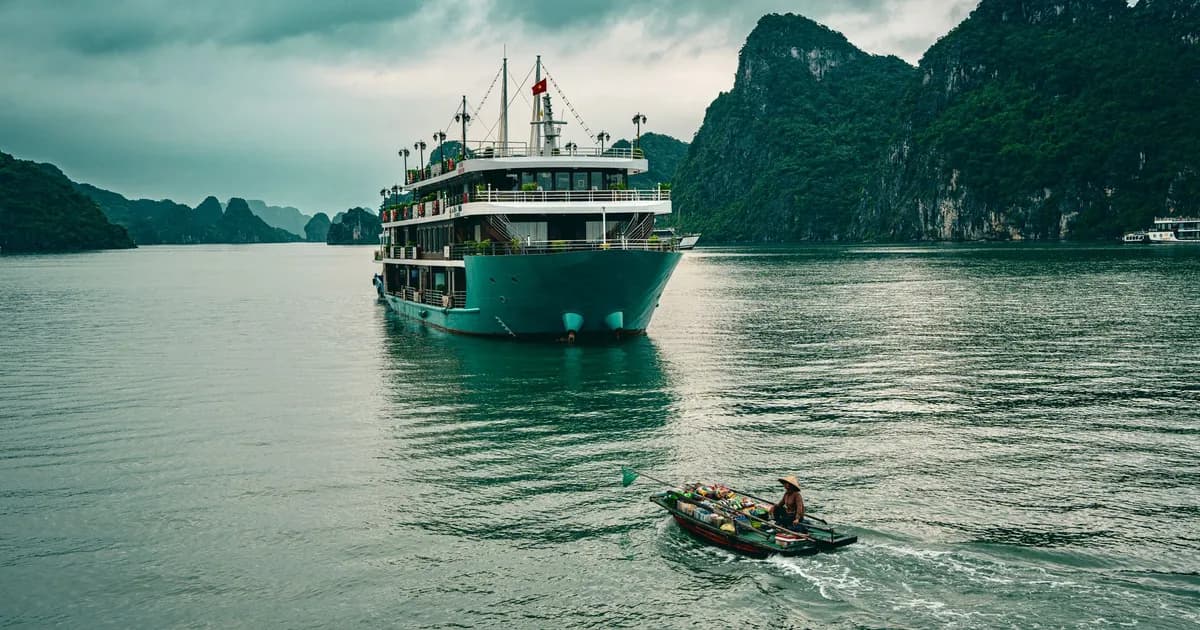
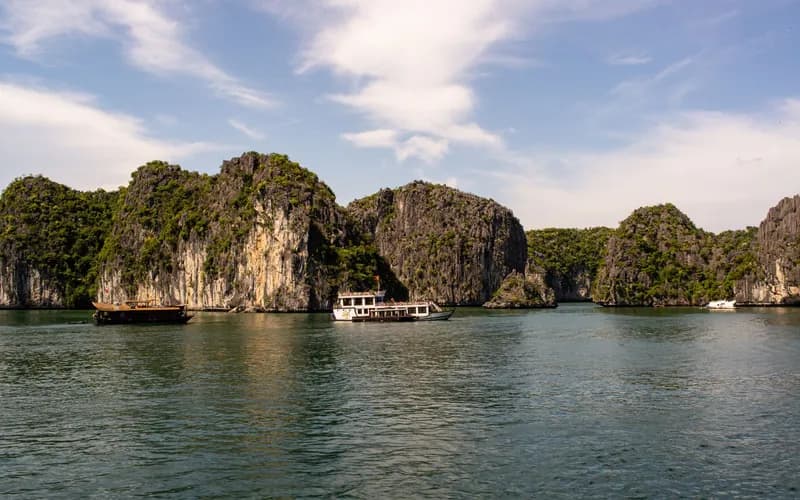
Ha Long International Cruise Port can berth two very large ships, over 200,000 gross tonnes each, at the same time. Passengers typically head onto the bay by day boat, to viewpoints and caves, or into the city's museums and markets, with some excursions reaching further afield. The overnight bay cruises that independent travellers book are a separate product, but they share the same water on busy days.
Chan May, between Hue and Da Nang, is the deep-water port for the centre and can handle ships carrying 5,000 to 7,000 passengers. From here excursions fan out in two directions: north to the citadel, tombs and pagodas of Hue, and south to Da Nang and Hoi An. If your trip centres on the old imperial capital, our portrait of Hue's imperial city and Perfume River explains why the city rewards unhurried days rather than a single coach stop.
In Nha Trang, tender boats bring passengers ashore to the Ana Marina terminal for city tours that typically take in the Po Nagar Cham towers, Long Son Pagoda, the cathedral, Dam Market and hot-spring parks. Further south, ships calling near Vung Tau send most passengers on the road to Ho Chi Minh City for the day, and a growing number of smaller expedition vessels are adding islands such as Con Dao to their routes.
Why Vietnam Is Courting Cruise Lines
The official view is explicit: cruise tourism is treated not as a side stream but as a strategic, high-spending segment. The Ministry of Culture, Sports and Tourism has framed each ship as a mobile showcase for the country, and describes a shift from simply welcoming ships to building destinations around them, with better terminals, smoother port procedures and excursions designed around heritage, cuisine and culture rather than shopping stops.
There is a global logic too. After the pandemic, many lines restructured itineraries toward fewer ports with deeper experiences, favouring places that feel safe, culturally rich and competitively priced. Vietnam, with its long coastline and dense cluster of heritage sites within a short drive of the sea, fits that brief well. Chinese operators are also part of the picture: Adora Cruises has been bringing ships to Hue and Ha Long, with the Adora Magic City expected to carry around 5,000 visitors into Ha Long in November.
Get matched with up to 5 trusted Vietnam agencies
- Free
- No obligation
- Up to 5 agencies
What a Cruise Day Looks Like on the Ground
For the traveller already in town, a cruise day follows a recognisable rhythm. Coaches arrive in the mid-morning, usually between nine and eleven, and the most photographed places fill first: the covered bridge and main lanes of Hoi An's old town, the citadel gates and the most famous tombs in Hue, the landmark caves and viewpoints on Ha Long Bay. Restaurants closest to coach parks book out at lunch. By mid-afternoon the flow reverses as passengers head back to meet the ship's all-aboard time, and by early evening the town belongs again to those who are staying the night.
None of this is dramatic on its own. Hoi An and Hue already absorb large numbers of domestic and international day visitors, and our analysis of how travellers are rewriting Vietnam's overtourism map shows that pressure is about timing and concentration more than absolute numbers. Cruise days simply add a predictable spike on top. The good news is that predictability is exactly what makes it manageable.
The Seasonal Pattern: When Ships Cluster
Cruise calls in northern and central Vietnam cluster in the cooler months. In Quang Ninh, officials expect arrivals to concentrate in the early and final months of the year, with December forecast to be the busiest month of 2026 and around 14 calls already registered for that month alone. The logic is simple: ships reposition across Asia for the northern-hemisphere winter, and Vietnam's dry season along much of the coast lines up well with that calendar.
For slow travellers, that creates a useful tension. December to March is also a favourite window for many independent visitors to the centre and south, which means cruise days and peak independent travel overlap. Summer and early autumn see far fewer calls, but that is also the season of heat in the centre and storms in the north, when sea excursions can be suspended at short notice. There is no perfect month; there are only well-chosen days.
How Slow Travellers Can Read the Port Calendar
The single most practical habit is to check the port schedule before fixing your key heritage days. Ports and cruise lines publish their calls months in advance, and several public cruise-schedule websites list upcoming arrivals by port, often with ship names and passenger capacity. A ship carrying 600 guests on an expedition itinerary will barely register in Hoi An; a 4,000-passenger vessel at Chan May on a Tuesday will be felt in both Hue and Hoi An that afternoon.
Once you know the dates, shape your days around them. Visit the headline sights early on cruise days, before coaches arrive, then spend the busy hours somewhere the excursions do not reach: a craft village, a rural cycling route, a lesser-known pagoda, a long lunch away from the centre. Save the famous lanes for late afternoon and evening, when the day visitors have gone and the light is better anyway. In the north, if your bay days coincide with large ship calls, consider the quieter waters described in our guide to Cat Ba Island and Lan Ha Bay, or simply shift your bay trip by a day.
The Case for Staying Overnight
Cruise tourism highlights a truth that slow travellers already know: the value of a place to its residents depends heavily on who stays the night. A day excursion concentrates spending in a handful of businesses linked to tour operators, often around the coach park. An overnight stay spreads money across guesthouses, family restaurants, markets, cafés, drivers and guides, and it does so in the quieter hours when a town is at its most liveable.
That is not an argument against cruising, which introduces many people to Vietnam who later come back on their own. It is an argument for being clear-eyed about the difference. Hoi An after dark, Hue at dawn on the Perfume River, Ha Long's fishing communities at first light: these are experiences no day excursion can offer, and they are precisely the moments that cruise schedules leave free.
Bay Cruises Are a Different Thing
It is worth separating ocean cruising from the overnight boats on Ha Long and Lan Ha bays. The latter are small vessels, typically carrying a few dozen guests, operating one- or two-night itineraries inside the bays themselves. They face their own questions about waste, crowding at popular anchorages and safety standards, especially after the tightening of rules for tourist vessels in recent years. If you are choosing one, our guide on how to choose a responsible Ha Long Bay cruise walks through the questions to ask about routes, group size, waste handling and weather policies.
On days when big ships are in port, bay routes and the most famous caves are busier. Operators that use less-visited routes or schedule cave visits for early morning or late afternoon make the difference quietly obvious.
What Could Go Right, and What Could Go Wrong
The optimistic scenario is genuinely appealing. Better terminals and deliberate product design could spread cruise visitors across more sites, including craft villages, rural cooking experiences and lesser-known temples, rather than funnelling everyone to the same three landmarks. Excursions built around culture rather than commission-driven shopping would raise spending per visitor and improve the experience on both sides. Some ports are already talking about exactly this, and cruise lines themselves are under pressure from their own guests to offer more authentic shore days.
The risk is the familiar one. If growth is measured only in calls and passengers, old quarters and bays could see sharper peaks without the management tools to handle them, such as timed entry, caps at fragile sites or coordination between ports and heritage authorities. Other Asian and European ports have learned that lesson the hard way. How Vietnam balances this over the next few seasons will say a lot about its ambitions for quality over volume, the same principle behind our slow travel charter.
What to Do Next
- Before fixing your Hue, Hoi An or Ha Long days, check the upcoming cruise calls for Chan May, Ha Long or Nha Trang on the relevant dates.
- On cruise days, visit headline sights before 9 am or after 4 pm, and plan craft villages, countryside rides or long lunches for the middle of the day.
- Stay overnight in heritage towns rather than day-tripping; evenings and early mornings are when they are at their best.
- If you are travelling between December and March, build a buffer day into central Vietnam so you can swap sightseeing days around ship calls.
- When booking a bay cruise, ask operators how they handle busy days and whether they use quieter routes or off-peak cave times.
Frequently Asked Questions
How many cruise ships visit Vietnam in 2026?
There is no single national count, but port forecasts give a sense of scale. Quang Ninh's schedule points to around 70 international calls with about 100,000 passengers, and Hue expected more than 70 ships at Chan May. Nha Trang and the southern ports add many more.
Which Vietnamese destinations are busiest on cruise days?
Hoi An's old town and Hue's citadel and tombs feel it most when large ships are at Chan May. Ha Long Bay's main caves and viewpoints are busier on Ha Long call days, and central Nha Trang and Po Nagar when ships anchor in the bay.
When is cruise season in Vietnam?
Calls cluster in the cooler months, broadly from late in the year to early spring. In Quang Ninh, December 2026 is forecast to be the busiest month, with around 14 ship calls already registered.
How can I find out if a cruise ship is in port on my travel dates?
Ports and cruise lines publish schedules months ahead, and public cruise-schedule websites list calls by port. Check the port nearest your destination: Chan May for Hue and Hoi An, Ha Long for the bay, Ana Marina or Cam Ranh for Nha Trang.
Does the cruise surge make Vietnam too crowded for slow travel?
No. The effect is concentrated in a few sites for a few hours on specific days. Visiting early or late, staying overnight and spending the middle of the day off the main circuit largely neutralises it.
Are Ha Long Bay overnight cruises affected by big ships?
They share the same water and the same famous caves, so busy days are noticeable. Choosing operators that use quieter routes or schedule cave visits outside peak hours makes a real difference.