
Most coverage of Vietnamese tourism fixates on international arrivals — the visa rules, the record foreign numbers, the European surge. It misses the far larger story unfolding at home. In 2026 the dominant force shaping where the country builds, prices and promotes is not the foreign visitor at all. It is the Vietnamese traveller, moving through their own country in numbers that dwarf inbound tourism and quietly redrawing the map as they go. For the thoughtful foreign visitor, understanding this domestic surge is one of the most useful things you can do before you travel.
The Numbers Behind the Boom
The scale is easy to underestimate. Vietnam receives somewhere in the low twenties of millions of international visitors a year, a figure that generates most of the headlines. Domestic tourism operates on an entirely different order of magnitude: the country records well over a hundred million domestic trips annually, a total that has climbed steadily as incomes rise and travel becomes a normal part of middle-class life. Public holidays such as Tet and the April and September long weekends now produce travel volumes that strain the transport network and fill the coast.
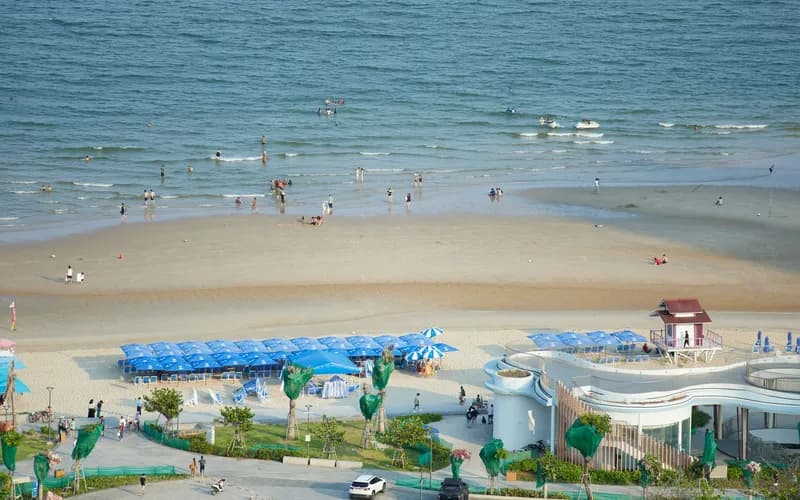
These are not soft numbers. Domestic travellers underpin the year-round economics of most Vietnamese destinations, and their preferences increasingly decide which places thrive, which get a new highway, and which are left behind. The foreign tourist may be more visible in Hoi An or on a Ha Long cruise, but it is the domestic market that keeps the lights on in a thousand smaller towns.
One request. Up to five tailored proposals.
Skip contacting agencies one by one — share your trip once and let up to five trusted Vietnam agencies come to you. Free, with no obligation.
Get my free quotesWho the Domestic Traveller Is Now
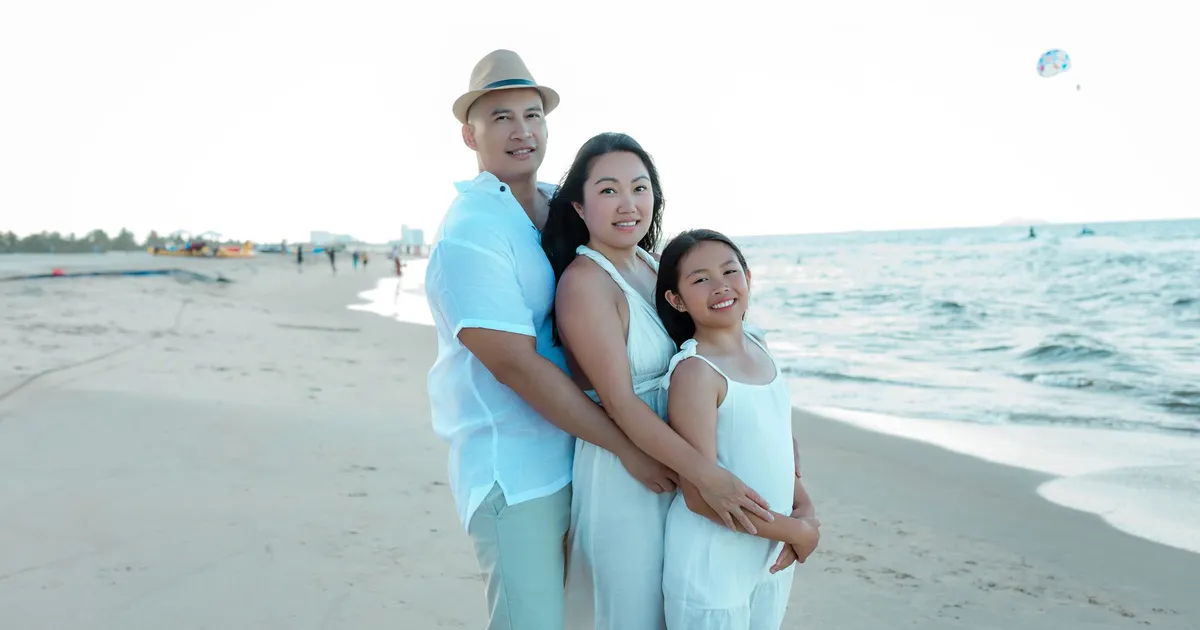
The Vietnamese traveller of 2026 is younger, more urban and more discerning than a decade ago. A generation raised in Hanoi and Ho Chi Minh City, with rising disposable income and a smartphone full of travel inspiration, treats a weekend away as an ordinary expectation rather than a rare luxury. They book online, compare aggressively, and increasingly value experience and comfort over the cheapest possible package. This is the same premiumisation trend that our analysis of Vietnam's shift to travelling less and spending more traces among foreign visitors — but it is arguably being driven hardest by domestic demand.
Where Vietnamese Travellers Are Going
Domestic taste does not always overlap with the foreign checklist, and that gap is instructive. Vietnamese holidaymakers pour into beach towns that many foreign guidebooks barely mention — Sam Son, Cua Lo, Quy Nhon, coastal Phu Yen — and into cool highland retreats like Da Lat, Moc Chau and Tam Dao, prized for the escape from lowland heat. They fuel domestic flight routes to islands like Phu Quoc and Con Dao, and they crowd the shrines and festivals that structure the lunar year. Watching where Vietnamese travellers go is one of the best ways to find places that are genuinely good rather than merely famous abroad.
Get matched with up to 5 trusted Vietnam agencies
- Free
- No obligation
- Up to 5 agencies
The Rise of the Micro-Trip
Perhaps the biggest behavioural shift is the short break. Rather than saving for one long annual holiday, urban Vietnamese increasingly take frequent two- and three-day trips: a weekend at the coast, a night in the hills, a festival visit home. This micro-trip habit spreads travel across the calendar and out to destinations within a few hours of the big cities.
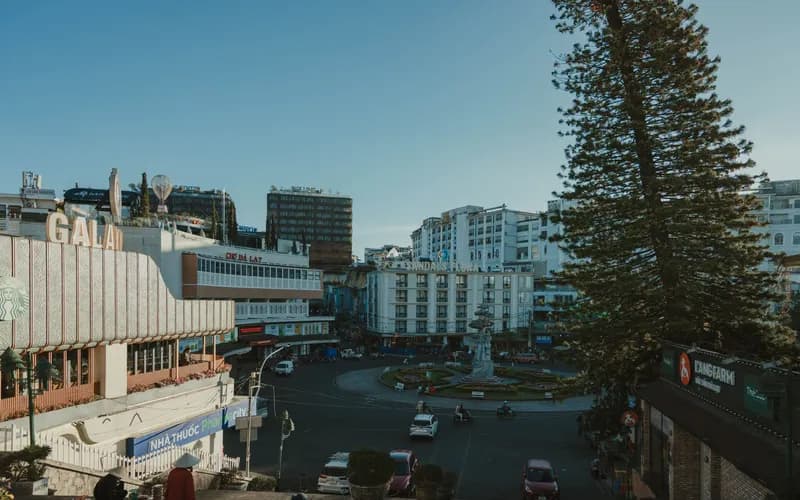
It also reshapes what gets built. Boutique stays, glamping sites, homestays and weekend-friendly resorts within striking distance of Hanoi and Ho Chi Minh City are multiplying to serve this demand, and many of the most interesting new places to stay in Vietnam exist because of domestic weekenders, not foreign tourists.
What Domestic Demand Means for the Rest of Us
For the foreign slow traveller, the domestic surge is mostly good news, with a few caveats. The upside is a deeper, more resilient travel infrastructure: more homestays, better roads, more frequent flights and a wider range of places geared up to receive visitors, all sustained by a market that does not vanish when global travel wobbles. The main caveat is timing. Vietnamese public holidays — especially Tet, the April 30 to May 1 break and the September 2 National Day — send domestic crowds surging to the coast and the hills, spiking prices and filling rooms. Our guide to planning around Vietnam's holiday blackouts is essential reading for anyone whose trip brushes these dates.
The Roads and Rails That Made It Possible
None of this would be happening without a transport revolution. The steady extension of the North–South Expressway and a web of new provincial roads have put weekend road trips within reach of tens of millions, shrinking journeys that once took a full day. Budget airlines have made domestic flights genuinely affordable, and new and expanded airports keep adding capacity. Our overview of what the North–South Expressway changes for travellers explains how these arteries are reshaping not just domestic travel but the options open to foreign visitors too.
How to Travel With the Domestic Grain, Not Against It
The practical lesson is to work with the domestic pattern rather than against it. Travel midweek where you can, and avoid the big public holidays unless you specifically want to experience them. Take a cue from where Vietnamese travellers go for the destinations that are genuinely rewarding rather than simply foreign-famous. And use the same infrastructure they rely on — the new expressways, the budget flights, the homestay networks — to reach quieter places more easily than was possible even a few years ago.
What This Signals for Vietnam's Tourism Future
The rise of the domestic traveller points toward a more balanced and durable tourism industry, less dependent on the volatile inbound market and more shaped by the tastes of Vietnamese people themselves. That is likely to mean continued investment in comfort, experience and the short break, and a slow reweighting of the map toward places that domestic demand has proven out. For the foreign visitor who travels slowly and pays attention, following the domestic lead is a reliable way to find the real Vietnam rather than the one arranged for tourists.
The Coastal Building Boom
Nowhere is domestic demand more visible than on the coast. Stretches of shoreline that a decade ago held a few guesthouses now carry rows of mid-range resorts, condotels and seafood restaurants built almost entirely for Vietnamese holidaymakers. Central-coast provinces in particular have transformed, with new beach towns rising to catch the domestic flow between Hanoi and Ho Chi Minh City. For the foreign traveller this is a double-edged development: it means comfortable, affordable places to stay in areas once hard to reach, but also that some once-quiet beaches now hum with karaoke and construction. The skill lies in reading which coastal spots have kept their character and which have been overtaken, and in timing a visit for the long midweek lulls between domestic weekends.
What Domestic Travellers Value That Foreigners Often Overlook
There is a lot a foreign visitor can learn from how Vietnamese travellers holiday. They prize fresh, local seafood and will drive hours for a specific dish; they value comfort and cleanliness over rustic charm; they travel in extended family groups and choose places that welcome children and grandparents alike; and they treat food as the centre of a trip rather than an afterthought. Paying attention to these priorities is not just anthropology; it points foreign travellers toward the restaurants, markets and experiences that locals actually rate, which are almost always better than the ones arranged for tour groups. Eating where Vietnamese families eat, and staying where they stay, is one of the most reliable shortcuts to a good trip.
A More Self-Reliant Tourism Economy
The strategic upshot is a tourism sector that stands on its own feet. When global shocks such as a pandemic, a recession or a regional disruption cut international arrivals, Vietnam's vast domestic market cushions the blow in a way that few Southeast Asian neighbours can match. That resilience is quietly reshaping how the industry invests and plans, favouring the steady domestic customer over the boom-and-bust of inbound tourism. For travellers, it means the infrastructure you rely on is unlikely to wither between your visits, and the country you return to in a few years will probably be better connected and better served than the one you left.
What to Do Next
- Check the Vietnamese holiday calendar before booking, and route around Tet and the April and September long weekends unless you want the crowds.
- Use domestic taste as a discovery tool: look at where Vietnamese travellers go for genuinely good, less foreign-famous destinations.
- Favour midweek travel to popular beaches and hill towns to sidestep the domestic weekend rush.
- Lean on the new expressways and budget flights to reach quieter places without long, slow journeys.
- Work with grounded local operators from our Vietnam travel agencies directory to build an itinerary that reads the domestic patterns for you.
Frequently Asked Questions
How big is domestic tourism in Vietnam compared to foreign tourism?
Far bigger. Vietnam receives international visitors in the low tens of millions each year, but records well over a hundred million domestic trips annually. Domestic travellers are the backbone of most destinations' year-round economies, even where foreign tourists are more visible.
When do domestic crowds peak in Vietnam?
Around the major public holidays: Tet (the lunar new year, in late January or February), the April 30 to May 1 break, and September 2 National Day. During these periods, beaches and hill towns fill, prices spike and transport is stretched. Travelling just before or after these dates is far calmer.
Does the domestic surge make Vietnam more crowded for foreign travellers?
Only at specific times. Outside the main holidays, the domestic market mostly improves the experience by supporting more homestays, better roads and more frequent flights. The key is to avoid the peak holiday weekends, when domestic demand concentrates sharply on the coast and the highlands.
Where do Vietnamese travellers go that foreigners often miss?
Domestic favourites include beach towns like Sam Son, Cua Lo and coastal Phu Yen, and highland retreats such as Da Lat, Moc Chau and Tam Dao. Following domestic taste is a good way to find places that are genuinely enjoyable rather than simply famous in foreign guidebooks.
What is driving the domestic travel boom?
Rising middle-class incomes, a younger and more urban population, cheap domestic flights, and a transport revolution led by the expanding North–South Expressway. Together these have made frequent short trips affordable and easy for tens of millions of Vietnamese.
How should I plan a trip around the domestic pattern?
Travel midweek, avoid the big public holidays unless you want to join them, and use domestic destinations as a guide to quality. Building your route with a local operator who understands the domestic calendar makes it much easier to find quiet at the right times.