
Vietnam is one of the easiest countries in the region to pay your way through, as long as you carry the right mix. A little cash, one good card with no foreign fees, and an eSIM will cover almost everything you do here, from a roadside bowl of noodles to a hotel bill. The mistakes travelers make are predictable: relying only on cards in a cash economy, over-trusting local e-wallets they cannot register, or arriving with no data and no plan. None of that needs to happen. This is a practical, honest guide to money, cards and staying connected in Vietnam, written for travelers who would rather sort this once and then stop thinking about it.
The principle behind everything below is simple. Vietnam runs on a blend of old and new: cash is still king in the places slow travelers most want to be, while QR payments and apps have leapt ahead in the cities. Carry both, lean on neither exclusively, and you will move through the country smoothly and cheaply.
The currency, and the note that catches everyone
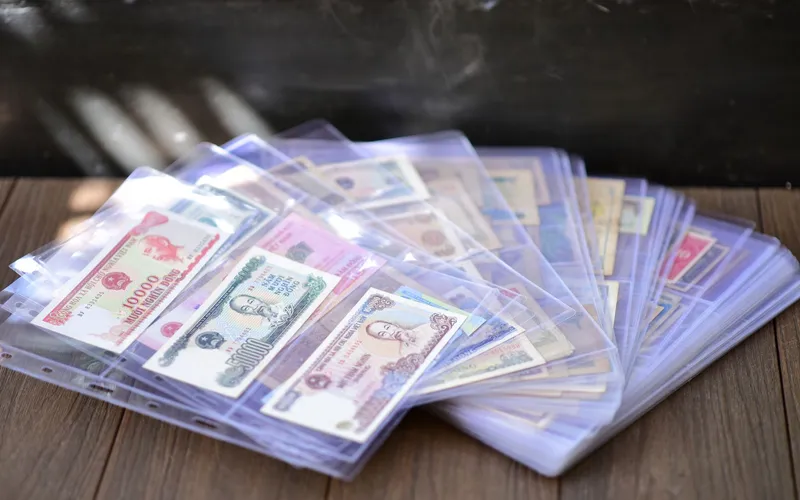
Vietnam's currency is the dong, written VND or with the symbol ₫. Prices run into the thousands and millions, which takes a day or two to feel natural; a bowl of pho might be ₫50,000 and a night in a guesthouse ₫500,000, and the zeros stop being alarming quickly.
There is one trap worth flagging before anything else. The largest note in circulation is ₫500,000, worth roughly USD 20. It is similar in colour to the ₫20,000 note, and tired travelers confuse the two constantly, handing over twenty-five times too much or too little. Check your notes carefully, especially at night or when rushing. It is the single most common money mistake in Vietnam and the easiest to avoid.
A related habit pays off everywhere: carry small denominations. Street vendors, small shops and rural sellers often struggle to make change for large notes, and breaking a ₫500,000 note for a ₫30,000 purchase can stall a transaction entirely. Keep a working float of small bills and you will rarely be stuck.
One request. Up to five tailored proposals.
Skip contacting agencies one by one — share your trip once and let up to five trusted Vietnam agencies come to you. Free, with no obligation.
Get my free quotesCash: still essential, especially off the tourist track
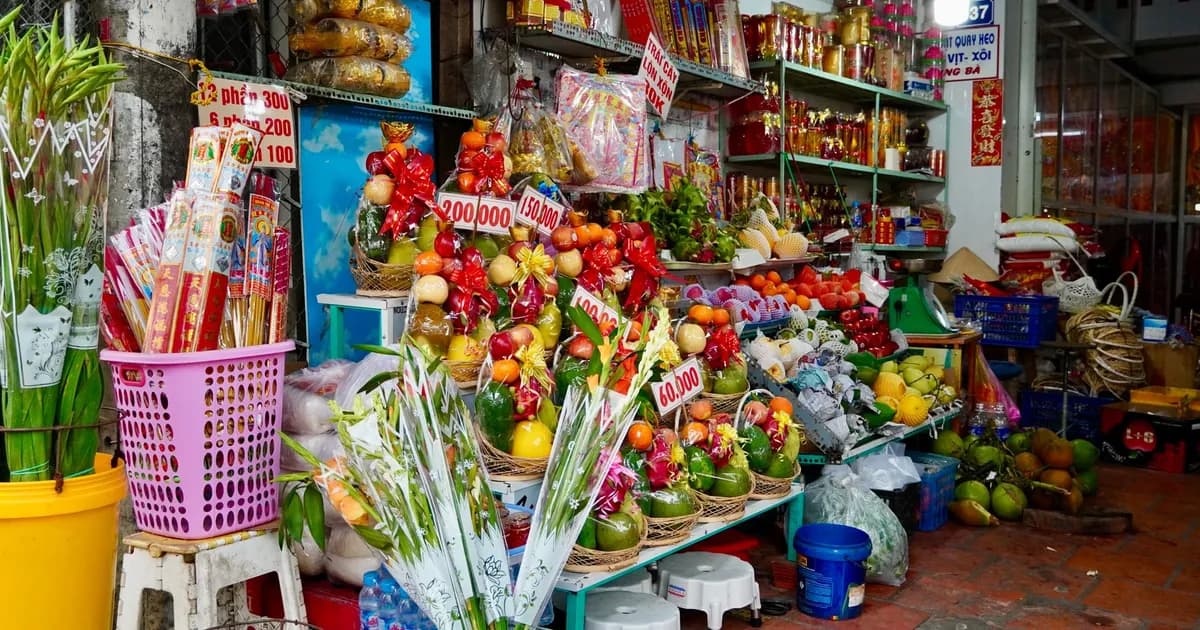
It is tempting to assume a modern Southeast Asian country runs on cards. In the cities, increasingly, it does. But cash remains essential for the experiences that define a slow trip: street food, local markets, small family shops, rural homestays and anywhere off the main tourist track. These are exactly the places worth seeking out, and many of them take nothing but dong.
So carry cash, but get it intelligently. ATMs are widely available in cities, tourist areas, airports and shopping malls, so you will rarely be far from one. The catch is the fees. Per-transaction withdrawal limits typically run from around 2,000,000 to 10,000,000 VND, and the local ATM fee is usually in the range of 22,000 to 55,000 VND, very roughly USD 0.85 to 2.15, on top of whatever your home bank charges for a foreign withdrawal. Those fees are per transaction, not per amount, which leads to one clear rule.
Make fewer, larger withdrawals. Taking out a larger sum less often spreads the fixed ATM fee across more money and minimises what you lose to charges. Combined with a no-foreign-fee debit card, this keeps the cost of cash close to negligible.
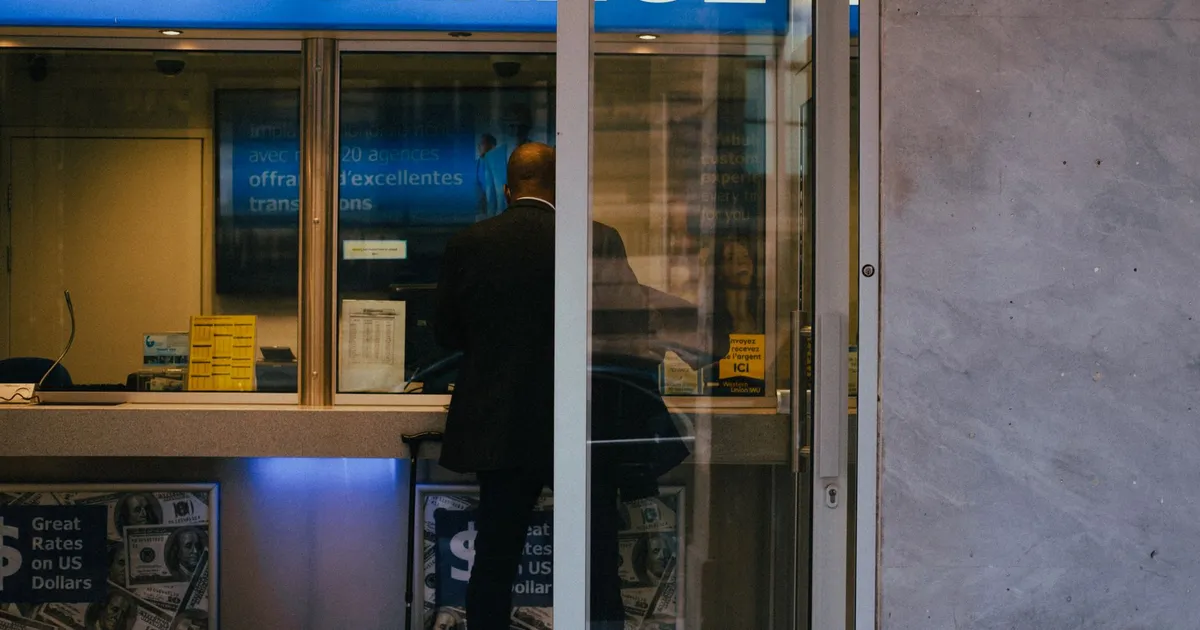
One more rule that saves real money: always choose to be charged in VND. When an ATM or card machine offers to bill you in your home currency, that is dynamic currency conversion, and it almost always uses a poor exchange rate with a hidden markup. Decline it every time and let your own bank handle the conversion. For a fuller picture of what a trip actually costs once these small leaks are sealed, our guide to Vietnam trip cost and budget in 2026 lays out the numbers.
Cards: what works, what does not
International Visa and Mastercard are accepted at most businesses that take cards at all: mid-range and upper hotels, restaurants aimed at visitors, larger shops and tour operators. If you carry one good Visa or Mastercard, ideally one that charges no foreign transaction fees, you have your card base covered.
Less universal are American Express, UnionPay and Discover. Acceptance for these is more limited, generally confined to upscale hotels and larger chains. If one of these is your only card, bring a Visa or Mastercard as backup; do not rely on Amex alone.
The honest framing for a slow traveler is this: cards are a convenience for bigger, formal payments, not your everyday tool. You will use a card for a hotel or a nicer dinner, and cash or QR for almost everything else. Treat the card as a backstop and a way to make large, fee-free payments, not as your primary means of buying lunch.
Get matched with up to 5 trusted Vietnam agencies
- Free
- No obligation
- Up to 5 agencies
QR payments and e-wallets: useful, but mind the catch
Walk into almost any counter in a Vietnamese city and you will see a QR code for payment. QR is everywhere now, often under the VietQR standard, and locals pay for everything this way. It is fast, cashless and increasingly the default.
Here is the catch that trips up visitors. Most of the popular local e-wallets, MoMo, ZaloPay and VNPay, generally require a Vietnamese bank account or local verification to set up. For a short-term visitor without those, they are largely out of reach. MoMo is the most popular and the most likely to be usable, and it can sometimes be linked to a Visa or Mastercard, but do not count on getting a local wallet fully working on a short trip.
The practical conclusion is to enjoy QR where you can use it but not to depend on it. Do not arrive assuming you will pay for everything through a Vietnamese e-wallet, because registration may simply not be open to you. Keep cash and a card as your reliable rails, and treat any e-wallet you manage to set up as a bonus. For the wider context of how payments fit alongside visas, timing and other 2026 practicalities, our roundup of Vietnam travel tips for 2026 is a useful place to start.
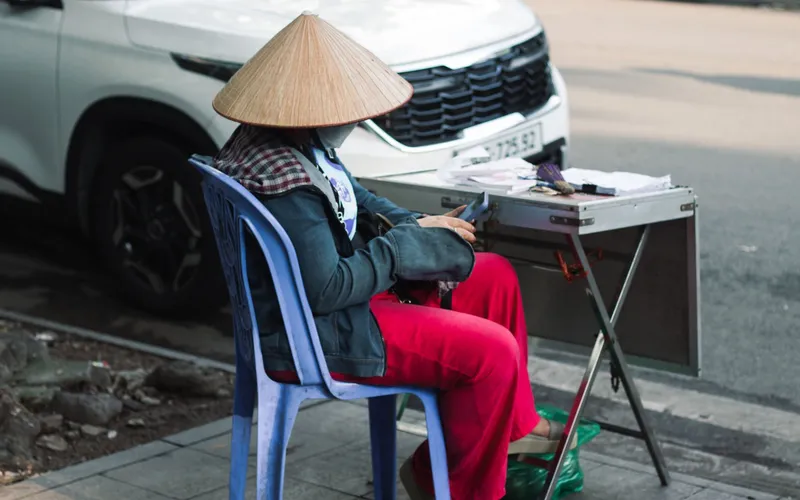
Staying connected: eSIM, local SIM, and the apps that matter
Data in Vietnam is cheap and plentiful, so there is no reason to travel disconnected. You have two good options.
An eSIM is the simplest if your phone supports it. You can buy and set it up before you arrive, then activate it the moment you land, so you have data from the airport without hunting for a shop. This is the lowest-friction choice for most travelers.
A local physical SIM is the alternative and is excellent value. Of the carriers, Viettel has the widest rural coverage, which matters if your slow trip takes you into the countryside, to a Delta homestay or up into the highlands. Vinaphone and Mobifone are also perfectly good, particularly in and around cities. Whichever you choose, expect generous data for very little money.
A few apps make the country far easier to navigate:
- Grab, for both rides and food delivery, paid by linked card or cash. It removes most haggling and language friction for getting around.
- Google Maps, with offline maps downloaded in advance for areas with patchy signal.
- A translation app, which smooths interactions in places where English is limited.
If you are also weighing how to move between cities, where connectivity and timing intersect, our comparison of the train, the flight and the sleeper bus is a useful companion to this guide.
A quick word on tipping and everyday etiquette
Tipping in Vietnam is not obligatory and is not built into the culture the way it is in some countries. It is, however, appreciated, especially for guides, drivers and good service in restaurants that cater to visitors. A small, genuine tip for someone who has helped you is welcome; an automatic large gratuity is not expected. Keep small notes handy for this, another reason to hold a float of low denominations. When you are ready to fold all of this into a wider itinerary, planning your journey is the natural next step.
What to Do Next
- Sort one good card before you leave. Bring a Visa or Mastercard with no foreign transaction fees, and ideally a second card as backup.
- Set up an eSIM in advance. Install it before departure so you can activate on landing, or plan to buy a Viettel SIM if you want the best rural coverage.
- Plan your cash strategy. Aim for fewer, larger ATM withdrawals to spread the per-transaction fee, and always decline being charged in your home currency.
- Download the essentials. Install Grab, download offline Google Maps for your regions, and add a translation app before you go.
- Carry a small-notes float. Keep a stock of small denominations for street food, markets and tips, and learn to tell the ₫500,000 and ₫20,000 notes apart.
- Treat e-wallets as optional. Try MoMo if you like, but build your plan around cash and a card, not a local wallet you may not be able to register.
Frequently Asked Questions
Do I need cash in Vietnam, or can I use cards everywhere?
You need cash. Cards work in hotels, visitor-oriented restaurants and larger shops, but street food, local markets, small shops and rural areas often take only cash. The right approach is a mix: cash for everyday and rural spending, a card for larger formal payments.
Which card should I bring to Vietnam?
A Visa or Mastercard, ideally one with no foreign transaction fees, since these are the most widely accepted. Amex, UnionPay and Discover work only at some upscale hotels and chains, so do not rely on them alone. Carrying a second card as backup is wise.
How do I avoid high fees when withdrawing money?
Make fewer, larger withdrawals to spread the local ATM fee (around 22,000 to 55,000 VND per transaction) over more cash, use a card with no foreign fees, and always choose to be charged in VND rather than your home currency to avoid dynamic currency conversion markups.
Can I use MoMo or other e-wallets as a tourist?
Often only partly. MoMo, ZaloPay and VNPay generally need a Vietnamese bank account or local verification to register. MoMo is the most popular and can sometimes link to a Visa or Mastercard, but short-term visitors should not depend on local e-wallets and should keep cash and a card as their main methods.
Should I get an eSIM or a local SIM in Vietnam?
Either works well. An eSIM is simplest: set it up before arrival and activate on landing. A local SIM is great value, and Viettel has the widest rural coverage if you are heading into the countryside. Vinaphone and Mobifone are also fine, especially in cities.
What is the largest banknote, and why the warning?
The largest note is ₫500,000, worth around USD 20. It is similar in colour to the ₫20,000 note, so they are very easy to confuse. Check your notes carefully, particularly at night, to avoid overpaying by twenty-five times or handing over far too little.
Is tipping expected in Vietnam?
No, tipping is not obligatory and is not deeply built into the culture. It is appreciated, though, especially for guides, drivers and good restaurant service. A small, genuine tip is welcome; keeping a few small notes handy makes it easy to leave one when you wish.