Bali's Building Moratorium: The Fight Against Overdevelopment in 2026
For years, Bali's rice terraces and green edges have been vanishing under a relentless wave of villas, hotels and beach clubs. In 2026 the island is trying, at last, to slow that wave down. A construction moratorium restricting new tourism development in parts of Bali has taken shape after a turbulent, stop-start process, and it marks a genuine shift in how the island thinks about its own growth. For travellers, it is a window into the tension at the heart of modern Bali, between the tourism that sustains it and the overdevelopment that threatens what people come for. Here is what is actually happening, and what it means for a thoughtful visit.
Bali at a crossroads
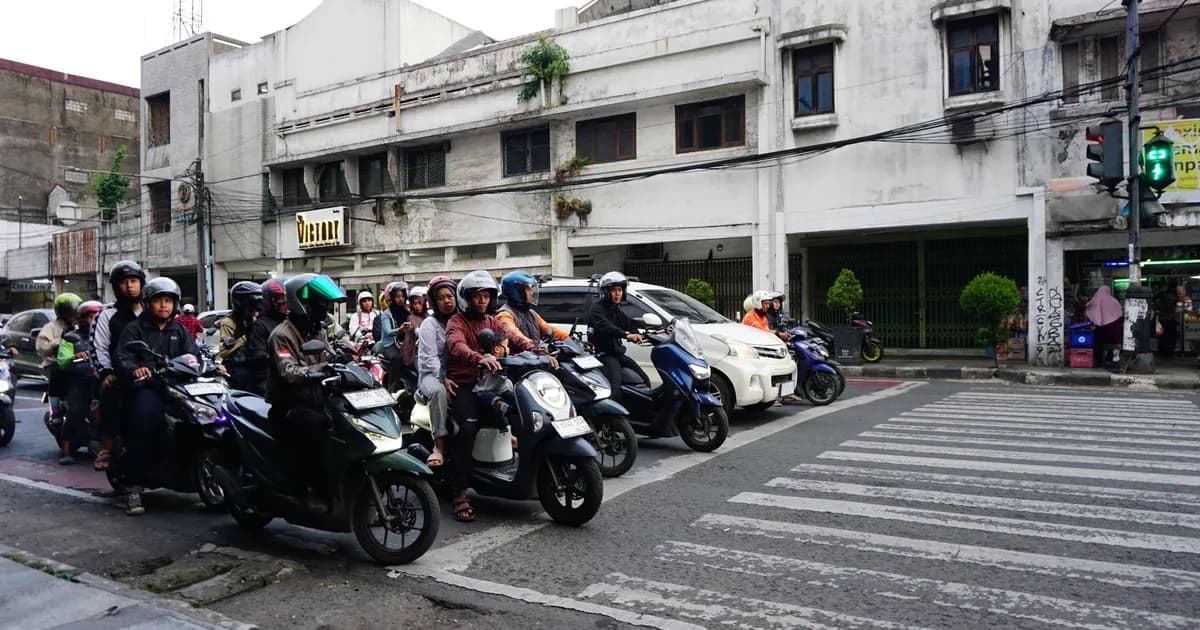
Bali's success has become its problem. Decades of booming tourism have brought prosperity but also traffic, water stress, waste, and the steady concreting-over of the rice fields and coastline that made the island famous. The pressure has become impossible to ignore, and the moratorium is the most concrete official response yet, an attempt to put a brake on the sheer pace of building. It sits alongside the island's parallel efforts to rein in badly behaved tourism, which we cover in our piece on Bali's quality-tourism crackdown; together they signal an island trying to reclaim control of its future.
One request. Up to five tailored proposals.
Skip contacting agencies one by one — share your trip once and let up to five trusted Indonesia agencies come to you. Free, with no obligation.
Get my free quotesWhat the moratorium actually is
At its core, the measure freezes new tourism construction, hotels, villas, restaurants and similar accommodation, in designated parts of the island, with a particular focus on protecting agricultural land from being converted into yet more development. As formalised for 2026, it applies as a ban across several districts, while some of the busiest, most-developed areas remain exceptions where building continues under existing rules. Crucially, projects that were already approved before the freeze are generally allowed to proceed, so the moratorium slows the future pipeline rather than halting everything overnight. The intent is less to stop tourism than to stop the unchecked spread that has been eating the island's green heart.
The years of reversals
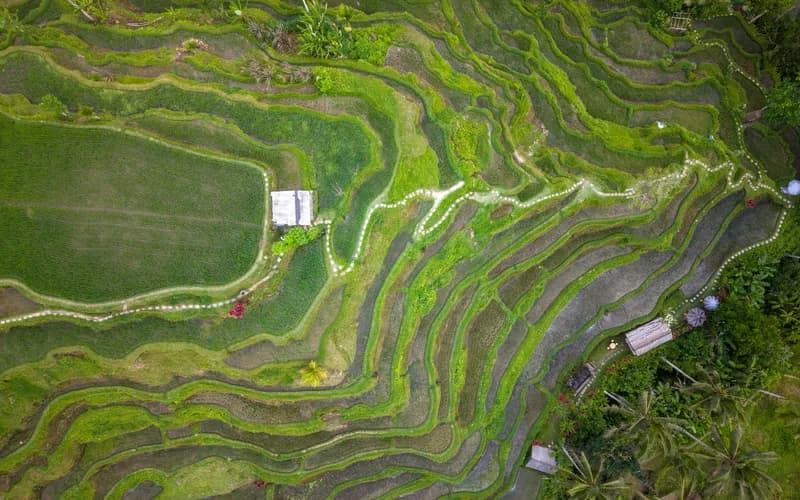
The road to this point has been anything but smooth, and it is worth being honest about that. The idea of a moratorium has been proposed, cancelled, revived and reshaped several times since it first surfaced, reflecting the genuine difficulty of balancing a tourism-dependent economy against environmental limits. An initial plan to freeze building in the busiest areas was floated, then set aside in favour of stricter regulation, before events pushed the authorities back toward a firmer ban. This start-stop history means the details have shifted and may shift again, so travellers and investors alike should treat the specifics as a live, evolving policy rather than a settled one.
Get matched with up to 5 trusted Indonesia agencies
- Free
- No obligation
- Up to 5 agencies
Why floods forced the issue
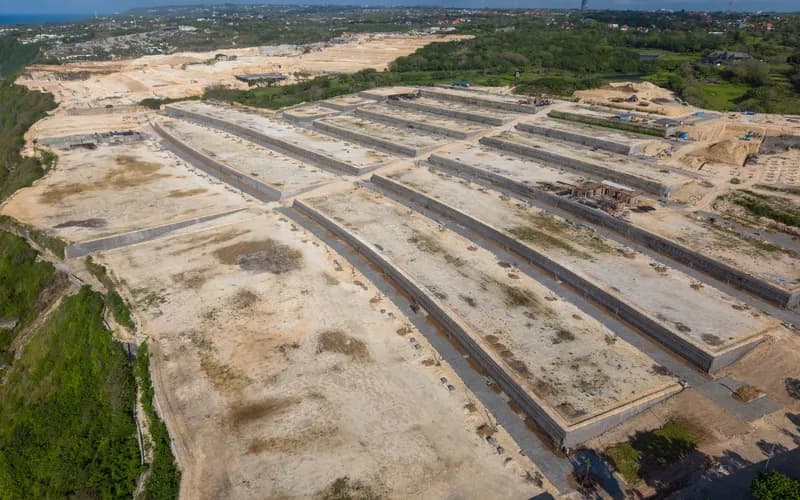
What ultimately hardened the policy was disaster. Deadly flooding, worsened by overdevelopment that had paved over the land's natural drainage and stripped away water-absorbing rice paddies, made the environmental cost of unchecked building painfully concrete. When construction contributes to floods that kill people, abstract arguments about sustainability become urgent politics. The reinstated and formalised moratorium is, in large part, a response to that reckoning, an acknowledgement that the island's building boom carries real physical risks, not just aesthetic ones.
What it protects: rice paddies and water
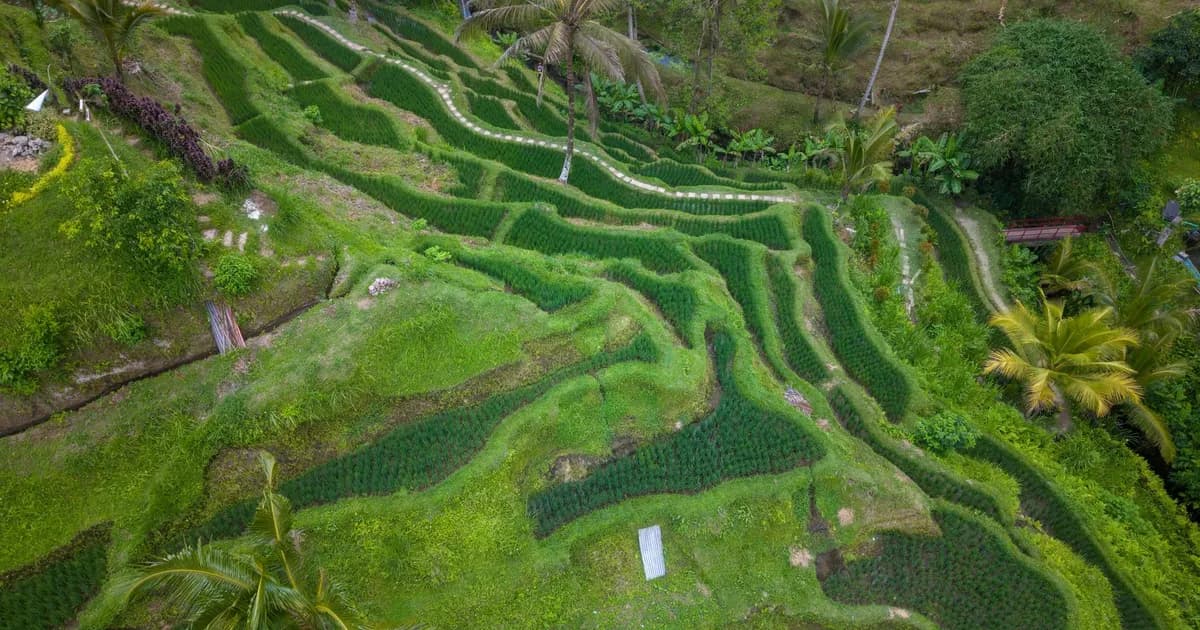
The heart of the measure is the protection of agricultural land, and that matters more than it might first appear. Bali's rice terraces are not just scenery; they are part of a centuries-old irrigation and water-management system, the subak, that is central to Balinese culture and ecology. Every paddy converted to a villa is a loss to that system, to the island's water security, and to the very landscape that draws visitors. By targeting the conversion of farmland, the moratorium aims at one of the deepest drivers of Bali's environmental strain, and at preserving the green identity that mass development had been quietly erasing.
What it means for travellers
For the visitor, the immediate practical effect is small: you will still find plenty of places to stay, and the busiest tourist areas are largely unaffected. The deeper significance is what the policy signals. Bali is beginning to prioritise the quality and sustainability of its tourism over sheer quantity, a shift that aligns closely with how a slow traveller already wants to engage with a place. It also reframes your choices as a visitor: where you stay, and whether you support development that respects the island's limits, becomes part of the story. This is the same logic that runs through Indonesia's wider rebalancing, explored in our piece on how the country is rewriting its tourism map beyond Bali.
The bigger picture: managing overtourism
Bali is not alone, and the moratorium is one piece of a broader Indonesian reckoning with the limits of tourism growth. From visitor caps at fragile marine sites to levies and conduct rules, the country is experimenting with tools to make tourism more sustainable, a theme we trace in our look at the limits of marine-tourism growth. What makes Bali's case so striking is the scale of the pressure and the visibility of the damage; if the island can find a workable balance, it offers lessons far beyond its shores. If it cannot, it is a warning about what unchecked success does to a beautiful place.
How to travel Bali well now
The moratorium changes little about how to have a good, responsible trip, but it clarifies the choices. Favour established, licensed accommodation over the newest villa carved from a rice field. Spend time and money in the island's quieter regions, the north, east and central highlands, rather than piling into the overdeveloped south. Support businesses that manage water and waste responsibly, respect the subak landscapes, and treat Bali as a living culture rather than a backdrop. These are the everyday expressions of the values in our charter for slow travel, and on an island under this much pressure, they matter more than ever.
Who wins and who loses
Like any big policy, the moratorium creates winners and losers, and understanding that helps you read the debate. Environmentalists, farmers holding on to their land, and residents worn down by traffic and water shortages broadly welcome a brake on building. Developers, some landowners hoping to sell to them, and workers in the construction economy have more to lose, which is part of why the policy has been so contested and so often reversed. For the traveller, the useful takeaway is that this is a genuine, difficult trade-off within Balinese society, not a simple morality tale, and the businesses you support with your money sit on one side or the other of it.
What it does not fix
It is worth being realistic about the limits of a construction freeze. A moratorium slows new building, but it does nothing about the development already there, the traffic already on the roads, or the water already over-drawn, and enforcement in a place with strong development pressure is its own challenge. Nor does it address the behaviour of visitors, which is why Bali has pursued conduct rules and levies in parallel. The moratorium is one tool among several, and on its own it cannot undo decades of overdevelopment; it can only stop the problem growing faster. Seen that way, it is a necessary first step rather than a cure.
A test case for the region
Bali's struggle is being watched across Southeast Asia, because so many beautiful places are on the same trajectory a few years behind. The island is, in effect, running a live experiment in whether a destination can pull back from the brink of overdevelopment without wrecking the economy that depends on it. If it succeeds, it becomes a model; if the reversals continue and the building resumes, it becomes a cautionary tale about how hard it is to say no to short-term growth. Either way, travellers who care about the places they visit have a stake in the outcome, and the way we choose to travel is a small but real vote for one path or the other.
What to do next
- Understand that the moratorium slows new building on farmland in parts of Bali but leaves the busiest tourist areas and existing hotels largely unaffected.
- Choose established, licensed accommodation over brand-new villas built on former rice fields.
- Weight your trip toward Bali's quieter north, east and highlands rather than the overdeveloped south.
- Support places that manage water and waste well and respect the island's agricultural landscapes.
- Plan a lower-impact Bali itinerary using our plan your journey page.
Frequently Asked Questions
Is Bali banning new hotel construction?
In part. A moratorium formalised for 2026 restricts new tourism building, including hotels and villas, across several districts, with a particular aim of stopping farmland from being converted into development. Some of the busiest, already-developed areas are exceptions, and previously approved projects can generally still proceed, so it slows rather than halts building.
Why is Bali limiting development?
Because decades of rapid, largely unchecked building have brought traffic, water stress, waste and the loss of rice paddies and coastline, and have contributed to serious flooding. The moratorium is an attempt to protect the island's environment, water systems and agricultural land, and to make its tourism more sustainable after years of overdevelopment.
Does the moratorium affect my Bali holiday?
Not much in practical terms. There is still ample accommodation, and the busiest tourist areas are largely unaffected. Its significance is more about direction: Bali is starting to prioritise sustainability over sheer growth, which invites travellers to choose established, responsible places to stay and to explore the island's quieter regions.
Has the Bali building ban actually happened?
It has, after a turbulent process. The policy was proposed, cancelled, revived after deadly floods and then formalised as a district-level ban for 2026, so it exists but has changed shape several times. Because it has been repeatedly revised, travellers should treat the exact details as an evolving policy rather than a fixed one.
Where should I stay in Bali to travel responsibly?
Favour licensed, established accommodation over the newest developments on former farmland, and consider basing yourself in Bali's quieter north, east or central highlands rather than the crowded south. Choosing places that manage water and waste well and respect the rice-terrace landscapes is the most meaningful way to travel the island responsibly. Spreading your nights across a longer stay in fewer places, rather than resort-hopping across the south, also eases the very pressure the moratorium is trying to address, and tends to give you a warmer, more local experience of Bali than the crowded honeypots ever could. In a small way, how and where you sleep is part of the island's future, and part of its recovery.
Keep reading
More from the ground · Indonesia