Bali's Tourist Rules in 2026: The Do's, the Don'ts and the Fines
Bali has grown tired of badly behaved visitors, and in 2026 the island backs its patience with rules. After a run of viral incidents, from tourists posing disrespectfully at sacred sites to riding scooters without licences, the authorities have set out clear guidelines for how visitors should behave, with real penalties for those who ignore them. None of this should worry a respectful traveller; the rules mostly formalise ordinary courtesy. But it is worth knowing exactly what is expected, and what a lapse can cost, before you arrive. Here is the practical rundown of Bali's tourist do's and don'ts for 2026.
Bali tightens the rules
The backdrop is overtourism and a string of high-profile incidents that strained local patience. In response, Bali has issued official conduct guidelines for foreign visitors and paired them with enforcement, making clear that respect for Balinese custom is not optional. This is the enforcement side of the broader shift we describe in our piece on Bali's quality-tourism crackdown: the island wants visitors who add to it, not ones who treat it as a lawless playground. Understanding the rules is simply part of being a welcome guest.
One request. Up to five tailored proposals.
Skip contacting agencies one by one — share your trip once and let up to five trusted Indonesia agencies come to you. Free, with no obligation.
Get my free quotesThe tourist levy
Start with the money. All foreign tourists visiting Bali are required to pay a tourism levy of 150,000 rupiah, a one-time fee intended to fund cultural and environmental preservation on the island. It is paid per visit, separately from your visa, and is best sorted online before or on arrival to avoid queues, keeping the digital receipt to show if asked. The levy sits alongside the national arrival card and other entry formalities, which we cover in our guide to entering Indonesia in 2026. It is a modest sum, and paying it promptly is the first small courtesy of a visit.
The official do's
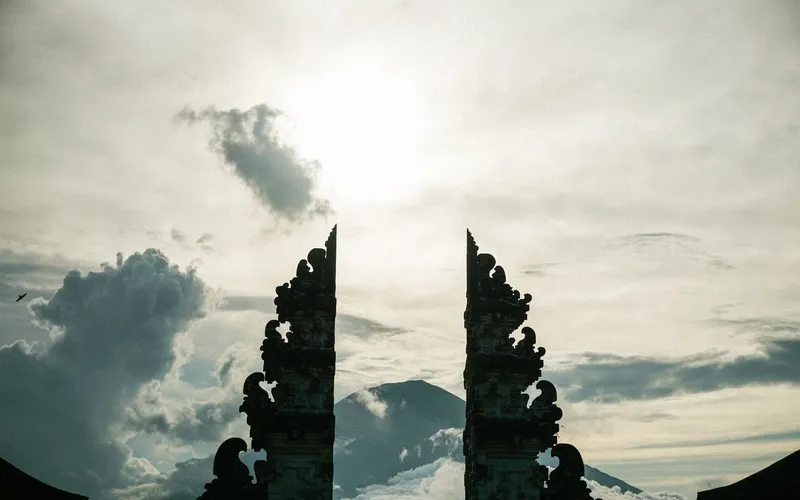
Bali's guidelines set out clear positive expectations. Visitors are asked to respect Balinese customs, traditions and sacred sites; to dress modestly and appropriately at temples, ceremonies and religious places; to behave politely and interact respectfully with locals and other visitors; to obey traffic laws; to stay in licensed, registered accommodation; and to use licensed guides and operators for tours and activities. None of this is onerous. It is essentially a request to treat Bali as the living, sacred home of its people rather than a backdrop, and it aligns exactly with the courtesy set out in our Indonesia etiquette guide.
Get matched with up to 5 trusted Indonesia agencies
- Free
- No obligation
- Up to 5 agencies
The official don'ts
The prohibitions are equally clear. Do not enter sacred or restricted temple areas without permission, and never climb sacred trees, shrines or monuments, a rule born directly from viral photos that offended the island. Do not litter or use single-use plastics, which Bali is actively phasing out. Do not behave disrespectfully, including swearing at or being aggressive toward locals. Do not use rude or offensive language on social media about Bali or its people. And do not work or run a business on a tourist visa. Each of these reflects a real incident or concern, and each carries the backing of Indonesian law.
Sacred sites and the no-climbing rule
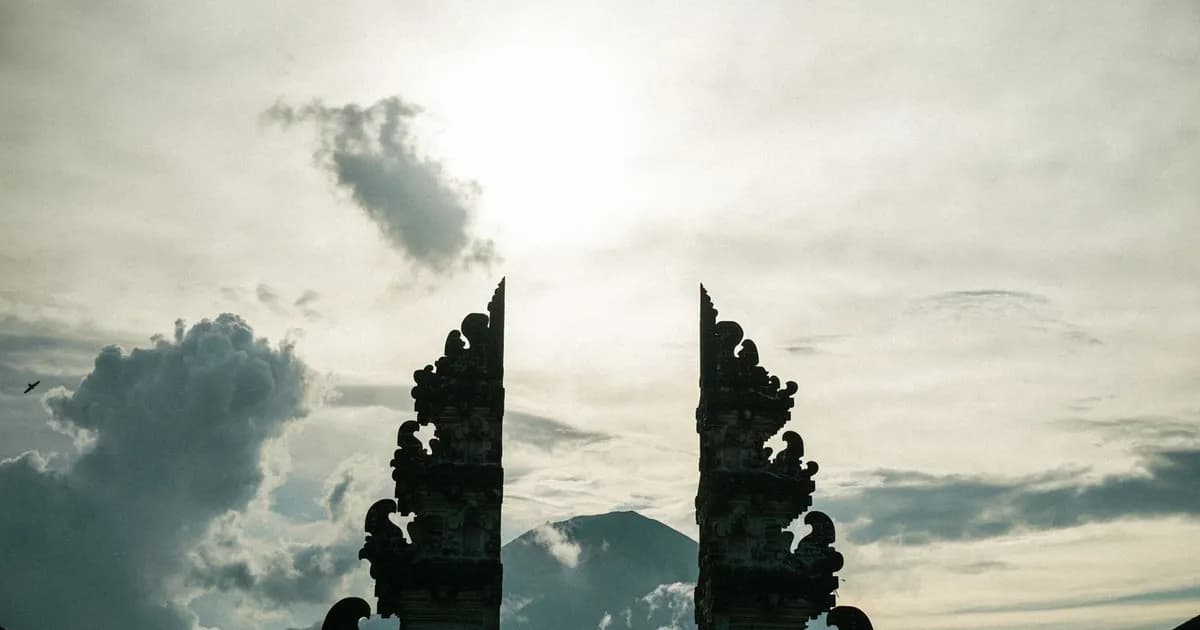
The temple rules deserve particular emphasis because they are where well-meaning tourists most often go wrong. Balinese temples are active places of worship, not photo studios. Enter only in a sarong and sash, do not climb on or pose provocatively at shrines and statues, do not stand above a priest during ceremonies, and keep out of areas marked off to visitors. By long custom, menstruating women are asked not to enter temples. Treat every ceremony as a sacred event to observe quietly from the edges, not a spectacle to insert yourself into. The islanders take these customs seriously, and so should you.
Scooters, licences and checkpoint fines
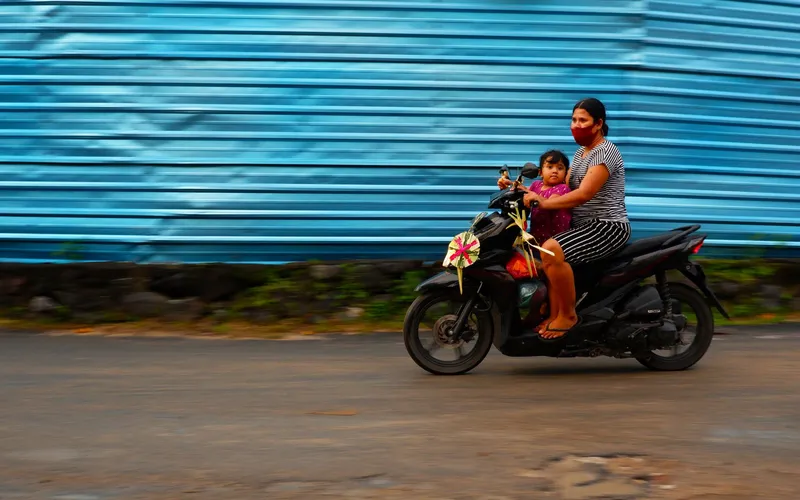
A major focus of enforcement is the scooter. Countless visitors rent one and ride without the proper licence, and Bali has cracked down. To ride legally you need a motorcycle-valid licence and an International Driving Permit covering motorcycles; without them your insurance is void in an accident and you face fines. Riding unlicensed can bring a penalty of up to around 500,000 rupiah, and being stopped at a checkpoint without an IDP and vehicle documents can mean on-the-spot fines ranging from roughly 250,000 to over 1,000,000 rupiah. Add the requirement to wear a helmet, and the message is clear: sort the paperwork or take other transport.
Nyepi: the day you cannot go out
One rule is absolute and catches the unprepared: Nyepi, the Balinese Day of Silence, which in 2026 falls on Thursday 19 March. For a full 24 hours, from 6am on the 19th to 6am on the 20th, the entire island shuts down: no going outside, no lights, no noise, and the airport itself closes. This applies to tourists too, inside your accommodation. Visitors who try to slip out for a walk or a swim have been detained, fined, and in some cases deported. Plan to be settled in a hotel with food arranged, treat it as a rare and beautiful enforced pause, and never test the rule. We cover the timing of Nyepi and other observances in our religious-calendar guide.
Gambling, drugs and the hard lines
Some rules are not about etiquette but about serious law, and the consequences are severe. There are no legal casinos in Indonesia, and gambling is illegal, so even a private poker game for money in your villa or placing bets online over local wifi can, in principle, get you into legal trouble. Far more seriously, Indonesia enforces some of the harshest drug laws in the world, with lengthy imprisonment and worse for offences that might be treated lightly elsewhere. These are not areas for any risk-taking whatsoever. Treat Indonesian law as absolute on gambling and, especially, drugs.
What the penalties actually are
The enforcement backing these rules is real and graduated. Breaches can bring fines, and for serious or repeated offences, or anything touching immigration or drug law, the consequences escalate to deportation, blacklisting from re-entry, or imprisonment. Disrespect at a temple might draw a warning or a fine and public embarrassment; riding unlicensed brings a cash penalty; a visa or drug violation can end your trip and your ability to return. The spread of possible outcomes is wide, but the principle is simple: the more serious the breach, the harsher the response, and immigration and drug matters sit at the severe end.
How to stay on the right side of it all
Staying clear of trouble in Bali is genuinely easy, because the rules reward exactly the behaviour a thoughtful traveller already shows. Pay the levy, dress and act respectfully at temples, do not climb or pose on anything sacred, ride only if properly licensed and helmeted or use a driver, respect Nyepi absolutely, and steer entirely clear of drugs and gambling. Stay in licensed accommodation, use licensed guides, and treat the island and its people with courtesy. Do these things and you will never encounter the penalties, and you will be exactly the kind of visitor Bali is asking for. It is the practical expression of travelling as a guest rather than a consumer.
Why the rules exist
It helps to see these rules not as bureaucratic nuisance but as a response to real harm. Every prohibition traces back to something that actually happened: a tourist scaling a sacred tree for a photograph, another posing disrespectfully at a holy site, reckless riders causing accidents, visitors overstaying to work illegally, waste piling up on beaches. The islanders, whose home this is and whose culture is deeply woven into these places, understandably grew tired of being treated as extras in other people's holidays. Understood that way, the rules are less a set of traps than an invitation to be a better guest, and following them is simply how you show that you understand where you are.
The spirit behind the letter
If you remember nothing else, remember the principle beneath the specifics: treat Bali as someone's sacred home, because it is. Almost every rule follows naturally from that single idea. You would not climb on an altar in a stranger's place of worship at home, litter their garden, or ride recklessly through their village, and you should not do it here either. The visitors who run into trouble are overwhelmingly those who arrive treating the island as a backdrop for their own enjoyment, with no thought for the people who live there. Arrive as a respectful guest, and the rules become invisible, because you were never going to break them.
What to do next
- Pay the 150,000-rupiah Bali tourist levy online before or on arrival, and keep the digital receipt.
- Dress in a sarong and sash at temples, never climb on shrines or statues, and keep out of restricted areas.
- Ride a scooter only with a motorcycle licence and an International Driving Permit, plus a helmet, or use a driver instead.
- Check the Nyepi date (19 March in 2026) and plan to stay inside your accommodation for the full 24 hours.
- Avoid drugs and gambling entirely, stay in licensed accommodation, and plan a respectful trip with our plan your journey page.
Frequently Asked Questions
Do tourists have to pay a fee to enter Bali?
Yes. All foreign visitors must pay a Bali tourism levy of 150,000 rupiah per visit, a one-time fee separate from your visa that funds cultural and environmental preservation. It is best paid online before or on arrival to avoid queues, and you should keep the digital receipt in case you are asked to show it.
What are the rules for visiting temples in Bali?
Wear a sarong and sash, enter only where visitors are permitted, and never climb on or pose disrespectfully at shrines, statues or monuments. Do not stand above a priest during ceremonies, and by custom menstruating women are asked not to enter. Treat temples as active places of worship and observe ceremonies quietly from the edges.
Do I need a licence to ride a scooter in Bali?
Yes. You need a motorcycle-valid licence and an International Driving Permit covering motorcycles, plus a helmet. Riding without them voids your insurance and can bring fines of up to around 500,000 rupiah, with checkpoint penalties from roughly 250,000 to over 1,000,000 rupiah. If you cannot ride legally, hire a driver instead.
What happens during Nyepi in Bali?
Nyepi, the Day of Silence, is a 24-hour island-wide shutdown, falling on 19 March in 2026, from 6am that day to 6am the next. Everyone, tourists included, must stay inside with no lights or noise, and the airport closes. Visitors who go outside have been detained, fined and even deported, so plan to remain in your accommodation.
What are the penalties for breaking Bali's tourist rules?
They range from warnings and fines for conduct or temple breaches to deportation, re-entry bans and imprisonment for serious matters, particularly immigration and drug offences. Riding unlicensed brings a cash fine; disrespecting sacred sites can mean a penalty and removal; drug offences carry severe, long prison sentences. The more serious the breach, the harsher the consequence.