
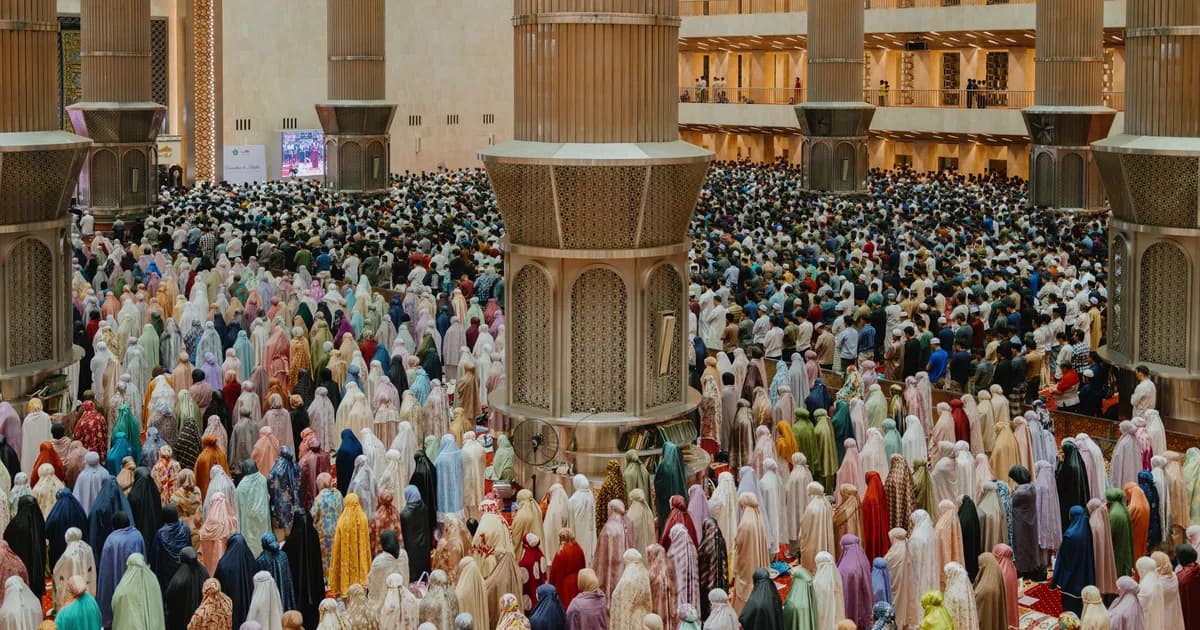
Timing an Indonesia Trip: Ramadan, Nyepi and the Religious Calendar
Indonesia is a vast archipelago of many faiths, and its religious calendar shapes travel here more than almost anywhere else in the region. A trip timed well can immerse you in some of the country's most moving traditions; a trip timed badly can leave you fighting for transport in a nationwide crush or caught out by an island that has shut down completely. Understanding the rhythms of Ramadan, the Lebaran exodus, Bali's Day of Silence and the other observances that punctuate the year is one of the most useful things a slow traveller can do before booking.
A Nation of Many Faiths and Calendars
Indonesia is the world's most populous Muslim-majority country, but it is far from uniform. Bali is overwhelmingly Hindu; parts of Sumatra, Flores, Sulawesi and Papua are strongly Christian; and pockets of Buddhism and traditional belief persist across the islands. Each faith brings its own calendar of festivals and observances, and because these often follow lunar or local cycles, their dates shift from year to year. The practical upshot is that "the best time to visit Indonesia" depends heavily on where you are going and what is happening there. Our slow traveller's guide to Indonesia sets out the seasons and regions in more detail.
One request. Up to five tailored proposals.
Skip contacting agencies one by one — share your trip once and let up to five trusted Indonesia agencies come to you. Free, with no obligation.
Get my free quotesRamadan: What It Means for Your Trip
Ramadan, the Muslim holy month of fasting, is the single biggest observance across most of Indonesia. In 2026 it runs from around mid-February to mid-March, with dates set by the lunar calendar. During Ramadan, observant Muslims fast from dawn to dusk, and daily life shifts: some restaurants close or curtain their windows during the day, business hours change, and the pace slows before the evening breaking of the fast, or iftar, brings streets and food stalls to life.

For travellers this is neither a reason to stay away nor something to ignore. In tourist areas like Bali the effect is minimal, but in more conservative regions it is significant and calls for sensitivity. Travelling during Ramadan can be a rich cultural experience if approached with respect.
The Lebaran Exodus: The Week to Plan Around
The one period to plan around carefully is the end of Ramadan and the festival of Eid al-Fitr, known in Indonesia as Lebaran. This is the most important holiday of the year, and it triggers mudik, an enormous annual homeward migration as tens of millions of Indonesians travel to their home villages to celebrate with family. For roughly a week around Lebaran, in 2026 falling in late March, transport is jammed, prices soar, and flights, trains, ferries and buses sell out far in advance. Our guide to island-hopping Indonesia slowly is worth heeding here, because moving between islands during the Lebaran crush is genuinely difficult. Either book everything far ahead, or plan to stay put in one place and let the exodus pass.
Get matched with up to 5 trusted Indonesia agencies
- Free
- No obligation
- Up to 5 agencies
Nyepi: Bali's Day of Silence
Bali marches to its own calendar, and no date affects visitors more than Nyepi, the Balinese Hindu New Year and Day of Silence. In 2026 it falls on 19 March. For a full twenty-four hours the entire island stops: the airport closes, no vehicles run, no lights show at night, and everyone, residents and tourists alike, is expected to stay quietly indoors. It is not optional, and it is enforced. Far from an inconvenience, Nyepi is one of the most profound cultural experiences in Indonesia, a whole island in deliberate stillness. If your trip includes it, plan to be settled in accommodation with food arranged, and treat the day as the rare privilege it is. The respect visitors show Nyepi is exactly the kind of behaviour Bali's push for quality tourism is asking for.
Bali's Hindu Festival Cycle
Beyond Nyepi, Bali's Hindu calendar is dense with colour. Galungan and Kuningan, celebrated on a two-hundred-and-ten-day cycle, see the island decorated with towering penjor bamboo poles and temples thronged with offerings, and are among the most beautiful times to witness Balinese devotion. Temple anniversaries, or odalan, happen constantly somewhere on the island. These festivals are welcoming to respectful observers and offer a window into the religious life that suffuses everything in Bali, provided you dress and behave appropriately at the temples.
Christian Indonesia and Its Seasons
In the Christian regions — around Lake Toba, in much of Flores, in parts of Sulawesi and Papua — the calendar turns on different holidays. Christmas and Easter are major events, and around them domestic travel and church attendance surge, while the atmosphere in these areas during the festive season is warm and distinctive.
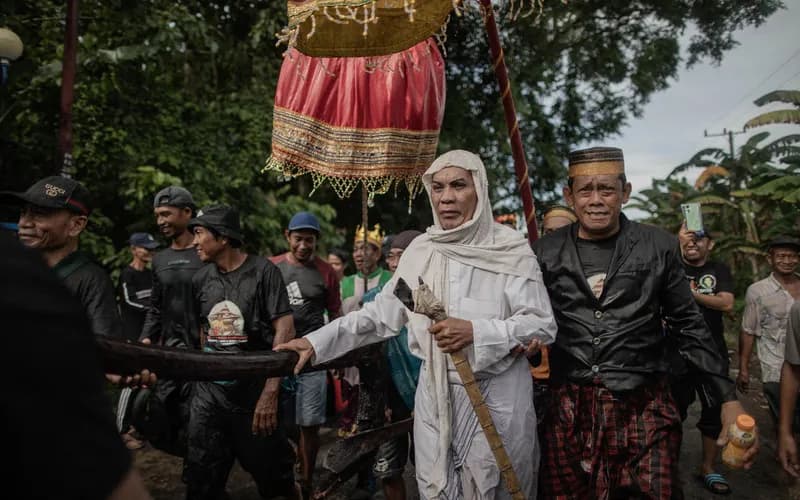
Flores in particular has dramatic Easter processions rooted in its Catholic heritage. If your route runs through Christian Indonesia, factoring in these seasons helps you either share in the celebrations or avoid the busiest travel days, depending on your preference.
Waisak and the Buddhist Calendar
Indonesia's Buddhist minority marks Waisak, or Vesak, usually in May, and the most spectacular celebration takes place at the great temple of Borobudur in Central Java, where monks and pilgrims gather and thousands of lanterns are released into the night sky. It is a moving and increasingly popular event, and one of the highlights of the Indonesian religious year for those able to time a visit to Java around it.
How to Travel Respectfully During Ramadan
If you travel during Ramadan, a little sensitivity goes a long way, especially outside Bali. Avoid eating, drinking or smoking conspicuously in public during fasting hours in conservative areas; dress modestly; be patient with altered opening hours and a slower daytime pace; and consider joining the evening iftar, a genuinely warm and communal experience often extended to visitors. Respecting the fast marks you as a considerate guest, and the reward is often an invitation into one of the most sociable and generous times of the Indonesian year.
Turning the Calendar to Your Advantage
Used wisely, the religious calendar is a tool rather than an obstacle. Time a Java trip for Waisak at Borobudur, a Bali visit for Galungan, or simply route around Lebaran to avoid the crush. Decide for each date whether you want to be inside the celebration or out of its way, and book accordingly. The travellers who get the most from Indonesia treat its calendar as part of the destination, planning with it rather than stumbling into it.
The Calm Before and After the Crowds
There is a hidden bonus in Indonesia's festival calendar for those who read it carefully. The days immediately before a major religious holiday, and especially the days just after, can be among the quietest and most rewarding of the year in tourist areas. When domestic travellers head home for Lebaran, cities like Jakarta empty out and popular spots can feel unusually peaceful; when the celebration ends, prices soften and crowds thin before normal life resumes. A traveller who positions themselves cleverly can enjoy the cultural richness of a festival while sidestepping the worst of the crush, turning the calendar's peaks and troughs to their advantage rather than being caught out by them.
Regional Variation Is the Rule
Perhaps the most important thing to understand is that Indonesia is too big and diverse for any single rule to hold everywhere. The same week that brings a nationwide fasting month barely registers in Hindu Bali; the day that silences Bali entirely is an ordinary one in Sumatra; the Christian festivals that fill Flores mean little in Java. Because the archipelago spans so many faiths, calendars and cultures, the effect of any given date depends entirely on where you happen to be. This is why blanket advice about the best time to visit Indonesia is so unhelpful, and why matching your route to the calendar, region by region, is the mark of a well-planned slow-travel trip.
Building a Calendar-Aware Itinerary
The practical craft of all this is to sketch your route and dates together, letting the calendar shape both. Start by fixing any festival you actively want to witness, then work outward, blocking the Lebaran week if your trip touches it and deciding whether to sit it out in one place or avoid moving at all. Note Nyepi if Bali is on your list, and treat it as a fixed point around which the Bali leg is built. Layer in the regional variation, checking what is happening in each area you plan to visit rather than assuming a single national picture. This sounds elaborate, but in practice it is a single afternoon of planning that saves days of frustration, and it often improves a trip by steering you toward a celebration you would otherwise have missed or away from a crush you would otherwise have hit. In a country as religiously rich and regionally varied as Indonesia, the calendar is not a constraint on a good itinerary; it is one of its most useful design tools.
What to Do Next
- Check the dates of Ramadan, Lebaran and Nyepi against your travel plans before booking anything.
- Avoid moving between islands during the Lebaran exodus in late March 2026, or book transport far in advance.
- If your trip includes Nyepi on 19 March 2026, be settled in accommodation with food arranged and observe the Day of Silence.
- Travel respectfully during Ramadan in conservative areas, dressing modestly and being discreet about eating in public by day.
- Plan your timing and route with our Indonesia plan-your-journey resources.
Frequently Asked Questions
When is Ramadan in Indonesia in 2026?
Ramadan, the Muslim month of fasting, runs from around mid-February to mid-March in 2026, with exact dates set by the lunar calendar. During this month, observant Muslims fast from dawn to dusk, and daily life shifts, with some daytime restaurant closures and altered business hours, especially in more conservative regions outside Bali.
What is Lebaran and why does it affect travel?
Lebaran is the Indonesian name for Eid al-Fitr, the festival marking the end of Ramadan and the most important holiday of the year. It triggers mudik, a mass homeward migration of tens of millions of people. For about a week around it, in late March 2026, transport is jammed and sold out, so plan to book far ahead or stay put.
When is Nyepi in 2026 and what happens?
Nyepi, the Balinese Day of Silence and Hindu New Year, falls on 19 March 2026. For twenty-four hours the entire island of Bali shuts down: the airport closes, no vehicles run, no lights show at night, and everyone, including tourists, must stay quietly indoors. Plan to be settled in accommodation with food arranged before it begins.
Can I still travel to Indonesia during Ramadan?
Yes, and it can be a rich cultural experience. In tourist areas like Bali the effect is minimal. Elsewhere, travel respectfully: avoid eating, drinking or smoking openly in public during fasting hours in conservative regions, dress modestly, and consider joining the evening iftar, which is often warmly extended to visitors.
What is Waisak and where is it celebrated?
Waisak, or Vesak, is the main Buddhist holiday, usually in May. Its most spectacular celebration in Indonesia takes place at Borobudur temple in Central Java, where monks and pilgrims gather and thousands of lanterns are released at night. It is a moving event and a highlight for travellers who can time a Java visit around it.
How do I plan an Indonesia trip around the religious calendar?
Check the dates of Ramadan, Lebaran, Nyepi and regional festivals against your plans, then decide for each whether you want to join the celebration or avoid the crowds. Route around the Lebaran travel crush, plan for Nyepi if in Bali, and consider timing visits to coincide with festivals like Galungan or Waisak.