Indonesia's Tourism-Village Movement: How Desa Wisata Is Reshaping Travel in 2026
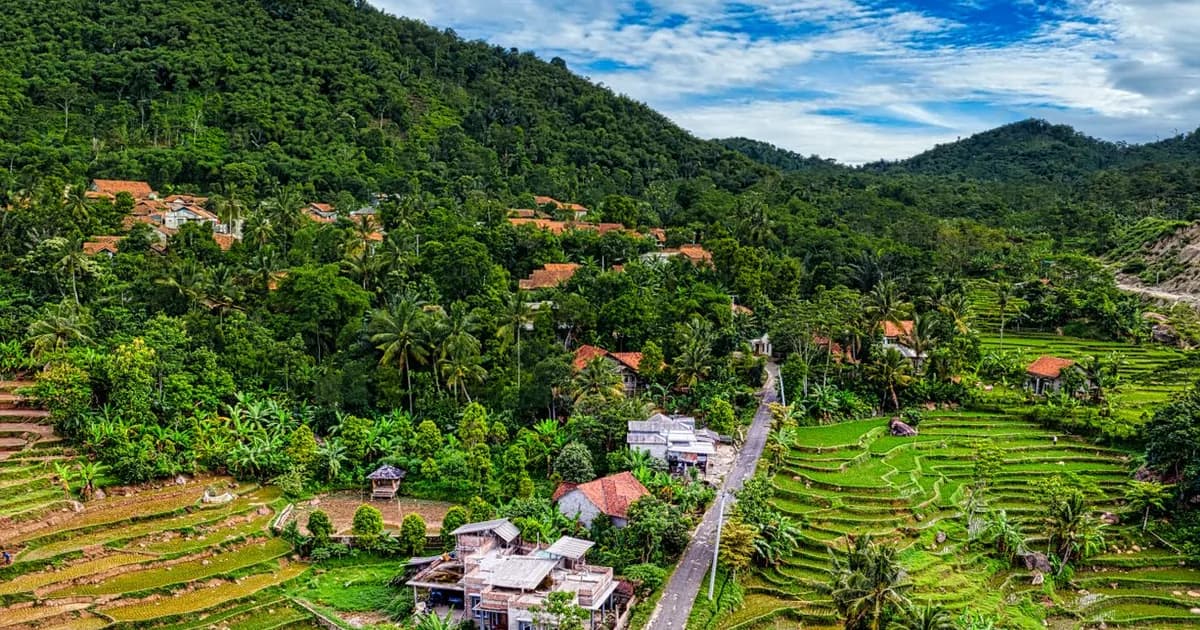
While the headlines about Indonesian tourism have been dominated by Bali's overcrowding and its crackdown on badly behaved visitors, a quieter and far more encouraging story has been unfolding across the archipelago. In thousands of villages, from the rice terraces of Java to the highlands of Sulawesi, communities are building their own small-scale tourism offerings under a national movement known as desa wisata, or tourism villages. It is one of the most significant and least reported shifts in Indonesian travel, and for the slow traveller it points towards exactly the kind of authentic, community-rooted experience that makes a trip meaningful. Understanding it helps you find a very different Indonesia from the one on the postcards.
This is not a marketing gimmick but a structural change in how tourism is being developed. Rather than concentrating visitors in a handful of famous hotspots, the tourism-village model spreads them across rural communities, channelling the benefits directly to local people and giving travellers a way to experience everyday Indonesian life at first hand. It is grassroots tourism at its most genuine, and it is quietly reshaping the map.
What a desa wisata actually is
A desa wisata is a rural village that has organised itself, collectively, to welcome visitors and share its way of life, its crafts, its food and its landscape. Rather than a resort dropped into the countryside, it is the community itself that is the attraction and the host: villagers run homestays, guide walks, teach crafts, cook meals and manage the whole enterprise together. The model is built around community-based tourism principles, meaning that decisions are made locally and the income stays largely within the village.
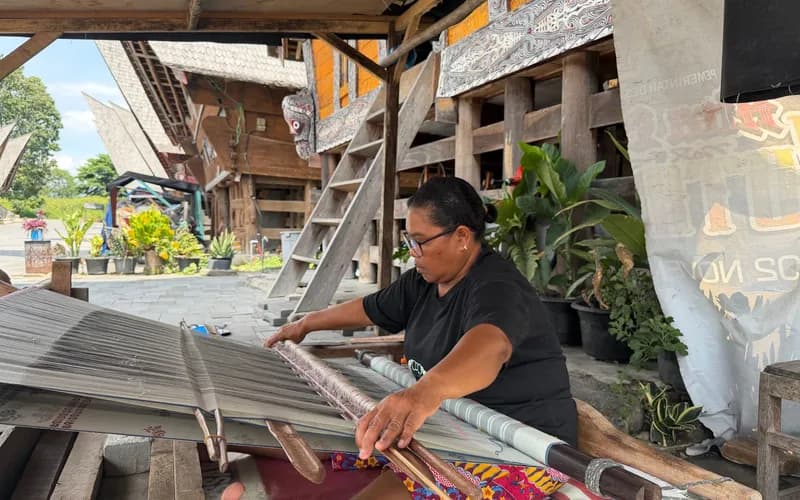
The practical shape of this varies enormously. One village might be known for its batik or weaving, another for its rice-farming traditions, a third for its natural setting of waterfalls or forest. What they share is the idea that tourism should be owned and run by the community rather than imposed upon it, and that visitors come to participate in village life rather than simply consume a packaged product. It is a model that turns ordinary rural life into something worth sharing, on the community's own terms.
One request. Up to five tailored proposals.
Skip contacting agencies one by one — share your trip once and let up to five trusted Indonesia agencies come to you. Free, with no obligation.
Get my free quotesWhy it is growing now
The movement has gained real momentum because it is being actively supported and structured. Villages are forming tourism working groups with proper governance, channelling revenue through village-owned enterprises, training and certifying local guides, and drawing on village and regional budgets to develop their offerings. This institutional scaffolding, unglamorous as it sounds, is what has turned a scattering of individual initiatives into a genuine nationwide movement with staying power.
It also fits the moment perfectly. As Indonesia grapples with the strains of overtourism in its most famous destinations, spreading visitors to rural communities is an attractive answer, easing pressure on the hotspots while sharing the economic benefits far more widely. This dispersal echoes the broader rebalancing of Indonesian tourism we describe in our piece on how the country is rewriting its tourism map beyond Bali, and the tourism-village movement is its grassroots expression.
What it offers the slow traveller
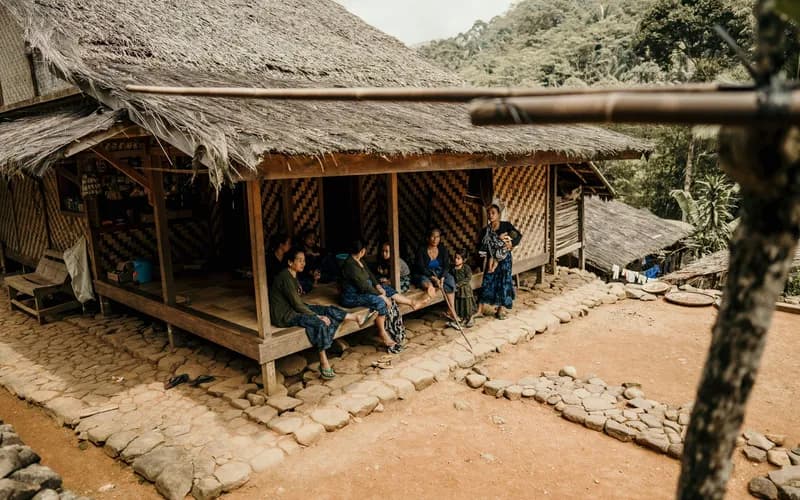
For anyone drawn to slow travel, the tourism-village movement is almost tailor-made. Staying in a desa wisata means sleeping in a family homestay, eating home-cooked local food, and spending your days learning a craft, joining the rhythm of farm work, or simply being present in a community that lives at a gentler pace. It is the opposite of the checklist holiday: an invitation to slow down, engage and connect rather than to see and move on.
The depth of experience on offer is what sets it apart. Instead of observing a culture from behind a camera, you participate in it, if only for a day or two, and the relationships that form, however brief, give a trip a texture that no resort can provide. This kind of immersive, respectful engagement is the very heart of the philosophy set out in our slow-travel charter, and the desa wisata network is one of the best places in Southeast Asia to practise it.
Get matched with up to 5 trusted Indonesia agencies
- Free
- No obligation
- Up to 5 agencies
The economic and cultural case
The appeal of the movement is not only experiential; it is ethical. Because the model keeps income within the community, tourism spending supports local households directly through homestays, small enterprises and agrotourism, generating additional income where it is most needed. It gives villages an economic reason to maintain their traditions, their crafts and their landscapes, turning cultural and natural heritage into a living asset rather than a fading memory.
This alignment of visitor experience and community benefit is what makes the movement so compelling. When you stay in a tourism village, your money does tangible good, and your interest gives value to a way of life that might otherwise be under pressure from urbanisation and change. It is a rare instance where the most rewarding way to travel is also the most beneficial one, which is precisely why it deserves to be far better known than it is.
The challenges that remain
It would be misleading to present the movement as a finished success. Real challenges remain, and an honest traveller should be aware of them. Many villages face limitations in skills and training among their tourism actors, uneven participation across the community, patchy infrastructure and access, and the absence of well-developed systems for managing visitors. Not every desa wisata is equally ready, and standards vary widely from one village to the next.
These growing pains matter because they shape the experience and its impact. A well-run tourism village is a joy; a poorly organised one can disappoint or, worse, distribute its benefits unevenly. The lesson for travellers is to choose thoughtfully, to be patient with rough edges, and to recognise that you are visiting a community still learning how to host, not a polished product. Approached in that spirit, even the imperfections become part of the authenticity.
How to travel the tourism villages well
Engaging with the movement rewards a little intention. Seek out established, well-organised tourism villages, ideally through reputable local operators or official channels, and go in with the expectations of a guest rather than a customer: modest, curious, respectful and easy-going. The same principles of cultural respect that apply across Indonesia, around dress, religion and everyday etiquette, matter doubly in an intimate village setting, and our guide to cultural etiquette in Indonesia is essential preparation.
The villages of Sulawesi, Java, Bali's quieter interior and beyond all offer rich possibilities, and pairing a village stay with a region's wider attractions, such as the cultural depth of the Toraja highlands, makes for a beautifully balanced trip. Our plan your journey page can help you weave community-based village stays into a slower, deeper exploration of the country.
Finding the right village for you
With thousands of tourism villages across the archipelago, part of the appeal, and the challenge, is that no two are alike, and choosing one that matches your interests makes all the difference. Some villages are built around a craft, offering the chance to learn batik, weaving, pottery or woodcarving from the artisans who have practised it for generations. Others centre on farming life, where you might plant or harvest rice, tap palm sugar, or tend to livestock alongside your hosts. Still others are defined by their setting, nestled beside a lake, a volcano or a stretch of forest, with nature as the main draw.
Thinking about what you want from the experience helps you choose well. If you are fascinated by traditional crafts, seek out a village known for them; if you crave nature and quiet, look for one in a striking landscape; if it is human connection you are after, almost any well-run village will deliver, since the homestay and the shared table are common to all. The best trips often combine a village stay with the wider region around it, using the village as a base for deeper, slower exploration.
It also helps to set your expectations for the level of comfort. Homestays in tourism villages are typically simple: a clean room in a family home, shared bathrooms, home-cooked meals and a warm welcome rather than hotel amenities. That simplicity is central to the experience, not a shortcoming, and travellers who arrive ready to embrace it, to sit on the floor for dinner, to wash from a bucket, to rise with the household, invariably find it the most rewarding part of their trip. The villages that need visitors most are often the least polished, and choosing one of them, and going with an open and easy-going spirit, is where the model does its greatest good.
What to Do Next
- Look beyond the famous hotspots and build one or more tourism-village stays into your Indonesia itinerary.
- Choose established, well-organised villages through reputable operators or official channels rather than at random.
- Go as a respectful guest, not a customer, embracing homestays, local food and participation in village life.
- Read up on cultural etiquette before you go, as it matters doubly in an intimate village setting.
- Pair a village stay with a region's wider attractions for a balanced, slow itinerary.
- Use your spending to support the community directly, and plan the trip with our plan your journey page.
Frequently Asked Questions
What is a desa wisata?
A desa wisata, or tourism village, is a rural Indonesian community that has organised itself to welcome visitors and share its way of life. Villagers collectively run homestays, guide activities, teach crafts and cook meals, keeping the income and control largely within the community.
Why is the tourism-village movement growing in 2026?
It is being actively supported through village tourism working groups, village-owned enterprises, guide training and local funding, which has turned scattered initiatives into a structured national movement. It also helps spread visitors away from overcrowded hotspots.
How is this different from a normal homestay?
A desa wisata is a whole-community endeavour rather than a single guesthouse. The village collectively hosts and benefits, offering crafts, farm activities, food and guiding, so you experience and support the life of an entire community, not just one family.
Is staying in a tourism village good for local communities?
Yes. The community-based model keeps income within the village, supporting households through homestays, small enterprises and agrotourism, and gives villages an economic reason to maintain their traditions, crafts and landscapes.
Are all tourism villages well organised?
No. Standards vary widely, and many villages still face challenges with training, infrastructure and visitor management. Choosing established, well-run villages and travelling with patience and realistic expectations makes for the best experience.
How do I find and visit a desa wisata?
Seek out established tourism villages through reputable local operators or official tourism channels, go with the mindset of a respectful guest, and ideally pair a village stay with the wider attractions of the region you are exploring.
Keep reading
More from the ground · Indonesia