Money and Connectivity in Indonesia: Rupiah, Cards, ATMs and QRIS
Indonesia is one of the great slow-travel countries, but its sheer scale and diversity, seventeen thousand islands spanning glossy cities and remote villages, make handling money and staying connected a little more involved than in a compact single destination. Get it right and you glide through the archipelago paying easily and staying online; get it wrong and you can find yourself cashless in a village or without signal on a ferry. This guide sets out, practically and honestly, how to manage money and connectivity across Indonesia in a way that suits slow, independent travel from Bali to Borneo and beyond.
The underlying reality is one of contrasts. In cities and tourist centres, Indonesia is increasingly cashless and well connected, with QR payments and fast mobile data everywhere. In rural and remote areas, cash is still king and signal can vanish entirely. The art is to prepare for both worlds, carrying the right mix of cash, cards and digital tools so you are never caught out wherever the road takes you.
The currency: understanding the rupiah
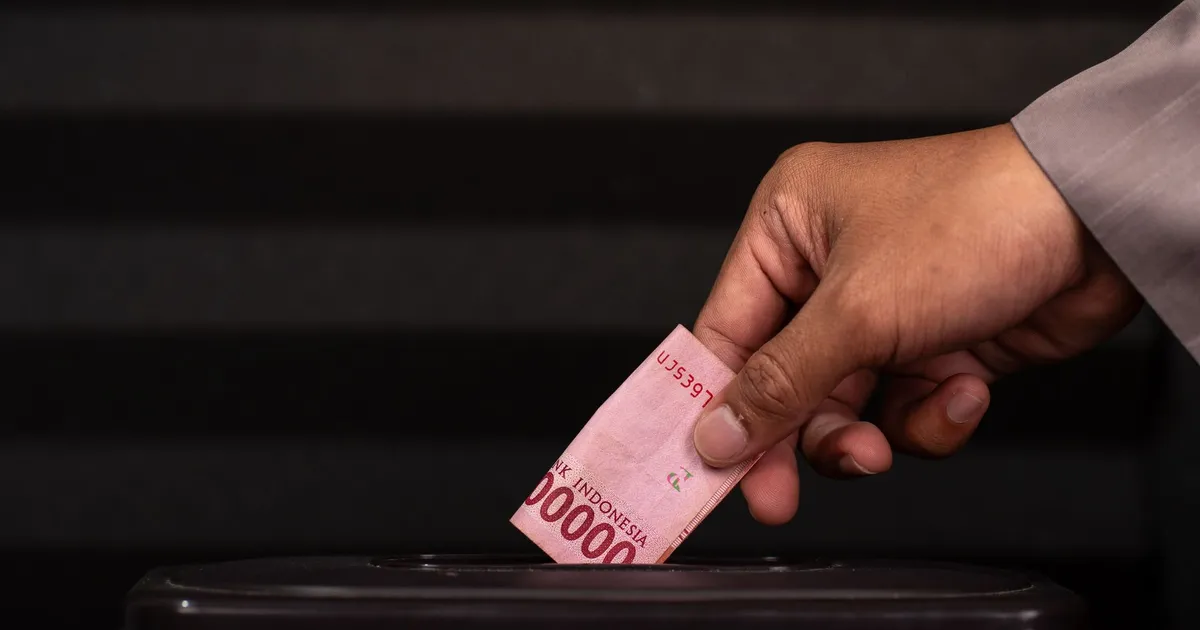
Indonesia's currency is the rupiah, and the first thing that strikes visitors is the number of zeros: prices run into the tens and hundreds of thousands, which takes a little getting used to. It pays to familiarise yourself with the notes quickly, as it is easy to confuse denominations when several carry similar colours and many zeros, an error that can prove costly. Take a moment early in your trip to learn the notes, and always double-check when handling larger amounts.
Rupiah is a closed currency in practice, so you will generally get and spend it within Indonesia rather than bringing much in. Withdrawing from ATMs on arrival and as you go is the normal approach, and it is worth carrying a sensible reserve of cash, especially before heading anywhere rural. Keeping your money manageable and knowing roughly what things cost also helps you budget; our Indonesia budget guide sets out realistic day-to-day prices across the country.
One request. Up to five tailored proposals.
Skip contacting agencies one by one — share your trip once and let up to five trusted Indonesia agencies come to you. Free, with no obligation.
Get my free quotesCash: still essential across the archipelago
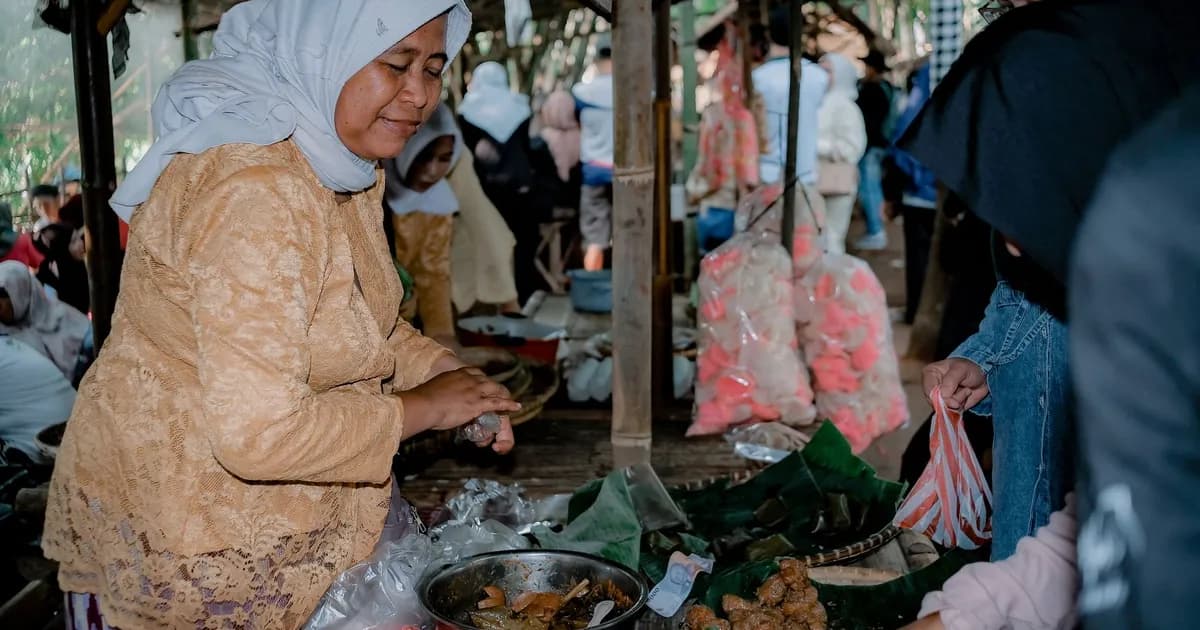
Despite the digital surge in the cities, cash remains indispensable in Indonesia, and this is the single most important thing for a slow traveller to understand. The moment you leave the main tourist areas, for a village homestay, a small warung eatery, a rural market, a local ferry or a remote island, cash is often the only option. The further off the beaten track you go, the more you should lean on physical money.
The practical rule is to withdraw a comfortable buffer whenever you are somewhere with reliable ATMs, particularly before heading into rural areas or smaller islands where machines are scarce and may not accept foreign cards. Carry a range of smaller notes, as vendors frequently struggle to change large denominations, and keep your cash secure and split between places. This cash-first mindset in rural Indonesia is exactly the kind of preparation that keeps a slow, off-grid trip running smoothly.
QRIS: Indonesia's cashless leap
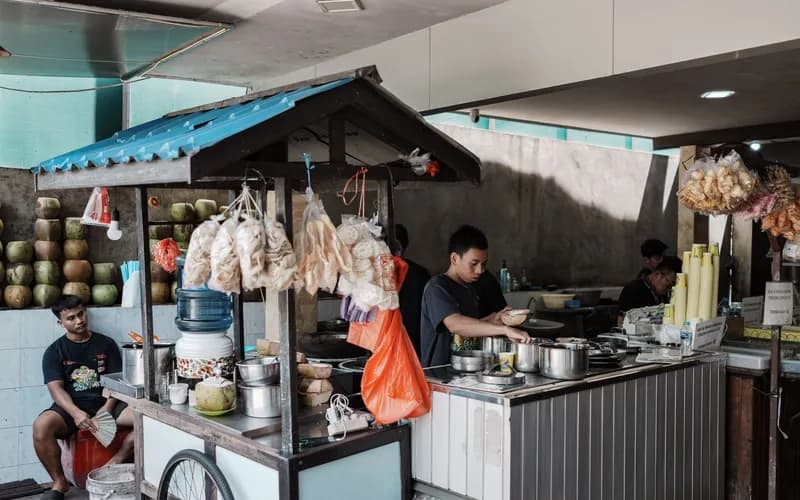
In the cities and tourist centres, the story is very different, thanks to QRIS, Indonesia's unified QR-code payment standard. A single scannable code now lets people pay directly from a phone across an enormous range of businesses, from malls and restaurants to market stalls and parking attendants, and in urban Indonesia it has become the default way locals pay. It is fast, cashless and remarkably widespread where the infrastructure exists.
The catch, familiar from similar systems elsewhere, is that QRIS was built around Indonesian bank and e-wallet accounts, which can be hard for short-term visitors to open. That said, the situation is improving, and some services and international wallets are increasingly able to pay via QRIS, so it is worth checking the current options before you travel. Even if you cannot use it yourself, understanding that urban Indonesia now runs largely on QR payments helps you read the environment and know when cash is expected and when a scan will do.
Get matched with up to 5 trusted Indonesia agencies
- Free
- No obligation
- Up to 5 agencies
Cards and ATMs: the practicalities
International cards work well in Indonesia's cities and tourist areas, accepted in hotels, larger restaurants and shops, and usable at ATMs to withdraw rupiah. But there are practical wrinkles worth knowing. ATM withdrawal limits per transaction can be relatively low, so you may need several withdrawals to gather a decent cash reserve, and some machines and card terminals charge fees or offer poor exchange rates through dynamic currency conversion.
Protect yourself with a few habits. Always choose to be charged in rupiah rather than your home currency, so your own bank handles the conversion at a better rate. Use ATMs attached to reputable banks, ideally in secure locations, and keep a note of your card provider's emergency number. Carry more than one card in case one is blocked or a machine swallows it, and never rely on cards alone once you leave the cities, where acceptance drops away sharply.
Staying connected: SIMs, eSIMs and signal
Getting online in Indonesia is easy and cheap in populated areas, and a local SIM or an eSIM is essential for navigation, ride apps, translation and staying in touch. Local providers offer good-value tourist data packages, and buying a SIM from an official provider outlet, where your passport is registered as required, is the most reliable approach. An eSIM bought before you arrive is a convenient alternative that gets you online the moment you land, without hunting for a shop.
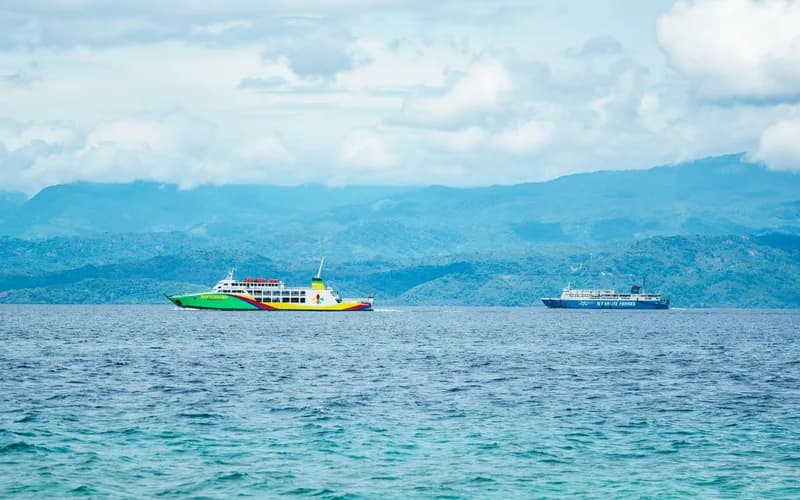
The important caveat is coverage. In cities and popular areas, mobile data is fast and reliable, but on remote islands, at sea between them, and in mountainous or jungle interiors, signal thins out or disappears entirely. Download offline maps and any essential information before heading somewhere remote, and treat patchy connectivity as part of the slow-travel experience rather than a problem. This matters especially when island-hopping, a rhythm we cover in our guide to island-hopping Indonesia slowly.
Putting it together for a slow trip
The sensible approach for slow travel in Indonesia is redundancy and awareness. Carry cash, at least one or two international cards, and access to mobile data, and match your reliance on each to where you are: lean digital and card-based in the cities, and cash-first in the countryside and on the islands. Withdraw ahead of rural stretches, keep small notes handy, and never assume the village works like the capital.
Fees, entry charges and levies are also part of the money picture, from national-park fees to Bali's tourist levy, and our guide to entering Indonesia in 2026 sets these out so there are no surprises. With a little preparation, money and connectivity become a non-issue, freeing you to focus on the country itself, exactly as our slow traveller's guide to Indonesia intends.
Common money mistakes to avoid
A handful of avoidable mistakes account for most of the money trouble travellers run into in Indonesia, and knowing them in advance saves both cash and stress. The first is running short in a rural area, having assumed that ATMs or card payments would be available; the fix is always to withdraw a comfortable buffer before leaving a town with reliable machines. The second is accepting dynamic currency conversion at ATMs and card terminals, which quietly costs you money; always choose to be charged in rupiah instead.
Another frequent error is carrying only large notes, which many small vendors and drivers cannot change, leaving you stuck or overpaying; break your big notes at supermarkets, hotels or busy restaurants to keep a stock of smaller ones. Travellers also often underestimate ATM withdrawal fees and low per-transaction limits, which can make gathering cash surprisingly expensive; using bank-affiliated ATMs and withdrawing larger permitted amounts less often helps. And a surprising number of people have a card blocked because they forgot to notify their bank of travel, so tell your bank your plans before you go and carry a backup card.
Finally, be alert to the small risks that come with cash and cards anywhere. Keep your money split between different places rather than all in one wallet, use ATMs in secure, well-lit locations attached to banks rather than isolated machines, shield your PIN, and be wary of anyone offering unsolicited help at a machine. None of this is unique to Indonesia, and the country is generally very safe for travellers, but a little routine caution means a lost card or an empty ATM is a minor inconvenience rather than a trip-ending crisis. Handled sensibly, money in Indonesia is straightforward, and the small habits above let you stop thinking about it and focus on the journey.
What to Do Next
- Learn the rupiah notes early to avoid confusing the many-zeroed denominations.
- Withdraw a comfortable cash buffer whenever you have reliable ATMs, especially before rural areas and smaller islands.
- Carry plenty of smaller notes, as vendors often cannot change large denominations.
- Check whether you can use QRIS, and understand that urban Indonesia now runs largely on QR payments.
- Set up a local SIM or eSIM, and download offline maps before heading somewhere remote.
- Always choose to be charged in rupiah at ATMs and terminals, and carry more than one card as backup.
Frequently Asked Questions
Do I need cash in Indonesia, or can I pay by card?
You need both. Cities and tourist areas widely accept cards and QR payments, but cash remains essential in rural areas, small villages, warungs, local ferries and remote islands. Always carry a cash buffer, especially away from the main centres.
What is QRIS and can tourists use it?
QRIS is Indonesia's unified QR-code payment standard, used widely in cities to pay directly from a phone. It was built around local accounts, but some international wallets and services are increasingly able to use it, so check the current options before you travel.
How should I get cash in Indonesia?
Withdraw rupiah from ATMs, ideally those attached to reputable banks, and choose to be charged in rupiah rather than your home currency. Withdrawal limits can be low, so plan several withdrawals to build a reserve before heading anywhere rural.
Will my foreign card work in Indonesia?
In cities and tourist areas, international cards are widely accepted in hotels, larger restaurants and shops, and work at ATMs. Acceptance drops sharply in rural and remote areas, so never rely on cards alone once you leave the main centres.
How do I stay connected in Indonesia?
Buy a local SIM from an official provider outlet, where your passport is registered, or use an eSIM bought before arrival. Data is cheap and fast in populated areas but unreliable on remote islands and at sea, so download offline maps in advance.
How do I avoid poor exchange rates?
When an ATM or card terminal offers to charge you in your home currency, decline and choose rupiah instead, so your own bank handles the conversion. This avoids the poor rates of dynamic currency conversion.