The Dieng Plateau: Central Java's Cold, Quiet Roof
Most travellers cross Central Java at speed, ticking off Borobudur and Prambanan before heading east to the volcanoes. A few hours north-west, more than 2,000 metres above the sea, there is a place that rewards the opposite approach. The Dieng Plateau is cold, misty, agricultural and unhurried: a caldera floor of potato fields, steaming craters, coloured lakes and some of the oldest Hindu temples on Java. It is not a place to see in a morning. It is a place to sleep, to wake before dawn, and to walk slowly in a jacket.
What Dieng is, and why it feels different
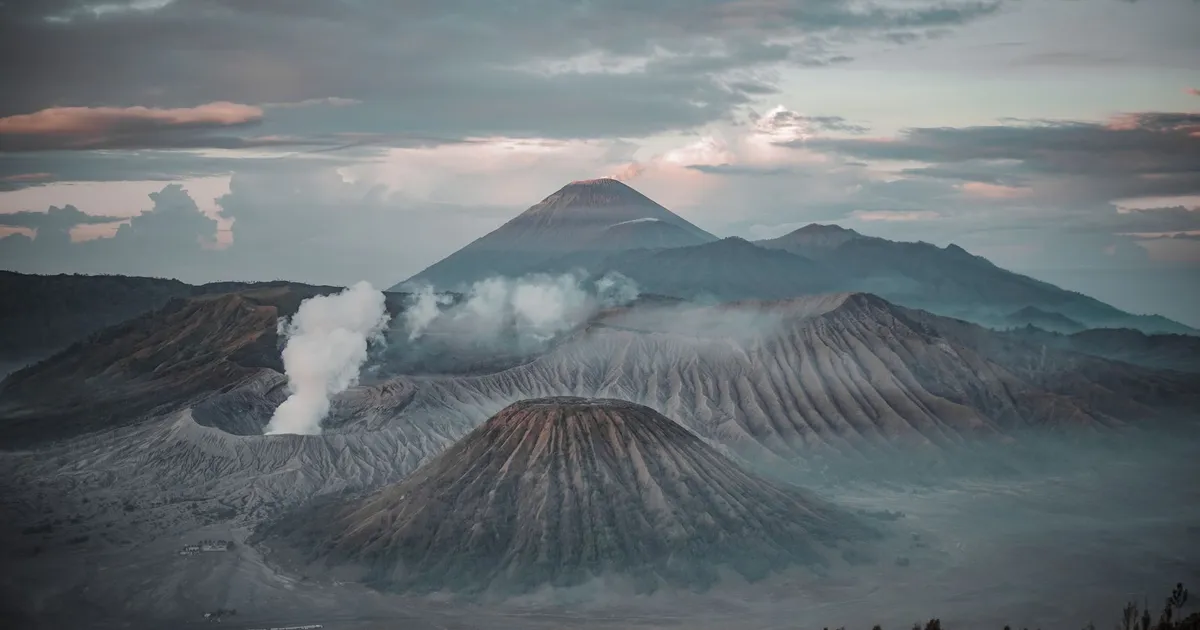
The name is usually traced to Old Javanese Di Hyang, "abode of the gods", and the plateau has felt sacred for well over a thousand years. It sits in the highlands that straddle Wonosobo and Banjarnegara regencies, on the floor and rim of a volcanic complex that is still active. Steam vents, sulphur smells and bubbling pools are not curiosities here; they are the landscape.
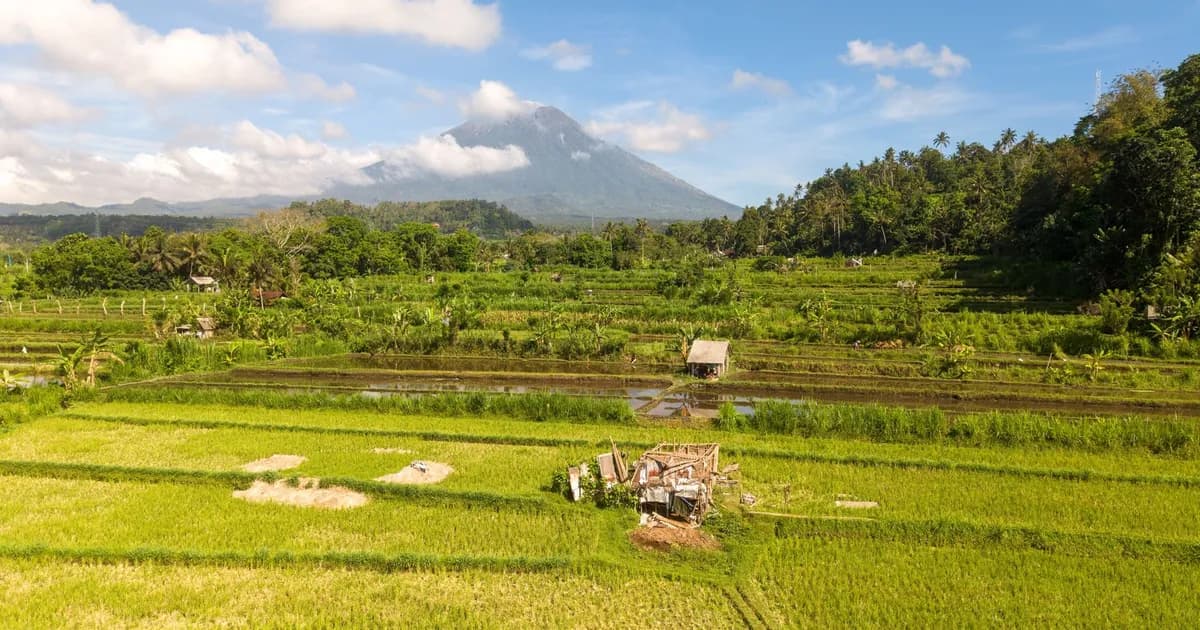
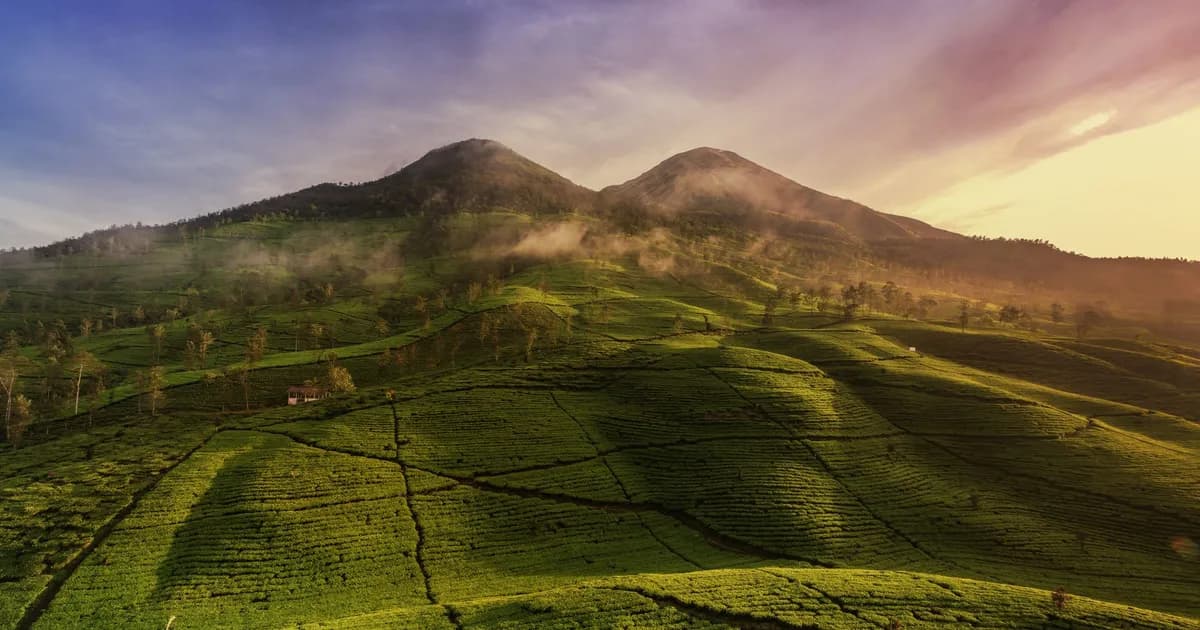
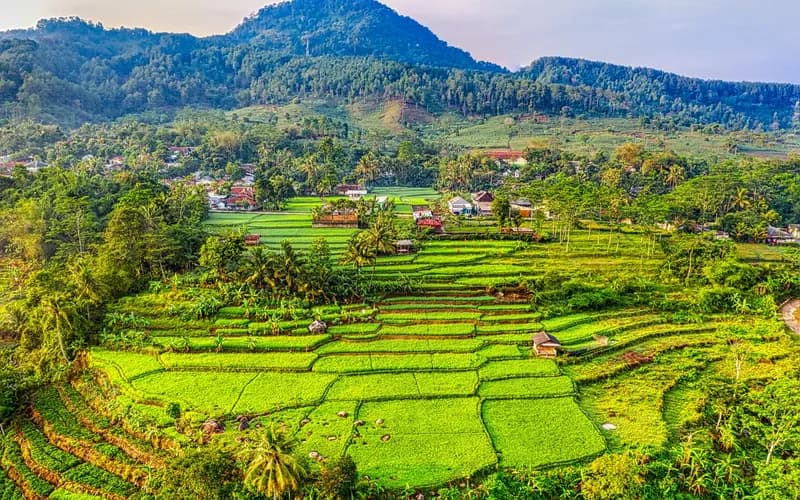
What makes Dieng worth a slow-travel stop is the contrast with the lowland Java most visitors know. The air is thin and sharp, the nights are cold enough that August lows can fall below 10°C and occasionally approach freezing, and the day-to-day economy is built around vegetables, especially potatoes, carrots and cabbages, rather than tourism. Villages are compact and farm-focused, with terraced slopes climbing almost to the ridge lines. You are a guest in a working highland community, and the plateau is better for it.
The plateau also has a texture of its own: wood smoke at dusk, mist that rises from the fields by mid-morning, and local snacks such as fried potato and hot ginger tea sold from roadside stalls. If you like places that feel a little like another country within the same country, this is one.
One request. Up to five tailored proposals.
Skip contacting agencies one by one — share your trip once and let up to five trusted Indonesia agencies come to you. Free, with no obligation.
Get my free quotesThe temples of the Arjuna complex
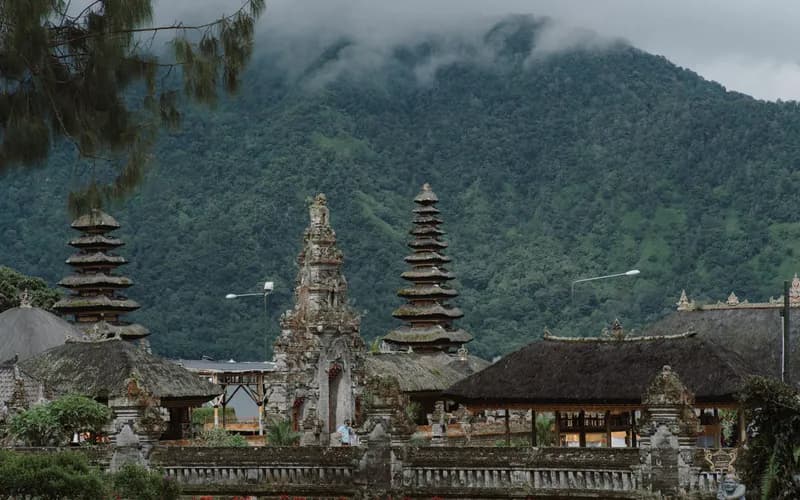
The best-known historic site on the plateau is the Arjuna temple complex, a cluster of small stone Hindu shrines dating to around the seventh century, among the oldest surviving temples on Java. They are modest in scale compared with Prambanan, and that is much of their charm. You can walk between them in an hour, sit on the grass beside them and look across the caldera to the hills beyond, with none of the crowds of the great Central Java monuments.
Treat the temples as a quiet starting point, not a checklist. Go early or late in the day, when the light is low and the mist is still lifting, and spend time looking at the details of the stonework and the setting rather than rushing for a photograph. If you are combining Dieng with the big sites in the south, our guide to Yogyakarta and Central Java explains how to pace Borobudur, Prambanan and the surrounding countryside so that Dieng arrives as a contrast, not an afterthought.
Sunrise at Sikunir, and how to do it well
Sikunir is the plateau's famous sunrise viewpoint, and it is easy to see why. Reported at roughly 2,300 to 2,400 metres, it looks across layers of ridges and, on a clear dry-season morning, to the distant outlines of neighbouring volcanoes, sometimes with a sea of cloud beneath. Backindo, a regional travel site, lists the foreign-visitor entrance at around Rp 20,000, though you should treat any ticket price as a number to check on the day.
The practical details are straightforward:
- Start time. Most people begin around 4:00 AM so they are at the top before first light, roughly 5:30 AM. If you are staying in Dieng village, leaving at about 3:30 AM is enough.
- The walk. Around 30 to 45 minutes up, mostly on stairs. The route is lit in places, but bring a headlamp.
- Clothing. It is genuinely cold before sunrise. Wear warm layers, a hat and gloves, and shoes with grip.
- When to go. The dry season from roughly June to August gives the best chance of clear skies. In the wet months, fog and drizzle are common.
- Crowds. Weekends and school holidays are busy. A weekday visit makes a big difference.
As with sunrise anywhere, the weather decides. Plan two mornings on the plateau if you can. Our companion update on Mount Bromo reopening and the new ticket system makes the same point about building slack into any volcano itinerary.
Get matched with up to 5 trusted Indonesia agencies
- Free
- No obligation
- Up to 5 agencies
Craters, coloured lakes and the hazards to respect
Dieng's thermal features are its second great draw. The area around Sikidang crater, with its bubbling mud and sulphur steam, and the nearby Telaga Warna, a lake whose surface shifts colour with the light and minerals, are the usual stops. Walking trails link several viewpoints, caves and smaller lakes, and a good local guide can show you less obvious corners.
Respect the hazards. Volcanic gas, including carbon dioxide and hydrogen sulphide, can accumulate in hollows and low-lying areas of the plateau, and Dieng has a history of gas-related incidents at some craters. Follow every warning sign and ranger instruction, never enter fenced or closed zones for a photograph, and avoid lingering in depressions near vents. If a local guide tells you an area is not safe on a given day, listen. The sulphur smell is mostly harmless at a distance, but it is not a reason to relax your attention.
If you are building a broader volcano itinerary, our guide to trekking Indonesia's volcanoes responsibly sets out the rules of conduct that apply here too.
The Dieng Culture Festival and the gimbal children
Dieng's most distinctive cultural event is the Dieng Culture Festival, which began in 2009 and has grown into a major annual gathering. The headline ritual is the Ruwatan Anak Gimbal, a ceremonial haircut for children who locals believe have been marked by dreadlocked hair. Around it, the festival has grown to include a cultural parade, daytime dance and wayang kulit performances, a bazaar of local products, an open-air concert near the temple complex, and a mass lantern release at night.
The event usually takes place in late August; in 2024 it ran on 23 to 25 August and in 2025 on 23 and 24 August, with the 2026 edition being the sixteenth. Because dates and ticketing are announced by the organisers a few months ahead, check the official channels before you plan around it. Participant packages for the main events have recently cost roughly Rp 300,000 to Rp 350,000, with the general area open without a ticket, and the organisers recommend buying through official sellers, with the name on the booking matching your ID.
An honest word of caution: a festival of this size changes the plateau for a few days. Accommodation fills months ahead, prices rise, roads clog, and evenings are cold and crowded. If you want the plateau at its quietest, avoid festival weekends. If you want the culture, arrive with respect, ask permission before photographing ritual moments, and remember that the gimbal ceremony is a family and community rite, not a performance staged for visitors.
Indonesia is also pushing wellness and traditional culture as national tourism themes; our look at Indonesia's wellness pivot in 2026 shows where a slow stay in a highland community fits in that wider picture.
Getting there and moving around
Dieng is not on a railway line, which is part of why it stays quiet. The usual approach is by road from Wonosobo or Banjarnegara, both about an hour's drive from the plateau, or on a longer day from Yogyakarta or Semarang. Many visitors reach the region by combining a train to a larger Central Java city with a private car or a driver for the final stretch, and our piece on Java's rail renaissance explains how to do the rail leg comfortably.
On the plateau itself, distances are short. Many sites can be reached on foot or by a short motorbike or car hop from the village, and local guides and drivers are easy to find. The mountain roads are steep, narrow and frequently misty, so travel in daylight where possible, take your time on the descent, and choose a driver you trust. Roadside stalls and village shops accept cash only in many cases, and mobile signal can be weak, so carry enough rupiah before you climb.
Where to stay, what to eat, and how to behave
Accommodation ranges from simple homestays in Dieng village to pods and cabins on the road up. The best choice for a slow-travel visitor is a family homestay in or near the main village, which puts you within walking distance of the temples and a short drive from Sikunir and gives you a hot breakfast before a cold morning. Our guide to the wider tourism-village movement explains why staying in community-run lodging matters.
On the food side, expect hearty and warming dishes suited to the altitude.
- Mie ongklok, a noodle dish in a thick, savoury starch-based sauce, is the regional signature.
- Fried potatoes and tempeh-based snacks appear at nearly every stall.
- Hot ginger tea is the standard answer to an early start.
- Local produce such as carica, a small papaya relative grown in the highlands, is sold as a sweet preserve and makes a good gift.
Dress modestly in villages and at temple sites, ask before photographing people, and keep your voice low at dawn viewpoints, where other visitors and local worshippers share the space. Pack a real jacket even if you are travelling in the dry season, bring prescription medicines, and stay hydrated; medical facilities on the plateau are limited, and altitude and cold can catch the unprepared.
How long to stay and how to build a route
A single night is a rush; two nights is the sensible minimum, and three allows a rest day. A good outline looks like this:
- Day 1. Arrive in the afternoon, walk the Arjuna temple complex in soft light, eat early and sleep.
- Day 2. Sunrise at Sikunir, a late breakfast, then the crater and lake area at midday.
- Day 3. A slow village walk, a visit to a farm or tea or potato fields, and a rest or onward journey.
For budgeting, see our Indonesia trip cost guide for 2026, which will help you set realistic expectations for guides, drivers and accommodation.
What to Do Next
- Decide how many nights you can give Dieng, and aim for at least two.
- Check the dry-season window of June to August if you want clear sunrises, and accept that other months mean mist and rain.
- Book a family homestay in or near Dieng village well ahead if you plan to coincide with the cultural festival.
- Arrange a trusted driver or guide for the final stretch from Wonosobo or Banjarnegara, and confirm the price in advance.
- Pack a proper jacket, hat, gloves, a headlamp and shoes with grip.
- Carry enough cash for small purchases and entrance fees, and confirm current prices on arrival.
- Respect every hazard sign at the craters and listen to local guidance.
If you would like help building Dieng into a longer route, our plan your journey page is the place to begin.
Frequently Asked Questions
How cold does Dieng get?
At night the plateau is cold throughout the year, and in the dry months of around June to August lows can fall below 10°C and occasionally approach freezing. Pack warm layers, a hat and gloves.
How long should I stay in Dieng?
Two nights is the sensible minimum, which lets you see the temples, do a sunrise at Sikunir and visit the craters without rushing. Three nights adds a rest day and time to walk through the villages.
When is the Dieng Culture Festival?
It is usually held in late August; in 2024 it ran on 23 to 25 August and in 2025 on 23 and 24 August. Check the organisers' official channels for exact dates and ticket details, and book accommodation months ahead.
How hard is the Sikunir sunrise walk?
It takes roughly 30 to 45 minutes, mostly on stairs, and most people start around 4:00 AM. It is manageable for most reasonably fit visitors, but the cold and the early start make a headlamp and warm clothing essential.
Is Dieng safe to visit given the volcanic activity?
Yes, if you respect the warnings. Volcanic gases can build up near some craters and in low areas, so follow signs, stay out of closed zones and heed local guides and rangers.
Can I reach Dieng by train?
There is no railway line to the plateau. The usual approach is to take a train to a larger Central Java city, then continue by road through Wonosobo or Banjarnegara, which are about an hour away.
What should I eat in Dieng?
Try mie ongklok, a noodle dish in a thick savoury sauce, along with fried potato snacks, hot ginger tea and carica preserves, a small papaya-like fruit grown in the highlands.