

For decades, getting from Bangkok to Vientiane by rail meant a night train to Nong Khai, a scramble for a shuttle or a tuk-tuk, a bridge crossing and a taxi into town. Since July 2024 there has been a single train that does the whole thing while you sleep, ending inside Laos at Vientiane's Khamsavath station. It is now the most civilised way to enter the country overland, and it has become popular enough that the main practical problem is getting a berth. Here is how the service works in 2026, including the visa detail that catches people out.
What the Direct Train Actually Is
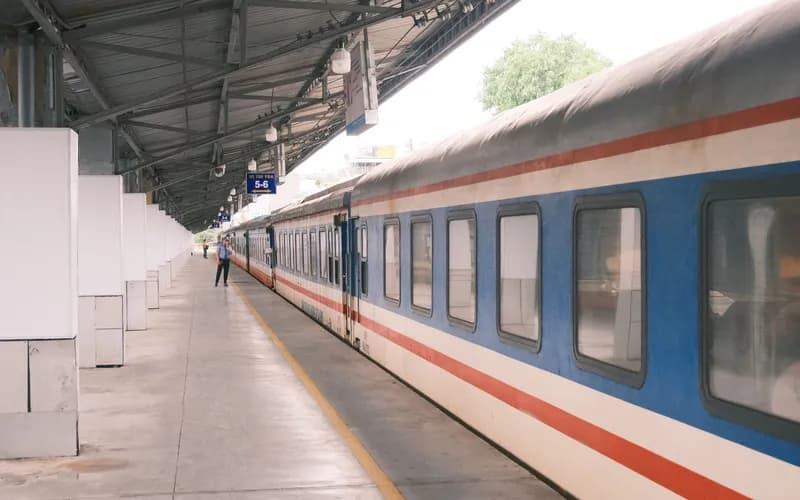
The service is operated by the State Railway of Thailand and runs as train 133 northbound from Bangkok, returning as train 134. It leaves Krung Thep Aphiwat Central Terminal, the large station north of the old Hua Lamphong terminus, and runs the standard northeastern line to Nong Khai. What changed in 2024 is the last stretch: instead of terminating at Nong Khai, the train continues across the first Thai-Lao Friendship Bridge and finishes at Khamsavath station on the Lao side.
Khamsavath sits in Nonvai village in Vientiane's Xaysettha district, roughly seven kilometres from the centre. It took over passenger duties from the older Thanaleng station, which is closer to the bridge and now handles mostly freight. If you have an old guidebook telling you to get off at Thanaleng, ignore it.
One request. Up to five tailored proposals.
Skip contacting agencies one by one — share your trip once and let up to five trusted Laos agencies come to you. Free, with no obligation.
Get my free quotesThe Timetable in Practice
The pattern has been stable since launch and is straightforward, though you should always confirm current times when booking:
- Departure from Krung Thep Aphiwat at around 21:25.
- Arrival at Nong Khai at approximately 07:55, with a stop of about forty minutes.
- Departure from Nong Khai at roughly 08:35.
- Arrival at Khamsavath at approximately 09:05.
Total journey time is a little under twelve hours, of which the last half hour is the international section. The return working leaves Khamsavath in the evening and reaches Bangkok the next morning.
The rhythm suits slow travel unusually well. You board in the evening in one country and step out mid-morning in another, with a full day still ahead of you and no airport at either end.
Fares and What You Get for Them
Ticketing is Thai in structure. A second-class air-conditioned sleeper berth to Vientiane has been running at around 900 baht, with upper berths typically fifty to a hundred baht cheaper than lower ones, and non-air-conditioned second-class sleepers cheaper again by roughly 160 to 200 baht. First-class two-berth compartments, where available on the consist, cost considerably more.
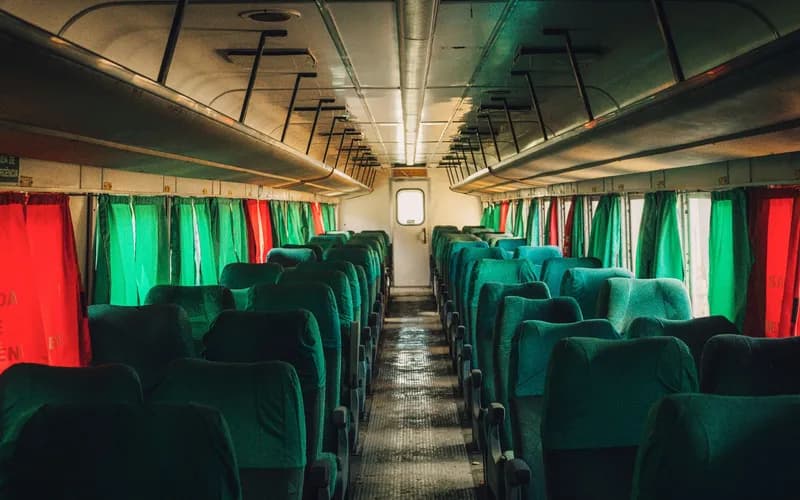
A few honest notes on comfort. Lower berths are wider, have a window and cost more for good reason. Second-class air-conditioned carriages are cold at night, so keep a layer accessible rather than buried in your pack. The bedding is provided and clean. Food is available on board and at Nong Khai, but bringing your own supper and water is the better plan.
Get matched with up to 5 trusted Laos agencies
- Free
- No obligation
- Up to 5 agencies
Booking: Where, When and the Realistic Odds
This is the part that determines whether the trip happens at all. The through service has been consistently popular since it started, and sleeper berths on the Vientiane portion sell out well before departure, particularly around Thai and Lao public holidays, weekends and the November to February high season.
You can book through the State Railway of Thailand's own channels, at any Thai station counter, or through established agents that resell Thai rail inventory online. Have your passport details ready, as they are required for the international leg. If berths for train 133 are gone, the usable fallback is any Bangkok to Nong Khai sleeper plus a local crossing, which costs you convenience rather than the day.
Demand is not random. It reflects a broader shift in who is moving around the region, which we cover in who is actually travelling to Laos in 2026. Book earlier than feels necessary.
Immigration: Nong Khai Platform, Khamsavath Hall
The border process is split, and knowing the sequence removes most of the stress.
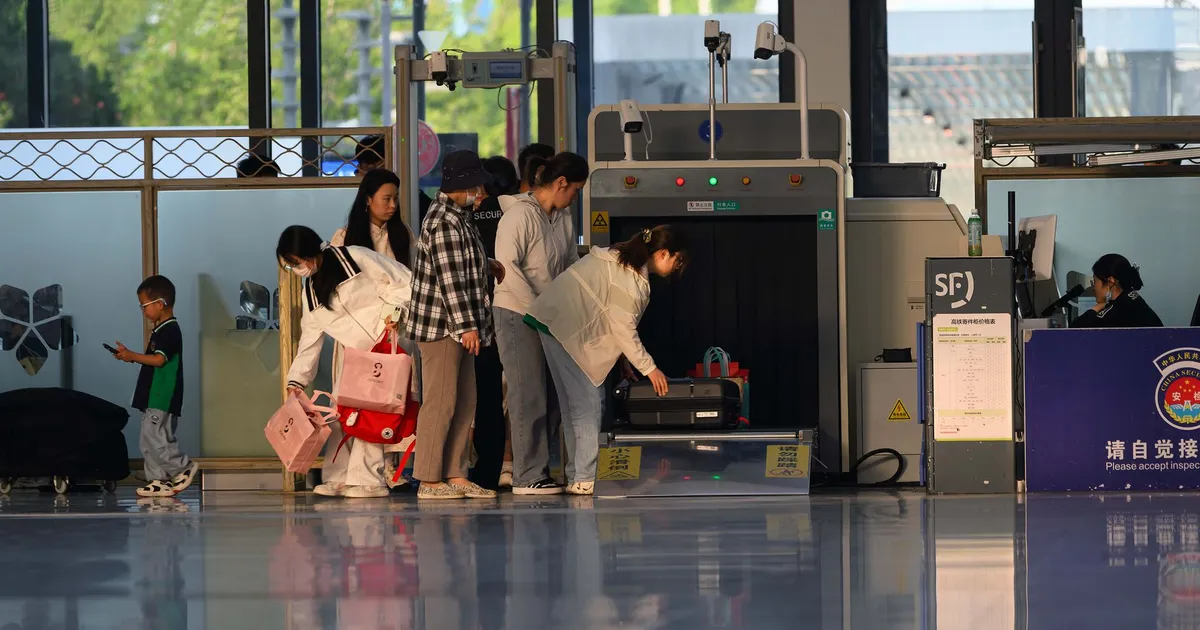
At Nong Khai, everyone continuing to Laos gets off with their luggage and completes Thai exit formalities in the station area during the forty-minute stop. It is orderly, but forty minutes is not generous if the train is full, so do not be the last person off. Reboard promptly; the train leaves on time.
Lao entry formalities happen on arrival at Khamsavath, not at the bridge. There are separate queues for visa-exempt nationalities and for those needing a visa on arrival, and processing a full train takes a while. For the wider picture of how Lao land entry points work and which ones accept what, see our guide to Laos land border crossings.
Visas: The Detail That Catches People Out
Here is the single most important paragraph on this page. Travellers have consistently reported that Khamsavath station is not among the designated entry points for the Lao electronic visa, meaning an eVisa obtained online may not be usable when arriving by this train. Visa on arrival, by contrast, is available at the station.
Practical consequences if you need a visa:
- Carry a passport photo and clean, unmarked US dollar notes. Damaged, folded or faded notes are routinely refused, and Thai baht is accepted at a rate that will not flatter you.
- Budget for the standard visa on arrival fee, which varies by nationality and has been widely reported at around forty US dollars.
- Verify your own status on the official Lao eVisa portal before you travel, since designated entry point lists do change and this is exactly the kind of rule that gets quietly updated.
If your nationality is visa-exempt for short stays, none of this applies and you simply join the shorter queue. Fees, validity and the current mechanics are covered in more depth in our piece on Lao eVisa and visa on arrival fees.
Arriving at Khamsavath and Getting into Vientiane
Khamsavath is a modest station, not a transport hub. There is no metro, no rail link into town and no serious bus network waiting for you. Expect tuk-tuks and taxis, and expect the first price quoted to be a tourist price. Agree the fare before you get in, ideally in kip, and know that the ride into the centre takes fifteen to twenty-five minutes depending on traffic.
Bring a small amount of Lao kip or Thai baht for that first ride. Card acceptance is limited and the ATM situation at arrival points is not something to rely on at nine in the morning with luggage.
Connecting to the Laos-China Railway
This trips up a lot of people. Khamsavath is not the station for trains north to Vang Vieng, Luang Prabang and Boten. The Laos-China Railway uses a separate Vientiane station on the other side of the city, roughly ten kilometres out in the opposite direction, and the transfer between the two takes half an hour or more by road.
Connecting on the same day is possible if you have a booked seat on an afternoon northbound departure, but it is tight and unforgiving. The calmer plan is a night in Vientiane and a northbound train the next morning. If you intend to continue up the corridor, read how to ride the Laos-China railway first, because tickets there sell out faster than the Thai leg does.
Is It Better Than the Bus or the Flight?
For most slow travellers, yes. Flights from Bangkok to Vientiane are quick but cost more, deliver you tired to an airport, and skip the whole Isan landscape. The bus is cheaper and slower, and it hands you the border on foot with less structure. The train's advantage is that it turns a border day into a night's sleep, and it puts you inside Laos with the morning intact.
Its limitations are real too. There is one departure a day, berths are constrained, the arrival station is inconvenient for onward rail, and the eVisa question adds a step for some nationalities. If you cannot get a berth, do not force the itinerary. Take a Nong Khai sleeper, cross at the bridge and lose nothing but a little tidiness.
One further consideration for anyone building a longer overland route. Arriving at Khamsavath puts you in Vientiane facing south as well as north: buses to Thakhek, Savannakhet and Pakse leave from the capital's southern station, and the deep south is a full day away. Travellers who assume Laos means the northern railway corridor often discover too late that the country continues for another six hundred kilometres below Vientiane, with far fewer people in it. If your instinct is to head straight up the line to Luang Prabang, look at the map first and make that choice deliberately rather than by default.
What to Do Next
- Check the current train 133 timetable and confirm the Khamsavath arrival time when you book rather than relying on any published figure.
- Reserve a lower berth in second-class air-conditioned as early as your dates allow, especially between November and February.
- Confirm on the official Lao eVisa portal whether Khamsavath is a valid entry point for your visa type, and default to visa on arrival with clean dollars and a photo if in doubt.
- Plan a night in Vientiane rather than a same-day connection to the northbound railway.
- Sort insurance and the health basics before a long overland approach; our guide to staying healthy in Laos covers what to arrange before you leave.
Frequently Asked Questions
Is there a direct train from Bangkok to Vientiane?
Yes. Since July 2024, train 133 has run overnight from Krung Thep Aphiwat Central Terminal in Bangkok across the Friendship Bridge to Vientiane's Khamsavath station, with train 134 as the return working. It is a single ticket and you stay with the same train throughout.
How long does the Bangkok to Vientiane train take?
Just under twelve hours in total. A typical run departs Bangkok around 21:25, reaches Nong Khai at approximately 07:55 for a forty-minute border stop, and arrives at Khamsavath at about 09:05. Always confirm exact times at booking, as schedules are adjusted periodically.
How much does the direct train to Vientiane cost?
A second-class air-conditioned sleeper berth has been running at around 900 baht, with upper berths cheaper than lower ones by fifty to a hundred baht and non-air-conditioned sleepers cheaper still. First class, when available, costs substantially more. Treat these as recent reference points rather than fixed prices.
Can I use a Lao eVisa arriving at Khamsavath station?
Reports consistently indicate that Khamsavath is not a designated eVisa entry point, so you should not assume an online eVisa will be accepted there. Visa on arrival is available at the station. Check the official Lao eVisa portal for your nationality before travelling, as designated entry points can change.
Where do I go through immigration on the Bangkok to Vientiane train?
Thai exit formalities are done at Nong Khai station during the forty-minute stop, with all passengers leaving the train and their luggage. Lao entry formalities happen after arrival at Khamsavath station in Vientiane, in separate queues for visa-exempt travellers and for visa on arrival.
Can I connect straight onto the Laos-China Railway?
Not conveniently. Khamsavath and the Laos-China Railway's Vientiane station are on opposite sides of the city, around half an hour apart by road. A same-day connection is possible with a pre-booked afternoon departure, but an overnight stop in Vientiane is the far more reliable plan.