
Laos Land Border Crossings in 2026: The Overland Entry Points
For the overland traveller, Laos is one of the most connected countries in Southeast Asia. Landlocked at the heart of the region, it shares borders with five neighbours and can be entered by road, bridge, river and now railway at dozens of points. But not every crossing is equal, and crucially, not every crossing handles visas the same way. Arriving at the wrong border with the wrong paperwork can turn a simple crossing into a real headache. This is a 2026 guide to entering Laos overland: where the crossings are, which ones suit which travellers, and how to get your visa right.
The details matter here more than at an airport, because at a remote land border there is no help desk and few fallback options. A little preparation before you reach the frontier makes all the difference.
How many crossings, and where
Laos has an impressive spread of international land borders, more than two dozen in total. They divide roughly by neighbour: around a dozen crossings with Thailand along the Mekong to the west and south, some ten with Vietnam through the mountains to the east, two with China in the north, a single crossing with Cambodia in the far south, and one with Myanmar in the northwest. That variety makes Laos easy to combine with a wider regional trip.
The practical point is that these crossings differ enormously, from busy, well-equipped bridges handling constant traffic to remote mountain posts that see only a handful of travellers a day. Your choice of crossing should match your route and your visa situation, and it pays to check the current status of any specific border before you commit, as opening hours and facilities vary widely. For the visa rules that sit behind all of this, our guide to the Laos e-visa and visa on arrival is the essential companion.
One request. Up to five tailored proposals.
Skip contacting agencies one by one — share your trip once and let up to five trusted Laos agencies come to you. Free, with no obligation.
Get my free quotesThe Thai Friendship Bridges
The busiest and easiest crossings are the Friendship Bridges spanning the Mekong from Thailand. The most famous is the First Thai-Lao Friendship Bridge, connecting Nong Khai in Thailand to Vientiane, the Lao capital, and it is the classic gateway into the country. A shuttle bus carries foot passengers across the bridge itself between the two immigration posts, running roughly every twenty minutes during opening hours, from early morning until mid-evening, for a small fee of around 25 baht.
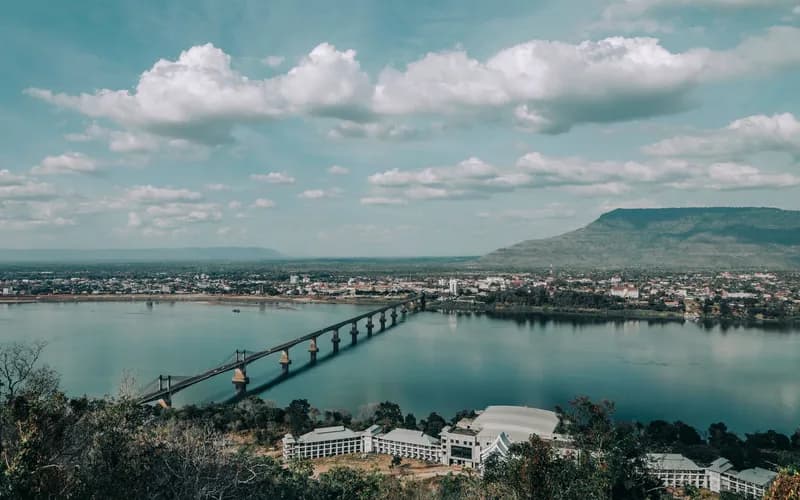
There are further Friendship Bridges down the Mekong: the second at Savannakhet, opposite Mukdahan; the third at Thakhek, opposite Nakhon Phanom; and the fourth in the north at Huay Xai, opposite Chiang Khong, which is also the jumping-off point for the Mekong slow boat. These bridges are efficient and well-used, and combined with the good transport on the Thai side they make Thailand the most straightforward country from which to enter Laos overland.
The China crossing at Boten
In the north, the crossing at Boten has become far more important in recent years, because it is where both the road and the modern railway from China enter Laos. The Laos-China Railway crosses the border here, making Boten the point at which a growing number of travellers now arrive by train from Yunnan. It is a busy, developing crossing, and visa on arrival is available here for eligible travellers who have the necessary documents and fees.
If you are arriving or leaving by the railway, the border formalities at Boten are part of the journey, and our guide to riding the Laos-China Railway covers how the crossing fits into the train experience. As the rail link matures, Boten is likely to become one of the country's most important gateways, a very different border from the sleepy Mekong posts elsewhere.
Get matched with up to 5 trusted Laos agencies
- Free
- No obligation
- Up to 5 agencies
The single Cambodia crossing
To the far south, Laos has just one border crossing with Cambodia, at Nong Nok Khiene on the Lao side and Trapeang Kriel on the Cambodian side, near the Four Thousand Islands. This is the route travellers use to move between southern Laos and northern Cambodia overland, and it is a remote, quiet post rather than a major highway.
There is one critical detail here that trips people up: if you are entering Laos on an e-visa, this Cambodia crossing is the only land border with Cambodia at which the Laos e-visa is valid. Arriving here without the right visa arrangement, or expecting facilities that a remote southern border may not reliably offer, is a common mistake. The crossing has also long had a reputation for informal extra charges, so come prepared with your paperwork in order and small change to hand. Confirm the current requirements against our guide to the Laos digital immigration form and entry rules before you travel.
The Vietnam crossings
To the east, Laos shares around ten crossings with Vietnam, strung through the mountainous frontier. These are generally remote, high and scenic, and they connect the two countries on long, winding routes rather than quick hops. Well-known crossings include the passes used by the through-buses between Lao towns such as Savannakhet or Vientiane and Vietnamese cities, journeys that are long and best undertaken with patience.
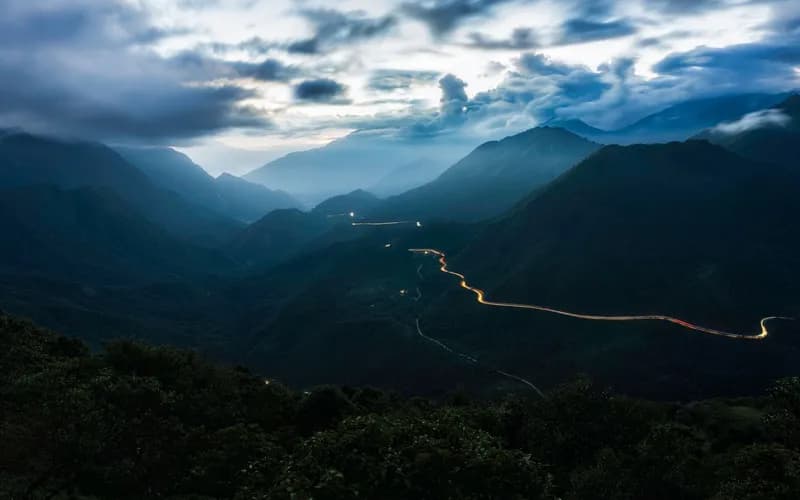
Because these borders are remote, they are also the ones where visa facilities are least certain and where arriving with your visa already arranged is most important. Not every small Vietnam crossing offers visa on arrival, and the long distances mean a turned-back traveller has few options. For anyone planning to enter or leave Laos through Vietnam, sorting the visa in advance and choosing a well-established crossing is strongly advised.
Visas at the border: e-visa versus visa on arrival
The single most important thing to get right is your visa, because the rules differ by crossing. Broadly, many nationalities can obtain a visa on arrival at the major crossings, and an e-visa arranged online in advance is accepted at a defined list of land borders, not all of them. The e-visa saves time and queueing at busy crossings, but it is only valid at specific entry points, so you must match your e-visa to a crossing that accepts it.
This is where travellers most often come unstuck: arriving at a small or remote border with an e-visa that is not valid there, or expecting visa on arrival at a crossing that does not offer it. Before you travel, confirm both that your intended crossing accepts your chosen visa type and what the current fees are; our guides to the Laos e-visa and visa on arrival and to paying in Laos cover the specifics and the cash you will need at the frontier.
Practical tips for a smooth crossing
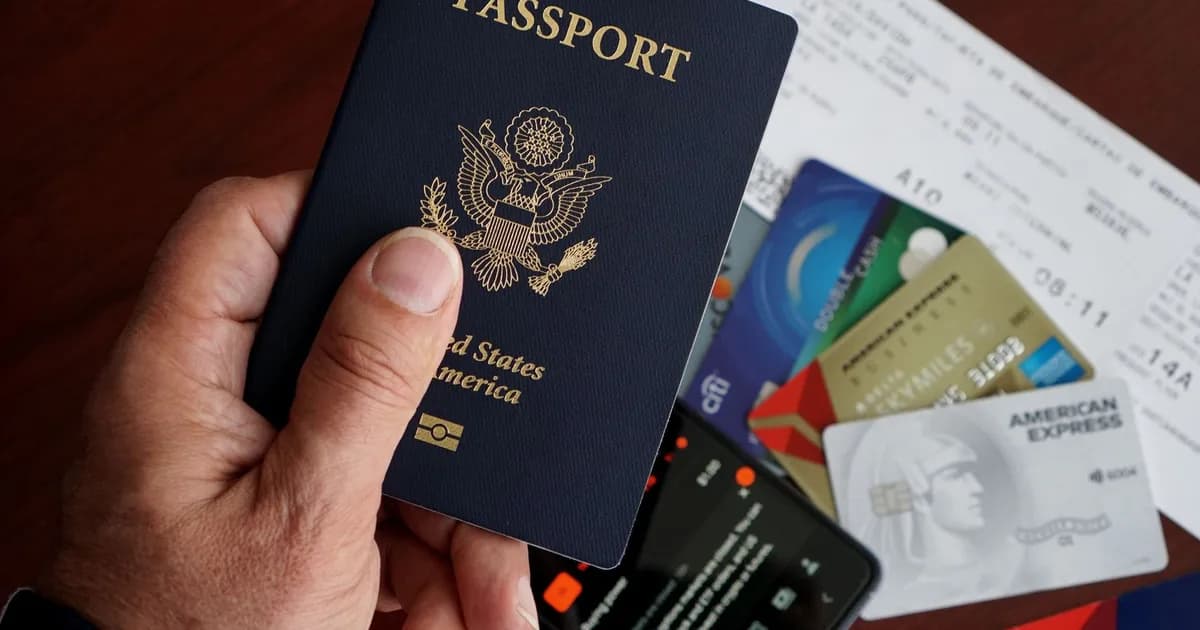
A few habits make any Lao land crossing easier. Carry your passport with at least six months of validity and a couple of spare photos, which some posts still request. Bring US dollars in small, clean notes for visa fees, plus some Thai baht or Lao kip for the incidental charges, shuttle buses, stamp fees and the like, that appear at many crossings and are usually payable in cash only. Arrive in the morning to be safe of opening hours, which at smaller posts can be limited, and never assume a remote border keeps the same hours as a major bridge. Where possible, ask locally or check ahead about the current status of your intended crossing, since posts occasionally close or change their rules at short notice, and a wasted journey to a shut border is a frustration best avoided.
Above all, do not leave the visa to chance. Match your visa type to a crossing that accepts it, keep your documents accessible, and build the crossing into a relaxed timetable rather than a tight connection. Approached with a little preparation, entering Laos overland is one of the great pleasures of regional travel; approached carelessly, it can be the one hiccup in an otherwise smooth and rewarding regional trip, so it is worth the few minutes of preparation it takes. To plan a route that enters and leaves Laos through the right borders, a specialist on our Laos plan-your-journey page can help.
What to Do Next
- Choose your crossing to match your route: the Thai Friendship Bridges for the easiest entry, Boten for arrivals from China, the single southern post for Cambodia.
- Confirm your visa type is accepted at your chosen crossing, as e-visa validity is limited to specific borders.
- Carry US dollars in small clean notes for fees, plus baht or kip for incidental charges payable in cash.
- If entering from Vietnam, arrange your visa in advance and use a well-established crossing.
- Arrive in the morning, keep six months' passport validity, and build the crossing into a relaxed timetable.
Frequently Asked Questions
How many land border crossings does Laos have?
Laos has more than two dozen international land crossings: around a dozen with Thailand, some ten with Vietnam, two with China, one with Cambodia and one with Myanmar. They range from busy Mekong bridges to remote mountain posts, so your choice should match your route and visa.
Which is the easiest way to enter Laos overland?
The Thai Friendship Bridges over the Mekong are the easiest, especially the first bridge from Nong Khai to Vientiane, which has a regular shuttle across the bridge and good transport on the Thai side. These crossings are efficient and well-equipped compared with the remoter borders.
Can I use a Laos e-visa at any land border?
No. The e-visa is accepted only at a specific list of land crossings, not all of them. For the Cambodia border, the Laos e-visa is valid only at the Nong Nok Khiene to Trapeang Kriel crossing. Always match your e-visa to a crossing that accepts it before travelling.
How do I cross from China into Laos?
The main crossing is at Boten in the north, where both the road and the Laos-China Railway enter the country. Visa on arrival is available there for eligible travellers with the right documents and fees, making it a natural entry point for those arriving by train from Yunnan.
What is the crossing between Laos and Cambodia?
There is a single crossing, at Nong Nok Khiene on the Lao side and Trapeang Kriel on the Cambodian side, near the Four Thousand Islands. It is remote, and it is the only Laos-Cambodia land border where the Laos e-visa is valid, so come with your paperwork and some cash in order.
What should I bring to a Lao land border?
Carry a passport valid for at least six months, a couple of spare photos, US dollars in small clean notes for visa fees, and some baht or kip for incidental charges like shuttle buses and stamp fees, which are usually cash only. Arrive in the morning to be safe of opening hours.
Keep reading
More from the ground · Laos