Laos's UXO Legacy in 2026: Funding Cuts, Clearance Progress and What Visitors Can Do
Between 1964 and 1973 the United States flew some 580,000 bombing missions over Laos, and the country is still digging out. In September 2026, as delegates gathered in Vientiane for the Third Review Conference of the Convention on Cluster Munitions, a senior Lao official told reporters that around 80 million unexploded munitions remain in the ground and that international funding for clearance is falling. For a traveller, this is not an abstract statistic. It shapes which fields are safe to walk, which villages can plant rice, and which donations actually matter. This is our reading of where UXO work stands in 2026, what the numbers can and cannot tell you, and how to be a useful visitor rather than a nervous or careless one.
Where the Numbers Come From
The headline figures are familiar by now. More than two million tonnes of ordnance fell on Laos during the Second Indochina War, including roughly 270 million cluster submunitions, often called bombies. Around 30 percent of those are believed to have failed to detonate. That arithmetic is where the widely quoted figure of about 80 million remaining items comes from, and it was repeated in September 2026 by Bounpheng Sisavath of the National Regulatory Authority for UXO/Mine Action.
Treat it as an order of magnitude, not a survey result. It is a modelled estimate built from bombing records and failure rates, and it covers the whole country. The more concrete numbers come from clearance itself. According to the same official, more than a million munitions have been cleared to date, and more than 49,000 items were neutralised in the first eight months of 2026 alone. Other Lao statements give a higher cumulative figure, in excess of two million items destroyed, which probably reflects different counting rules, such as submunitions against all items. We have not been able to reconcile the two, so we quote both and would not build a plan on either.
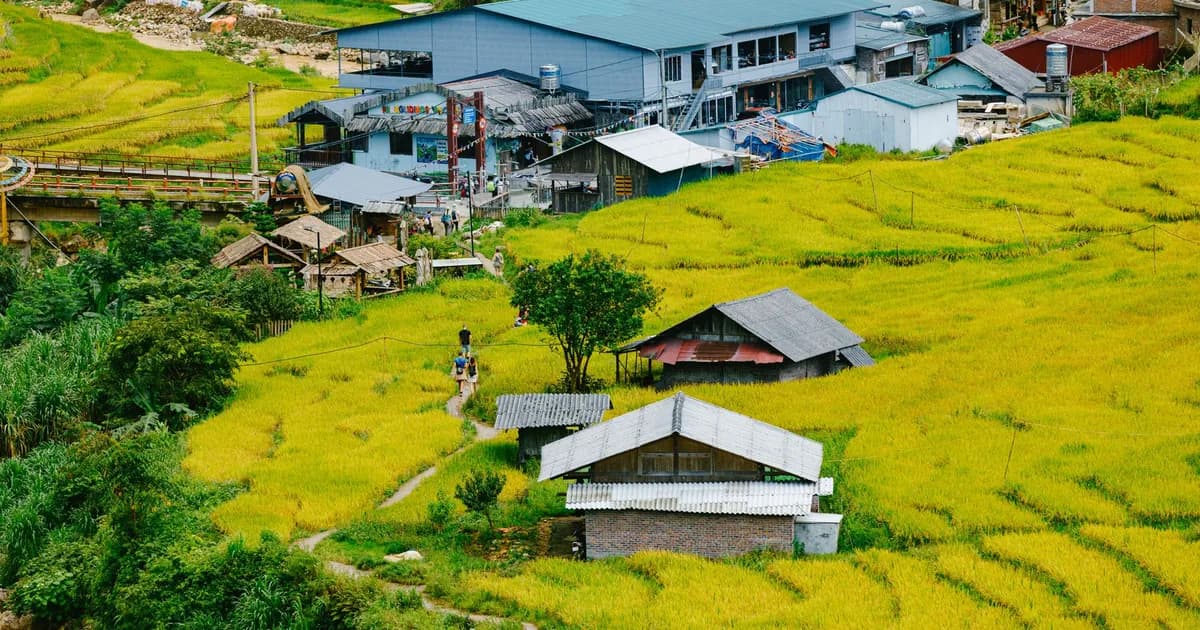
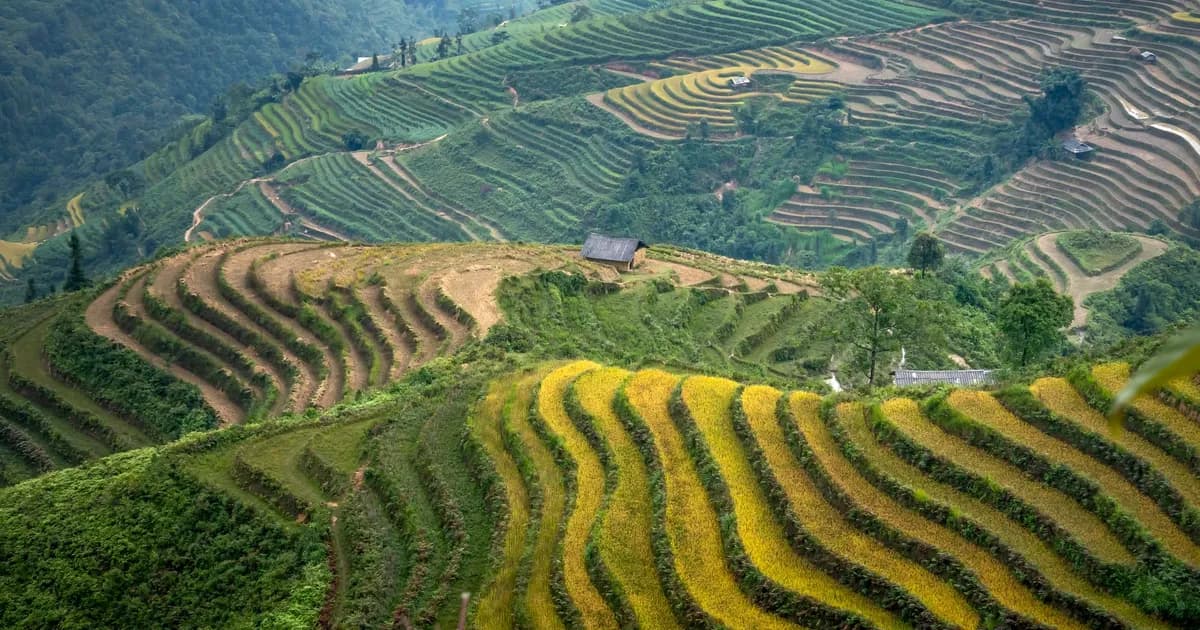
What is clearer is the land. A UNDP briefing in April 2025 put the area identified as hazardous at about 2,367 square kilometres, with about 949 square kilometres cleared so far across the country's provinces. Depth is part of the problem. Bounpheng noted that some items sit on the surface while others lie five or six metres underground, which makes clearance slow and expensive. In March 2026, nine aerial bombs were reported found along the Sekong River, a reminder that discoveries are still routine, not historical.
One request. Up to five tailored proposals.
Skip contacting agencies one by one — share your trip once and let up to five trusted Laos agencies come to you. Free, with no obligation.
Get my free quotesNew Money, Old Gap
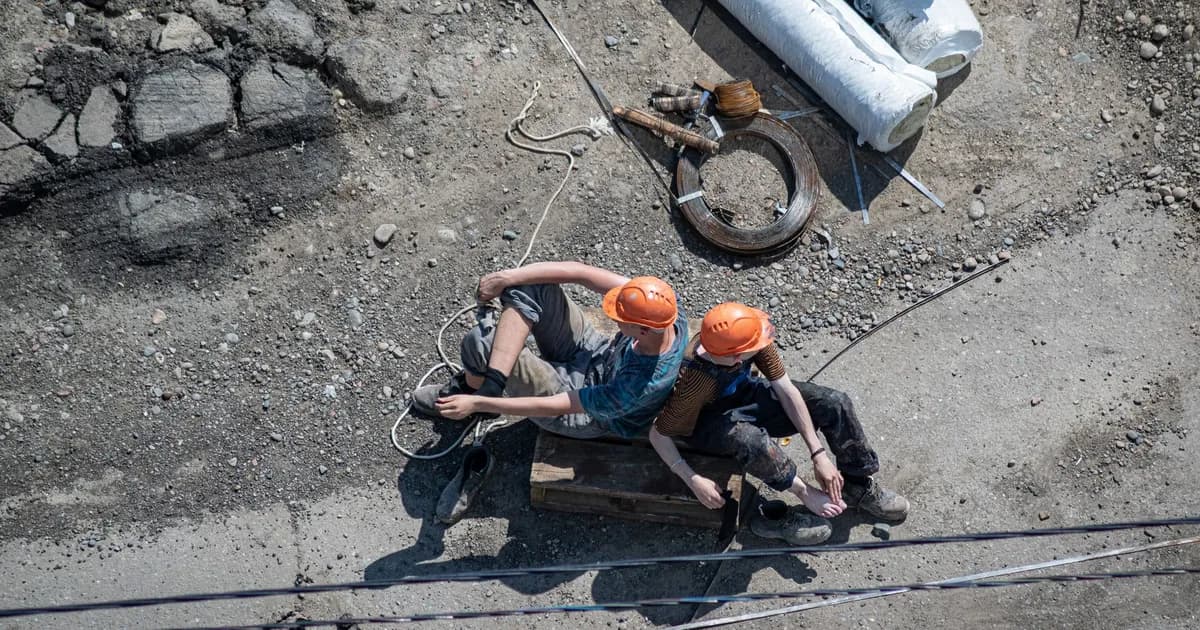
In late August 2026, Laos's Ministry of Foreign Affairs and MAG, the Mines Advisory Group, signed an agreement for a new phase of survey and clearance in Xieng Khouang Province. Lao and English-language reports differ by a day on the signing date, the 26th or the 27th. The United States will provide US$15 million through MAG, with activities running to November 2027. The targets are to survey more than 19 million square metres, clear more than 20 million square metres and deliver risk education and rapid response to community reports. US support for MAG's work in Laos dates back to 2003, and MAG says it has surveyed 1.4 billion square metres and cleared 160 million since 1994, destroying over 350,000 items.
This is genuinely good news for one of the most heavily contaminated provinces, and it deserves to be said plainly. It is also worth putting in proportion. Twenty million square metres is twenty square kilometres. Set against the 2,367 square kilometres identified as hazardous nationally in 2025, that is under one percent. The comparison is only indicative, because one figure is a single province over about fifteen months and the other is a national total from a different date, but it shows the scale of what remains.
The wider funding picture is harder to read. The Lao official speaking in September 2026 said some countries are reducing or ending assistance, without naming them, and we could not find a consolidated figure for the 2026 shortfall. Funding gaps are not new: in 2019 the national operator UXO Lao reported needing an extra US$4.5 million to carry out its work. What matters for a visitor is the direction of travel. Clearance in Laos depends on foreign money, and the programmes that survive tend to be the larger, better-reported ones. Smaller community-level work, including victim assistance, is more exposed.
Who Is Still Getting Hurt
The trend is encouraging. Annual accidents fell from more than 300 in the mid-2000s to 49 by the end of 2024, according to UNDP. In the year to early 2025, official figures counted 9 deaths and 40 injuries, and the first two months of 2025 added 3 deaths and 6 injuries. More than 60 percent of casualties are children. A separate report on 2024 put the child share at 62.5 percent and noted that around a third of accidents involved children playing with explosives. Others happened to people digging or clearing land for farming.
We could not locate published casualty totals for 2025 and 2026, so we have not guessed at them. If you need current numbers for research, the National Regulatory Authority publishes periodic reports and is the right source.
For travellers the practical reading is this. The people hurt are overwhelmingly villagers living and working on contaminated land, not visitors. Risk to tourists on normal routes is low, and it is lowest where you stay on marked paths and tarmac. It is not zero. The sensible response is not fear but habits, and they cost nothing.
Get matched with up to 5 trusted Laos agencies
- Free
- No obligation
- Up to 5 agencies
What It Means for Your Route
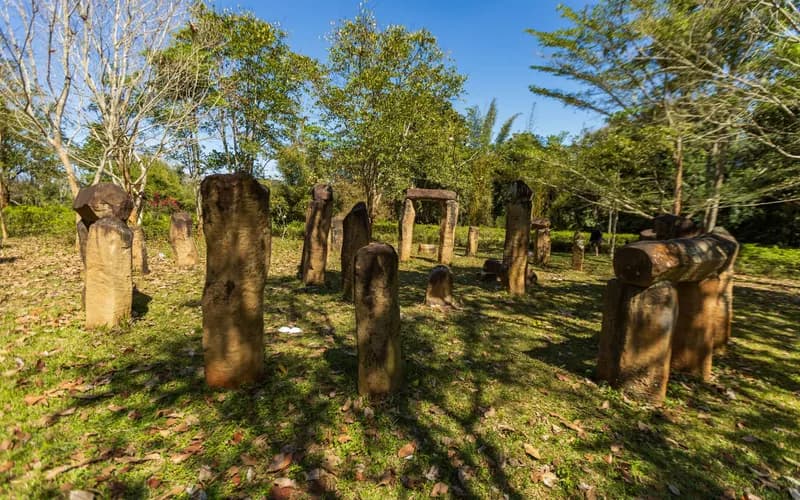
Contamination is not evenly spread. Xieng Khouang, Savannakhet, Khammouane, Salavan and Sekong are usually named among the most affected provinces, though official lists vary. Most visitors meet the issue in Xieng Khouang, where Phonsavan is the base for the Plain of Jars. The main sites there have been surveyed and cleared, with safe paths marked, and the rule is simple: stay between the markers and never step off to investigate. Our focus on Phonsavan and the Plain of Jars covers how to visit well.
A few habits apply anywhere in the countryside. Do not pick up or move any metal object, however old or inert it looks. Keep to established trails when trekking. Avoid unmarked fields and freshly burned ground. Do not accept offers from anyone to show you ordnance, and never pay for it, since that rewards scavenging. Our practical guide to staying safe from UXO in Laos sets out what to do if you find something suspicious: stop, retrace your steps, tell your guide or guesthouse, and let the local operator deal with it.
Two Visitor Centres Worth an Afternoon
Vientiane has two free centres that explain the legacy better than any article. Plan an afternoon for them early in a trip, because they change how you read the rest of the country.
The MAG Laos Visitor Centre sits on Chao Anou Vong Road in Chanthabouly District. It uses interactive maps of bombing patterns, films with community voices, real clearance equipment and examples of recovered ordnance to show how UXO shapes daily life. Entry is free. Sales of postcards and T-shirts and on-site donations go to MAG's operations. MAG notes that UXO remains a hazard in ten of the country's seventeen provinces.
The COPE Visitor Centre is on Khouvieng Road, in the grounds of the Centre for Medical Rehabilitation, across from the Green Park Hotel. COPE works on prosthetics and rehabilitation for survivors. The centre shows the human side of the story, with a small underground cinema, exhibits on rehabilitation and a cafe selling fair-trade coffee. Its website lists opening hours of 8:30 to 16:00 daily and free entry. Hours can change, so check before you go. Our three-day guide to Vientiane shows where the visit fits in the capital.
Giving Well and Spending Well
Falling aid makes visitor money matter more, but only if it goes to the right place. Give to organisations that are accredited, publish their results and work under the national authority. MAG and COPE are the two a traveller is most likely to meet, and both take donations at their centres and online. The state operator UXO Lao also does survey and clearance work. Be wary of informal collections, of anyone offering to show you "bombs" for a fee, and of small charities you cannot verify.
Spending matters too. Community-run tourism keeps money in the villages that live with contamination. If you want to see how that works in practice, our piece on who actually benefits from community tourism in Laos explains how to tell a real community enterprise from a branded one.
One awkward subject is souvenirs made from ordnance scrap, such as spoons and bracelets sold in some towns. People disagree about them. Some see a livelihood that turns a hazard into income, others worry that it creates a market for scavenging. We would not tell you what to do, but we would suggest asking where the metal came from and who receives the money, and never buying anything that looks like a live or partly intact munition.
Finally, our slow travel charter asks us to leave places better than we found them. In a country still clearing its fields, that begins with knowing the history.
What to Do Next
- Read our UXO safety guide before you leave, and share the basic rules with anyone travelling with children.
- Plan an afternoon in Vientiane for the MAG and COPE visitor centres, and check their hours on the day.
- Decide in advance how much you want to donate, and give through an accredited organisation rather than an ad hoc appeal.
- On treks and rural roads, stay on established paths and ask your guide about local contamination.
- If you visit the Plain of Jars, keep between the marked paths at every site.
- Choose homestays and tours that return income to the villages you pass through.
Frequently Asked Questions
Is it safe to travel in Laos given the unexploded ordnance?
Yes, for the great majority of visitors. Casualties are overwhelmingly villagers on contaminated farmland. Staying on roads, marked paths and established trails keeps the risk very low. The key rule is never to touch or move metal objects.
How many unexploded bombs are left in Laos?
Lao officials speak of around 80 million items, a modelled estimate based on roughly 270 million cluster submunitions dropped and a failure rate of about 30 percent. It is an order of magnitude rather than a survey count, and the actual number of hazardous items in the ground is not precisely known.
Which provinces are most affected?
Xieng Khouang, Savannakhet, Khammouane, Salavan and Sekong are usually listed among the worst affected, and MAG says ten of seventeen provinces face UXO hazards. Lists differ, so ask local operators about the area you plan to visit.
What should I do if I find something suspicious?
Stop where you are, do not touch it and retrace your steps along the path you came. Warn others nearby, then tell your guide, guesthouse or village head so the local clearance operator can be contacted.
Are the visitor centres in Vientiane free?
Yes. Both the MAG Laos Visitor Centre and the COPE Visitor Centre advertise free entry and welcome donations. COPE lists opening hours of 8:30 to 16:00 daily, but check before you go.
How can I donate responsibly?
Give directly to accredited organisations such as MAG or COPE, through their centres or official websites. Avoid cash handed to unverified collectors and do not pay anyone to show you ordnance.