Phonsavan and the Plain of Jars: Slow Travel Through Laos's Great Mystery
Scattered across the highland meadows of Xieng Khouang province, in the remote east of Laos, lie thousands of giant stone jars, some as tall as a person and weighing several tons, carved from rock more than two thousand years ago. Nobody is entirely sure who made them, or why. This is the Plain of Jars, one of Southeast Asia's great archaeological mysteries, and the town of Phonsavan is its gateway. It is also a place layered with a much more recent and painful history, and visiting it slowly, with a good guide, is one of the most thought-provoking things you can do in Laos.
Laos's great mystery
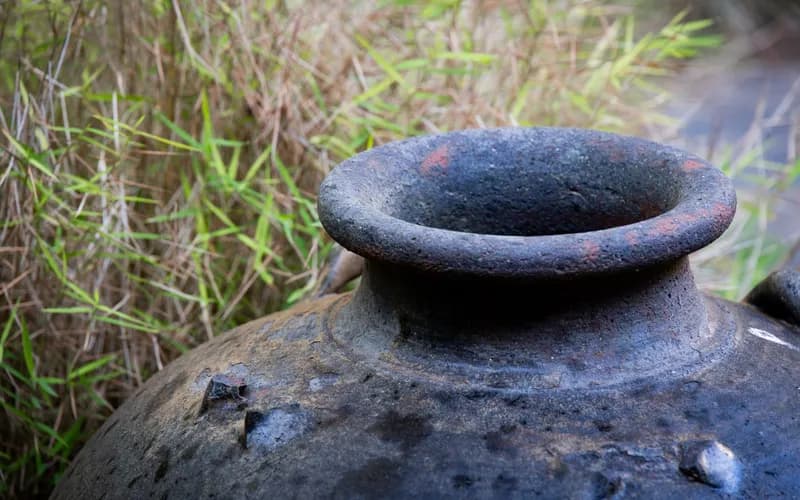
The Plain of Jars is not one field but many, dozens of sites spread across the uplands around Phonsavan, holding an estimated two and a half thousand stone jars in total. The jars are believed to be at least two thousand years old, come in varying sizes up to around three metres high, and are cut from solid rock, which only deepens the puzzle of how and why they were made and moved. For a long time their purpose was guessed at rather than known, and that uncertainty is part of their haunting appeal: you stand among them in the highland silence and feel the weight of a vanished culture. It is exactly the kind of place that rewards the unhurried curiosity our slow traveller's guide to Laos is built around.
One request. Up to five tailored proposals.
Skip contacting agencies one by one — share your trip once and let up to five trusted Laos agencies come to you. Free, with no obligation.
Get my free quotesWhat the jars were for
For all the mystery, the picture is slowly coming into focus. The long-standing theory has been that the jars were connected to ancient funerary practices, and recent research has strengthened that case. In a 2026 report, archaeologists described a large jar at a site some 70 kilometres northeast of Phonsavan that contained the remains of at least 37 individuals, dated roughly between the ninth and thirteenth centuries, suggesting the jar served as a multigenerational burial place. Findings like this are gradually turning folklore and guesswork into evidence, though much about the jars, including who originally carved them and why, remains genuinely unknown.
The sites you can visit
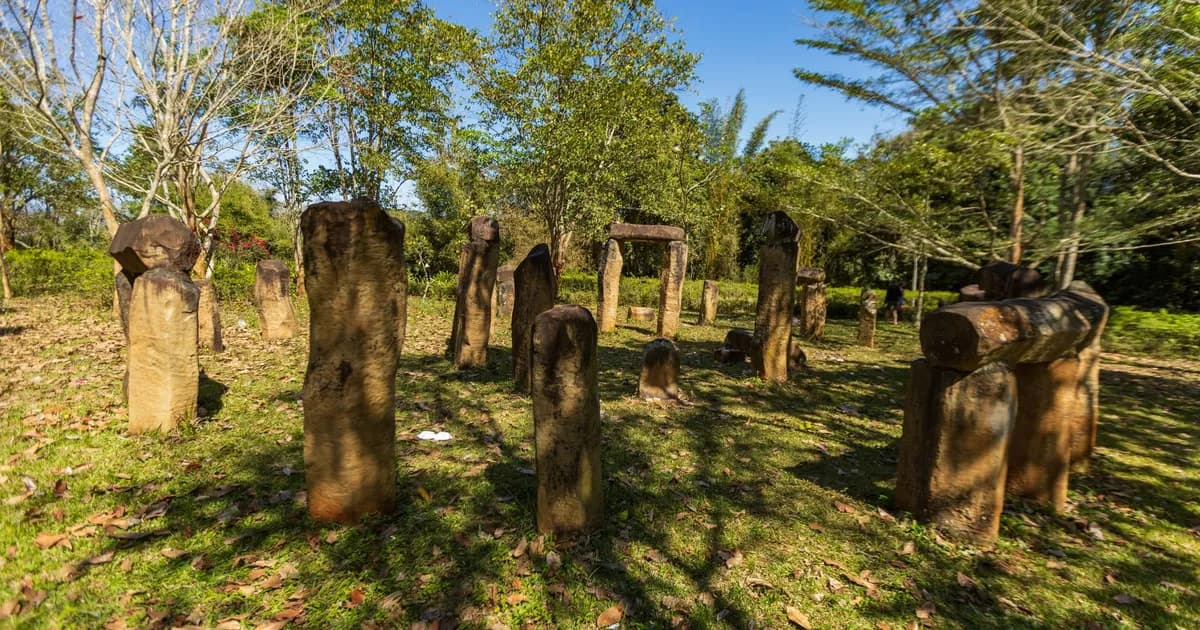
Of the roughly ninety known jar sites, only a small number have been cleared and declared safe for visitors, currently seven, including the numbered Sites 1, 2 and 3, which are nearest to Phonsavan and the most developed for sightseeing. Site 1 is the largest and most visited, with hundreds of jars spread across an accessible hillside; Sites 2 and 3 are quieter, set among trees and rice fields, and reward the extra effort to reach them. Visiting two or three sites over a day, ideally with a knowledgeable local guide who can explain the history and the safety rules, gives a far richer experience than a rushed single stop.
Get matched with up to 5 trusted Laos agencies
- Free
- No obligation
- Up to 5 agencies
A landscape scarred by war
You cannot understand Phonsavan without its recent history. Xieng Khouang was one of the most heavily bombed places on earth during the Secret War of the 1960s and 70s, when vast quantities of ordnance were dropped on Laos. That legacy is everywhere here: in the bomb craters pitting the jar sites, in scrap-metal sculptures and planters made from defused casings, and in the sobering fact that unexploded ordnance still contaminates much of the province. The information centres in Phonsavan run by clearance organisations are essential, humane stops that explain both the jars and the ongoing work to make the land safe. Travelling here thoughtfully means engaging with this history rather than looking past it.
Staying safe among the ordnance
The single most important practical rule at the Plain of Jars is to stay on the cleared paths. Clearance teams, notably the Mines Advisory Group, have painstakingly removed ordnance from the visitable sites and marked safe walking routes, and straying beyond the markers is genuinely dangerous. Follow the marker system, do not wander off to photograph a distant jar, and keep children close. This is not scaremongering; it is the reality of a landscape still being cleared decades after the bombs fell. We cover the wider subject in detail in our guide to UXO safety in Laos, which is worth reading before you go.
Beyond the jars: Phonsavan and around
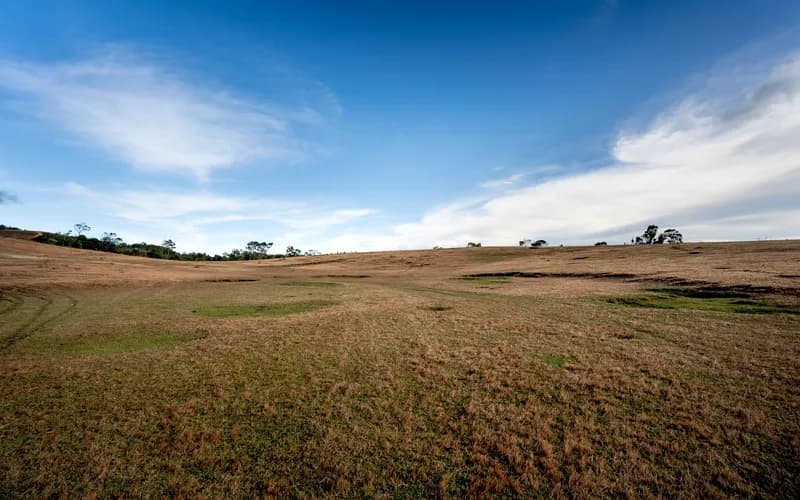
Phonsavan itself is a functional highland town rather than a beauty spot, but it makes a comfortable base and has a character all its own, shaped by the Hmong and other communities of the uplands. The wider area rewards exploration: the old provincial capital of Muang Khoun, itself heavily damaged in the war, with its ruined temples and a surviving Buddha; hot springs; and Hmong villages where you can glimpse highland life. The cool climate, often noticeably chillier than the Mekong lowlands, and the rolling green landscape make it a refreshing change of pace and temperature.
Getting there and the slow road
Reaching Phonsavan is part of the experience, and it is not quick. The town sits high in the mountains, connected to Luang Prabang and Vientiane by winding roads that turn the journey into a long, scenic haul of many hours by bus or shared van. There are also flights into the local Xieng Khouang airport for those short on time. The overland route is beautiful but demanding, with switchbacks that can unsettle weaker stomachs, so come prepared and treat the travel as part of the adventure rather than dead time. Building Phonsavan into a wider loop of northern Laos rewards the effort of getting there.
When to go
The best time to visit is the cool, dry season, roughly November to March, when the highland weather is clear and comfortable and the jar sites are at their most atmospheric under crisp blue skies. The uplands get genuinely cold at night in this season, so pack warm layers, which travellers arriving from the tropical lowlands often forget. The wet season brings green, dramatic landscapes but muddier sites and less reliable roads. Whenever you come, give yourself at least a full day at the sites and a night or two in town rather than trying to see it as a rushed day trip.
How long to stay
Two nights in Phonsavan is a comfortable minimum: a travel day in, a full day for the jar sites and an information centre, and time for Muang Khoun or a village or hot springs before moving on. Rushing the Plain of Jars misses the point entirely; the mystery and the history need quiet and space to land. This is a destination for travellers willing to go out of their way and slow down, which is precisely why it remains uncrowded compared with the honeypots of Luang Prabang and Vang Vieng, and all the better for it. Our off-the-beaten-path Laos guide places it among the country's most rewarding detours.
Eating and sleeping in Phonsavan
Phonsavan is a practical town with a good spread of guesthouses and small hotels to suit most budgets, most of them simple and comfortable rather than luxurious, and a handful with the warm woodstoves you will appreciate on a cold highland night. The food reflects the uplands and the mix of peoples: hearty noodle soups, grilled meats, and the distinctive local dishes of Xieng Khouang, often with more of a warming, mountain character than the lowland Lao kitchen. Markets sell highland produce and the strong local coffee, and a few restaurants double as informal museums of the war era. Eating and staying here is inexpensive, and the town's low-key rhythm is part of its appeal, a real working place rather than a tourist stage set. Our slow traveller's guide to Lao food puts the regional flavours in context.
Travelling here responsibly
Phonsavan asks a particular kind of care from its visitors, because its history is not abstract. Engage seriously with the war legacy at the information centres, and consider supporting the clearance organisations whose work is the reason you can walk the sites safely. Be sensitive when photographing craters, scrap-metal objects and anything connected to the ordnance, remembering that this is lived reality for local families, not a curiosity. Buy from local guides, guesthouses and markets so your visit supports the community directly. This is the kind of thoughtful, respectful travel our wider approach champions, and nowhere in Laos rewards it more clearly than here, where the traveller who slows down and pays attention comes away genuinely changed.
What to do next
- Base yourself in Phonsavan for at least two nights and treat the Plain of Jars as a full day, not a rushed stop.
- Visit Sites 1, 2 and 3 with a knowledgeable local guide, and stay strictly within the cleared, marked paths at all times.
- Make time for a clearance-organisation information centre to understand the war history and the ongoing UXO work.
- Pack warm layers for the cold highland nights, especially in the dry season from November to March.
- Plan the long overland route or a flight, and fit Phonsavan into a wider northern loop, using our plan your journey page.
Frequently Asked Questions
What is the Plain of Jars?
The Plain of Jars is a series of sites across Xieng Khouang province in Laos where thousands of large stone jars, some up to three metres tall and over two thousand years old, lie scattered across the highlands. Their exact purpose is still debated, though evidence increasingly links them to ancient funerary and burial practices.
Is the Plain of Jars safe to visit?
Yes, at the cleared sites, provided you follow the rules. Only a small number of the ninety-odd sites have been cleared of unexploded ordnance and opened to visitors, with safe paths marked by clearance teams. Stay strictly within the markers, do not wander off, and the visit is safe and deeply rewarding.
How do you get to Phonsavan?
Phonsavan is reached by long, winding mountain roads from Luang Prabang or Vientiane, a journey of many hours by bus or shared van, or by a short flight into the local Xieng Khouang airport. The overland route is scenic but demanding, so allow plenty of time and treat the journey as part of the trip.
How many days do you need at the Plain of Jars?
Two nights in Phonsavan is a sensible minimum: time to travel in, a full day for the main jar sites and an information centre, and a little more for the old capital of Muang Khoun, hot springs or a Hmong village. Rushing it as a day trip misses the atmosphere and the history.
When is the best time to visit Phonsavan?
The cool, dry season from November to March is best, with clear skies over the jar sites, though highland nights are genuinely cold, so bring warm layers. The wet season is greener and more dramatic but brings muddier sites and less reliable mountain roads, making travel slower and less predictable.