Extending Your Stay in Laos in 2026: Visa Extensions, Fees and Overstay Rules
Laos has a way of undoing itineraries. Travellers arrive with three weeks planned, spend four days doing nothing in particular in Nong Khiaw, and realise that the visa in their passport is going to expire somewhere around the Bolaven Plateau. The good news is that extending a stay in Laos is one of the more straightforward administrative tasks in the region, and the official fee is set in kip rather than dollars, which in 2026 works strongly in a visitor's favour. The less good news is that the process is paper-based, geographically concentrated and full of third parties charging for things you can do yourself. Here is how it actually works.
What Visa You Are Actually Holding
Before extending anything, establish what you have. Most visitors to Laos arrive on one of three things. A visa exemption, which applies to ASEAN nationals and a handful of others and typically runs 14 to 30 days depending on nationality. A visa on arrival, issued at international airports and the main land borders, valid for 30 days. Or an e-visa obtained in advance through the official Lao government portal, also usually 30 days. A minority arrive on a tourist visa issued by a Lao embassy abroad, which can be granted for up to 60 days.
The distinction matters because the extension rules, and the number of extensions available, are not identical across all of them. If you are not sure which category you fall into, look at the stamp: it states the permitted stay and the date by which you must leave. Our breakdown of Laos e-visa and visa-on-arrival fees in 2026 sets out what each entry route costs and what it grants.
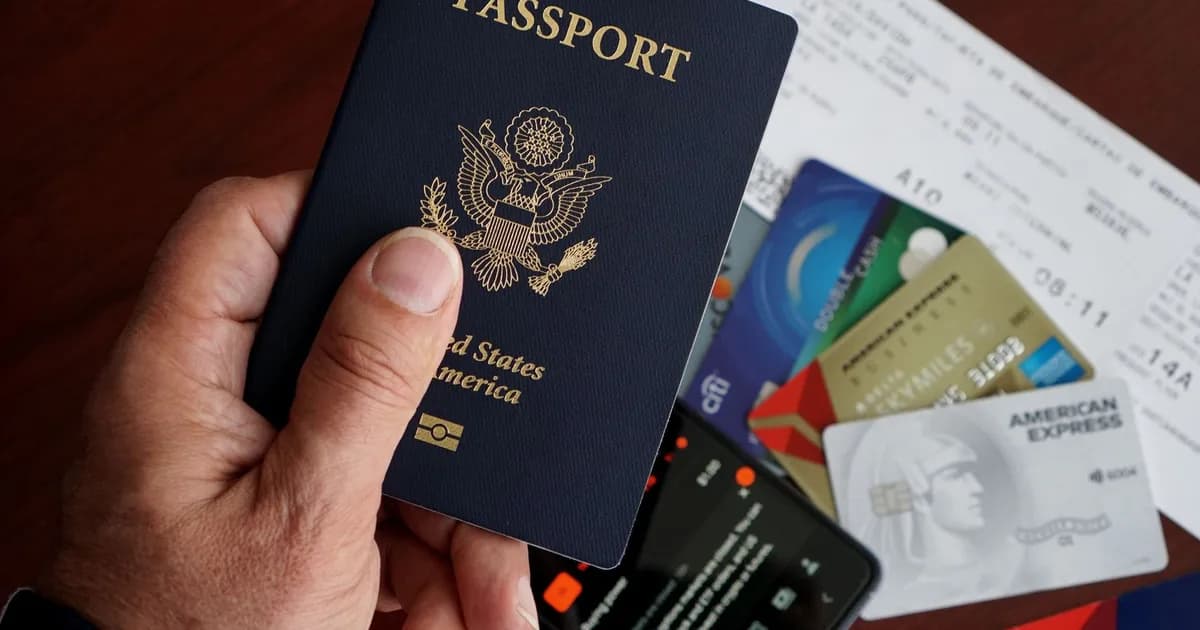
One rule applies to everyone without exception: all foreigners in Laos must hold a valid visa at all times. There is no grace period and no informal tolerance built into the system, only discretion applied afterwards.
One request. Up to five tailored proposals.
Skip contacting agencies one by one — share your trip once and let up to five trusted Laos agencies come to you. Free, with no obligation.
Get my free quotesThe 30-Day Extension: What It Covers
The Lao Department of Immigration extends visas in blocks of 30 days. In practice, a traveller who entered on a 30-day visa on arrival can generally obtain two consecutive extensions, giving a maximum continuous stay of around 90 days before having to leave the country. Those on a 60-day tourist visa issued abroad can usually extend as well, though the total permitted stay is decided case by case.
Two caveats worth stating plainly. First, an extension is a discretionary administrative act, not an entitlement, and immigration officers can decline or shorten it. Second, the published practice has shifted more than once in recent years, so the sensible approach is to treat 30 days as reliable, 60 as likely and 90 as possible rather than guaranteed. Plan your route so that a refusal costs you a bus ticket rather than a flight.
The extension runs consecutively from the expiry of your current permitted stay, not from the day you apply. Applying three days early does not lose you three days.
What It Costs in 2026
This is where Laos becomes unusually good value. The extension fee has been set in Lao kip for several years at 20,000 kip per day of extension, plus a one-off document fee of 30,000 kip. For a full 30-day extension that comes to 630,000 kip.
Because the fee is denominated in kip and the kip has weakened substantially, the dollar cost of a Lao visa extension has fallen sharply. At the rates seen in September 2026, around 22,400 kip to the US dollar, 630,000 kip works out at roughly 28 US dollars. Older official notices and many travel websites still quote figures near 68 dollars, which reflected the exchange rate when the kip fee was introduced rather than any change in the fee itself. Expect to pay the kip amount, in kip.
Same-day or expedited processing, where offered, attracts an additional charge, typically a modest amount in kip. Third-party agents charge considerably more. Bring cash: the immigration office is not a place to discover that your card does not work, and our guide to kip, dollars and the ATM situation explains why carrying kip in small notes is the rule everywhere in the country.
Get matched with up to 5 trusted Laos agencies
- Free
- No obligation
- Up to 5 agencies
Where and How to Apply
The reliable place to extend is the Department of Immigration in Vientiane, on Nong Buek-Dongnaxok Road in Dongnaxok village, Sikhottabong district. Opening hours are Monday to Friday, 08:00 to 16:00, with a lunch closure between 12:00 and 13:00, and applications are generally not accepted on Friday afternoons. Processing normally takes one to three working days, during which the office keeps your passport.
Bring:
- Your passport, with at least six months validity and two blank pages
- One passport photograph, 4 by 6 centimetres, white background
- The application form, available at the office
- Proof of accommodation, such as a guesthouse booking or a letter
- Cash in kip
The accommodation requirement has become more prominent in 2026. Lao tourism authorities instructed tour operators during the year to include confirmed hotel reservations covering the full duration of a visitor's stay in inbound tourism applications, and immigration counters increasingly ask independent travellers for something in writing too. A printed booking confirmation for the period you are extending into is enough. If you are unclear on the entry paperwork that sits alongside this, see our piece on Laos's digital immigration form and entry rules.
Provincial immigration offices in Luang Prabang, Pakse, Savannakhet and elsewhere have at various times processed extensions, but capacity and willingness vary by office and by month. Do not build a plan around one without phoning ahead or asking a local guesthouse to phone for you. If your route does not pass through Vientiane, that is worth knowing several weeks in advance rather than three days before expiry.
Using an Agent or Your Guesthouse
Plenty of travel agencies, guesthouses and visa services will extend a visa on your behalf. They collect your passport, submit it, and return it days later. The convenience is real, particularly if you are in Luang Prabang or Vang Vieng and have no intention of going to Vientiane.
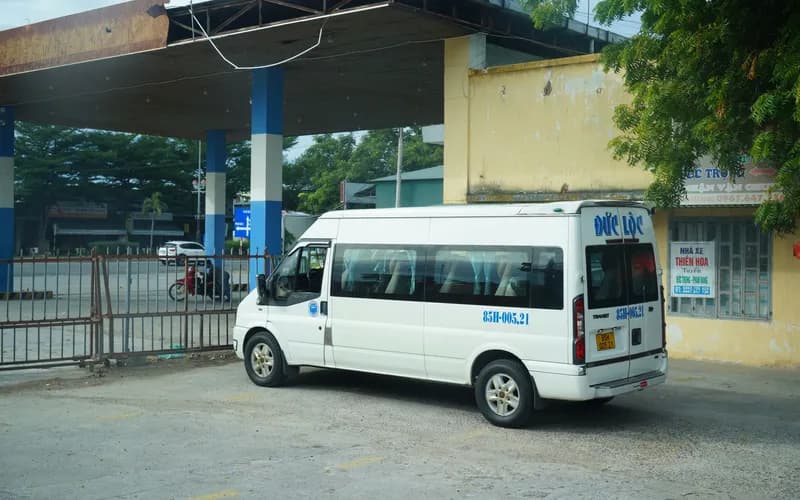
The cost is not. Agents commonly charge two to three times the official fee, and some quote in dollars at rates that bear no relation to the kip amount. There is also a genuine risk consideration: you are handing your passport to a third party, sometimes for several days, sometimes to be couriered to another city. If you use an agent, use one recommended by your guesthouse rather than one found on a street sign, get a written receipt listing the fee and the return date, and photograph every page of your passport first.
Doing it yourself in Vientiane costs a taxi ride and two visits to an office. For most travellers with a spare day in the capital, that is the better deal.
The Border-Run Alternative
The other route is to leave and come back. Exit Laos at a land border, spend as little as an hour on the other side, and re-enter on a fresh visa on arrival for another 30 days. Thai, Vietnamese, Cambodian and Chinese crossings all make this feasible, and the Friendship Bridge at Vientiane is the classic option.
Whether this is better than an extension depends on arithmetic and appetite. A border run costs a new visa fee, transport both ways, exit and entry charges at the crossing, and a day of your life. An extension costs 630,000 kip and a day of your life without the transport. The border run wins if you actually want to spend time in Thailand or Vietnam, and loses if you are only doing it for the stamp.
Two honest warnings. Immigration officers do notice repeated same-border runs and may ask questions or issue a shorter stay. And crossing costs at Lao land borders have been revised and added to in recent years, so check current charges for your chosen crossing rather than assuming. Our overview of Laos's overland entry points covers which crossings issue visas on arrival and which do not.
Overstaying: Fines and Consequences
The published penalty for overstaying a Lao visa is a fine of at least 10 US dollars per day, payable on departure, in addition to any other measures the authorities choose to apply. In severe cases, or where a traveller cannot pay, detention, deportation and a re-entry ban are all possible outcomes.
In practice, Lao immigration has shown some flexibility where an overstay is short, where the traveller reports it themselves rather than being discovered, and where there is a plausible explanation such as illness or a cancelled flight. That flexibility is discretionary and should never be part of a plan.
The practical advice is simple and worth taking seriously: if you are going to overstay, go to an immigration office and say so before you leave, rather than presenting an expired visa at a departure counter with a boarding pass in your hand. The difference in outcome is substantial. For longer or more complex trips, working out the visa arithmetic at the planning stage, alongside routes and seasons, avoids the problem entirely, which is something our plan your journey resources are built around.
Longer Stays and Other Routes
If you want months rather than weeks in Laos, extensions are the wrong instrument. Longer-stay options run through business visas, volunteer or NGO arrangements, study permits and family categories, all of which require a Lao sponsor and none of which can be improvised from a guesthouse. Digital nomads should be aware that Laos does not currently offer a dedicated remote-work visa, and that working while on a tourist visa is not permitted regardless of where the client is.
For an extended slow stay of two or three months in one or two places, the practical combination is a 30-day entry plus two extensions, negotiated monthly accommodation rates, and a realistic exit plan. Our guide to where to stay in Laos covers how weekly and monthly rates work in practice, which is where the real savings on a long stay come from.
What to Do Next
- Check your entry stamp now and write the expiry date somewhere you will see it, not just in your head.
- Decide early whether Vientiane fits your route. If it does, plan the extension there and do it yourself.
- Set aside 630,000 kip in cash for a 30-day extension, plus a little more for expedited processing.
- Get a 4 by 6 centimetre passport photo taken in any Lao town before you need it. They cost very little and every town has a shop.
- Print or save a guesthouse booking covering the extension period as proof of accommodation.
- Apply three to five days before expiry, not on the last day, so a delay does not become an overstay.
- If you must overstay, report it at an immigration office before travelling to the airport or border.
Frequently Asked Questions
How much does a Laos visa extension cost in 2026?
The official fee is 20,000 kip per day plus a 30,000 kip document fee, which comes to 630,000 kip for a 30-day extension. At September 2026 exchange rates that is around 28 US dollars. Agents charge considerably more, and older sources quoting near 68 dollars are using an outdated exchange rate rather than a different fee.
How many times can I extend a Laos visa?
A 30-day visa on arrival can generally be extended twice, for a maximum continuous stay of about 90 days. This is standard practice rather than a guaranteed right, and immigration retains discretion over each application.
Can I extend my visa outside Vientiane?
Sometimes. Provincial immigration offices in cities such as Luang Prabang, Pakse and Savannakhet have processed extensions, but capacity varies and some will decline. Confirm by phone before travelling there specifically, and treat Vientiane as the reliable option.
How long does the extension take?
Normally one to three working days, during which the immigration office holds your passport. Some offices offer same-day or expedited processing for an additional charge. Do not plan onward travel that requires your passport during this window.
What happens if I overstay my Laos visa?
You should expect a fine of at least 10 US dollars per day at departure. Longer overstays can lead to detention, deportation and a ban on re-entry. Self-reporting a short overstay at an immigration office before leaving usually produces a far better outcome than being discovered at the border.
Is a border run cheaper than an extension?
Rarely, once you count the new visa fee, transport both ways and border charges. A border run makes sense if you genuinely want to spend time in the neighbouring country, not as a cost-saving measure.
Do I need proof of accommodation to extend?
Increasingly, yes. Bring a printed booking confirmation covering the period you are extending into. Lao authorities tightened accommodation-documentation expectations for inbound tourism during 2026, and counters now commonly ask independent travellers for something in writing.
Keep reading
More from the ground · Laos