Why Laos Is Becoming Southeast Asia's Slow-Travel Refuge in 2026
For years, Laos has been Southeast Asia's quiet understudy, the country travellers meant to visit but often skipped in favour of Thailand's beaches, Vietnam's energy or Cambodia's temples. In 2026 that is changing, and the very qualities that once kept Laos in the shadows, its calm, its lack of crowds, its unhurried pace, are now exactly what a growing number of travellers are seeking. As its neighbours wrestle with the pressures of overtourism, Laos is stepping into the spotlight not by becoming louder, but by staying gloriously quiet. For anyone drawn to slow travel, it is one of the most encouraging stories in the region.
This is not simply a matter of Laos being overlooked and finally noticed. It reflects a genuine shift in what travellers want, and a country that happens to embody it almost perfectly. Understanding why Laos is having its moment helps you appreciate what makes it special, and how to experience it before the word fully gets out.
The country that slow travel describes
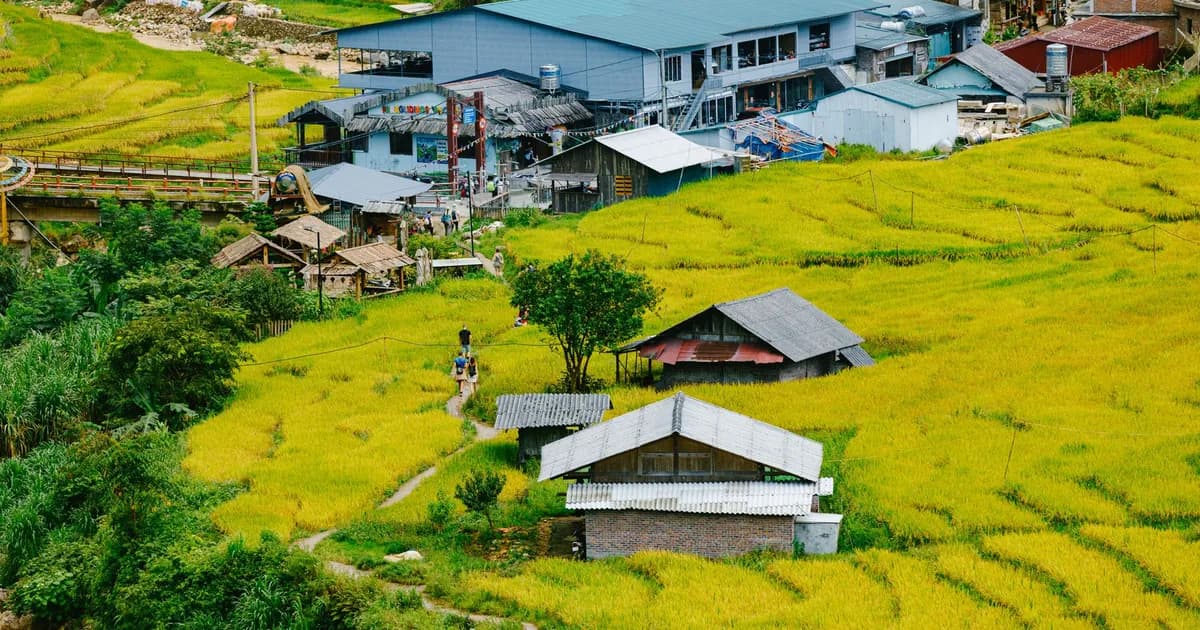
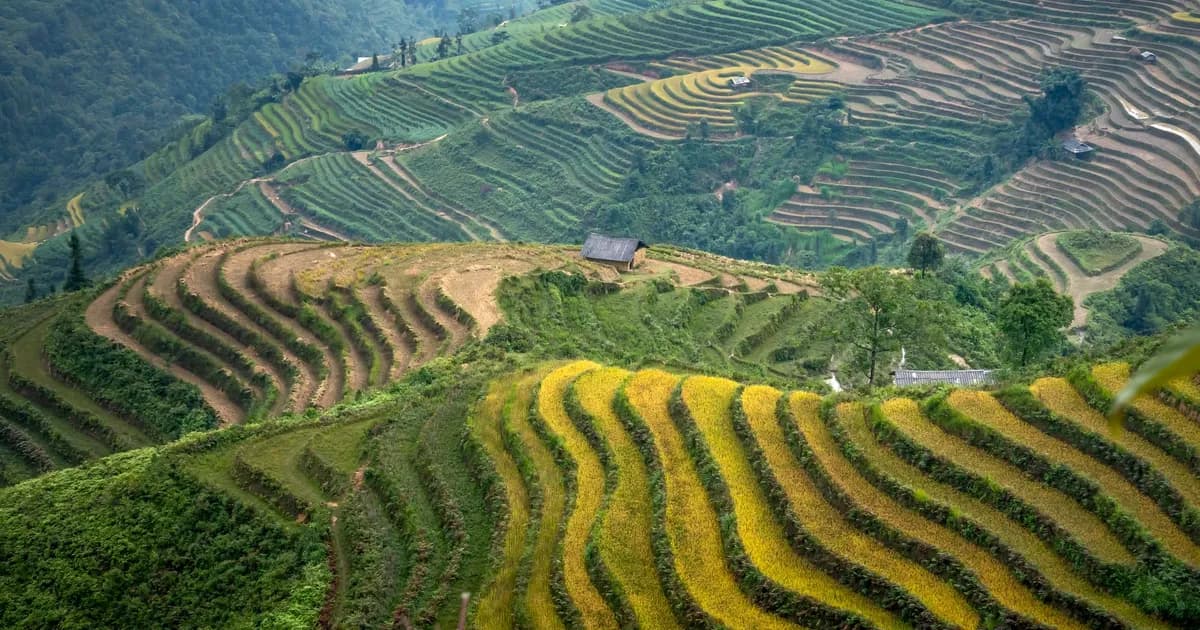
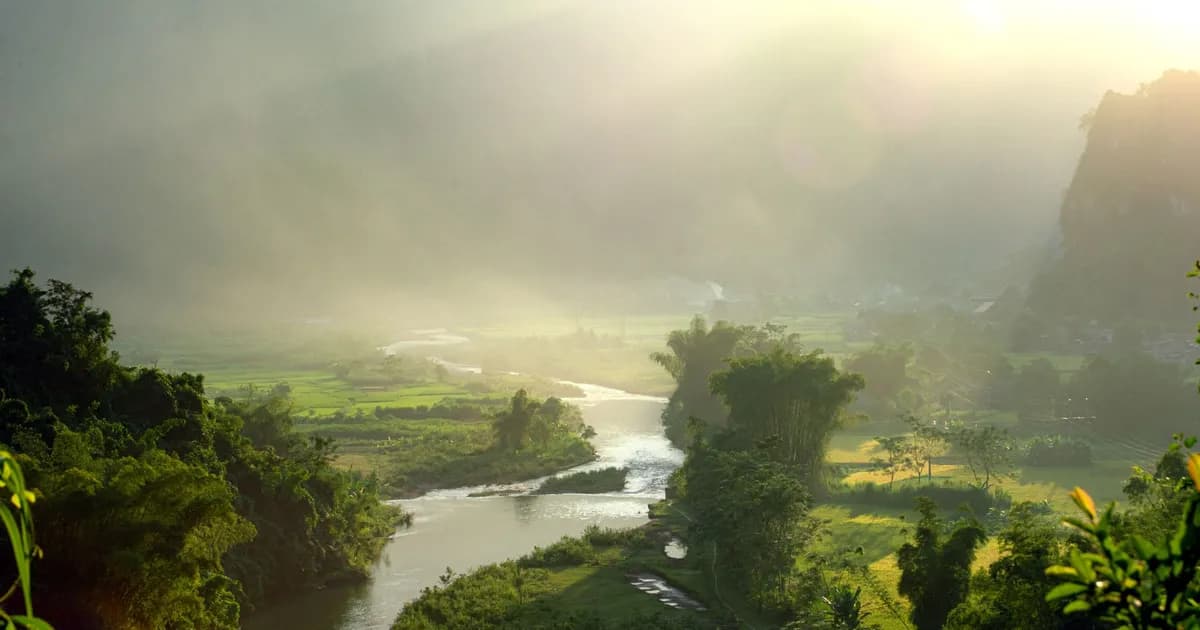
If you set out to design a destination around the principles of slow travel, you would arrive at something very like Laos. This is a country of emerald rivers, misty mountains and serene landscapes, where the rhythms of life are unhurried and the pressure to rush simply does not exist. Where its neighbours can feel frantic, Laos invites you to slow down, to stay longer, to sink into a place rather than skim across it. It is, almost by nature, the embodiment of the slow-tourism ethos.
That fit is not accidental in its appeal. A rising number of travellers are consciously rejecting the checklist approach, seeking depth, calm and authenticity over sights and speed. Laos offers exactly that, not as a marketing angle but as a lived reality, which is why it resonates so strongly with the kind of traveller who wants to feel a country rather than consume it. For travellers weary of the crowds and the noise elsewhere, it offers something genuinely restorative: room to breathe, time to think, and a pace that lets a place seep in rather than rush past. It is the natural home of the philosophy set out in our slow-travel charter.
One request. Up to five tailored proposals.
Skip contacting agencies one by one — share your trip once and let up to five trusted Laos agencies come to you. Free, with no obligation.
Get my free quotesRiding the wave away from overtourism
The wider context is a growing unease with crowds. Research into traveller preferences has found that a large share of people now actively want to avoid overcrowded destinations, and an even larger majority say sustainable, low-impact travel matters to them. As the honeypots of the region strain under their own popularity, travellers are looking for alternatives that still offer beauty and culture without the crush, and Laos is an obvious answer.
This is the same dynamic reshaping travel across the region, and Laos is a prime beneficiary. It offers the temples, the landscapes and the cultural depth people come to Southeast Asia for, but with a fraction of the visitors. For travellers who have found the famous spots elsewhere overwhelming, the appeal of a country where you can still have a viewpoint, a village or a stretch of river largely to yourself is powerful and growing.
The north leads the way
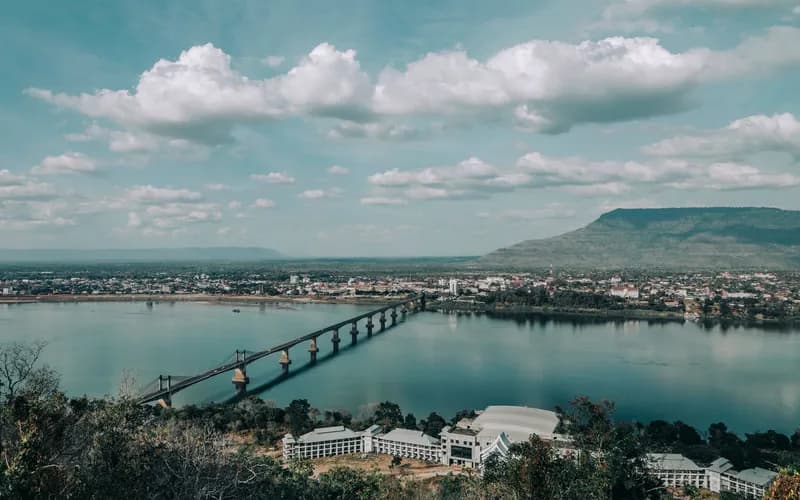
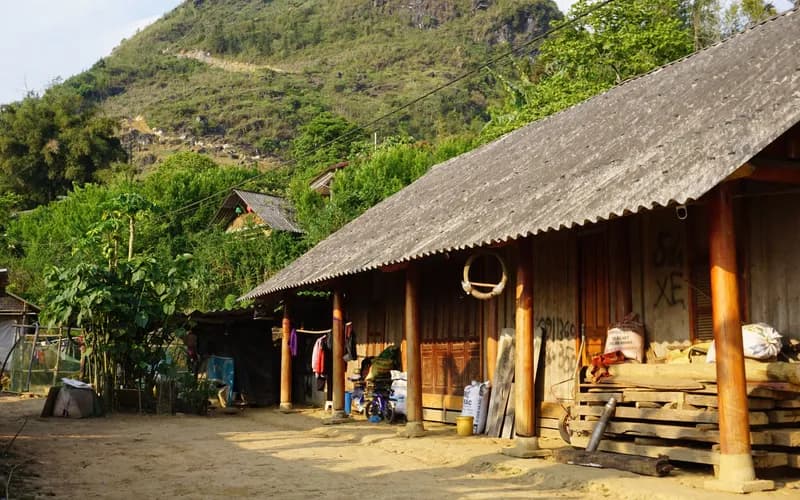
Much of the momentum is concentrated in Laos's northern provinces. Areas such as Luang Namtha, Bokeo, Phongsaly and Oudomxay are increasingly positioned as destinations where visitors can experience the country at its slowest and most authentic, beyond the established draw of Luang Prabang. These are places of forested mountains, ethnic-minority villages and community-based trekking, where tourism is deliberately being developed in a low-impact, community-focused way.
This northern focus matters because it channels the growing interest into exactly the kind of tourism that benefits local communities and protects the landscape. Trekking routes are being improved and supported by ethical guides, and there is a real emphasis on homestays, small-scale experiences and cultural preservation. Our guide on how to trek responsibly in Laos explores how to engage with this in a way that genuinely helps.
Get matched with up to 5 trusted Laos agencies
- Free
- No obligation
- Up to 5 agencies
Sustainability moves to the centre
The other defining feature of Laos's 2026 moment is a deliberate emphasis on sustainable, community-based tourism. Across the country you now find more sustainable homestays, organic farms and curated cultural experiences than ever before, with a growing focus on ecotourism, community travel and heritage preservation. Rather than chasing mass-market volume, Laos is leaning into a model built around depth, authenticity and low impact.
This is a shrewd position as well as a principled one. It aligns Laos with what a large majority of travellers now say they want, and it protects the very things, the landscapes, the cultures, the calm, that make the country special in the first place. It is a model that treats tourism as something to be nurtured carefully rather than exploited quickly, which is precisely why it appeals to thoughtful visitors.
The railway paradox
No account of Laos's changing fortunes is complete without the railway. The Laos-China high-speed line has transformed access to the country, slashing journey times and making once-remote regions reachable in hours. It is a major reason Laos is no longer just a stopover but a primary destination, and it has opened the north to travellers who would previously have found it too hard to reach.
Yet the railway also poses the central question of Laos's moment: can it grow its tourism without losing the very quiet that makes it special? Faster access brings more visitors, and the challenge is to channel that growth into the sustainable, community-focused model the country is pursuing rather than the mass tourism that has strained its neighbours. We explore this tension in detail in our piece on how the Laos-China railway is reshaping travel, and it is the defining balancing act of the years ahead.
What it means for you
For the traveller, the practical message is both simple and a little urgent: Laos is having its moment, and now is a wonderful time to experience it. The country still offers a depth of calm and authenticity that is increasingly rare in the region, but the forces bringing it into the spotlight, better access, growing awareness, will inevitably change it over time. Visiting now, and visiting slowly and responsibly, lets you experience Laos at its best while supporting the sustainable path it is trying to follow.
That means staying longer, venturing into the quieter north, choosing community-based experiences and local businesses, and treating the country's calm as something to protect rather than merely consume. Laos rewards exactly this kind of traveller, and its transformation from overlooked neighbour to slow-travel refuge is a reminder that the best experiences often lie just off the well-worn path. Our plan your journey page can help you shape a trip that does the country justice.
Being part of the solution, not the crowd
There is a paradox at the heart of Laos's moment that every thoughtful traveller should sit with. The very act of visiting a quiet place in growing numbers is what threatens its quiet, and the enthusiasm now gathering around Laos carries the seeds of the overtourism its neighbours are struggling with. This is not a reason to stay away; tourism, done well, is one of the strongest arguments for protecting landscapes and sustaining cultures. But it is a reason to travel thoughtfully, aware that how you visit matters as much as whether you do.
Being part of the solution rather than the problem is largely a matter of choices. Spreading out beyond the handful of famous sites, staying longer in fewer places, choosing locally owned guesthouses and community-run experiences, and spending your money where it reaches ordinary people all help ensure that tourism strengthens rather than distorts. So does behaving as a guest rather than a consumer: respecting local customs, treading lightly on the environment, and resisting the temptation to demand that a place bend to your comforts.
There is also a case for humility about the country's trajectory. Laos will change, as every destination does, and part of travelling well is accepting that you are visiting a living country on its own path rather than a preserved museum for your benefit. The most rewarding way to experience Laos in 2026 is to meet it as it is, quiet, imperfect, unhurried and genuine, and to leave it a little better for your passing. That is not only the ethical way to travel here; it is also, not coincidentally, the way to have the richest experience, because the traveller who slows down, engages and gives back is the one who sees the country most deeply. It is a rare privilege to catch a country at this moment, and the travellers who treat that privilege with care will be rewarded with the Laos that first drew the world's quiet attention.
What to Do Next
- Consider Laos precisely because it is quieter than its neighbours, and plan a longer, slower stay.
- Venture beyond Luang Prabang into the northern provinces such as Luang Namtha and Phongsaly for the most authentic experience.
- Choose community-based homestays, ethical treks and local businesses that channel your spending into the sustainable model.
- Use the improved rail access thoughtfully, without letting speed tempt you into rushing.
- Travel now, while the calm remains, and travel responsibly to help protect it.
- Shape a slow, low-impact itinerary with our plan your journey page and slow-travel charter.
Frequently Asked Questions
Why is Laos becoming popular in 2026?
Because the calm, uncrowded, authentic experience it has always offered is exactly what a growing number of travellers now want. As neighbouring countries grapple with overtourism, Laos stands out as the region's quiet, slow-paced alternative.
Is Laos really less crowded than its neighbours?
Yes. It receives far fewer visitors than Thailand or Vietnam, and outside a few key sites you can often have viewpoints, villages and stretches of river largely to yourself, which is a large part of its growing appeal.
Where should I go for the quietest experience?
The northern provinces such as Luang Namtha, Bokeo, Phongsaly and Oudomxay are increasingly the focus for authentic, slow travel, offering forested mountains, ethnic-minority villages and community-based trekking beyond the better-known Luang Prabang.
How is the Laos-China railway changing things?
It has dramatically improved access, turning Laos from a stopover into a primary destination and opening once-remote regions. The challenge is to grow tourism sustainably without losing the quiet that makes the country special.
Is tourism in Laos sustainable?
Increasingly so. There is a deliberate emphasis on community-based tourism, sustainable homestays, ecotourism and heritage preservation, aligning the country with what most travellers now say they want and protecting its landscapes and cultures.
Should I visit Laos now or wait?
Now is a wonderful time. The country retains a rare calm and authenticity, but growing access and awareness will change it over time, so visiting soon, slowly and responsibly, lets you experience Laos at its best.