How to Trek Responsibly in Laos: Choosing a Community Homestay Trek
Trekking is one of the great experiences Laos offers, and increasingly one of the best reasons to visit. Beyond the temples and the rivers lies a country of forested mountains, remote ethnic-minority villages and protected areas, and walking through it with a good guide, staying overnight with a local family, is about as deep and rewarding as travel gets. But trekking well in Laos is not just about fitness or scenery. It is about choosing an operator and an experience that genuinely benefits the communities and landscapes you pass through, rather than extracting from them. This guide explains how to trek responsibly, and why the choices you make matter as much as the trail you walk.
Done thoughtfully, a community-based trek is a small engine of good: it puts income directly into remote villages, gives value to forests worth protecting, and creates a genuine exchange between visitor and host. Done carelessly, trekking can intrude on communities, distort local life and leave little behind. The difference lies almost entirely in how you choose, and that is well within your control.
Why responsible trekking matters in Laos
Laos is home to a rich patchwork of ethnic-minority communities whose ways of life are closely tied to the forest, and much of the best trekking passes directly through their villages and lands. That intimacy is what makes it special, but it also brings responsibility. These are people's homes, not attractions, and the way tourism is conducted has a real effect on them, for better or worse.
Responsible, community-based trekking is designed to make that effect positive. It ensures that a fair share of what you pay reaches the villages themselves, that visits are managed in a way that respects local life, and that the forest becomes an asset the community has a reason to protect. This model sits at the heart of the sustainable turn we describe in our piece on why Laos is becoming a slow-travel refuge, and choosing it is one of the most meaningful decisions a traveller can make.
One request. Up to five tailored proposals.
Skip contacting agencies one by one — share your trip once and let up to five trusted Laos agencies come to you. Free, with no obligation.
Get my free quotesWhere to trek: the northern heartland
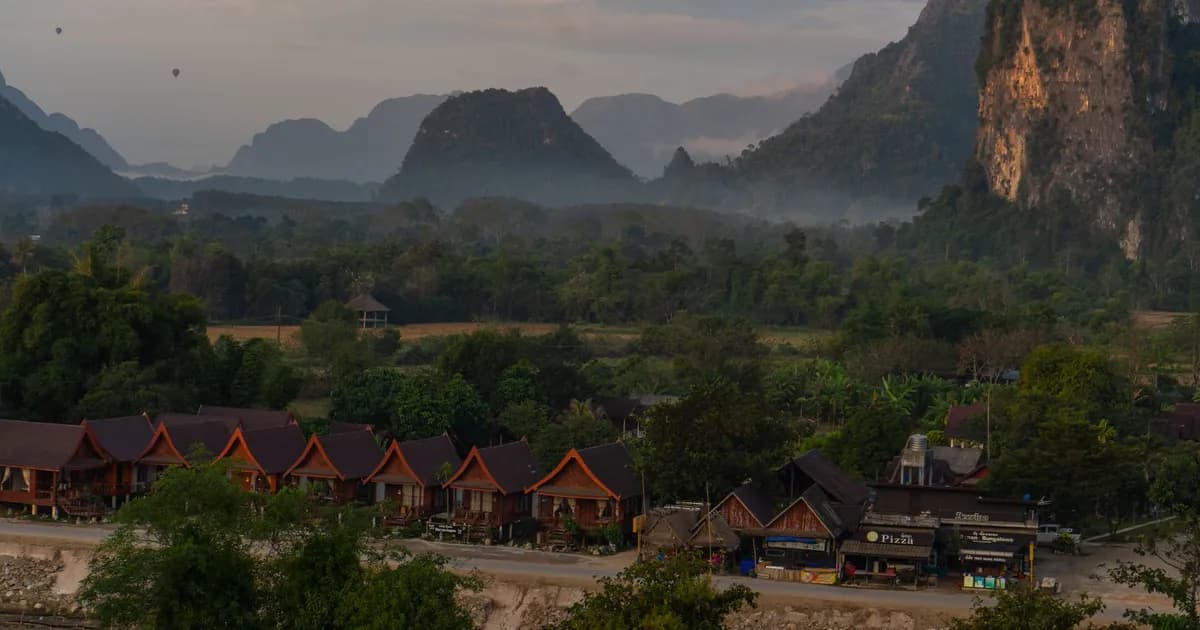
The heartland of trekking in Laos is the north, where provinces such as Luang Namtha, Bokeo, Phongsaly and Oudomxay offer forested mountains, protected areas and a wealth of village-based routes. Luang Namtha, with the Nam Ha protected area on its doorstep, has long been a pioneer of community-based ecotourism and remains one of the best places to organise a responsible trek. Further north and east, Phongsaly and the surrounding provinces offer some of the remotest and most rewarding walking in the country.
These northern routes range from gentle day walks to multi-day treks with overnight village homestays, and the variety means there is something for most levels of fitness and experience. The Nam Ou valley around Nong Khiaw is another superb and accessible base, combining dramatic karst scenery with village walks. Wherever you choose, the north is where Laos's trekking is at its best and its most community-focused.
How to choose a responsible operator
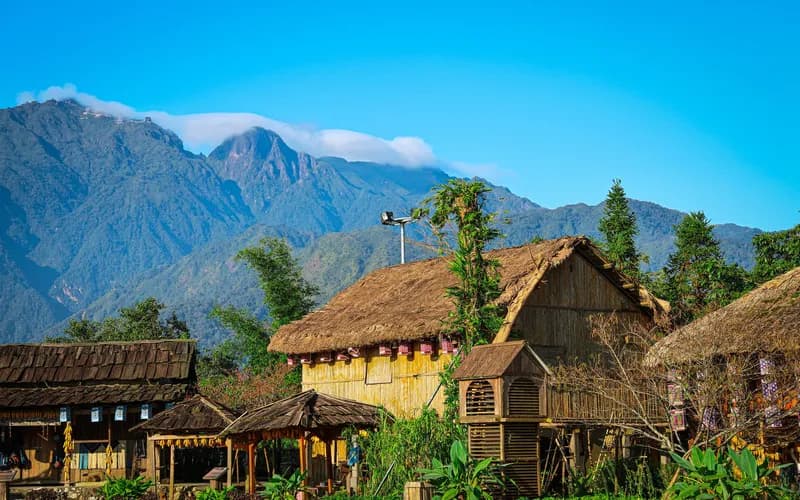
The single most important decision is which operator you trek with, because that determines where your money goes and how the experience is run. Look for operators, often provincial ecotourism offices or established community-based tourism initiatives, that are transparent about how revenue is shared with villages, that limit group sizes, and that rotate visits between communities so no single village is overwhelmed. Ask directly how much of the fee reaches the village, and be wary of anyone who cannot answer clearly.
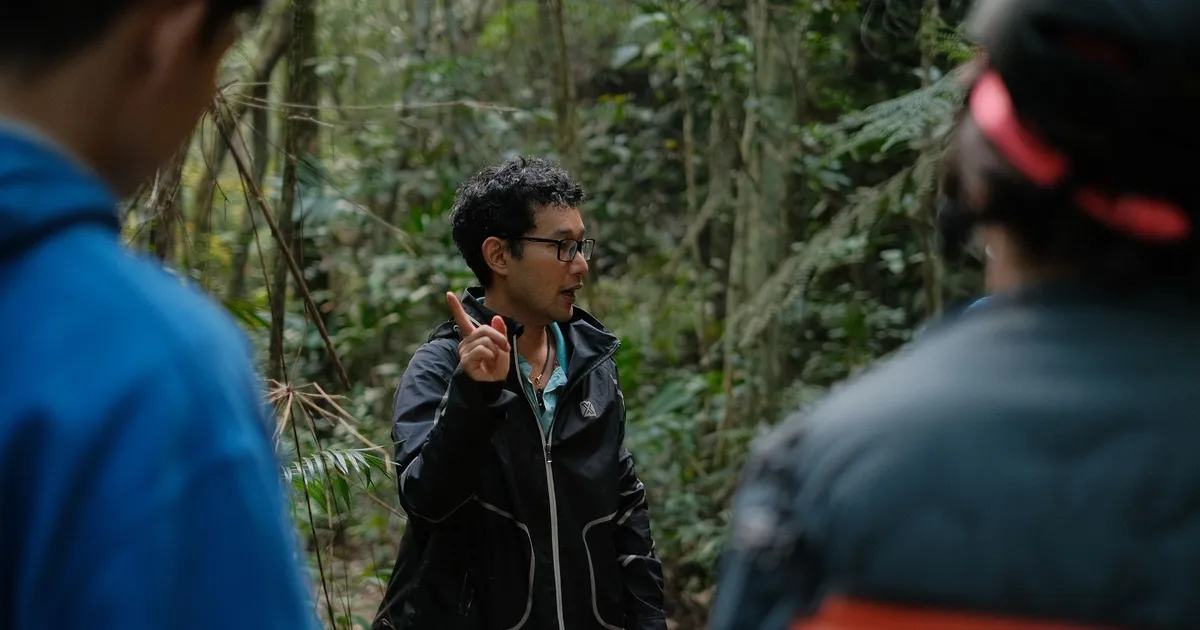
Good signs include the use of local guides from the communities themselves, partnerships with village households for homestays and meals, and a clear code of conduct for visitors. The best operators see themselves as stewards of a long-term relationship with the villages, not as sellers of a one-off product. A little research before you book, reading reviews and asking questions, quickly separates the genuinely responsible from the merely marketed.
Get matched with up to 5 trusted Laos agencies
- Free
- No obligation
- Up to 5 agencies
Homestay etiquette and cultural respect
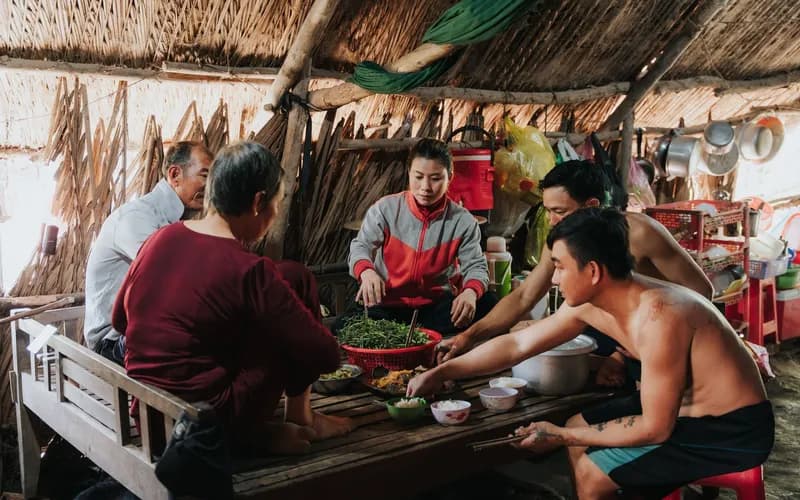
Staying overnight in a village home is the heart of a community trek, and doing it well requires sensitivity. You are a guest in someone's home and community, so modest dress, quiet behaviour and a willingness to follow your hosts' lead go a long way. Always ask before photographing people, remove your shoes where expected, and accept hospitality graciously while being mindful not to create expectations that burden the household.
Small gestures matter. Learning a few words of greeting, showing genuine interest in your hosts' lives, and being an easy, low-maintenance guest all make the exchange better for everyone. The broader principles of respectful conduct in Laos, around temples, elders and the famous alms ceremony, apply on the trail too, and our guide to cultural etiquette in Laos is essential reading before you go. Treating a homestay as a genuine human encounter rather than a photo opportunity is the whole point.
Practical preparation
A responsible trek is also a well-prepared one. Match the trek to your real fitness, be honest about your limits, and choose a route accordingly rather than overreaching. Pack sensibly: sturdy footwear, layers for cool evenings and forest mornings, rain protection, a good water bottle and any personal medication, and travel as light as you comfortably can. Carry enough cash, as the villages and small towns where you organise treks rarely take cards.
Timing matters too. The cooler, drier months from roughly November to February are generally the best for trekking, with more comfortable temperatures and better trail conditions, while the wet season brings leeches, mud and swollen streams. Build rest into your plans and do not try to cram a demanding trek into a rushed schedule; the point of a Laos trek is immersion, not endurance. Our slow traveller's guide to Laos can help you fit a trek into a well-paced trip.
Making your trek count
Ultimately, the value of a responsible trek lies in the small, cumulative choices that direct your presence and your money towards genuine benefit. Booking through a community-based operator, buying handicrafts directly from villagers, respecting local customs, and treating the whole experience as an exchange rather than a transaction all add up to tourism that helps rather than harms. In a country actively trying to build a sustainable, community-focused model, the responsible traveller is not a bystander but a participant in that effort.
That is what makes trekking in Laos so rewarding: it is not just a beautiful walk but a chance to travel in a way that leaves a place better, or at least no worse, than you found it. For help arranging it, our directory of Laos travel agencies can point you towards operators who take this seriously.
What a Laos trek is actually like
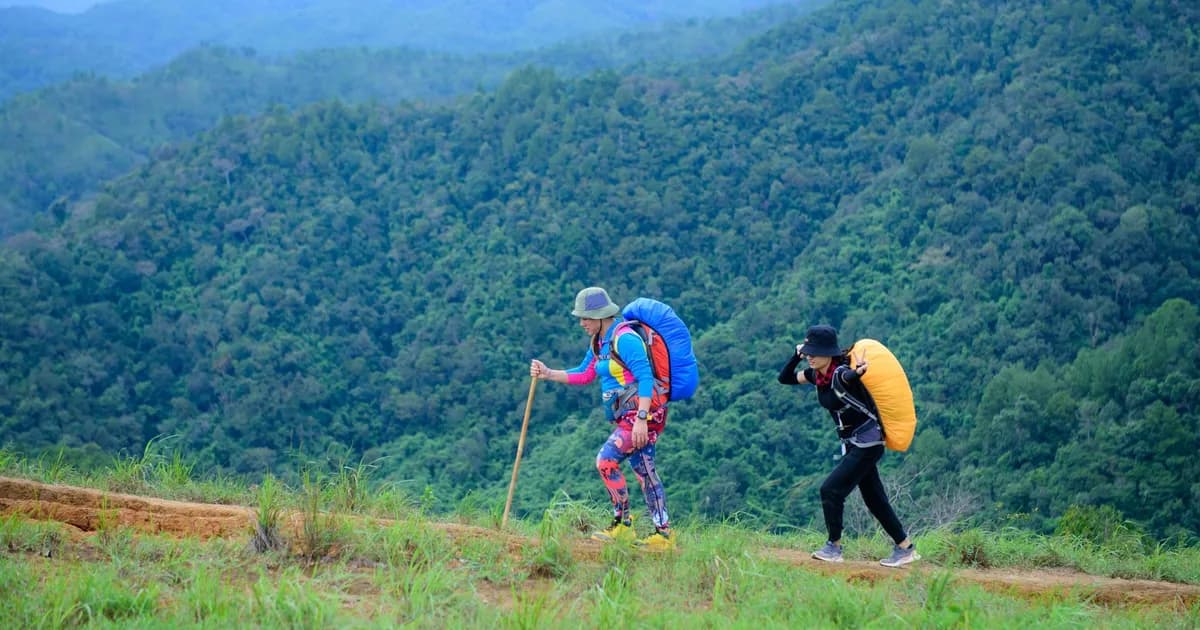
It helps to know what the experience feels like day to day, because a Laos trek is less about summits and more about immersion. A typical day involves several hours of walking along forest paths and between fields, at a moderate pace with plenty of pauses, punctuated by stops to rest, eat and take in the scenery. The terrain in the north is hilly rather than alpine, so the challenge is steady rather than extreme, though heat, humidity and uneven paths still make it real work. Your guide sets the rhythm, and a good one weaves in explanation along the way, pointing out plants used in medicine or cooking, explaining farming practices, and reading the forest in a way no map can.
The landscape itself is the reward. You pass through dense forest and bamboo groves, cross streams, climb to ridge-top views over endless green hills, and walk into villages where daily life carries on around you. The ethnic diversity of the north means that neighbouring villages can belong to entirely different communities, with their own languages, dress and customs, and a good trek reveals this human patchwork as much as the natural one. Encounters are often quiet and unforced: children watching, a farmer nodding from a field, an elder sharing a moment of hospitality.
Evenings are the heart of it. Arriving at a village homestay, washing off the day, and settling in for a communal meal cooked over a fire is where the real exchange happens. Conversation may be halting and mediated by your guide, but the sense of being welcomed into a rhythm of life utterly different from your own is profound. It is this combination, gentle physical challenge, extraordinary landscape and genuine human connection, that makes a Laos trek so much more than a walk, and so central to what the country offers the slow traveller.
What to Do Next
- Prioritise choosing a genuinely community-based operator over the cheapest or most heavily marketed option.
- Focus your trekking on the northern provinces such as Luang Namtha, Bokeo, Phongsaly and Oudomxay.
- Ask operators directly how revenue is shared with villages, and favour those who limit group sizes and rotate visits.
- Prepare properly for homestays: modest dress, respectful behaviour, and asking before photographing.
- Match the trek to your fitness, pack light and sensibly, and carry enough cash.
- Trek in the cool, dry season, and read our cultural etiquette guide before you go.
Frequently Asked Questions
Where is the best trekking in Laos?
The north, especially Luang Namtha with the Nam Ha protected area, along with Bokeo, Phongsaly and Oudomxay, offers the finest and most community-focused trekking, from gentle day walks to multi-day treks with village homestays.
What makes a trek responsible?
A responsible trek ensures a fair share of your payment reaches the villages, limits group sizes, rotates visits between communities, uses local guides, and respects local life. Choosing such an operator is the key decision.
How do I choose a good trekking operator?
Look for transparency about how revenue is shared with villages, small group sizes, local guides and a clear visitor code of conduct. Ask directly how much reaches the village, and be wary of anyone who cannot answer clearly.
What should I know about village homestays?
You are a guest in someone's home, so dress modestly, behave quietly, follow your hosts' lead, ask before photographing, and accept hospitality graciously. Treat it as a genuine human exchange rather than a photo opportunity.
When is the best time to trek in Laos?
The cooler, drier months from around November to February are generally best, with comfortable temperatures and better trail conditions. The wet season brings leeches, mud and swollen streams that make trekking harder and less pleasant.
Do I need to be very fit to trek in Laos?
Not necessarily. Routes range from gentle day walks to demanding multi-day treks, so you can match the trek to your fitness. Be honest about your limits and choose accordingly rather than overreaching on a difficult route.