

Few destinations ask travelers to hold two truths at once quite like Myanmar does in 2026. On one hand, the country carries some of the highest-level travel advisories in the world, and those warnings are serious and current. On the other, a narrow, well-established tourist circuit continues to receive visitors who arrive informed, insured where possible, and guided by operators who watch conditions day to day. Neither picture cancels the other out. Understanding how they coexist is the difference between a trip planned on rumor and a trip planned on facts.
This article is a practical, non-alarmist explainer for slow travelers who are weighing Myanmar. It sets out what the major governments are advising, which places realistically operate for tourism and which do not, what the advisories mean in concrete terms for insurance and money and help-when-things-go-wrong, and how to read official advice yourself so your decision stays current rather than frozen at the moment you first researched it. We take no political position on Myanmar's situation. Our only aim is to help you decide clearly.
Where the situation stands in 2026
Myanmar has been affected by sustained armed conflict since 2021, and that conflict has continued to shape the map of where travel is and is not possible. The fighting is concentrated in specific states and regions rather than spread evenly across the country, which is why a single national headline rarely captures the reality on the ground. Some areas see regular clashes; others have been quiet for long stretches and host tourism much as they did before.
For a slow traveler, the important takeaway is that Myanmar is neither uniformly closed nor casually open. It is a country where conditions vary sharply by location and can change at short notice. That variability is exactly why blanket statements, in either direction, tend to mislead. The rest of this piece breaks the picture down into its parts so you can see where things actually stand.
One request. Up to five tailored proposals.
Skip contacting agencies one by one — share your trip once and let up to five trusted Myanmar agencies come to you. Free, with no obligation.
Get my free quotesWhat the official advisories actually say
As of 2026, the major Western governments maintain their strongest warnings for Myanmar. The United States lists the country at its highest level, "Do Not Travel." Australia's Smartraveller service advises "do not travel." Canada and several European Union member states hold comparable high-level advisories. The United Kingdom's Foreign, Commonwealth and Development Office (FCDO) advises against all travel to a long list of states and regions, and against all but essential travel to several others.
The reasons cited are consistent across governments: armed conflict, civil unrest, the potential for the security situation to deteriorate quickly, landmines and unexploded ordnance in some areas, strained healthcare infrastructure, and limits on the assistance that embassies can provide. These are not abstractions. They are the specific factors that shape a responsible decision.
A few points of interpretation matter here. First, advisories are written for whole countries and often for whole states, so a single word like "do not travel" can cover both an active conflict zone and a quiet lake valley hundreds of kilometers away. Second, advisory levels change; the version you read months ago may not be the version in force today. Third, different governments weigh risk differently, so a British and an Australian traveler may be reading meaningfully different guidance about the same place. Always read the current text from your own government, in full, rather than a summary.
What realistically operates for tourism
Within this cautious frame, a core tourist circuit has continued to function. The four anchors are Yangon, the largest city and main international gateway; Mandalay, the cultural hub of the center; Bagan, the vast temple plain along the Irrawaddy; and Inle Lake, the stilt-village lake in southern Shan. These places have established hotels, guides, transport links, and a rhythm of visitors, and they sit away from the most active fighting.

That said, "operating" is not the same as "unaffected." Even the core circuit sits within a country under strain, and the honest position is that conditions there can shift. Domestic flights connect the main stops and are commonly used because overland routes can pass through areas travelers are advised to avoid. If you are drawn to Myanmar's landscapes and heritage, our overview of where to go and when walks through the circuit at a slow-travel pace, and if you are still shaping the trip, our plan your journey page is a calmer place to begin than a news feed.
Get matched with up to 5 trusted Myanmar agencies
- Free
- No obligation
- Up to 5 agencies
What is not accessible right now
A substantial part of Myanmar is not realistically open to tourism, and much of it is explicitly covered by "advise against all travel" guidance. Based on official advice current in 2026, this includes Rakhine State in the west, large parts of Sagaing and Magway in the northwest, Chin State, Kachin State in the far north, Kayah and Kayin (Karen) states in the east, Mon State, and much of Shan beyond the immediate Inle area, along with parts of Tanintharyi in the south. Some of these areas carry "all travel" warnings; others carry "all but essential travel."
These are not places to improvise around. Access is often restricted by authorities or by conditions on the ground, insurance will generally not cover travel there, and the presence of landmines in some rural areas is a specific and lasting hazard. The precise boundaries shift as the situation evolves, which is another reason the current official map, rather than an older article, is the document that should guide you. A well-run trip in Myanmar is built entirely inside the areas that are open, and a good operator will simply decline routes that are not.
The practical implications you need to plan for
Beyond the question of where you can go, the advisories carry concrete consequences that shape day-to-day travel. Three deserve particular attention.
The first is travel insurance. Many standard policies are void, or partly void, if you travel to a destination against your government's official advice. Because Myanmar sits under a high-level advisory, ordinary leisure insurance may not respond at all, and even where cover exists it may exclude the medical evacuation you would most want. Read your policy's wording on government advisories before you commit, and consider specialist cover designed for higher-risk destinations rather than assuming a normal policy applies.
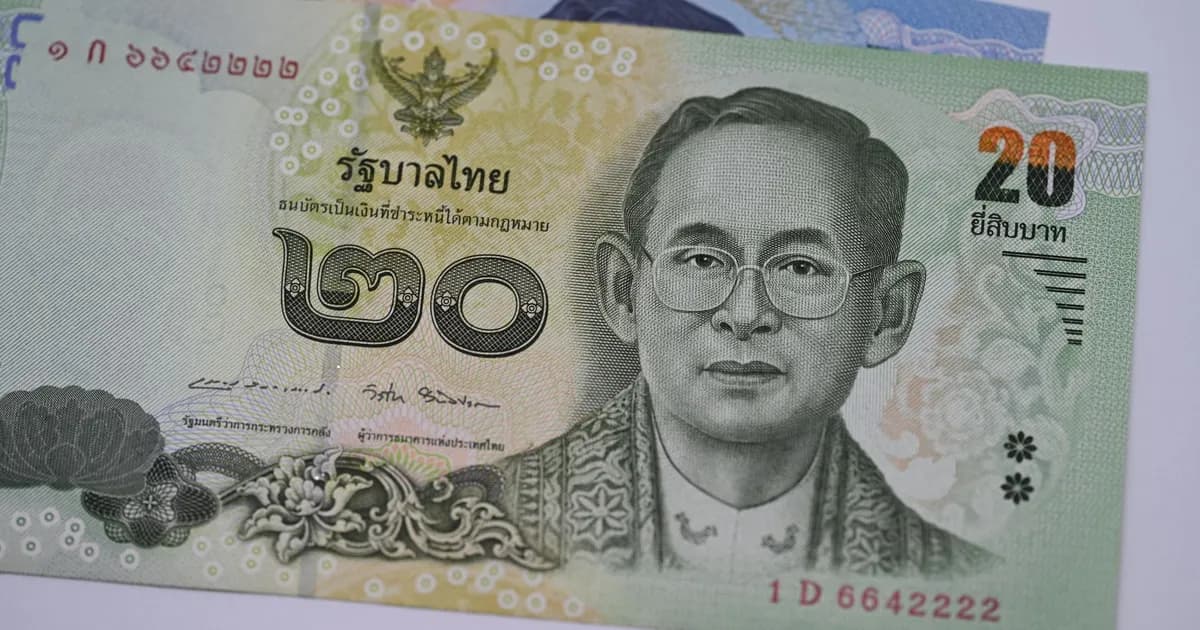
The second is the cash economy. International cards and ATMs are unreliable, and travelers generally plan to carry sufficient clean, undamaged US dollars for the whole trip, exchanging as needed. This changes how you budget and how you carry money; our Myanmar trip cost and budget guide goes into the mechanics in detail. Plan for cash, keep it secure, and build in a buffer.
The third is consular help. Because embassy operations and the assistance they can offer are limited, the safety net travelers take for granted elsewhere is thinner here. Communications can be patchy, and getting help in a hurry is harder. That reality raises the value of a trip designed with margins built in, and of a local partner who can act on the ground faster than a distant consulate.
How to check and interpret advisories yourself
The single most useful habit is to read the current advisory from your own government, in full, close to your travel dates and again shortly before departure. In the United States, that is the State Department's Burma travel advisory. In the United Kingdom, it is the FCDO Myanmar page, which includes a region-by-region breakdown and a map. Australians should use Smartraveller, and Canadians the Government of Canada travel advice. Read the source your insurer will hold you to, which is your own country's.
When you read, look past the headline level to the regional detail. Note which states carry "all travel" versus "all but essential travel" language, because that distinction often maps to whether a place is realistically visitable. Register for your government's traveler notification program if one exists, so updates reach you. Between the formal advisories, keep a light watch on credible reporting and, most valuably, stay in contact with a reputable in-country operator whose read on conditions is current by the week rather than the year. Treat every third-party blog, including this one, as context rather than clearance: the official page is what governs your insurance and your decision.
Why a current-aware local operator matters
In a stable destination, independent travel is straightforward and a guide is a luxury. Myanmar in 2026 is a different case. Here, a reputable operator who lives with the situation is doing something you cannot easily do from abroad: reading conditions continuously, adjusting routing away from areas that have become sensitive, arranging domestic flights and reliable ground transport, and knowing which specific towns and roads are calm this month. That knowledge is perishable, and it is the core of what a good operator provides.
Choosing that partner carefully matters more than usual. Look for transparency about where they will and will not take you, a clear refusal to enter restricted areas, and a willingness to talk frankly about current conditions rather than sell a fantasy. Our vetted Myanmar travel agencies are selected with slow, responsible travel in mind, and the principles behind that selection are set out in our slow travel charter. For travelers who want the country's quieter corners within the areas that are genuinely open, our guide to off-the-beaten-path Myanmar shows what a thoughtful, low-footprint itinerary can still look like.
What to Do Next
- Read the current, full advisory from your own government (State Department, FCDO, Smartraveller, or Global Affairs Canada) and note the region-by-region detail, not just the headline level.
- Map your intended itinerary against that regional breakdown, and set aside any leg that touches an "advise against all travel" area.
- Check your travel insurance wording on government advisories, and price specialist high-risk cover if a standard policy will not respond.
- Plan a cash-based budget in clean US dollars, with a buffer, since cards and ATMs are unreliable.
- Contact a reputable, current-aware local operator, ask directly where they will and will not go, and confirm their routing avoids restricted regions.
- Re-check the official advisory shortly before departure, because levels and boundaries can change at short notice.
Frequently Asked Questions
Is it currently possible to travel to Myanmar at all?
Yes, a narrow and well-established tourist circuit around Yangon, Mandalay, Bagan, and Inle Lake continues to receive visitors in 2026. At the same time, major governments maintain their highest-level advisories for the country as a whole, and large regions are not accessible. Whether to go is a personal decision that should be made against the current official advice for your own nationality.
Why do the advisories say "do not travel" if tourists still visit the main sites?
Advisories are issued at the level of countries and often whole states, so a single warning can cover both active conflict zones and quiet areas far from any fighting. The blanket wording reflects the overall risk environment and the limits on consular help, not a claim that every square kilometer is equally dangerous. This is why reading the regional detail, rather than only the headline, matters so much.
Will my travel insurance be valid if I go?
Often it will not be, at least not in full. Many standard policies are void or partly void when you travel against your government's official advice, and Myanmar sits under high-level advisories. Read your policy's wording on advisories carefully, and look into specialist cover designed for higher-risk destinations rather than assuming a normal leisure policy will respond.
Which parts of Myanmar should be avoided?
Based on official advice current in 2026, areas covered by "advise against all travel" guidance include Rakhine, Chin, Kachin, Kayah and Kayin states, much of Sagaing and Magway, Mon State, parts of Tanintharyi, and much of Shan beyond the immediate Inle area. Exact boundaries change over time, so confirm against the current official map before finalizing anything.
How do I keep my information up to date?
Read the current advisory from your own government close to your travel dates and again just before departure, register for any traveler notification program it offers, and stay in contact with a reputable in-country operator whose read on conditions is current by the week. Treat blogs and forums as context, and let the official page govern your decision and your insurance.
Do I really need a local operator, or can I travel independently?
For Myanmar in 2026, a reputable local operator adds real value that is hard to replicate from abroad: continuous reading of conditions, routing that avoids sensitive areas, reliable domestic flights and ground transport, and current knowledge of which towns and roads are calm. Independent travel is far riskier here than in a stable destination, so a trusted, transparent partner is worth prioritizing.
Is money easy to handle in Myanmar?
No. The economy runs largely on cash, international cards and ATMs are unreliable, and travelers generally carry clean, undamaged US dollars for the whole trip and exchange as needed. Plan a cash budget with a comfortable buffer, keep it secure, and confirm current practicalities with your operator before you travel.