
Entering Myanmar in 2026: eVisa, Entry Rules and What to Know Before You Go
Myanmar is one of Southeast Asia's most rewarding slow-travel destinations, but it is also one of the few where the practical work of getting in deserves real attention before you book anything. Entry rules have tightened, the country runs almost entirely on cash, and the wider situation is genuinely fluid. None of this makes a thoughtful, well-planned journey impossible. It simply means the traveler who prepares calmly and honestly will have a far smoother arrival than the one who assumes Myanmar works like its neighbors.
This guide sets out what you need to know to enter Myanmar in 2026: the official eVisa, the traps to avoid, what happens at the airport, why you must arrive with the right cash, and how to read the current advisories without either ignoring them or panicking. Facts change here faster than in most places, so treat everything below as a starting point to confirm against official sources close to your departure.
The eVisa: cost, stay, validity and how to apply
For most visitors, the tourist eVisa is the standard way into Myanmar. It is applied for entirely online, with no embassy visit required, through the official government portal at evisa.moip.gov.mm.
The headline details for the tourist eVisa in 2026:
- Cost: around USD 50 for the tourist category, paid by card during the online application.
- Length of stay: up to 28 days from the date you enter.
- Validity: the visa is generally valid for 90 days from the date of issue, meaning you must enter within that window.
- Entry type: single entry — one arrival per visa.
- Processing: typically a few working days (often quoted as three to five), though you should apply well ahead rather than at the last minute.
You will usually need a passport valid for at least six months beyond your date of arrival, a recent passport-style photo, and your accommodation and travel details. Because fees, processing times and the exact document checklist can be adjusted without much notice, confirm the current requirements on the official portal itself before you pay. If a detail here does not match what the official site says on the day, the official site wins.
A calm, well-structured trip starts with getting these basics right early. If you are still shaping your itinerary, our guide to where to go and when in Myanmar pairs naturally with the 28-day stay the eVisa allows.
One request. Up to five tailored proposals.
Skip contacting agencies one by one — share your trip once and let up to five trusted Myanmar agencies come to you. Free, with no obligation.
Get my free quotesAvoid the lookalike visa sites
This is the single most common way travelers lose money before they ever land. Search for "Myanmar visa" and you will find a crowd of third-party sites that look official, rank high, and charge a hefty markup — sometimes several times the real fee — to submit the same application you could file yourself. Some are legitimate-but-expensive agents; others are simply poor value or worse.
The only official channel for the Myanmar eVisa is the government portal at evisa.moip.gov.mm. Before entering any passport or payment details, check that you are on that exact address, that the connection is secure, and that the fee matches the official amount. Be wary of sponsored search results, sites that promise "guaranteed" or "instant" approval, and anything charging well above the roughly USD 50 government fee.
If you would rather not deal with any of this yourself, that is a perfectly reasonable choice — but hand it to a knowledgeable, reputable operator rather than an anonymous website. A good local partner does this every week and will steer you around exactly these traps. You can find vetted options through our Myanmar travel agencies directory.
Arrival, airports and passport rules
In practice, tourists enter Myanmar by air. The main international gateway is Yangon International Airport (RGN), with Mandalay International Airport (MDL) also handling international arrivals; Nay Pyi Taw has an international airport as well, though tourist routing overwhelmingly runs through Yangon and Mandalay. Confirm your specific point of entry matches the details on your eVisa, and check that your inbound flight actually arrives at an approved immigration point.
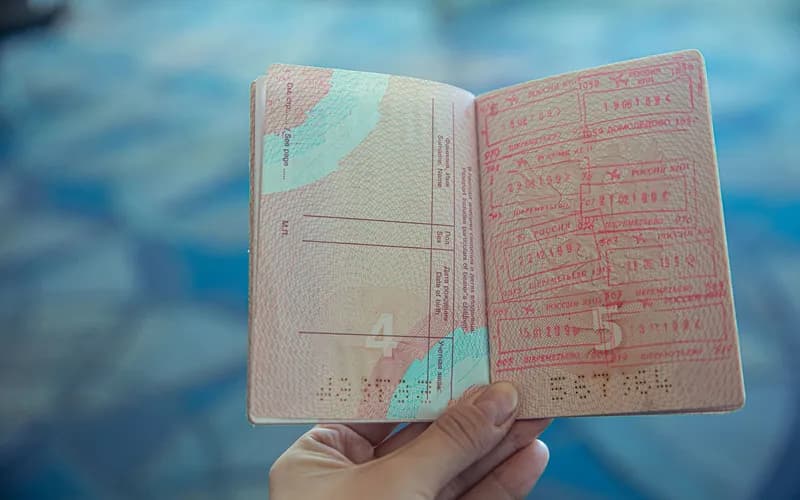
At the desk, have your printed eVisa approval, your passport, and your onward or return ticket ready. Passport validity of at least six months beyond arrival is the standard expectation, and a passport with enough blank pages avoids awkward moments. Immigration procedures can involve health, accommodation or contact declarations depending on current rules, so keep your booking confirmations to hand.
Give yourself buffer. Slow travel begins at the airport: arriving unhurried, with your documents in order and no tight onward connection, is the difference between a relaxed first evening and a stressful one. This is a country where patience is not just a virtue but a practical asset.
Get matched with up to 5 trusted Myanmar agencies
- Free
- No obligation
- Up to 5 agencies
Money starts at the airport: the cash reality
If you take only one thing from this article, make it this: Myanmar runs on cash, and your money situation begins the moment you land. Foreign cards and ATMs are unreliable, international payment networks are inconsistent, and you cannot assume you will be able to draw kyat or pay by card the way you would elsewhere in the region. Travelers who arrive expecting to "just use their card" are the ones who get stuck.
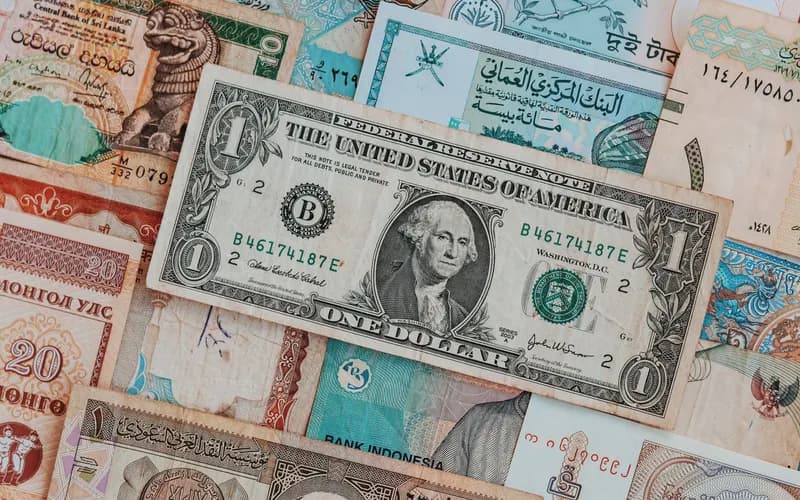
The practical answer is to arrive with enough clean US dollars in cash to cover your trip, then exchange as you go. And "clean" is meant literally. Money changers in Myanmar are famously strict: they want notes that are new, crisp, unfolded, unmarked and untorn, ideally printed after 2006, and they favor larger denominations such as USD 50 and USD 100 for the best rates. A bill with a single crease or pen mark may be refused or exchanged at a worse rate. Sort and inspect your dollars before you leave home.
Once in the country, the everyday currency is the Myanmar kyat (MMK). Taxis, markets, local restaurants, small guesthouses and entry fees generally expect kyat, so exchange enough for your immediate needs on arrival and top up in towns rather than assuming rural ATMs will save you. Exchange rates vary widely between official, bank and street-market channels, so change money at reputable counters and count carefully.
Budgeting for a cash-only trip takes a little more thought than usual, because you are effectively pre-loading your whole spend. Our Myanmar trip cost and budget guide can help you estimate how much to carry, and a good operator can advise on realistic daily amounts for your route.
Land borders and current access
Historically, a handful of land crossings with Thailand and other neighbors were open to tourists. As of 2026, that picture has narrowed considerably: land borders are largely closed or sensitive for tourist entry and exit, and access can change at short notice. You should not build an itinerary around crossing into or out of Myanmar overland unless a knowledgeable local operator confirms, close to your travel dates, that your specific crossing is open to foreign tourists.
For the vast majority of visitors, this means planning a fly-in, fly-out trip through Yangon or Mandalay and treating the country as its own self-contained journey rather than a segment of an overland Southeast Asia route. Internal travel between the main destinations — Yangon, Mandalay, Bagan and Inle Lake — remains the backbone of most itineraries, and there is more than enough within those circuits, and just beyond them, to fill a slow trip. If you like to travel away from the obvious, our guide to off-the-beaten-path Myanmar shows what is possible without relying on closed frontiers.
Travel advisories and staying informed
Here we are deliberately factual and non-alarmist. As of 2026, major governments — including the United States, the United Kingdom, Australia and Canada — maintain significant travel advisories for Myanmar, with the highest categories in place and periodic renewals. These advisories reflect real conditions in parts of the country and should be read carefully rather than dismissed.
At the same time, the established tourist circuits continue to receive visitors, and conditions are not uniform across the country. The responsible approach is neither to ignore the advisories nor to treat the whole country as a single monolith, but to:
- Read your own government's current official advice in full, close to departure, and re-check it as your dates approach.
- Register with your embassy's traveler program where one exists, and note emergency contacts.
- Confirm that your travel insurance is valid for Myanmar given the current advisory level — many policies exclude destinations under the highest warnings, so check the wording carefully.
- Work with a knowledgeable local operator who monitors conditions day to day and will route you away from anywhere sensitive.
UNRUSH does not take a political position on Myanmar. Our interest is in helping thoughtful travelers make informed, responsible decisions — and, for many, that decision is to travel with expert local guidance, on well-established routes, or to wait. Reading our charter for slow, responsible travel is a good place to understand how we think about journeys like this one.
What to Do Next
- Check your passport now. Confirm it is valid for at least six months beyond your planned arrival and has blank pages; renew early if it is close.
- Read your government's current official advisory for Myanmar in full, and confirm your travel insurance covers the destination at its current advisory level.
- Apply for the tourist eVisa only at the official portal, evisa.moip.gov.mm — verify the address and the roughly USD 50 fee before paying, and print your approval.
- Prepare your cash: obtain clean, new, unfolded US dollars in larger denominations, printed after 2006, and enough to cover your whole trip since cards and ATMs are unreliable.
- Line up a reputable local operator to confirm entry points, current conditions and any registration requirements. Start with our plan your journey page.
- Re-check the essentials — advisory, eVisa rules, entry airport, cash guidance — one more time in the final week before you fly, because details here change.
Frequently Asked Questions
How much does the Myanmar tourist eVisa cost in 2026?
The tourist eVisa is generally around USD 50, paid online by card when you apply. Because government fees can change without much notice, confirm the exact amount on the official portal, evisa.moip.gov.mm, before you pay — and be suspicious of any site charging significantly more.
How long can I stay in Myanmar on a tourist eVisa?
The tourist eVisa typically allows a stay of up to 28 days from the date of entry, and the visa itself is usually valid for 90 days from issue, so you must enter within that window. It is normally a single-entry visa. Check current terms on the official portal, as these details can be adjusted.
Can I get a visa on arrival in Myanmar?
For most travelers the reliable route is the eVisa applied for in advance online. Visa-on-arrival availability is limited and inconsistent depending on nationality and current policy, so it is not something to count on. Arrange your eVisa before you fly and treat the official portal as the source of truth.
Do I really need to bring cash US dollars?
Yes. Myanmar operates largely on cash, and foreign cards and ATMs are unreliable, so you should arrive with enough US dollars to cover your trip. Bring clean, new, unfolded and untorn notes, ideally printed after 2006 and in larger denominations, then exchange into kyat as you go.
Which airports can I fly into?
Tourists generally enter by air, with Yangon International Airport the main gateway and Mandalay International Airport also handling international arrivals. Make sure your flight lands at an approved immigration point and that it matches the entry details on your eVisa. Confirm current approved points before booking.
Are the land borders open to tourists?
As of 2026, land borders are largely closed or sensitive for tourist entry, and access can change quickly. Plan a fly-in, fly-out trip rather than an overland crossing unless a trusted local operator confirms, close to your dates, that a specific crossing is open to foreign tourists.
Is it responsible to travel to Myanmar right now?
That is a personal decision, and a fair one to weigh carefully. Major governments maintain significant advisories, conditions vary across the country, and things change. Read the current official advice, confirm your insurance, and if you go, travel with a knowledgeable local operator on well-established routes — or wait until conditions are clearer.


