
The Philippines punishes heavy bags. You will carry them up ferry ramps in the sun, load them onto the roof of a van, haul them up a guesthouse staircase and wait with them on a pier when the boat is late. Most travellers who have done it once will tell you the same thing: they packed twice as much as they used.
This guide is built around a slow-travel principle: bring less, choose well and leave room for what you pick up on the way. It does not tell you to buy anything. It suggests what tends to matter across the Philippines' very different landscapes, from city hotels to island guesthouses to mountain homestays, and where honest caveats apply.
Start with the bag, not the list
Before you think about clothes, decide on the bag. A soft carry-on backpack of around thirty to forty litres, or a small duffel with shoulder straps, is the most forgiving format for island travel. Wheeled suitcases struggle on sand, gravel and boat gangplanks, and trikes and jeepneys have limited luggage space.
Domestic flights and ferries often have stricter baggage rules than long-haul carriers. Budget airlines frequently sell checked baggage separately and enforce carry-on weight limits at the gate, with seven kilograms a common figure. These rules change by airline and fare, so check yours before you fly. If you are hopping between islands, our guide on how to island-hop the Philippines slowly explains how ferries, flights and buffer days fit together, and why a light bag makes every connection easier.
A simple rule: if you cannot carry your bag for twenty minutes comfortably, it is too heavy.
One request. Up to five tailored proposals.
Skip contacting agencies one by one — share your trip once and let up to five trusted Philippines agencies come to you. Free, with no obligation.
Get my free quotesClothing: breathable, quick-drying, modest
The climate is hot and humid for most of the year, so choose fabrics that breathe and dry fast. Cotton is comfortable but slow to dry; synthetic blends and merino-style lightweight fabrics are better when laundry may take a day to dry on a line in humid air.
A workable base for two to three weeks:
- Four or five tops, a mix of short sleeves and one light long-sleeve for sun and mosquitoes
- Two or three pairs of shorts or light trousers
- One lightweight dress or loose trousers for temples, churches, offices and municipal halls
- Swimwear, two sets
- Light underwear and socks for five days, with laundry in between
- One warmer layer for air-conditioned buses, overnight ferries and highland evenings
In churches, government offices and many rural communities, shoulders and knees covered is a courtesy that locals appreciate. It is not a legal rule everywhere, but it shows respect, and it keeps the sun off your skin anyway.
Laundry is cheap and easy to find, often done by the kilo in towns and small islands. Plan to wash rather than carry more clothes.
Rain and weather gear
The Philippines has a wet season, usually running from roughly June to November, though patterns differ by region, and typhoons can arrive outside the peak. East-facing islands such as Siargao are wettest in December and January instead, as our guide to where to go in the Philippines by month explains. Even in the dry season, a short, sharp shower is common in the afternoon.
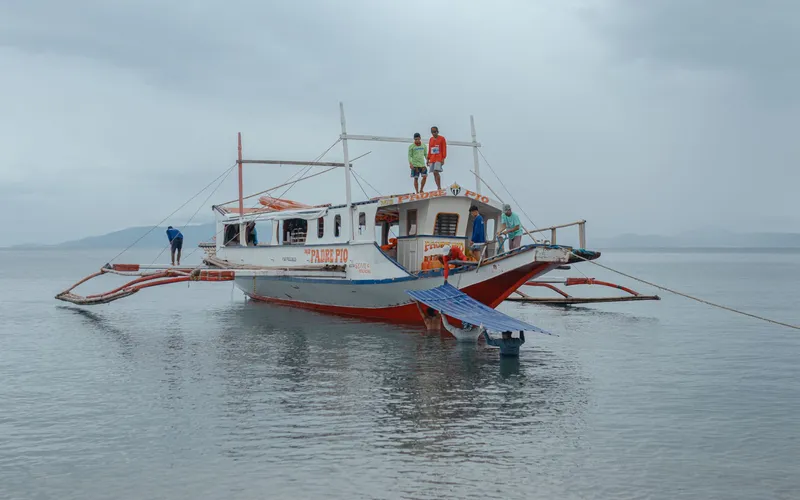
Pack a light rain jacket or packable poncho, and a dry bag or waterproof liner for your backpack. A cheap folding umbrella earns its place, both for rain and for harsh midday sun. Wet-season ferries and boat transfers can be wet affairs, so keep passports, phone and documents in a sealed bag.
If you are travelling in the typhoon months, the packing list is the easy part. The harder part is planning for delays, which we cover in how to travel the Philippines around typhoon season. Flexibility matters more than any gear.
Get matched with up to 5 trusted Philippines agencies
- Free
- No obligation
- Up to 5 agencies
Footwear
You need less than you think. Most travellers are well served by:
- A pair of comfortable sandals with a secure strap, for daily use
- A pair of lightweight trainers or trail shoes, if you plan to hike, visit waterfalls or walk on uneven roads
- Cheap water shoes, if you will be on rocky or coral beaches, which are common and can cut feet
Flip-flops are fine for the beach and for showers in shared bathrooms, but they are not good for long walks or wet rocks. If you plan to hike a volcano or a ridge, check what the park or guide recommends. Many trails now require local guides and have daily limits, and sensible footwear is part of the deal.
Sun, insects and basic health
The sun is strong year-round. Sunscreen, a hat and sunglasses are essential, and a rash guard or long-sleeve swim shirt reduces how much sunscreen you need. In some marine areas, sunscreen with certain chemical filters is discouraged or restricted to protect coral, so a mineral formula is a considerate choice. Rules vary by place, so check locally.
Mosquitoes are part of tropical life. Bring a repellent you trust, and wear light long sleeves at dawn and dusk where possible. Dengue is carried by mosquitoes that bite in the daytime, which is why repellent matters at midday too. Our dengue update for 2026 sets out the current picture and what sensible precautions look like.
A small kit helps: plasters, blister pads, oral rehydration salts, antihistamines, any prescription medicines in original packaging, and a basic first-aid set. Pharmacies are common in towns, but small islands may have limited stock, so bring what you rely on. Check with your own doctor or a travel clinic before you leave about vaccinations and any personal needs.
Power, phones and money
The Philippines uses 220 volts at 60 hertz, with flat two-pin plugs, and most sockets accept types A, B and C. A single universal adapter and a compact charger cover most needs. Power cuts happen, particularly on smaller islands, so a charged power bank is one of the most useful items in your bag.
Mobile data is easy to organise. Our guide to staying connected in the Philippines with SIMs, eSIMs and island Wi-Fi explains the options, and it is worth setting up an eSIM or buying a local SIM before you depart for remote areas.
Money matters too. Cards work in malls, airports and larger hotels, but small islands often run on cash. Bring a mix of small notes, and keep them in more than one place. A money belt is optional; a zipped inner pocket is usually enough.
Small things that earn their place
Experienced slow travellers tend to pack a handful of small, cheap items that quietly solve problems:
- A refillable water bottle, ideally with a filter or a plan for refill stations
- A small dry bag for boat days
- A lightweight microfibre towel
- A padlock for lockers and bags
- A head torch or small torch for power cuts
- A sarong, which works as a towel, a beach mat, a curtain, a shawl and a picnic cloth
- Earplugs, because roosters, karaoke and generators run on their own schedules
- Photocopies or digital copies of your passport and insurance
Leave behind anything that looks expensive, such as jewellery, as there is little reason to bring it and some reason to avoid attention.
What not to bring
Equally useful is knowing what to leave at home. Skip heavy jeans, which dry slowly in humid air. Skip anything you would be upset to lose to salt water. Skip a large hairdryer, since many small guesthouses have limited sockets. Skip a big stock of toiletries: shampoo, soap and basic toiletries are cheap and available nearly everywhere. If you are travelling for a long stretch, buying a few items locally is a pleasant way to support small shops.
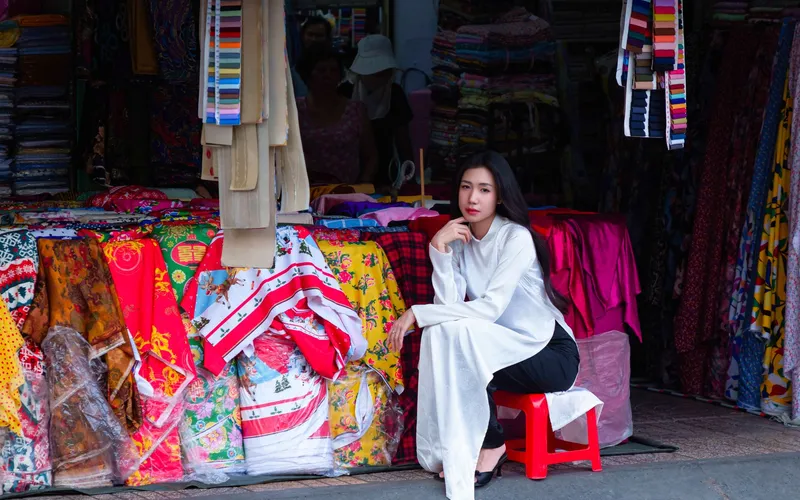
Finally, leave room. You will likely buy textiles, snacks, coffee, coconut products or small handicrafts, and a half-empty bag when you arrive is the best sign of good planning.
A packing rhythm for longer stays
If you are staying more than three weeks, the logic changes slightly. You are no longer packing for a trip. You are setting up a way of living out of a bag. Choose a laundry rhythm, such as washing every five to seven days, and pack exactly enough to cover it. Resist the urge to build in a safety margin of extra outfits, because the Philippines makes it easy to buy a cheap shirt in any market if you truly need one.
Think also about where weight accumulates. Books, chargers, toiletries and shoes are the usual culprits. A single reading device replaces a stack of paperbacks, and one multi-port charger replaces several. If you move every few days, a half-day review of your bag halfway through the trip is worth the time: post home or donate what you have not touched.
Finally, keep one small day bag separate from your main pack, holding water, a rain layer, sunscreen, a power bank and a little cash. It makes every day trip lighter and keeps your essentials within reach on boats, buses and jeepneys.
What to Do Next
- Choose a bag you can comfortably carry for twenty minutes.
- Lay out everything you plan to bring, then remove a third of it.
- Check your airline and ferry baggage limits for each domestic leg.
- Sort out your phone connectivity and power bank before you leave.
- Pack a rain layer, a dry bag and insect repellent whatever the season.
- If you want to turn your list into a route with someone who knows the islands, start with our plan your journey page.
Frequently Asked Questions
How much luggage should I bring for two weeks in the Philippines?
A single carry-on-sized backpack of thirty to forty litres is realistic for most travellers, especially if you do laundry once a week. If you carry dive or hiking gear, a second small bag is reasonable, but check airline limits first.
Do I need a rain jacket in the dry season?
It is worth having a light packable one even in the dry season. Afternoon showers happen, and boat transfers can be wet. A poncho or small umbrella may be enough, but a waterproof liner for your bag is more important than the jacket.
What plug adapter do I need?
The Philippines uses 220 volts and 60 hertz, with types A, B and C sockets. A single universal adapter works for most travellers. Check that your devices accept 220 volts before plugging them in.
Is it safe to drink the tap water?
Most travellers avoid tap water and use sealed bottled or filtered water. Refill stations are common in many towns and resorts. A refillable bottle reduces plastic waste, which is a growing concern on small islands.
What should I wear when visiting churches and government offices?
Covered shoulders and knees are widely appreciated in churches and government buildings. Pack one light, breathable outfit that works for those settings, and wear it with respect.
Should I bring cash or rely on cards?
Bring both. Cards are accepted in cities, malls and larger hotels, but small islands and rural areas often run on cash. Withdraw in larger towns before heading to remote places, and carry small notes.
Is a mosquito net necessary?
Most guesthouses provide screens or nets where they are needed, and many rooms have air-conditioning or fans. A lightweight repellent is more practical than carrying your own net. If you plan remote stays, ask your host in advance.