Cebu One Year After the Quake: What Recovery Means for Travellers
On 30 September 2025, a magnitude 6.9 earthquake struck off the northern end of Cebu. Five weeks later, Typhoon Tino brought widespread flooding to the same island. Both events made international headlines, and for a few weeks many travellers quietly removed Cebu from their plans. A year on, the picture is more nuanced than either the alarming headlines or the cheerful promotional campaigns suggest.
This article looks at what has actually happened since, based on local reporting and official statements, and what it means if you are thinking about a slower, more considered trip to Cebu in the coming months. It is an analysis, not a promise: conditions on the ground change, and anything involving the northern municipalities is worth checking again just before you travel.
What happened, in brief
The earthquake was centred roughly twenty-one kilometres north-east of Bogo City, and intensity 7 was recorded in Bogo and nearby towns. The municipalities most affected were Bogo City, Medellin, San Remigio, Tabogon, Borbon, Daanbantayan and Tabuelan, all in the northern third of the island. Damage included cracked roads, damaged shops, severely hit school buildings and municipal halls, and a damaged bridge at Nipa that required a temporary diversion road of about one and a half kilometres.
Typhoon Tino followed on 4 November 2025 and caused widespread flooding. Two shocks in quick succession meant that the story of Cebu became, for a time, a story of disaster. What that story left out is that the damage was concentrated in specific parts of the island, not spread evenly across it.
For travellers, that matters. Cebu is a long, narrow island, roughly two hundred kilometres from tip to tip. Cebu City and Mactan, where the international airport sits, are in the central east. The southern coast, with its dive towns and waterfalls, is far from the quake zone. The north is where the affected towns lie, and it is also the way many people reach Bantayan Island and Malapascua.
One request. Up to five tailored proposals.
Skip contacting agencies one by one — share your trip once and let up to five trusted Philippines agencies come to you. Free, with no obligation.
Get my free quotesRecovery on the ground
The most useful way to read recovery is by looking at what residents need, not at what promotional material says. Local reports describe temporary housing built in Bayanihan Village in San Remigio, with 67 modular shelters completed in the first weeks. Bogo City's mayor has spoken of a three-year target for recovery, which is a candid timeline: schools, municipal halls and roads take years, not months.
Funding requests tell the same story. Local officials asked for around 150 million pesos for Bogo City Hall, 100 million pesos for municipal halls in four towns, and 50 million pesos for Tabuelan, alongside cash aid for livelihoods. Bogo City planned to raise its budget from 900 million pesos to 1.1 billion. These are not tourism numbers, and that is the point: rebuilding in the north is mainly about homes, classrooms and public buildings.
What does this mean for a visitor? It means that in the northern towns, you are visiting places still in repair. That does not mean you should stay away, but it does mean you should go with realistic expectations, patient plans and a willingness to spend money locally in ways that help.
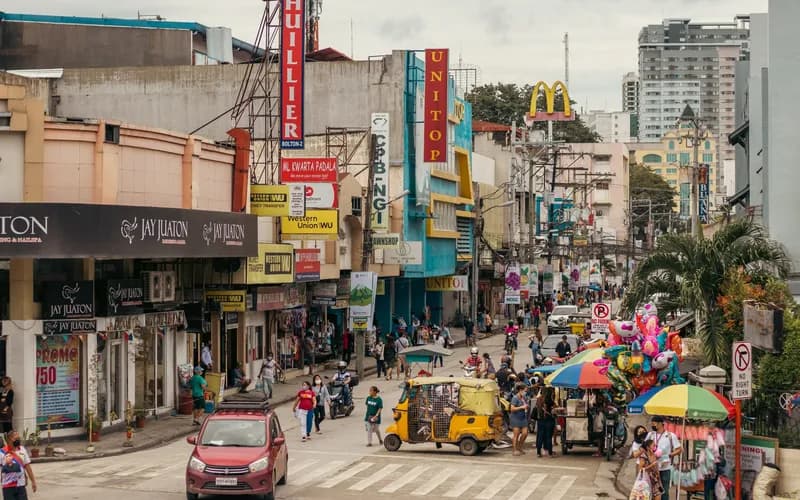
Tourism numbers: a stabilised industry
Tourism did not collapse. Mactan-Cebu International Airport handled more than 7.7 million domestic arrivals and over 2.6 million international arrivals in 2025, with international numbers up about two per cent on the year before. The industry's own assessment, from the president of the regional hotel and restaurant association, was that domestic tourism acted as a stabiliser through a hard year, especially after the earthquake and the floods.
That echoes a pattern we see across the country. Our piece on the domestic majority in Philippine tourism explains why Filipino travellers are often the real backbone of local economies, and why destination recovery frequently depends on them as much as on foreign visitors.
New air links also arrived in late 2025: Kuala Lumpur with Firefly, Hanoi with Vietnam Airlines and Brisbane with Jetstar in early December, plus Korean services on Aero K and T'way Air and a first direct Philippine Airlines service to Guam. In 2026, the city hosted the ASEAN Tourism Forum from 27 January to 4 February, with new venues such as Mactan Expo, SM Arena and SMX Convention Center opening. A promotional "Visit Cebu" campaign offered complimentary hotel stays to international tourists from several nearby markets.
These facts show two things. The aviation network is expanding, which makes Cebu easier to reach. And the island's recovery strategy leans on promotion, which should be read with a little scepticism: incentives bring visitors, but they do not rebuild a school.
Get matched with up to 5 trusted Philippines agencies
- Free
- No obligation
- Up to 5 agencies
What it means for a slow traveller
For slow travel, the key question is not whether Cebu is open, but where you spend your nights and money. Several sensible approaches follow.
- Base in the south or centre. The southern coast, Moalboal, Oslob and the highland interior were not near the epicentre. If your goal is diving, canyons, waterfalls or mountain villages, these areas remain the usual choices.
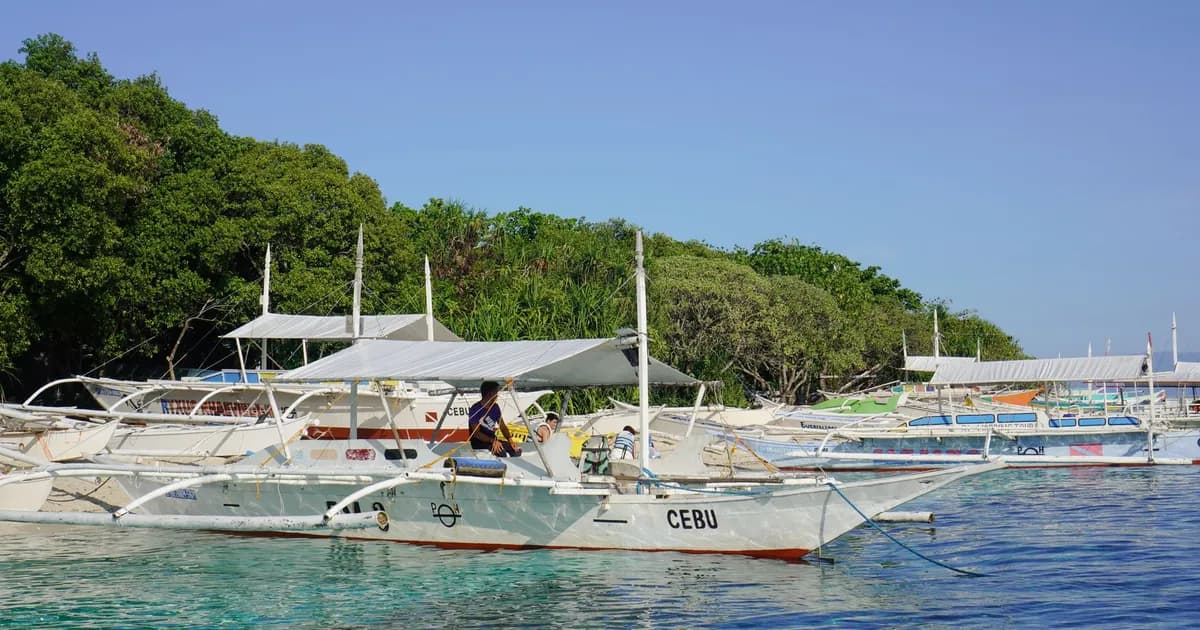
- Treat the north as a considered stop. If you want Bantayan or Malapascua, check ferry schedules and road conditions close to your travel date, and book accommodation with owners you can message directly.
- Choose locally owned stays. In affected towns, a family-run guesthouse benefits the community more than a distant booking platform fee.
- Add a buffer day. Roads, ferries and weather in the north can slip.
If you are linking Cebu with other islands, how to island-hop the Philippines slowly covers ferries, flights and buffer days in detail.
Getting in and around, one year on
Mactan-Cebu remains the busiest entry point in the Visayas and the main gateway for much of central Philippines. If you are building a route around it, our article on the Philippines' new airports and domestic travel is a useful companion for understanding how the network is changing.
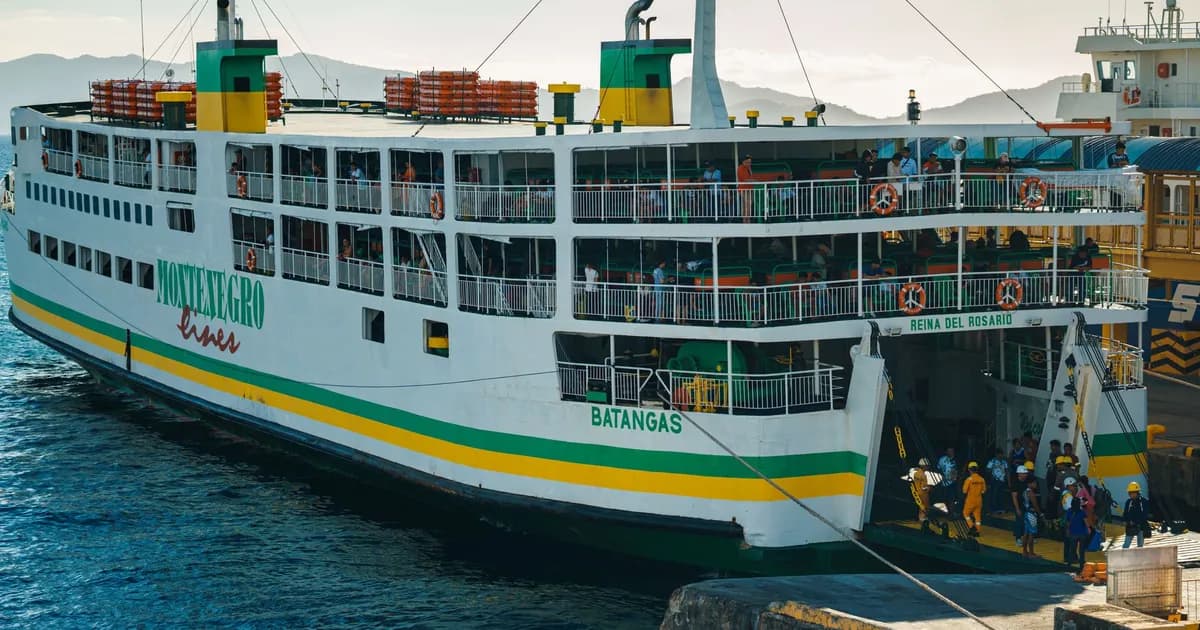
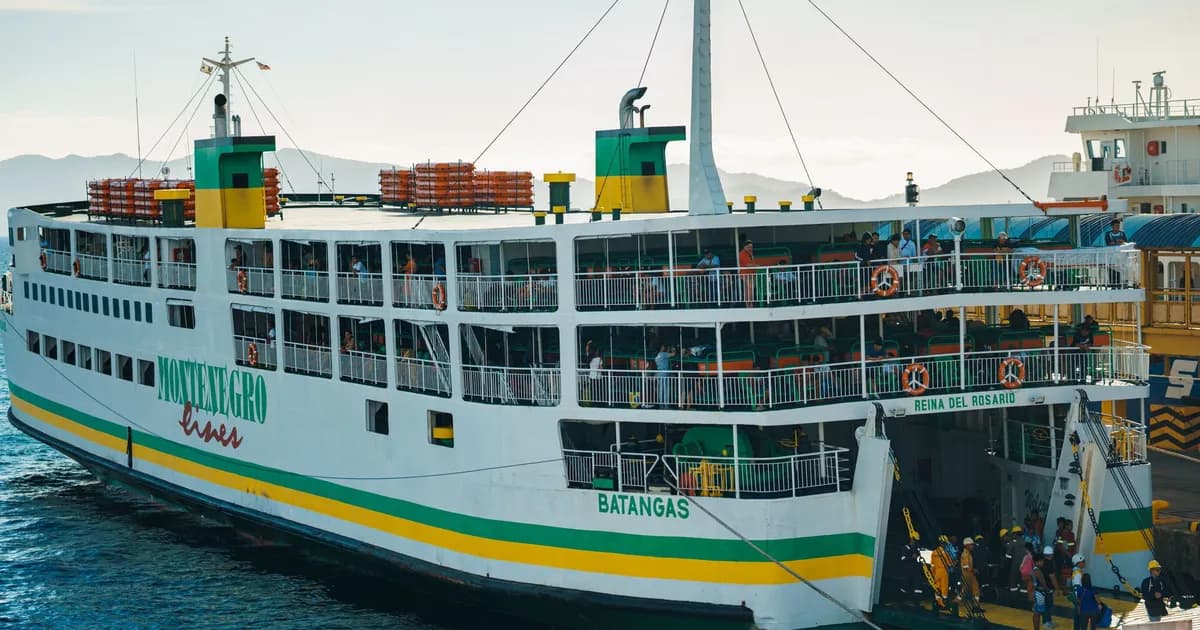
Within Cebu, road travel from the city to the south is straightforward but slow at peak hours, so plan early starts. Public ferries link Cebu to Bohol and Negros, and the Hagnaya port in San Remigio serves Bantayan Island, which is one of the places where recovery work continues. Always check the latest schedule with the operator rather than relying on an old timetable.

Health and weather: the other half of the question
Natural hazard is not only about earthquakes. The Visayas lies in the typhoon belt, and rainy months bring dengue risk. Cebu province recorded 2,324 dengue cases and 17 deaths between January and August 2026, according to figures reported in late August, even as national cases ran well below the previous year. We cover the national picture and sensible precautions in our dengue update for 2026.
Seismic risk, meanwhile, is a permanent feature of life in the Philippines. It is not a reason to avoid the country, but it is a reason to ask your accommodation about evacuation routes, to know where the exits are, and to carry insurance that covers disruption. Treat these as ordinary habits of an informed traveller.
Risks and honest caveats
A few caveats are worth stating plainly.
- Reporting about recovery is uneven. Official statements tend to be optimistic, while local reports often highlight delays.
- Aftershocks were expected to continue for months after the quake; by now the pattern has largely settled, but travellers should follow local advisories.
- Small operators in the north may have limited capacity, so book early and confirm directly.
- Weather can disrupt both flights and ferries, particularly from June to November.
None of this is a reason to avoid Cebu. It is a reason to travel with flexibility and to use accurate, recent information.
Reading the recovery critically
It is easy to turn a recovery story into a tidy narrative, either of resilience or of neglect. The honest version is messier. Some roads and bridges were repaired quickly, because trade depends on them. Schools and municipal halls take longer, because they depend on budgets, procurement and construction capacity that a small province does not have in abundance. Families in temporary shelters are living a different recovery from the one described in a tourism brochure.
A useful habit is to compare three kinds of sources. Official announcements tell you what authorities intend. Local newspapers tell you where work has stalled. Owners of small guesthouses and dive shops, if you message them, tell you what a visitor will actually find this month. None of the three is complete alone, but together they give a reliable picture.
It is also worth asking what your visit adds. A traveller who stays three or four nights in a northern town, eats locally and hires a local guide contributes more than one who passes through on a day trip. That is not a moral lecture; it is simply how small economies work, and it fits the slow-travel idea that depth beats distance.
What to Do Next
- Decide which part of Cebu you want: the south for diving and canyons, the centre for the city and Mactan, or the north for a slower, more patient stay.
- Check the latest local advisories for northern towns a week before departure.
- Book flexible accommodation, ideally with a place you can contact directly.
- Build one buffer day around any ferry or flight connection.
- Review dengue and weather precautions for the months you plan to travel.
- If you would like help shaping the route, our vetted local travel agencies can plan it with you.
Frequently Asked Questions
Is Cebu safe to visit after the earthquake?
Cebu is open, and most of the island was not near the epicentre. The damage was concentrated in northern municipalities such as Bogo, Medellin and San Remigio. Check local advisories before travelling, especially if you plan to visit the north.
Which parts of Cebu were most affected?
The northern third of the island, including Bogo City, Medellin, San Remigio, Tabogon, Borbon, Daanbantayan and Tabuelan. The southern coast and Cebu City were largely outside the worst-hit area.
Should I avoid Bantayan Island and Malapascua?
Not necessarily, but be cautious. Both are reached through the northern part of the island, where recovery is ongoing. Check ferry and road conditions close to your date and book accommodation you can contact directly.
How long will recovery take?
Local officials in Bogo have set a three-year target for rebuilding, which suggests that schools, public buildings and roads will remain a work in progress for some time. Recovery in tourism terms has been faster than recovery in public infrastructure.
Is it better to visit in the dry season?
Generally yes. The drier months, roughly from November to May, bring more reliable ferries and flights. The rainy months bring typhoon and dengue risks, so plan buffers and take precautions.
How can I help rebuilding while travelling?
Stay in locally owned guesthouses, eat at family restaurants, hire local guides and avoid asking for steep discounts. Money spent directly in affected towns helps most.
Do I need special insurance?
Standard travel insurance that covers medical care, disruption and evacuation is sensible for any trip to the Philippines. Read the policy for natural-disaster clauses before you buy.
Keep reading
More from the ground · Philippines