Fuel Surcharges and Fewer Flights: How the 2026 Oil Shock Is Reshaping Philippine Travel
For most of 2026, the biggest force shaping travel in the Philippines has not been a new airport, a visa rule or a marketing campaign. It has been the price of oil. A war thousands of kilometres away, and the disruption it caused to shipping through the Strait of Hormuz, has pushed up the cost of almost every way you move around the archipelago: planes, ferries, vans and tricycles. For visitors, the effects are real but manageable. For the people who run guesthouses, boats and tours, they have been far harder.
This is an analysis of what has actually happened, what it means for the cost and shape of a trip in late 2026 and into 2027, and why, somewhat unexpectedly, the travellers best placed to ride it out are the ones who were already travelling slowly.
What Happened: From Price Spike to Energy Emergency
The shock began in late February 2026, when conflict involving Iran disrupted tanker traffic through the Strait of Hormuz, a passage that normally carries roughly a fifth of the world's oil. The Philippines is unusually exposed to such disruptions: it imports almost all of its oil, and most of that has historically come from the Middle East.
Prices moved quickly. By late March, pump prices for diesel had passed 130 pesos per litre and gasoline had passed 100 pesos, levels that would have seemed unthinkable a year earlier. On 24 March, President Marcos signed an executive order declaring a state of national energy emergency, making the Philippines the first country to take that step in response to the crisis. Congress passed a law allowing the government to suspend or cut fuel excise taxes, emergency funds were released to secure supply, and shipments were sourced from new suppliers.
A ceasefire announced in early April eased the worst of the panic, but the energy secretary warned at the time that prices were unlikely to return to pre-war levels soon. That warning has proved accurate. In September, renewed attacks affecting both the Strait of Hormuz and the Red Sea pushed global prices up again, and local pump prices rose for consecutive weeks. The story, in short, is not a single spike that has passed. It is a year of elevated and volatile costs.
One request. Up to five tailored proposals.
Skip contacting agencies one by one — share your trip once and let up to five trusted Philippines agencies come to you. Free, with no obligation.
Get my free quotesFlights: Surcharges That Change Every Fifteen Days
Air travel felt the shock first. In late March, both Cebu Pacific and Philippine Airlines suspended a number of domestic and international routes and cancelled some flights, partly because of cost and partly to conserve fuel. Some of those routes have since returned; others remain thinner than before.
The more lasting effect is the fuel surcharge. In the Philippines, the Civil Aeronautics Board sets a fuel surcharge level for passenger flights and reviews it every fifteen days, with adjustments taking effect on the first and sixteenth of each month. In the second half of April 2026 the level jumped to 19, adding between roughly 627 and 1,837 pesos to a domestic one-way ticket depending on distance, and considerably more to international fares. It eased through May and June before climbing again later in the year; for the second half of September it stood at Level 14, which translates to roughly 457 pesos on short domestic sectors such as Manila to Iloilo and more than 1,300 pesos on the longest domestic hops to Mindanao.
For travellers, two things follow. First, the surcharge is added on top of the base fare, so seat sales look less dramatic than they used to. Second, because it changes twice a month, the same flight can cost noticeably more or less depending on when you book. The airport and route changes we covered in our look at the Philippines' new airports and domestic travel still matter, but in 2026 the surcharge cycle has become just as important a variable.
Ferries and Land Transport: The Quieter Squeeze
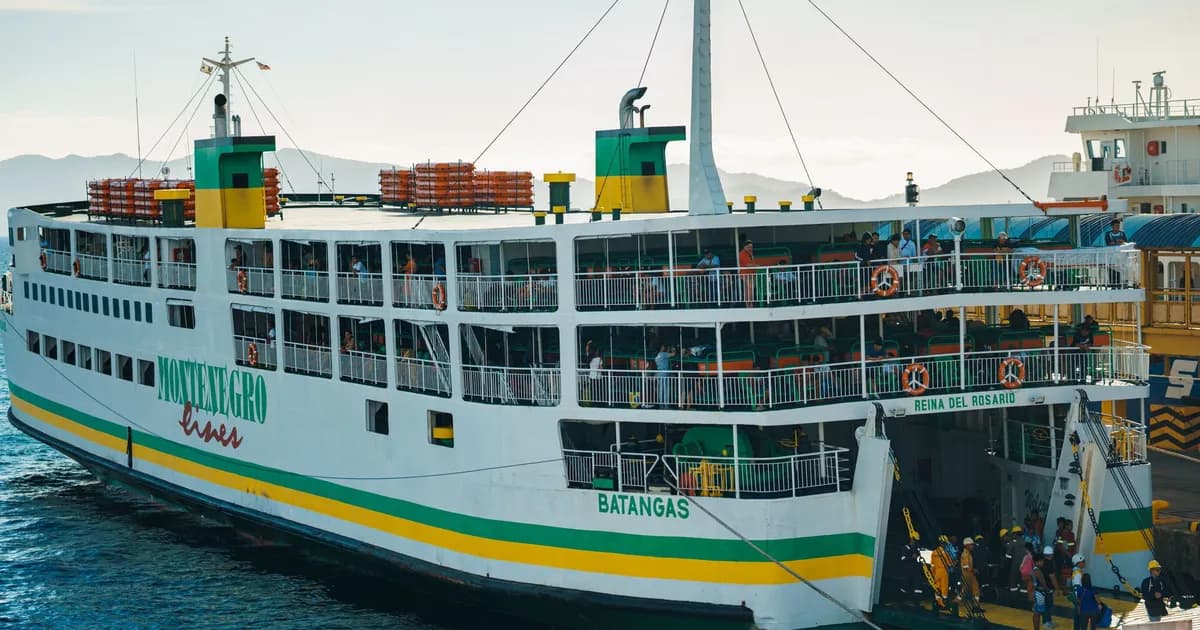
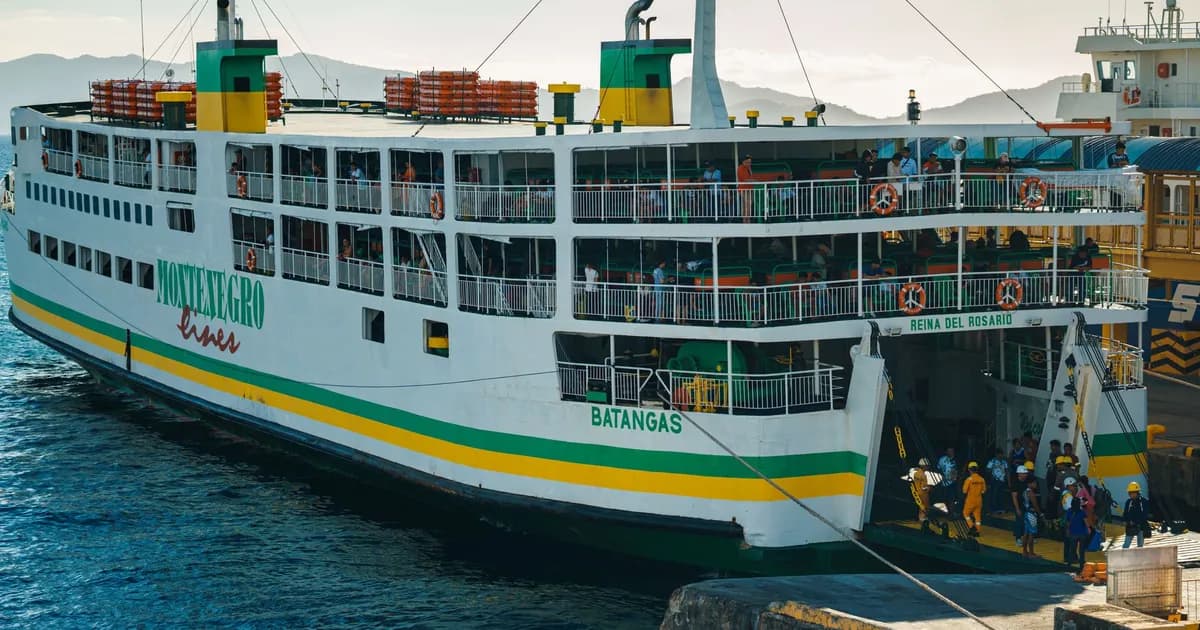
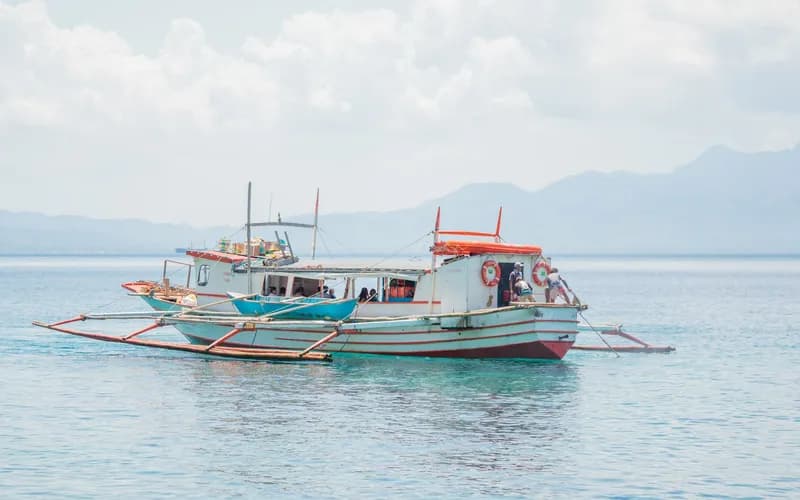
Sea travel has been hit more slowly but just as surely. In March, the Maritime Industry Authority allowed domestic shipping operators to raise passenger fares to cover fuel, first by up to 20 percent and then, from the end of the month, by up to 30 percent. Several Visayas operators added fuel surcharges in April. The cap was lowered again in July as prices eased, but the September rise brought a fresh round: from 21 September, OceanJet applied a temporary 10 percent surcharge on a series of routes, putting the open-air fare from Cebu to Tagbilaran at 960 pesos, Iloilo to Bacolod at 660 pesos and Dumaguete to Siquijor at 420 pesos.
On land, the squeeze shows up in vans, buses, tricycles and hired drivers. Transport groups staged strikes in late March over fuel prices, and anyone arranging a private driver for a day will now find quotes that reflect diesel at levels well above last year's. None of these increases is ruinous on its own, but they compound over a trip that involves frequent moves.
Get matched with up to 5 trusted Philippines agencies
- Free
- No obligation
- Up to 5 agencies
The Ripple Effects on the Ground
The effects go well beyond ticket prices. Baguio, the mountain city north of Manila that depends heavily on road-tripping domestic visitors, reported tourist arrivals down by as much as 40 to 50 percent at the height of the crisis, and declared a state of calamity in April. In Nueva Vizcaya, the Ammungan Festival, normally a five-day event, was scaled back to a single day. Several shopping mall chains shortened their opening hours to save power, and a number of provinces and cities, from Sorsogon to Zamboanga, declared states of calamity or emergency linked to fuel.
Electricity has been the other pressure point. Much of the country's power generation depends on imported fuel, and the supply shock coincided with plant outages and peak demand. In mid-May the Luzon grid went on red alert and rotating brownouts affected close to two million customers in the Manila area alone. In the central islands, the strain has been more persistent, as we explored in our analysis of the Visayas power crisis and what it means for slow travel. For visitors, that mostly means generator noise, the occasional warm night without air conditioning and a greater need to ask about backup power before booking.
The human impact is the part most visitors never see. Economists at the Philippine Institute for Development Studies warned in April that the energy crisis could push between 1.3 and 3.1 million Filipinos into poverty. Tricycle drivers, boatmen, market vendors and guesthouse owners work on thin margins, and higher fuel costs arrive for them long before any increase in what they can charge.
How the Industry Is Adapting
The tourism trade has not stood still. At the Philippine Travel Mart in Manila in early September, the head of the Philippine Tour Operators Association said operators were keeping up with bookings despite the disruption, and described a deliberate push to design packages that do not depend on flights alone. The association has also been working with counterparts across Southeast Asia on themed regional circuits, such as routes built around traditional textiles, and on attracting long-haul travellers who stop over elsewhere in the region before continuing to the Philippines.
The Department of Tourism, now led by Secretary Dita Angara-Mathay, has leaned into the same message: that visitors increasingly want local food, local people and traditions rather than a list of attractions. Whether or not that is a response to the fuel crisis, it points in the same direction. Fewer, deeper trips suit a year when every extra leg costs more.
Why the Oil Shock Quietly Favours Slow Travel
There is an uncomfortable truth in all of this: the traveller who suffers most from volatile fuel prices is the one trying to see five islands in ten days. Every flight carries its surcharge, every ferry its fuel supplement, every transfer its higher van quote. Multiply that by a fast-paced itinerary and the added cost becomes significant, before you account for the stress of cancelled or consolidated flights.
The slow traveller, by contrast, pays these costs less often. Two or three bases across two or three weeks means perhaps two domestic flights rather than six, and a handful of ferry crossings rather than a dozen. Walking, cycling and local jeepneys absorb much of the daily movement. Longer stays are also easier to negotiate on price, and a guesthouse owner who knows you are staying a week is more likely to be flexible when a brownout or a cancelled boat disrupts plans.
This is the logic behind our advice on island-hopping the Philippines slowly, and 2026 has only strengthened it. Choosing a region rather than a country, staying put, and moving by sea over short distances is now not only the more rewarding way to travel, but often the more economical one.

What It Means for Your Budget
For planning purposes, the most useful approach is to treat transport as the most volatile line in your budget and build in a margin. Accommodation and food prices have risen more modestly in most tourist areas, though you may notice increases in places that depend on boats or long supply chains, such as small islands. Our Philippines trip cost guide remains a sound baseline for daily spending; for transport in late 2026, adding a buffer of around ten to twenty percent to domestic flight and ferry estimates is a prudent working assumption rather than a precise forecast.
Timing matters too. Because air surcharges reset on the first and sixteenth of each month, it can be worth watching the announced level before committing to a non-urgent domestic flight. Ferry surcharges are usually announced by operators a few days before they take effect. Neither is predictable far in advance, so flexibility is worth more than chasing the lowest possible fare.
What to Watch in the Coming Months
Three things will shape how this plays out into the peak season from December to May. The first is the global oil price itself, which remains tied to events in the Middle East that no one can forecast with confidence. The second is policy: the government now has legal authority to suspend or reduce fuel excise taxes, and fare regulators have shown they will raise or lower surcharge caps as conditions change. The third is airline capacity. If carriers keep routes consolidated to save fuel, expect fuller flights and fewer frequencies on secondary routes, which again rewards travellers who book early and keep their plans simple.
The broader point is that none of this makes the Philippines a place to avoid. The islands are open, the welcome is as warm as ever, and many communities that rely on tourism need visitors more this year than last. It simply means that the careless, high-mileage itinerary has become more expensive and more fragile, and the patient one has become more valuable.
What to Do Next
- Build your trip around two or three bases, and replace at least one planned domestic flight with a ferry or overland leg where it makes sense.
- Add a ten to twenty percent buffer to domestic flight and ferry costs, and check the current CAB surcharge level before booking non-urgent flights.
- Choose flexible or refundable fares and accommodation where possible, and confirm your travel insurance covers schedule changes and cancellations.
- Ask guesthouses and resorts whether they have backup power, especially on smaller islands and in the Visayas.
- Read our slow travel charter for the principles behind fewer moves, longer stays and spending that stays in local hands.
Frequently Asked Questions
Is it still a good time to visit the Philippines?
Yes. The islands are open and functioning, and tourism businesses are actively welcoming visitors. Transport costs more than in 2025 and some routes run less often, so the trips that work best are slower, simpler ones with fewer flights and built-in flexibility.
How much have flight prices gone up?
It depends on the route and on when you book. The Civil Aeronautics Board reviews the fuel surcharge every fifteen days. In the second half of September 2026 it added roughly 457 pesos on short domestic sectors and more than 1,300 pesos on the longest domestic routes, on top of the base fare.
Have ferry fares increased too?
Yes. Regulators allowed fuel-related increases earlier in 2026, and in September several operators applied new temporary surcharges. OceanJet's 10 percent surcharge from 21 September, for example, set the open-air Cebu to Tagbilaran fare at 960 pesos.
Will there be power cuts during my trip?
Possibly, depending on where and when you travel. Rotating brownouts have affected parts of Luzon and especially the Visayas in 2026. Larger hotels usually have generators; smaller guesthouses may not, so ask before booking and carry a power bank.
Are flights being cancelled?
Some routes were suspended or consolidated when the crisis began, and capacity on secondary routes remains thinner than before. Book with airlines directly or through reputable agents, allow buffer days, and avoid tight same-day connections to international flights.
Will prices go back down in 2027?
No one can say with confidence. Prices eased after the April ceasefire and rose again in September. Plan with a margin and flexibility rather than assuming a quick return to pre-2026 levels.
Keep reading
More from the ground · Philippines