
How to Island-Hop the Philippines Slowly: Ferries, Flights and Buffer Days
With more than seven thousand islands, the Philippines can feel like an invitation to keep moving, chasing one beautiful beach after another until the whole trip dissolves into airports and ferry terminals. The paradox of this magnificent archipelago is that its very abundance is a trap for the unwary traveller. The art of the Philippines is not to see as many islands as possible, but to move between a chosen few with patience, using the right transport for each leg and, above all, leaving room for the sea and sky to have their say. Done well, island-hopping here is one of the great pleasures of Southeast Asian travel.
The Archipelago Problem, and Opportunity
The scale of the Philippines defeats the checklist mentality. No trip can cover it, and trying only produces exhaustion and a blur of transit. The opportunity, instead, is to embrace the archipelago's variety by going deep rather than wide: choosing a cluster of islands or a single region and getting to know it properly. This approach turns the country's fragmentation from a logistical headache into a slow-travel gift, and it aligns with the wider shift, explored in our analysis of the Philippines looking beyond Boracay, toward spreading travellers to quieter corners.
One request. Up to five tailored proposals.
Skip contacting agencies one by one — share your trip once and let up to five trusted Philippines agencies come to you. Free, with no obligation.
Get my free quotesFlights: Fast but Not Always the Answer
For long distances, domestic flights are often unavoidable and genuinely useful. Budget airlines connect Manila and Cebu to dozens of provincial airports cheaply, and for spanning the length of the country, from Luzon to Mindanao, flying saves days.
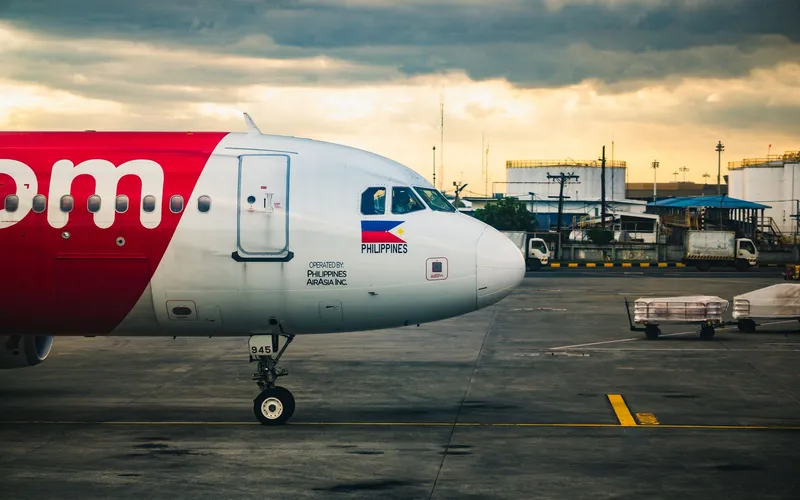
But flights come with hidden costs to the slow traveller: they bypass the journey entirely, they funnel you through congested hub airports, and they are prone to delays and cancellations in bad weather. Use flights to cover the big, unavoidable distances, but resist the urge to fly every leg; the temptation to hop by plane between nearby islands often costs more time in airport queues than it saves.
Ferries: The Slow Traveller's Friend
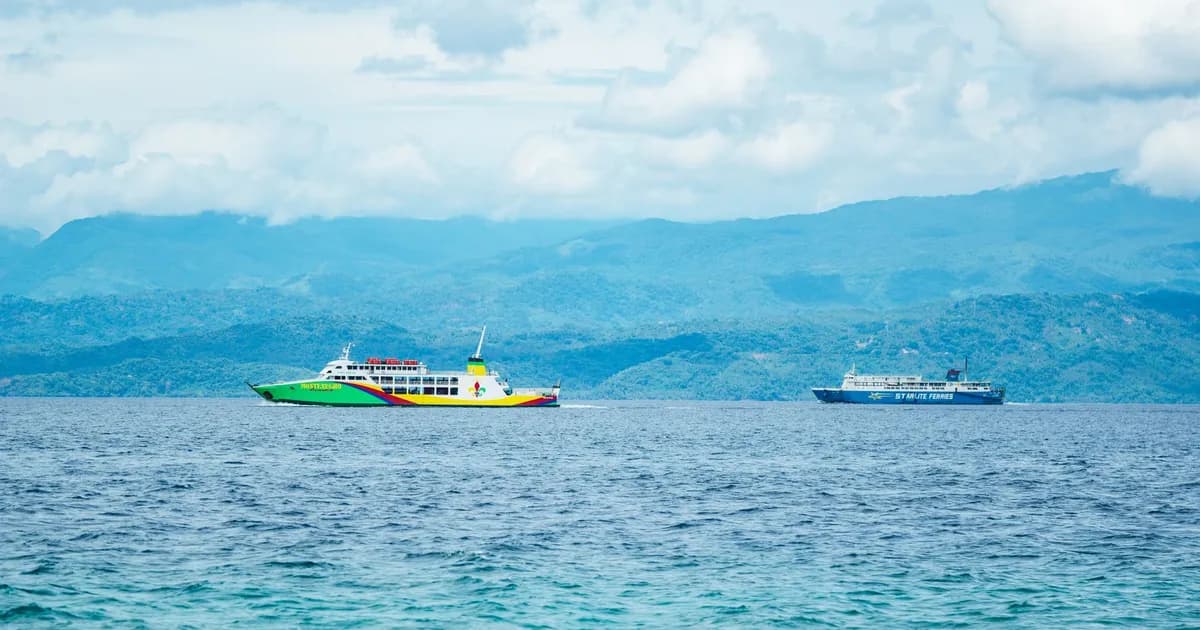
The ferry is the true vehicle of Philippine island-hopping, and embracing it is central to travelling the country well. A web of vessels, from fast craft to the roll-on-roll-off ferries known as RORO, links the islands, and taking them turns transit into an experience: the deck in the sea breeze, the islands sliding past, the shared, unhurried rhythm of local travel. Ferries range from quick modern boats to slow overnight crossings, and while they demand more time and patience than flying, they reward it with a genuine sense of the archipelago's scale and life. For anyone who values the journey, the ferry is not a compromise but the point.
Get matched with up to 5 trusted Philippines agencies
- Free
- No obligation
- Up to 5 agencies
Bangka Boats and Short Hops
At the smallest scale, the outrigger boat, or bangka, is the workhorse of the islands. These are the boats that carry you on day-trip island-hopping tours, to offshore islets and hidden beaches, and across short stretches of water between neighbouring islands. Riding a bangka across a turquoise channel, spray in the air and a palm-fringed shore ahead, is one of the quintessential Philippine experiences. For short hops and local exploration, they are often the only, and the best, option.
The Golden Rule: Buffer Days
If there is one rule for island-hopping the Philippines, it is to build in buffer days. The sea and weather do not follow timetables, and ferries and flights are regularly delayed or cancelled by rough conditions, especially in the wet season.

A schedule with no slack is a schedule waiting to break, and travellers on tight itineraries routinely miss connections and international flights home. Leaving a spare day or two around every major transit, and never booking your onward international flight for the same day you arrive back on the mainland, transforms island-hopping from a source of stress into a relaxed pleasure. Buffer days are not wasted; they are the margin that lets you travel calmly.
One Region Deeply, Not Everything Thinly
The single best decision most travellers can make is to narrow their ambitions. Rather than attempting Palawan, Cebu, Bohol, Siargao and Batanes in one trip, choose one region and give it the time it deserves. A fortnight spent slowly around the Visayas, or deep in a single province, yields far richer memories than a frantic dash across the whole country. This is especially true for far-flung destinations like the Ivatan islands of Batanes, which reward commitment rather than a flying visit. Depth beats breadth every time in a country this vast.
Weather, Typhoons and the Sea
The Philippines sits in a typhoon belt, and the weather shapes island-hopping profoundly. The typhoon season, broadly from around June to November, brings storms that can close ports and ground flights for days, while sea conditions can make crossings rough or impossible even outside the worst months. Understanding the seasons for your chosen region, and treating any weather warning with respect, is essential. Never pressure a boat operator to sail in dangerous conditions, and accept that in this part of the world, the sea sometimes simply says no.
Booking and Practicalities
A few practical habits smooth the way. Book ferries and flights ahead for busy routes and holidays, but keep some flexibility for weather. Carry cash, as small ports and islands may lack card facilities and reliable ATMs. Travel light, since you will be loading bags on and off boats. And keep digital and paper copies of your bookings, as connectivity can be patchy on smaller islands. These small preparations make the difference between smooth island-hopping and needless stress.
Island-Hopping Tours vs Getting Around
It helps to distinguish two things often lumped together. "Island-hopping" as a day tour, a bangka trip out to snorkel spots and beaches and back, is an activity you book locally at your base. Island-hopping as transport, moving your whole trip from one island to the next, is a logistical exercise of ferries and flights. Both are part of the Philippines, but they call for different planning: the first is spontaneous and local, the second benefits from booking ahead and, always, those buffer days.
The Romance of the Overnight Ferry
There is a particular magic to the overnight ferry that no flight can match. Boarding in the evening, watching the port lights recede, and waking as a new island rises out of the dawn is travel at its most elemental, and it is still an ordinary way for Filipinos to move between the larger islands. These crossings range from basic to comfortable, and they turn a night of transit into an experience in itself, saving the cost of a night's accommodation into the bargain. For the slow traveller unbothered by a little roughness, the overnight ferry is one of the most rewarding and characterful ways to cross the archipelago, and a reminder that in the Philippines the sea is not an obstacle between destinations but a destination in its own right.
Reading the Rhythm of Local Transport
Part of travelling the islands well is learning to read the informal rhythm of local transport. Ferry schedules can be approximate, departures wait for the boat to fill, and the connections between a ferry terminal and the nearest town often involve a tricycle, jeepney or habal-habal motorbike that no timetable will tell you about. Rather than fighting this, the seasoned island-hopper leans into it: asking locals rather than relying solely on apps, allowing extra time for each transfer, and treating the small uncertainties as part of the texture of the journey. This flexibility, more than any perfect plan, is what makes moving through the Philippines feel less like logistics and more like travel.
Slow Travel in an Archipelago
There is a deeper philosophy beneath the logistics of island-hopping well. An archipelago like the Philippines teaches, more forcefully than most places, that the journey and the destination are inseparable. The ferry crossing, the wait at a small port, the bangka ride to a beach, the conversations struck up in transit: these are not the dull connective tissue between the good parts of a trip, they are often the good parts themselves. Travellers who arrive determined to maximise their island count tend to remember airports and terminals; those who slow down and let the sea set the pace remember the crossings, the light on the water, the islands appearing and receding. The Philippines rewards the second kind of traveller far more richly than the first. To island-hop slowly is to accept that you cannot see it all, to choose depth over breadth, and to treat the moving-between as an experience worth having rather than a cost to be minimised. Do that, and the archipelago's fragmentation stops being a problem to solve and becomes the very thing that makes travelling here unforgettable.
What to Do Next
- Choose one region or island cluster to explore deeply rather than trying to cover the whole country.
- Use flights only for the long, unavoidable distances, and favour ferries for the journey and the sense of place.
- Build buffer days around every major transit, and never book your international flight home for your mainland arrival day.
- Respect the weather and typhoon season, carry cash, travel light and keep copies of your bookings.
- Plan a realistic, spread-out route with our Philippines plan-your-journey resources and our slow travellers' guide.
Frequently Asked Questions
What is the best way to travel between islands in the Philippines?
It depends on the distance. For long hauls, such as Luzon to Mindanao, budget flights save days. For shorter and medium distances, ferries, from fast craft to roll-on-roll-off boats, are the classic and most rewarding option, turning transit into part of the journey. For short local hops, outrigger bangka boats are often the only and best choice.
Should I fly or take ferries in the Philippines?
Use both, matched to the distance. Flights are efficient for covering the country's great length but bypass the journey and clog you through hub airports. Ferries take longer but give a genuine feel for the archipelago and its life. The slow traveller's approach is to fly the unavoidable long legs and take ferries wherever the journey itself is worth having.
How many islands should I visit on one trip?
Fewer than you think. The Philippines is too vast to cover, and trying produces exhaustion and endless transit. Choosing one region or island cluster and exploring it deeply yields far richer travel than dashing between the famous names. Depth beats breadth, especially given how much time inter-island transport and weather delays can consume.
Why are buffer days so important in the Philippines?
Because the weather and sea do not follow timetables. Ferries and flights are regularly delayed or cancelled by rough conditions, especially in the wet season, and a tight schedule risks missed connections and international flights home. Leaving a spare day or two around major transits, and never flying home on your mainland arrival day, keeps island-hopping relaxed.
When is typhoon season in the Philippines?
Broadly from around June to November, though storms can occur outside this window. Typhoons can close ports and ground flights for days, and sea conditions can make crossings rough or impossible even in fairer months. Check the seasons for your chosen region, respect all weather warnings, and never pressure a boat to sail in dangerous conditions.
Do I need to book Philippine ferries and flights in advance?
For busy routes, popular islands and holiday periods, yes, book ahead to secure a place. But keep some flexibility, as weather can disrupt schedules. Carry cash for smaller ports without card facilities, travel light for loading boats, and keep digital and paper copies of bookings, since connectivity can be unreliable on smaller islands.