
For most of 2026, the story travellers heard about the central Philippines was not about reefs or rice terraces. It was about electricity. The Visayas grid, which serves Cebu, Negros, Panay, Bohol and their neighbours, has spent the year lurching between yellow and red alerts, and towns that rarely lost power now plan their days around rotating brownouts. This matters to visitors less than it matters to the people who live there, and it is not a reason to cancel a trip. But it is a genuine shift in how the central islands work, and slow travellers, who stay longer and go further from the resort strips, feel it more than someone on a four-night package.
What actually happened to the Visayas grid
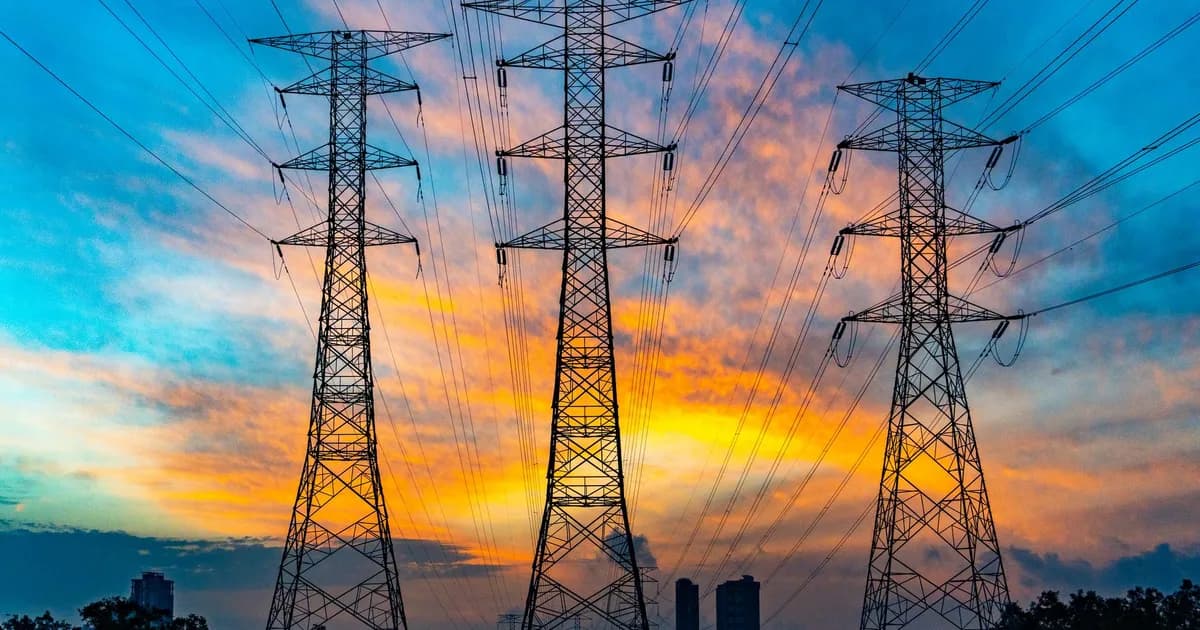
The short version is a supply gap that stopped being seasonal and became structural. Between January and early September 2026, the Visayas grid recorded roughly 93 yellow alerts and 30 red alerts. A yellow alert means reserves have thinned; a red alert means demand may exceed supply and load shedding is likely. On 10 September, the grid went red between two and nine in the evening, with available capacity of about 2,205 megawatts against a peak demand of around 2,460 megawatts, and ten power plants on forced outage, four of them idle since August.
The causes are mundane and cumulative rather than dramatic: an ageing, coal-heavy generation fleet, repeated forced outages and deratings at Panay plants, demand growth that outran new capacity, and limited interconnection headroom to draw power from Luzon and Mindanao. Cebu has been identified as the grid's weakest link, with an evening peak shortfall projected at more than 400 megawatts. In September 2026 the House of Representatives opened an inquiry into the crisis and into the ancillary service charges that consumers have been paying while reliability fell.
None of this appeared overnight. In May, the national grid operator warned of rotating brownouts across distribution utilities serving Cebu, Negros, Iloilo, Aklan, Antique, Capiz, Guimaras and Bohol. And the region already had a warning shot: in January 2024, the whole of Panay, Boracay included, lost power for several consecutive days.
One request. Up to five tailored proposals.
Skip contacting agencies one by one — share your trip once and let up to five trusted Philippines agencies come to you. Free, with no obligation.
Get my free quotesWhere the outages bite hardest
The pattern is uneven, which is what makes it confusing to plan around. Large urban centres with big commercial loads, Cebu City, Iloilo, Bacolod, tend to see shorter, scheduled rotations of two to four hours. Smaller island grids and co-operative service areas can see longer and less predictable cuts. Boracay, Bantayan, Malapascua, Guimaras, parts of Antique and the Negros interior have all been affected at different points in the year.
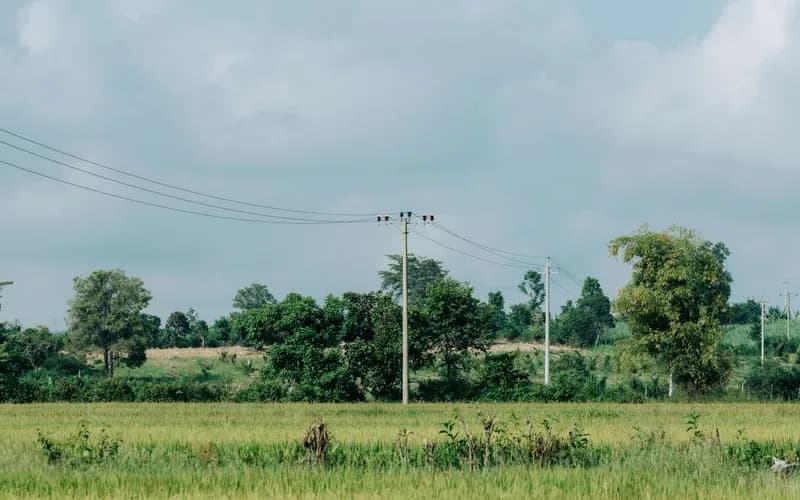
Palawan sits outside the Visayas grid entirely and has its own version of the problem: an island system heavily dependent on diesel, where fuel costs and plant reliability translate directly into brownouts in Puerto Princesa and the towns that feed El Nido and Port Barton. It is a different grid with a familiar symptom.
Two practical observations follow. First, the smaller and more remote the place, the more likely your accommodation already runs on its own generator and the less likely the outage disrupts your day. Second, it is the mid-sized towns, the ones with mains power but thin backup, where you notice it most: warm rooms in the afternoon, cold showers, dead Wi-Fi and shuttered laundries.
The knock-on effects travellers actually notice
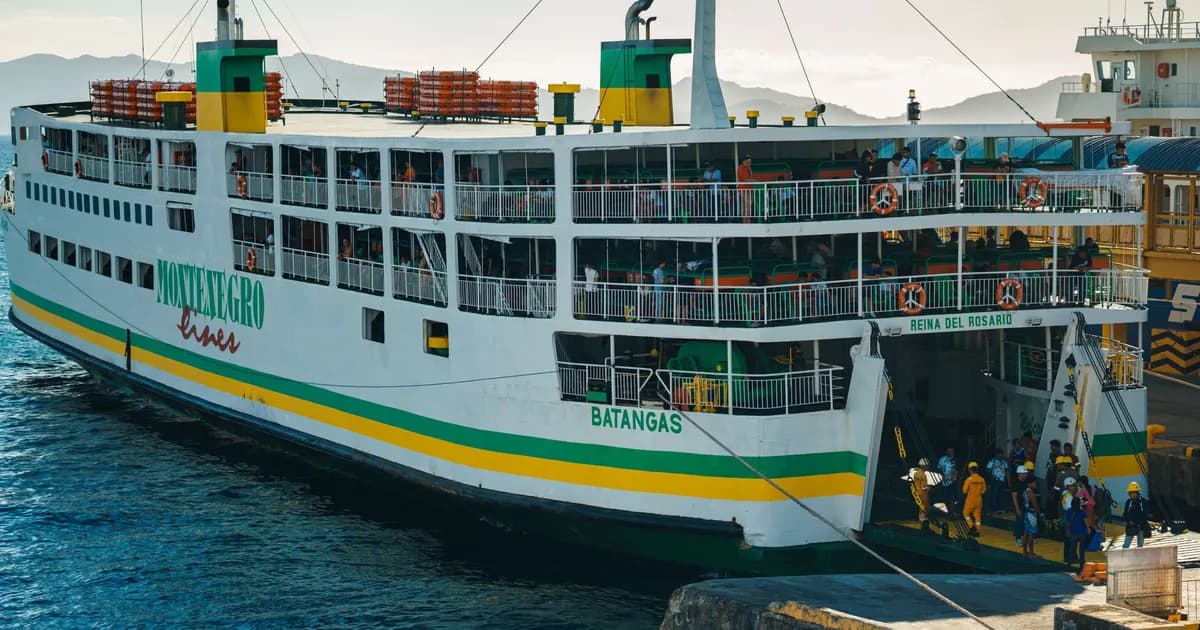
Airports have kept operating, but reporting through the year described Mactan-Cebu, Iloilo and Bacolod-Silay running on continuous diesel generation during extended blackouts. Air-side operations are resilient; terminal comfort is less so. Ferries are largely unaffected at sea, though port ticketing offices and online booking systems can stall during a cut, which is one more argument for buying tickets ahead rather than at the pier.
The subtler effects are commercial. Businesses running generators pay a great deal for diesel and eventually pass some of it on, so room rates and restaurant prices in affected areas have edged up. Card terminals and mobile payment apps fail during outages, which makes cash more important than it has been for a few years. Cold chains suffer, so in small towns during a long cut, be sensible about seafood that has been sitting in an unrefrigerated display.
Get matched with up to 5 trusted Philippines agencies
- Free
- No obligation
- Up to 5 agencies
How operators are adapting
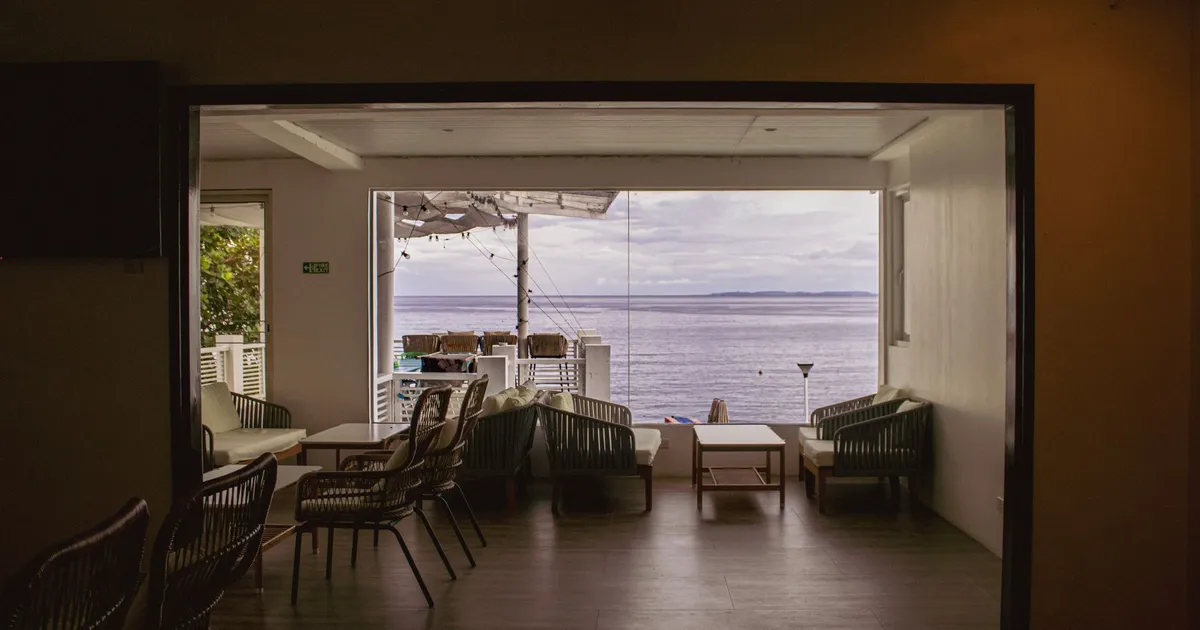
The more interesting part of this story is the adaptation. Across the Visayas and Palawan, small resorts and dive operations have spent 2026 doing what larger hotels did years ago: adding solar arrays, battery storage and inverters, so that lights, fans, fridges and routers keep running without firing up a generator at all. Starlink terminals have become common in places where the fixed line dies with the mains.
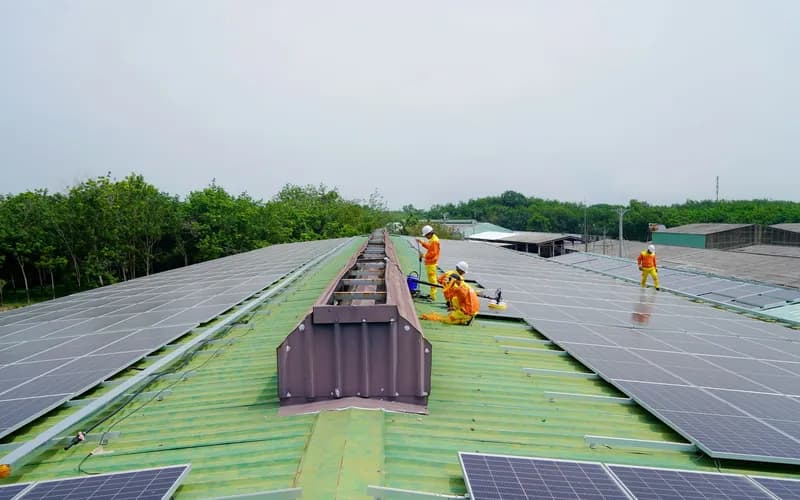
This is not greenwashing. A guesthouse that invests in panels and a battery bank is buying itself independence from both the grid and the diesel price, and the result for guests is quieter nights and steadier Wi-Fi. When you are comparing two similar places to stay, asking what happens during a brownout has become a genuinely useful question, and the answer tells you something about how the business is run.
It is worth putting this alongside the other structural pressures on Philippine destinations, including the visitor caps and carrying-capacity rules we covered in our analysis of island caps. Infrastructure limits, not marketing, are increasingly what decide how many people an island can host well.
What this means for slow travellers specifically
If your trip is four nights in one resort, a brownout is an annoyance the property absorbs for you. If your trip is three weeks across five islands, with homestays, buses and local guides, you are exposed to the same infrastructure the community is. That is not a bad thing. It is the honest texture of a place, and it argues for a few adjustments rather than a change of destination.
- Treat power as a planning variable alongside weather and ferries, not an afterthought.
- Favour accommodation with solar plus battery over generator-only backup, and ask before booking.
- Keep a real power bank, preferably 20,000 mAh or more, and a headtorch in your day bag.
- Download offline maps, tickets and reading before you leave a reliable connection.
- Carry more cash than you would in 2019, because card terminals fail with the grid.
The same habits that make typhoon season manageable work here, and we set them out in our guide to travelling through typhoon season. Flexibility is the single most valuable thing in your itinerary.
The honest case for still going
There is a version of this article that tells you to avoid the Visayas in 2026. That would be wrong. Life continues, businesses open, the diving is unchanged, and the islands that depend on visitors need them more, not less, in a year when operating costs have risen. Outages are scheduled more often than not, they are usually measured in hours rather than days, and the vast majority of travellers come home with a story about a candlelit dinner rather than a ruined trip.
What is fair to say is that the crisis rewards a different kind of trip. Places with their own power, smaller towns, and itineraries with slack in them cope easily. Tightly scheduled island-hopping with same-day connections and a dependence on constant connectivity copes badly. It also nudges the calculus of where to go: Negros, for example, remains excellent and is well used to working around interruptions, as we describe in our slow guide to Negros Island.
What it may cost you
Budget impact is real but modest. Expect small increases in room rates in generator-dependent areas, occasional surcharges in restaurants, and the cost of a decent power bank if you do not already own one. Against that, low-season room rates in the Visayas remain among the best value in Southeast Asia, and the broader price picture has not changed much, as our Philippines trip cost and budget guide sets out in detail. The larger risk to your budget is still a missed connection, not electricity.
What to Do Next
- Before booking, ask every prospective accommodation one question: what happens here during a brownout, generator or solar and battery?
- Check the grid operator's alert notices and your destination's local electric co-operative page for published rotation schedules during your dates.
- Build at least one buffer day into any itinerary that includes a flight out of Cebu, Iloilo or Bacolod.
- Buy ferry tickets online in advance so that a pier ticket office outage does not cost you a sailing.
- Withdraw cash in the larger towns, where ATMs are more likely to be on backup power, rather than on small islands.
- If you want the logistics handled by someone who tracks this daily, start with our plan-your-journey page and work with an operator based in the region.
Frequently Asked Questions
Should I cancel or postpone a trip to Cebu, Negros or Panay because of the outages?
No. The outages are disruptive for residents and businesses, but they are typically scheduled, measured in hours and absorbed by most tourism operators. Airports, ports and hospitals run on backup power. The sensible response is to pick accommodation with reliable backup and keep some slack in your schedule, not to avoid the region.
How long do the brownouts usually last?
Most rotating outages run between two and four hours in urban areas. Longer cuts of five to nine hours have been reported during red alert days, and smaller island grids can see longer and less predictable interruptions. Multi-day blackouts have happened, but they have been associated with major plant failures or typhoon damage rather than routine load shedding.
Will my flights or ferries be cancelled?
Rarely for power reasons alone. Airports have continued to operate on generators through the worst days of 2026, and ferries are unaffected at sea. What does get disrupted is ground infrastructure: ticketing counters, online booking systems, baggage systems and terminal air conditioning. Weather remains a far more common cause of cancellation than electricity.
Is the internet reliable during a blackout?
Mobile networks usually stay up because cell sites have battery and generator backup, though capacity can degrade. Fixed-line Wi-Fi in guesthouses typically dies with the mains unless the property has an inverter or Starlink on backup power. If you need to work, ask specifically about backup for the router rather than about Wi-Fi in general.
Which parts of the Philippines are least affected?
Luzon, including Manila and the northern provinces, has had a more comfortable reserve margin through 2026, and Mindanao has generally been steadier than the Visayas. Within the Visayas, larger cities see shorter scheduled rotations while small island co-operatives see the longest cuts. Palawan sits on its own diesel-dependent system with its own reliability problems.
Are hotel prices going up because of this?
Modestly, in places that run generators for hours each day. Diesel is expensive and some of that cost reaches the guest through room rates or energy surcharges. It is not a dramatic shift, and low-season discounting in the Visayas still leaves the region very good value compared with neighbouring countries.
What single item is most worth packing?
A high-capacity power bank, with the charging cables for everything you carry. A headtorch is a close second, because it makes an unlit stairwell or a candlelit bathroom a non-event. Both are cheap, both are useful in typhoon season anyway, and both remove most of the practical friction that a brownout creates.