Capping the Crowds: How the Philippines Is Managing Its Islands in 2026
The Philippines has thousands of islands, but a handful of them carry the weight of its tourism, and for years that weight was becoming unbearable. Beaches loved into squalor, reefs damaged, sewage in the sea: the country's most famous destinations were being ruined by their own success. In 2026, a different approach is taking hold. From outright closures to strictly enforced visitor limits and environmental fees, the Philippines is learning to cap the crowds, and for the slow traveller, this shift towards managed, quality tourism is a development worth understanding.
It is a story that begins with a shock, continues with a policy, and points towards a gentler way of travelling the archipelago. Understanding it helps you plan a better trip and travel more thoughtfully through a country grappling with the limits of its own popularity.
The Boracay lesson
The turning point was Boracay. The tiny island, famous for one of the world's most celebrated beaches, had become so overwhelmed by unchecked development and pollution that in 2018 the government took the drastic step of closing it to tourists entirely for six months, memorably describing it as a cesspool, to force a clean-up and a reckoning. It was a startling move, and it sent a message across the country: no island, however lucrative, was too big to be shut down to save it.
The Boracay closure reshaped how the Philippines thinks about its islands. It established the principle that a destination has limits, that tourism can destroy the very thing it depends on, and that the state is willing to intervene. The rehabilitation that followed introduced carrying-capacity limits, stricter rules and environmental fees, a template that has since spread. This is the backdrop to the wider rebalancing we explore in our piece on the Philippines beyond Boracay.
One request. Up to five tailored proposals.
Skip contacting agencies one by one — share your trip once and let up to five trusted Philippines agencies come to you. Free, with no obligation.
Get my free quotesHow the Philippines manages its islands now
Since Boracay, managing island tourism through caps and fees has become the norm at the country's pressured destinations. The tools are consistent: a carrying capacity that sets a maximum number of visitors a place can hold at once, environmental fees that fund conservation, and increasingly digital systems to collect fees and track numbers. The intent is to keep the golden goose alive by limiting how hard it is worked.
The enforcement varies, and it is a genuine work in progress; some limits are strictly policed, others exist more on paper than in practice. But the direction of travel is clear. The Philippines is moving, unevenly but unmistakably, away from unlimited tourism and towards a managed model, in which access to the most fragile and popular places is controlled. For the traveller, this means more fees, more advance planning and, at some sites, real limits on numbers.
El Nido's enforced lagoon limits
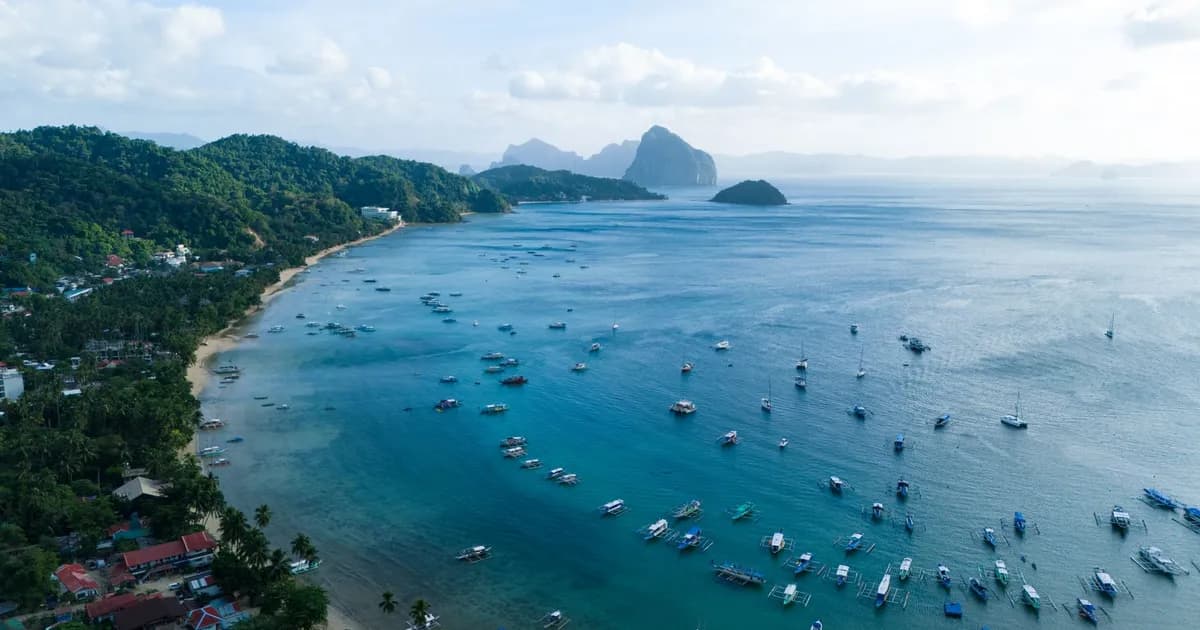
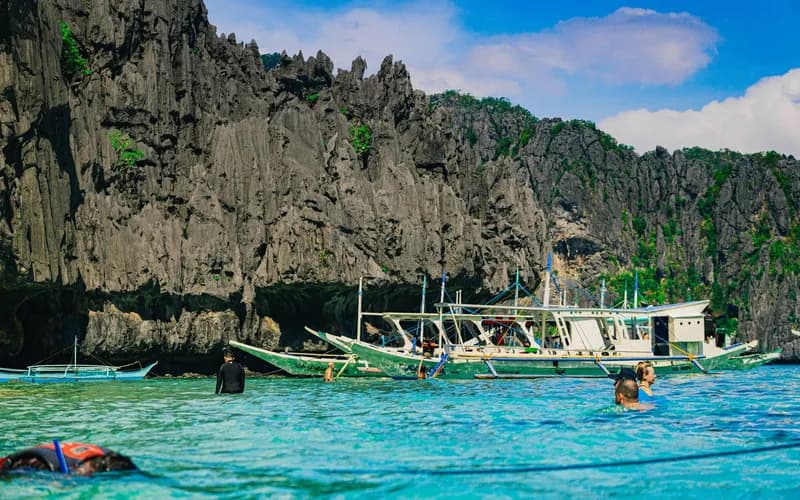
El Nido, on the island of Palawan, shows the managed model working. Its famous lagoons, the Big Lagoon and Small Lagoon, among the most photographed seascapes in the country, now operate under carrying-capacity policies that are strictly enforced, limiting how many visitors and boats can be inside at once. On top of this, an environmental user fee of a couple of hundred pesos each is charged for the lagoons, and the money goes directly into a protected-area fund used solely for conservation and management of the surrounding protected seascape.
This is exactly the kind of intervention that keeps a beautiful place beautiful. A capped, fee-funded lagoon is calmer, cleaner and more rewarding to visit than a free-for-all packed with boats. For the traveller it means booking ahead, paying the fee willingly, and accepting that you may need to wait your turn, small prices for an experience that might otherwise have been loved to death.
Get matched with up to 5 trusted Philippines agencies
- Free
- No obligation
- Up to 5 agencies
Boracay's carrying capacity and the iPass
Boracay itself, post-rehabilitation, runs on a formal carrying capacity, capped at just over nineteen thousand people on the island at any one time, alongside environmental and terminal fees for arriving visitors. In 2026 the island has integrated these charges into a digital pass system, the Boracay iPass, designed to streamline the collection of the statutory fees that every visitor must pay.
The reality on the ground is imperfect: reports suggest the island still exceeds its official capacity at peak times, and enforcement has softened as the memory of the closure fades and the pressure to boost arrivals returns. This tension, between protecting a place and profiting from it, sits at the heart of the whole managed-tourism experiment, and it is far from resolved. But the framework exists, and it represents a genuine attempt to keep even the busiest islands within some kind of limit.
What it means for slow travellers
For the slow traveller, this managed turn is broadly good news, and it aligns neatly with how you probably want to travel anyway. Expect to pay environmental and terminal fees at popular destinations, and pay them gladly, since they fund the conservation that keeps these places worth visiting. Book capped experiences like the El Nido lagoons in advance, and travel in shoulder seasons when caps bite less and crowds are thinner.
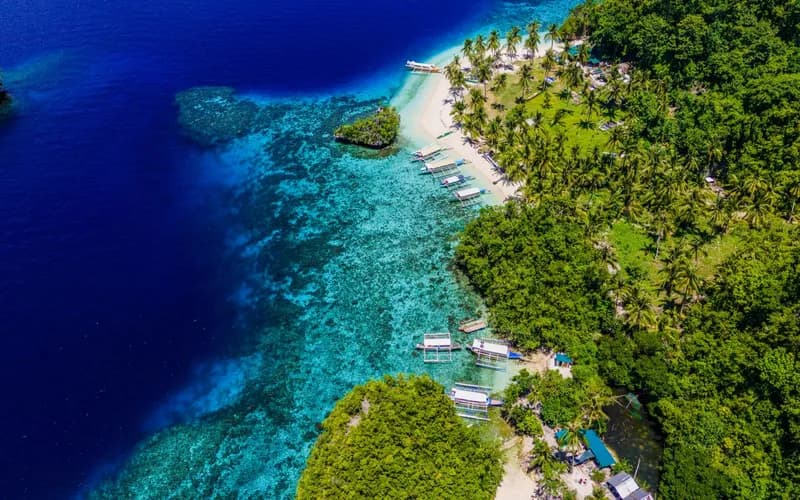
But the deeper lesson is an invitation. If the famous islands are increasingly rationed, the natural response is to look beyond them, to the hundreds of quieter islands where no cap is needed because the crowds never came. This is the same logic that draws slow travellers to places like Camiguin and the many hidden corners in our guide to off-the-beaten-path Philippines: places that offer the beauty without the queues, and where your visit spreads the benefits of tourism more widely.
The bigger strategy: spreading the load
The caps and fees are only half of the Philippines' approach; the other half is dispersal. A central goal of national tourism policy is to spread the economic benefits of travel to lesser-known destinations, easing the pressure on honeypots like Boracay and El Nido while bringing income to communities that see few visitors. New airports, better connections and marketing of alternative islands all serve this aim.
For the traveller, this strategy and your own interests point the same way. Choosing the quieter islands is not a compromise but often the better trip, and it is precisely what the country's own tourism planners are trying to encourage. Travelling this way, you become part of the solution to overtourism rather than a contributor to it, and you see a truer, gentler Philippines in the bargain. Our guide to island-hopping the Philippines slowly is built around exactly this unhurried, dispersed approach.
The tension the country has not resolved
For all the progress, it would be naive to present the Philippines' managed turn as a settled success. Underneath it runs a tension that the country has not resolved and perhaps cannot fully: the pull between protecting a place and profiting from it. Tourism is a huge source of income and jobs, and every cap that limits visitor numbers also limits revenue, which creates constant pressure to loosen the very limits that conservation requires. Boracay's continued overcrowding, despite its official capacity, is the clearest sign of this unresolved pull.
Enforcement, too, is uneven. Some sites police their limits rigorously while others let them slide, and rules can tighten after a crisis and quietly relax once the headlines fade and arrival targets return to the fore. A cap is only as good as the will to enforce it, and that will waxes and wanes with the economics and politics of the moment. Travellers should hold a realistic picture: the framework of managed tourism is real and growing, but it is applied inconsistently and contested constantly.
None of this is a reason for cynicism. It is a reason for the traveller to be part of the better outcome rather than the worse one. By paying fees willingly, respecting caps even where enforcement is lax, choosing operators who follow the rules, and spreading your visits to places that need the income, you strengthen the case for protection over exploitation. The Philippines is trying, imperfectly, to travel a difficult road between its islands' beauty and its people's livelihoods, and the thoughtful visitor can help tip the balance the right way. That is a small responsibility, but on islands this fragile it is a real one.
What to Do Next
- Expect and willingly pay environmental and terminal fees at popular islands like Boracay and El Nido.
- Book capped experiences, such as the El Nido lagoons, in advance, and travel in shoulder seasons where you can.
- Balance one or two famous destinations with several quieter islands that need no caps.
- Treat the fees and limits as conservation in action, not as obstacles.
- Follow the country's own strategy and spread your visit to lesser-known islands, where your money does more good.
Frequently Asked Questions
Why is the Philippines capping tourist numbers on its islands?
Because unlimited tourism was destroying its most famous destinations, with pollution and overcrowding degrading beaches and reefs. The 2018 closure of Boracay was the turning point, establishing that islands have limits, and carrying-capacity caps and environmental fees have since spread to protect fragile, popular places.
What happened to Boracay in 2018?
The government closed Boracay to tourists for six months in 2018 to force a clean-up after pollution and overdevelopment, with officials famously calling it a cesspool. The rehabilitation introduced a carrying capacity, stricter rules and environmental fees, setting a template for managing tourism elsewhere in the country.
Are there limits on visiting El Nido's lagoons?
Yes. El Nido's Big Lagoon and Small Lagoon operate under strictly enforced carrying-capacity policies that limit how many visitors and boats can be inside at once, plus an environmental user fee that funds conservation of the protected seascape. Booking ahead is advisable, especially in high season.
What fees will I pay visiting Philippine islands?
At popular destinations, expect environmental fees and terminal fees, for example on Boracay, now collected through a digital iPass, and environmental user fees at sites like the El Nido lagoons. These fund conservation, so they are best paid willingly as a contribution to the places you have come to enjoy.
How can I avoid the crowds and caps in the Philippines?
Look beyond the famous islands to the many quieter ones, such as Camiguin, Siquijor and countless lesser-known spots, where no caps are needed because the crowds never arrive. This spreads the benefits of tourism, avoids the busiest sites, and often makes for a more rewarding, more authentic trip.
Is managed tourism good or bad for travellers?
For thoughtful travellers it is largely good. Caps and fees keep beautiful places from being ruined and make for calmer, cleaner visits, while encouraging travel to quieter islands. The main adjustments are paying fees and booking capped sites ahead, both small prices for protecting the destinations.
Keep reading
More from the ground · Philippines