Lampang: Northern Thailand's Horse-Cart Town Where Time Slows Down
Most travellers see Lampang only as a name on the northern rail line, a station they pass through somewhere between Bangkok and Chiang Mai. That is precisely why it rewards the ones who get off. Two hours south-east of Chiang Mai, Lampang keeps a slower clock: horse-drawn carriages still clip along the old streets, teak temples sit largely empty, and the Wang River slides past a riverfront that has never been dressed up for tourism. This is a town for travellers who measure a place in mornings spent well rather than sights ticked off.
Lampang is not a secret, exactly. It has been a Thai weekend favourite for years and appears in most guidebooks. But foreign visitors tend to give it a single afternoon on the way north, and that is the mistake. Give it three or four unhurried days and the town opens up: a Lanna old quarter you can walk end to end, a temple many consider the finest in the north, ceramic workshops still turning out the famous rooster bowls, and a pace that makes Chiang Mai feel frantic by comparison.
Why Lampang suits slow travel
The case for Lampang is simple. It has genuine depth of history, it is compact enough to explore on foot or by bicycle, and it has not yet been reshaped by mass tourism. There are no crowds queuing for photographs, no streets given over entirely to souvenir stalls, and prices that reflect a working provincial capital rather than a resort. You eat where locals eat, and you pay what locals pay.
It also connects easily to the rest of the north without a car. The town sits on the main northern railway, so you can arrive slowly and leave slowly, exactly the sort of overland rhythm that rewards patience. If you are already thinking about how to string the north together by rail, our guide on travelling Thailand by train makes the case for building a trip around the tracks rather than the airport.
One request. Up to five tailored proposals.
Skip contacting agencies one by one — share your trip once and let up to five trusted Thailand agencies come to you. Free, with no obligation.
Get my free quotesThe horse carts, and why they are still here
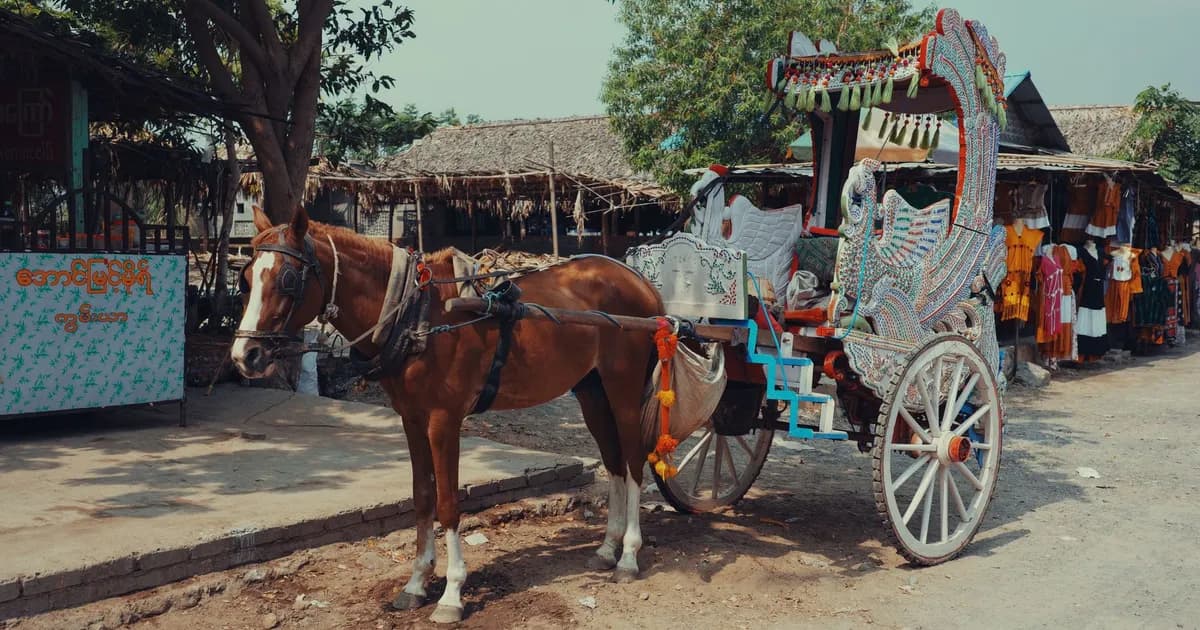
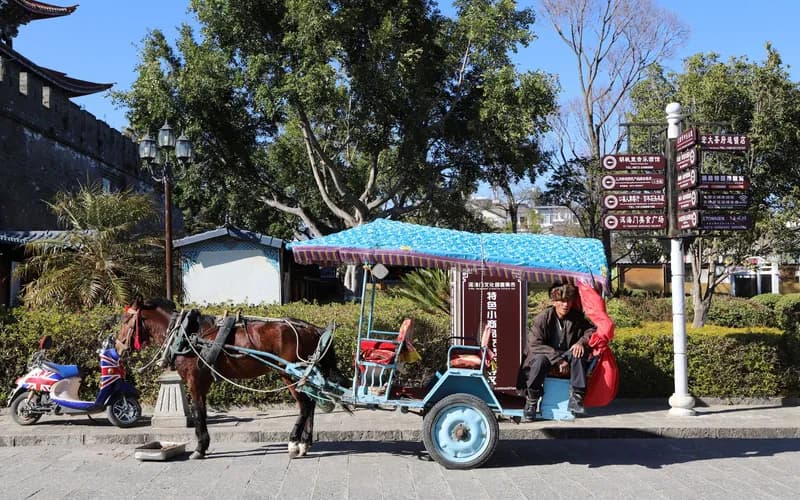
Lampang is the only town in Thailand where horse-drawn carriages, known locally as rot maa, still work the streets as more than a novelty. They arrived in the early twentieth century when Lampang was a booming teak-trading centre, and somehow they survived the arrival of the car. Today they are a genuinely pleasant, low-effort way to see the old town, especially in the soft light of early morning or late afternoon.
Rides leave from a couple of set points, including near the Lampang Ceramics area and the riverside hotels, and prices are posted and fixed: roughly 150 to 200 baht for a short 25 to 30 minute loop, 200 to 300 baht for a longer 45 to 60 minute circuit, and around 400 baht for a leisurely two-hour tour that takes in the river and the main temples. It is touristy in the best sense, a slow amble rather than a performance, and it puts money directly into a tradition worth keeping alive.
Wat Phra That Lampang Luang
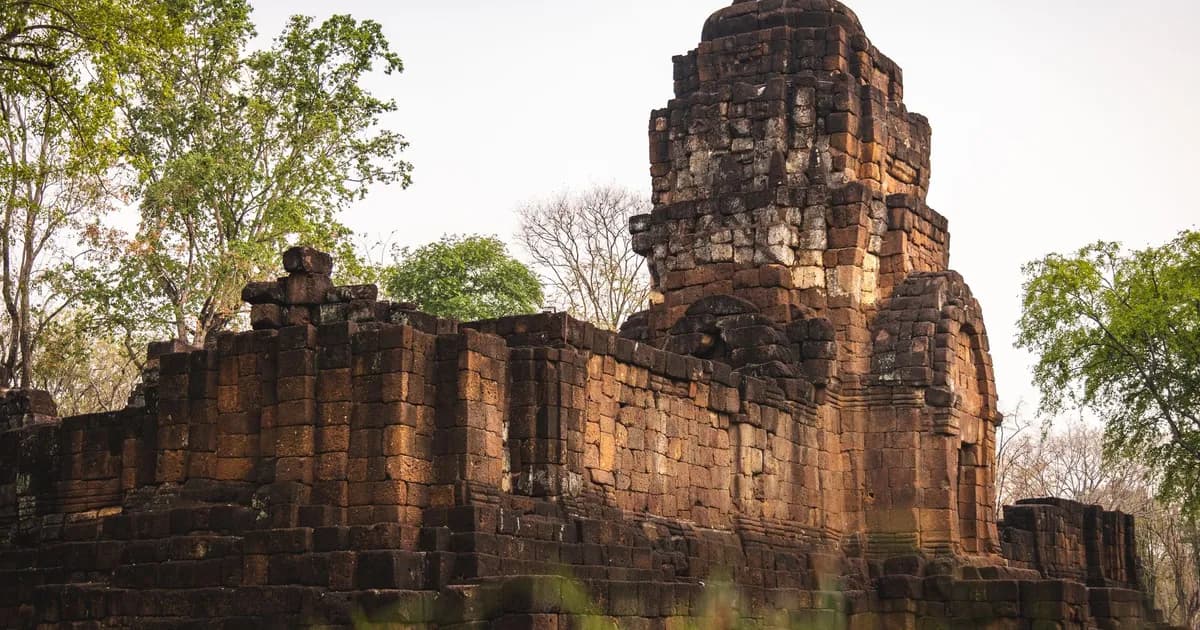
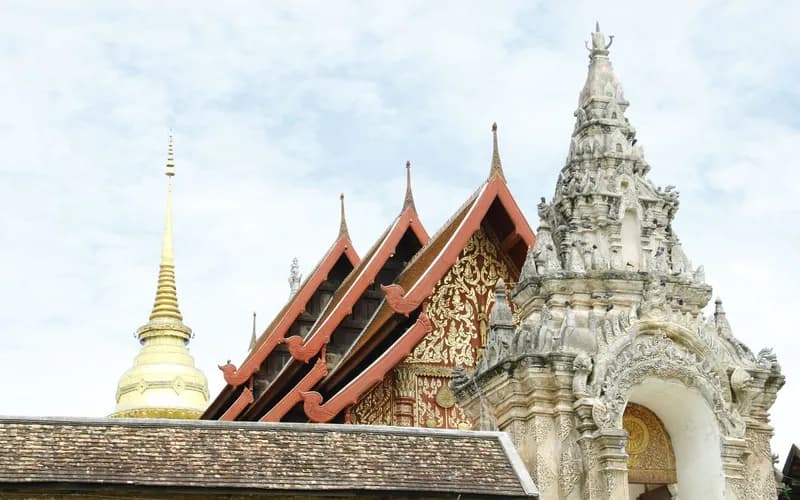
If you visit one thing in the province, make it Wat Phra That Lampang Luang, about eighteen kilometres south-west of town in Ko Kha. Many people who know the north well will tell you it is the most beautiful temple in the region, and they have a point. Set on a low walled mound, the wooden viharn is one of the oldest surviving timber structures in Thailand, its dark teak and faded gold entirely free of the gloss that coats better-known temples further north.
Go early. The morning light through the open sides of the assembly hall is extraordinary, and the compound is quiet enough that you can sit and simply take it in. There is a famous camera-obscura effect in one small building, where a pinhole projects an inverted image of the golden chedi onto a cloth, a reminder that the place has been rewarding slow, attentive visitors for a very long time.
Get matched with up to 5 trusted Thailand agencies
- Free
- No obligation
- Up to 5 agencies
Ceramics, kilns and rooster bowls
Lampang is Thailand's ceramics capital, and the industry is not a museum piece. The town and surrounding district are dotted with working kilns, and the local product, the blue-and-white bowl painted with a rooster, is recognised across the country. The Dhanabadee Ceramic Museum, built around a preserved dragon kiln, tells the story well and lets you watch the rooster bowls being hand-painted. It is one of the more genuine craft experiences in the north because it is attached to a factory that still sells what it makes.
Buying a bowl or two here means carrying home an object with a real provenance rather than a mass-produced souvenir. If you are the sort of traveller who plans a trip around markets and makers, it is worth reading our broader slow traveller's guide to Thailand for how to weave craft towns like this into a longer northern loop.
Walking the old town and the Wang River
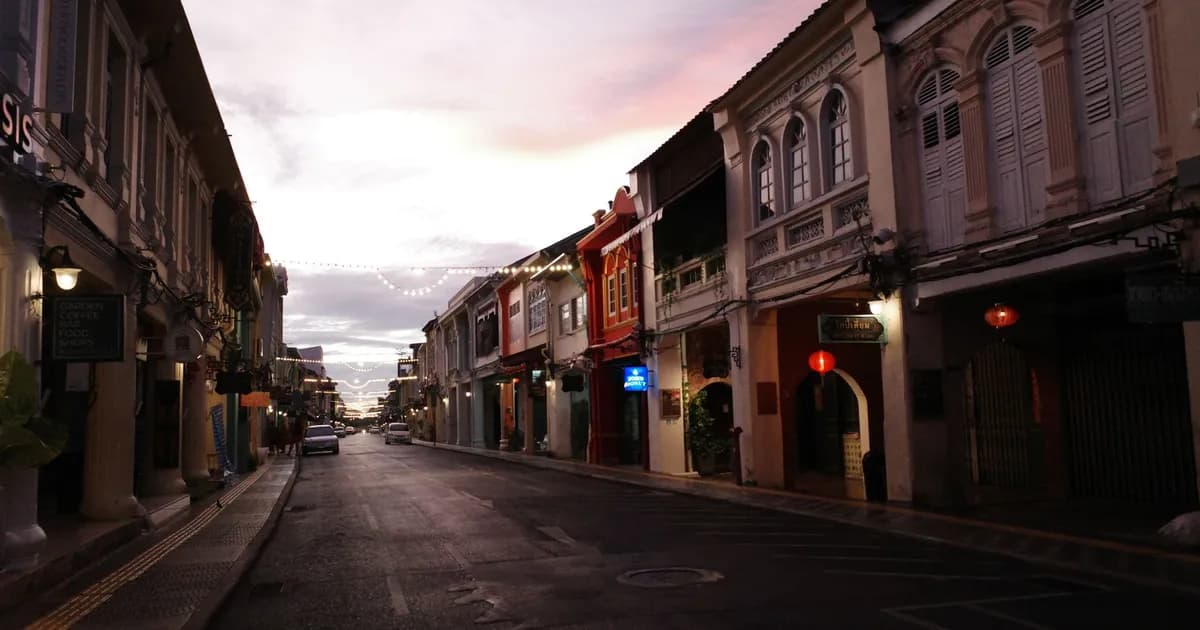
Lampang's old quarter runs along the south bank of the Wang River, and the pleasure of it is that you can walk the whole thing slowly. Kad Kong Ta, the old market street, is lined with a mix of Burmese, Chinese and Lanna shophouses that speak to the town's teak-boom wealth. On Saturday and Sunday evenings the street closes to traffic and becomes a walking market, low-key and food-focused, where you can graze on northern snacks and watch the town come out to socialise.
The Burmese influence is one of Lampang's quiet surprises. Teak merchants from Burma built ornate temples here in the nineteenth century, and Wat Sri Chum and Wat Sri Rong Muang are among the finest Burmese-style temples in Thailand, all carved wood and mirrored glass. They see a fraction of the visitors of comparable sites elsewhere.
Where Lampang fits in a northern trip
Lampang works beautifully as a first or last stop in the north, a place to decompress before or after the busier circuits around Chiang Mai and Pai. It pairs naturally with the quieter valleys further north and east; if you are chaining slow towns together, it sits comfortably alongside places like Nan's quiet valleys, another northern province that rewards travellers who stay longer than they planned.
For anyone who would rather have the logistics handled by people who know the region, our Thailand travel agencies directory lists operators who can build a northern itinerary that includes towns like Lampang instead of rushing past them.
Food and the rhythm of a Lampang day
Part of Lampang's appeal is how ordinary and unforced daily life feels here. Mornings begin at the fresh markets, where vendors sell northern staples like khao soi, the coconut-curry noodle soup, and sai ua, the herb-heavy northern sausage, at prices a resort town could never match. Riverside cafes have multiplied in the old shophouses in recent years, giving Lampang a small but genuine coffee culture without the queues that come with it elsewhere in the north. You can sit with a drink and watch the river slide by for as long as you like, and nobody will hurry you along.
The pleasure is in the pacing. You can spend a morning wandering the market and the temples, retreat from the midday heat with a long lunch and a book, then come out again in the golden late afternoon when the light softens and the horse carts begin their circuits. Evenings are low-key: a bowl of noodles, a cold drink by the Wang River, and the particular quiet that settles over a provincial town after dark. It is the antithesis of the island party circuit, and that is exactly why it appeals to travellers who want to feel a place rather than perform a holiday in it.
Lampang also makes a natural base for gentle day trips. The temples of the Ko Kha district, the well-known elephant conservation centre nearby, and the quiet countryside along the river all reward an unhurried excursion, and because the town draws relatively few foreign visitors, you rarely share these places with a crowd. Renting a bicycle for a day is one of the best ways to feel the scale of the old town and its surroundings, pedalling from temple to riverside at a pace that lets details register. It is the kind of destination that quietly recalibrates your sense of what a good travel day looks like: fewer sights, more presence, and enough time for a place to reveal itself on its own terms.
What to Do Next
- Arrive by train on the northern line and stay at least three nights, ideally at a riverside guesthouse in the old town.
- Take an early-morning horse-cart ride before the day heats up, using it to orient yourself around the old quarter.
- Set aside a full half-day for Wat Phra That Lampang Luang, going as early as you can for the light and the quiet.
- Visit a working kiln such as the Dhanabadee Ceramic Museum, and buy a rooster bowl straight from the source.
- Time your stay to catch the Saturday or Sunday walking market on Kad Kong Ta.
- Use Lampang as a slow gateway, pairing it with the northern valleys rather than treating it as a single afternoon stop. Our plan your journey page can help you sequence it sensibly.
Frequently Asked Questions
How many days should I spend in Lampang?
Three to four days is the sweet spot. That gives you time for the old town, a half-day trip to Wat Phra That Lampang Luang, a ceramics workshop, and at least one slow morning doing very little, which is rather the point of the place.
How do I get to Lampang?
The easiest slow option is the train on the northern line, which stops at Lampang between Bangkok and Chiang Mai. There are also frequent buses and minivans from Chiang Mai, roughly two hours away, and the town has a small airport with limited domestic flights.
Is Lampang worth visiting if I have already seen Chiang Mai?
Yes, and arguably more so. Lampang offers a similar Lanna heritage with a fraction of the crowds and commercialisation, which makes it feel closer to how the north was a generation ago.
Are the horse carts ethical?
The carriages are a long-standing local tradition and the horses are generally well kept, though as with any animal experience you should use your own judgement and choose an operator whose horses look healthy and unstressed. Shorter rides in the cooler parts of the day are kinder.
When is the best time to visit Lampang?
The cool, dry season from November to February is the most comfortable, with pleasant days and cool evenings. March and April can be hot and hazy due to regional burning, so the north is best avoided then if you are sensitive to smoke.
Is Lampang a good base for exploring the wider region?
It is a fine base for the surrounding province and the temples of the Ko Kha area, and it connects easily by rail and road to the rest of the north, making it a natural bookend for a longer slow-travel loop.