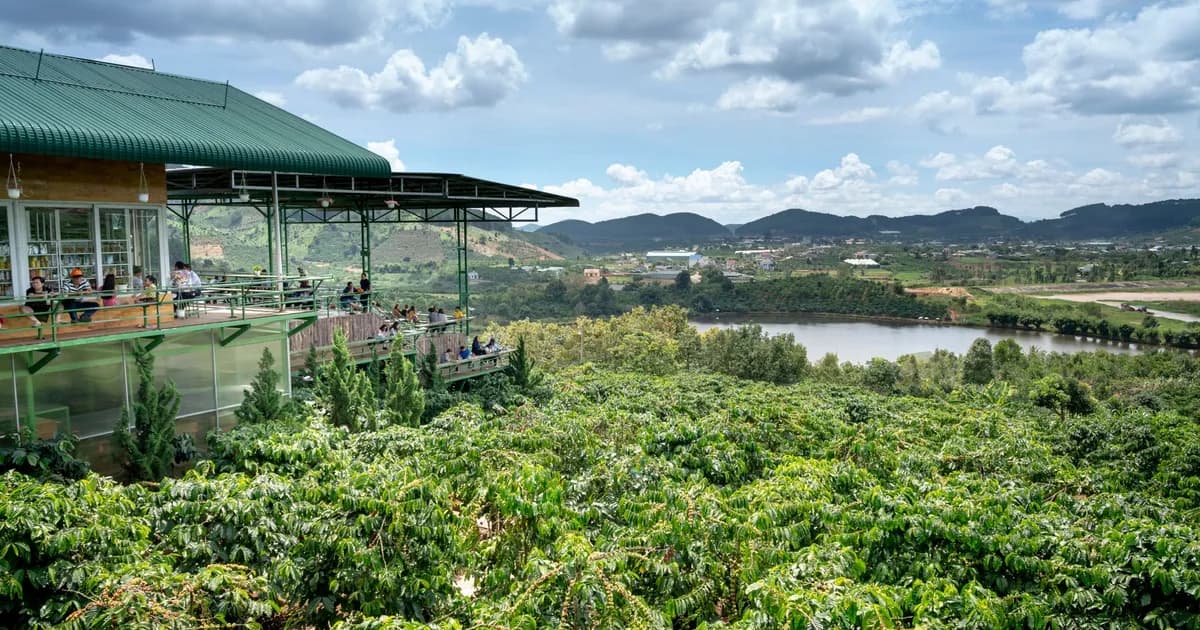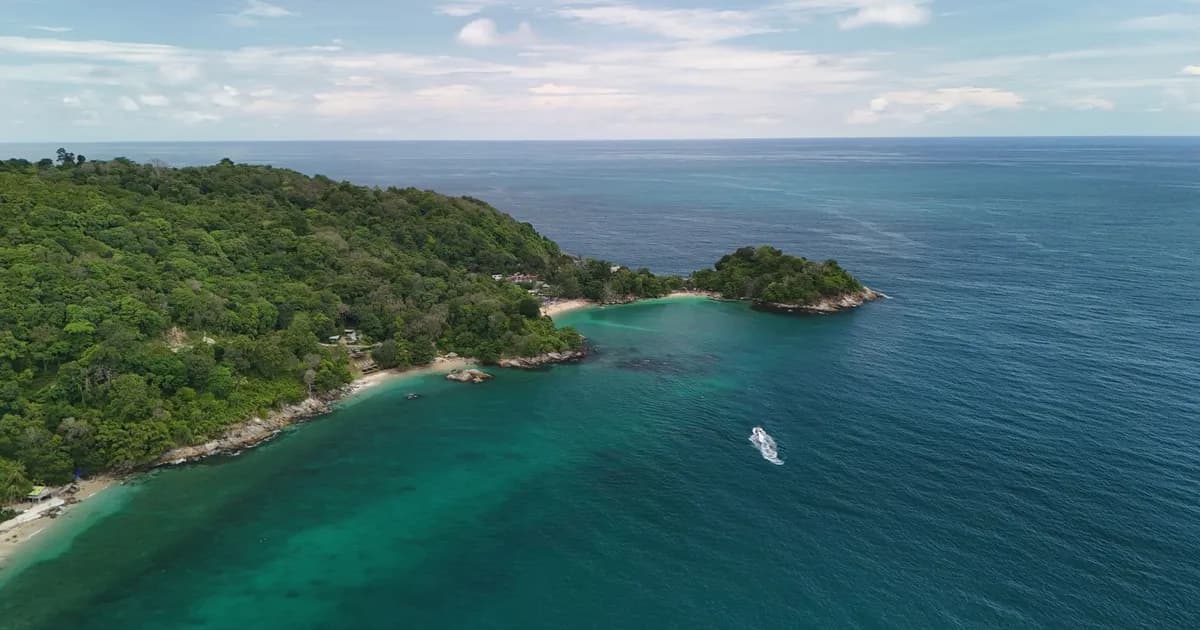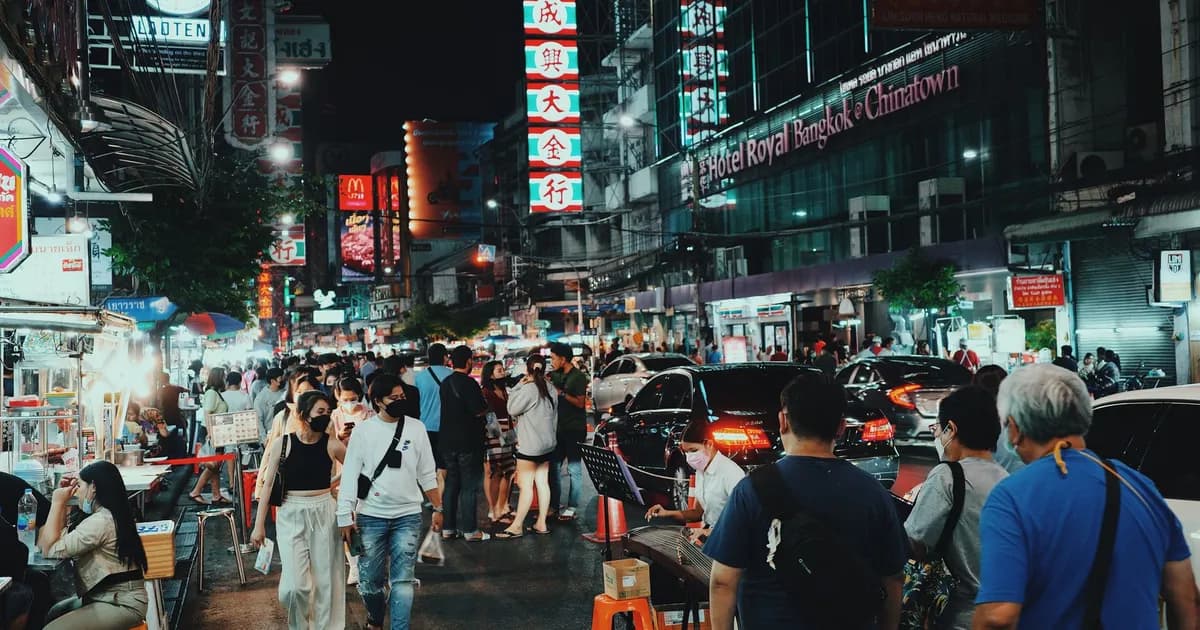

Thailand has decided it would rather be known for what it makes than merely for where you can lie down. Over the past two years the country has built a national strategy around what its own ministries call the "5F" of soft power: food, film, fashion, festivals, and fighting (Muay Thai). What began as a cultural-export ambition is now quietly reshaping the travel map. In 2026, more visitors are arriving with a verb in mind rather than a beach: they come to train, to cook, to dance at a festival, to eat their way through a region. For a slow traveller, this is one of the more interesting shifts in years, because it rewards the very things we already value: depth, staying longer, and choosing one place well.
This is not hype. The Tourism Authority of Thailand (TAT) has openly folded the 5F into its 2026 planning, targeting roughly 34.9 million foreign arrivals and about 1.63 trillion baht in international tourism revenue, with an explicit tilt toward longer stays and higher per-trip spending rather than raw headcount. The interesting part, for anyone who travels slowly, is not the numbers. It is that the incentives are finally pointing toward the kind of trip that was always better anyway.
What "5F soft power" actually means
Soft power is a slippery phrase, so it helps to be concrete. Thailand's government has organised its cultural strategy under a national body, the Thailand Creative Culture Agency (THACCA), and around five export pillars, each abbreviated to an F:
- Food: Thai cuisine, from street stalls to the MICHELIN Guide.
- Film: Thai series, movies, and the locations they make famous.
- Fashion: Thai design, textiles, and craft.
- Festivals: from Songkran to regional candle and ghost processions.
- Fighting: Muay Thai, both as sport and as heritage.
The ambition is economic and large. Policy documents talk about generating trillions of baht and, through a companion "One Family One Soft Power" (OFOS) skills programme, retraining millions of Thais to work in creative and cultural industries. Whether those headline figures are fully met is a fair open question; the OFOS training targets, for instance, have so far run well behind their own projections. But you do not need to believe every forecast to notice the on-the-ground effect. Money, marketing, and infrastructure are now being pointed at experiences rather than at simply moving bodies to beaches.
One request. Up to five tailored proposals.
Skip contacting agencies one by one — share your trip once and let up to five trusted Thailand agencies come to you. Free, with no obligation.
Get my free quotesMuay Thai as a reason to stay, not a show to watch
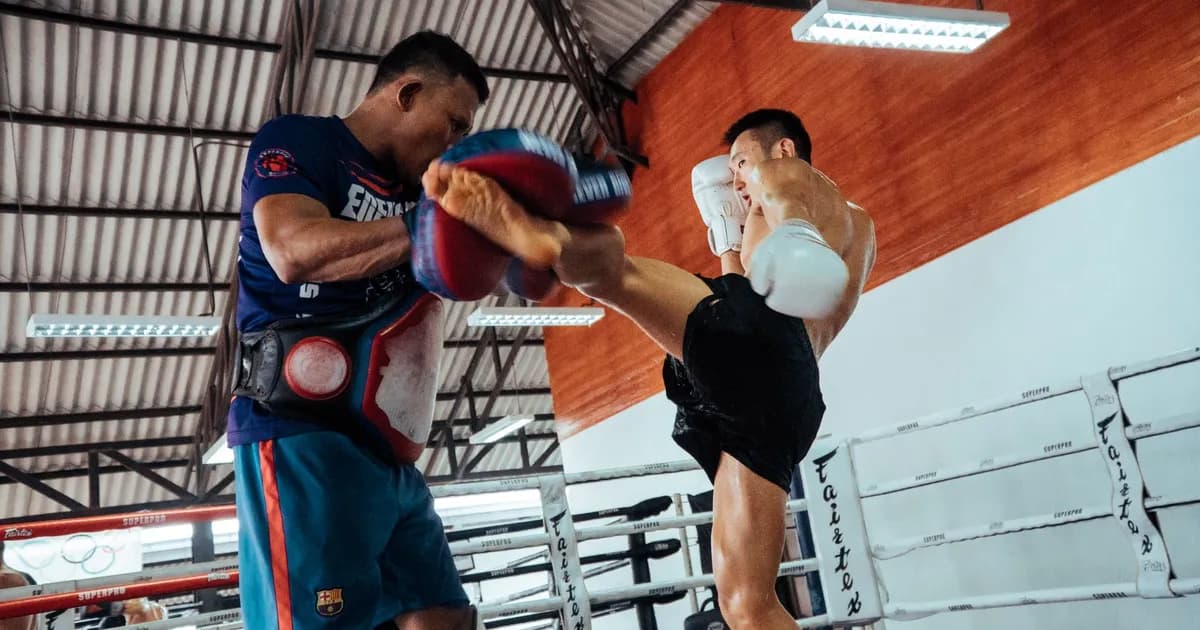
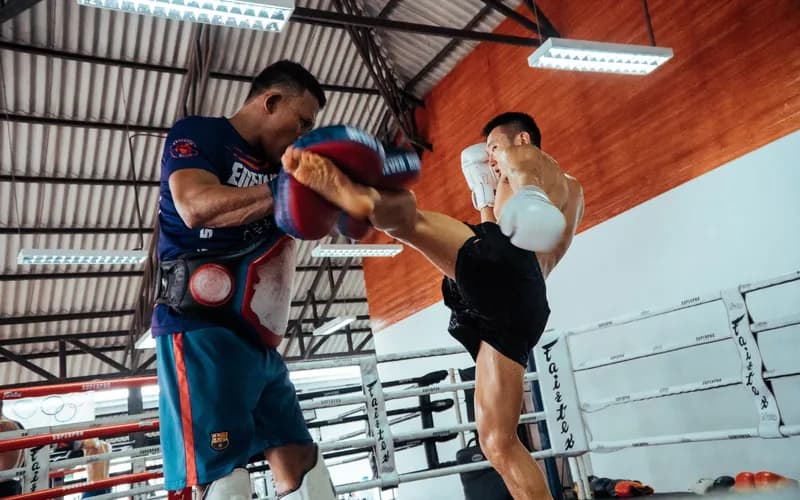
The clearest example of the shift is Muay Thai. For decades it was something tourists watched for one evening at a stadium. Now it is increasingly the reason people come and, crucially, the reason they stay for weeks. Training camps have multiplied across Phuket's Chalong and Rawai areas, the cooler hills around Chiang Mai, and the quieter, more traditional gyms of Isaan in the northeast. All-inclusive monthly training now typically runs from roughly 400 to 1,500 US dollars, and the clientele has broadened well beyond aspiring fighters to include people who simply want a disciplined, physical reason to live somewhere slowly.
Policy has followed. The Destination Thailand Visa (DTV), aimed partly at exactly this audience, allows stays of up to 180 days per entry over a five-year window, which makes a genuine multi-month training stint realistic. This is worth weighing carefully against the shorter visa-exempt window, which in 2026 was trimmed to 30 days for many nationalities. If your plan is a long, immersive stay rather than a quick loop, understanding the entry rules first is not optional. Our guide to Thailand's 2026 entry rules and the DTV long-stay route is the right place to start before you commit to a camp.
The slow-travel case for a Muay Thai stay is strong. You wake early, you train, you eat well, you recover, you get to know one town and its people rather than skimming five. It is the opposite of the checklist trip. Just be honest with yourself about intensity: twice-daily training is demanding, and many first-timers do better treating the first week as an adjustment rather than a test.
Food journeys: the MICHELIN effect, used well
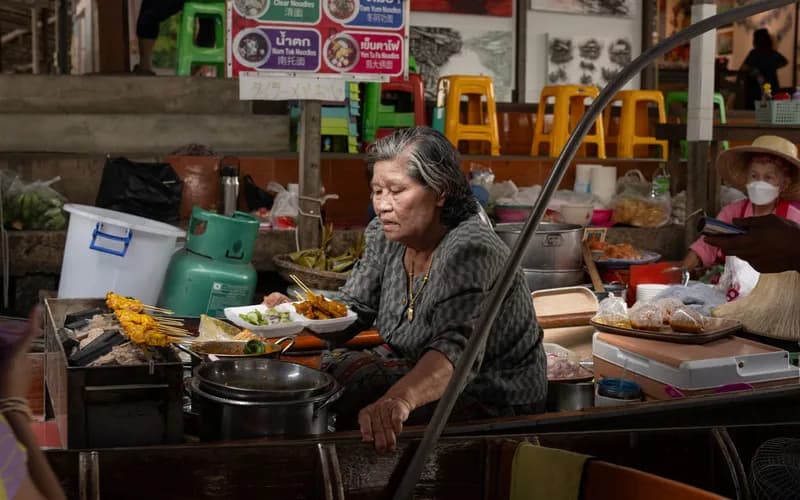
Thailand's second great soft-power engine is its kitchen. The MICHELIN Guide Thailand has grown from 126 restaurants in 2018 to 468 establishments across eleven destinations in the 2026 edition, now including two three-star restaurants. International visitors spent an estimated 823 million baht at guide-listed restaurants in 2025 alone. TAT has leaned into this hard, framing food as a primary reason to visit and, pointedly, as a way to spread visitors beyond Bangkok and the islands into regions with distinct culinary identities.
For a slow traveller, the trap here is obvious: chasing stars can become just another checklist, and an expensive one. The better use of the MICHELIN moment is as a map of regional depth rather than a ranking to conquer. The guide's expansion into secondary cities is a quiet invitation to eat where a dish actually comes from: khao soi in the north, sour and fiery Isaan food in the northeast, southern curries near the Andaman coast. If you want to build a trip around this properly, our guide to Thai food in 2026, covering street food, MICHELIN stars, and regional cuisine, is designed for exactly that kind of journey, and it will keep you from spending your whole budget on tasting menus.
The honest caveat: a good bowl of noodles from a stall that has fed one neighbourhood for forty years will teach you more about a place than a starred degustation, and cost a fraction. Use the guide, but do not let it use you.
We map the country's dishes and dining in detail in our guide to Thai food in 2026.
Get matched with up to 5 trusted Thailand agencies
- Free
- No obligation
- Up to 5 agencies
Festival-led travel, and why timing is everything
Festivals are the F that most rewards planning. TAT's stated 2026 ambition is to position Thailand as a "world event hub," elevating major festivals to international recognition while promoting smaller regional traditions with real cultural roots. That gives the slow traveller a genuinely useful planning tool: a calendar of anchor dates around which to build a trip.
A few concrete 2026 fixtures worth knowing:
- Songkran, the Thai New Year water festival, falls on 13 to 15 April, the country's biggest and most exuberant event.
- The Phi Ta Khon ghost festival in Dan Sai, Loei, is scheduled for around 20 to 22 June, a masked procession unlike anything else in the country.
- The Ubon Ratchathani Candle Festival, marking the start of Buddhist Lent, runs in late July with its main carved-candle parade.
- Tomorrowland Thailand, the Belgian electronic festival's first full Asian edition, is set for 11 to 13 December near Pattaya.
The spread matters. It means you can plan a festival-anchored trip in almost any season and, more importantly, choose between the huge set-pieces and the quieter regional processions. A slow traveller will often get more from Phi Ta Khon in a small Isaan town than from the crush of central Bangkok at Songkran, though both have their place. The practical caution is that festival towns book out early and prices climb; plan lodging months ahead, and consider basing yourself just outside the busiest node.
Timing a trip around festivals is exactly what our guide to where to go and when in Thailand is built to help with.
Film, fashion, and the risk of the manufactured moment
The remaining two Fs, film and fashion, are the ones a careful traveller should treat with the most caution. Film tourism, in particular, can create sudden, overwhelming pressure on a single beach or village the moment a series becomes a hit. The impulse to visit a location purely because it appeared on screen is exactly the kind of volume-driven travel that a soft-power strategy is, ironically, both fuelling and trying to manage. Thailand's own tourism planners now speak the language of "value over volume" precisely because they have seen what a viral location can do to a fragile place.
Fashion and craft, by contrast, reward the slow approach almost perfectly. Seeking out a weaving village, a natural-dye workshop, or a regional textile market is a low-impact, high-depth way to engage with the 5F strategy without adding to any crowd. It is also where your money most directly reaches the people making the thing.
What this means for how you plan a trip
The underlying logic of the 5F strategy aligns neatly with slow travel, even if the marketing sometimes does not. The strategy wants you to stay longer, spend deeper, and disperse beyond the obvious hotspots. That is precisely the trip worth taking anyway. The friction comes when soft power is used to manufacture a rush toward a single moment or location; the discipline is to take the invitation to go deep and decline the invitation to go fast.
If you are building around one F, let it be the organising spine of the trip rather than a box to tick. A month at a Muay Thai camp, a fortnight built around regional food, or a trip timed to a single festival will all give you more than a scattershot tour that samples everything and understands nothing. For the practical scaffolding of any of these, our page on how to plan your journey in Thailand is the place to turn ideas into an itinerary.
Seeking the real over the staged is the same instinct behind our guide to Thailand off the beaten path.
What to Do Next
- Pick one F as your spine. Decide whether food, a festival, or Muay Thai is the reason for the trip, and build the rest of the itinerary around it rather than trying to do all five.
- Check the entry rules before you book anything long. If you want a multi-week stay, read up on the DTV and the shortened 30-day visa-exempt window so your plan matches your visa.
- Fix your dates to a festival, or deliberately avoid one. Decide early whether you want to be inside Songkran or a regional procession, or whether you would rather travel in the quieter margins around it.
- Use the MICHELIN Guide as a regional map, not a ranking. Let it point you toward where a dish is actually from, and balance every starred meal with market and street eating.
- Base yourself in one place and go deep. Choose a single town or region, stay long enough to be recognised at the same coffee stall twice, and let the 5F be a reason to slow down rather than speed up.
Frequently Asked Questions
What is Thailand's "5F" soft power strategy?
It is the Thai government's cultural-export framework built on five pillars, each starting with F: food, film, fashion, festivals, and fighting (Muay Thai). Coordinated largely through the Thailand Creative Culture Agency, it aims to grow the creative economy and, increasingly, to shape tourism toward experiences rather than sightseeing.
Is this just marketing, or does it change my trip?
Both. The headline economic targets are ambitious and not all will be met, and some skills programmes have lagged their goals. But the practical effect is real: money and infrastructure are now pointed at training camps, food regions, and festivals, which makes those kinds of trips easier and better supported than they were a few years ago.
How long should I stay for a Muay Thai trip?
Enough to make the training worthwhile without burning out. Many camps run monthly programmes, and the Destination Thailand Visa allows up to 180 days per entry, which suits a genuine multi-month stint. For a first visit, a few weeks is a sensible test before committing to longer.
When are the main 2026 festivals?
Songkran falls on 13 to 15 April; the Phi Ta Khon ghost festival in Loei is around 20 to 22 June; the Ubon Ratchathani Candle Festival is in late July; and Tomorrowland Thailand runs 11 to 13 December near Pattaya. Book accommodation well ahead, as festival towns fill early.
Is chasing MICHELIN restaurants worth it?
Selectively. The guide is a useful map of regional culinary depth, and its expansion into secondary cities points you beyond Bangkok. But treating stars as a checklist is expensive and misses the point. Balance any fine dining with street stalls and local markets, which often teach you more for far less.
Which "F" is best for a slow traveller?
Any of them, provided you make it the spine of the trip rather than one stop among many. Food and Muay Thai reward long, single-base stays especially well, and regional festivals or craft villages let you engage deeply without adding to crowds. The one to approach cautiously is film tourism, which can concentrate too many visitors on one fragile spot.
Does the 5F strategy make Thailand more crowded?
It can, if used carelessly, particularly around viral film locations and headline festivals. But its stated aim, echoed in TAT's "value over volume" language, is the opposite: to disperse visitors across regions and seasons and encourage longer, deeper stays. Travelling slowly and off-peak is the surest way to enjoy the upside without the crush.