Thailand's Muay Thai Moment: How Sport Tourism Is Reshaping 2026 Itineraries
For decades, Muay Thai was something most visitors watched rather than did: an hour ringside in Bangkok or on an island, a spectacle bought with a ticket. In 2026 that relationship is changing. Thailand's tourism strategy has put its national sport at the centre of a deliberate push to attract travellers who come to train, to stay longer, and to build a whole trip around the art of eight limbs. For slow travellers, this is one of the more interesting shifts in the current landscape, because it rewards depth over speed in exactly the way we like.
This is not a marketing footnote. The Tourism Authority of Thailand has folded Muay Thai into its broader "soft power" agenda and its stated pivot from volume to value, and it is backing that up with events and visa policy designed to keep people in the country for weeks rather than days. Understanding where this is going helps you plan a richer trip, whether or not you ever intend to throw a punch.
From ringside ticket to reason to travel
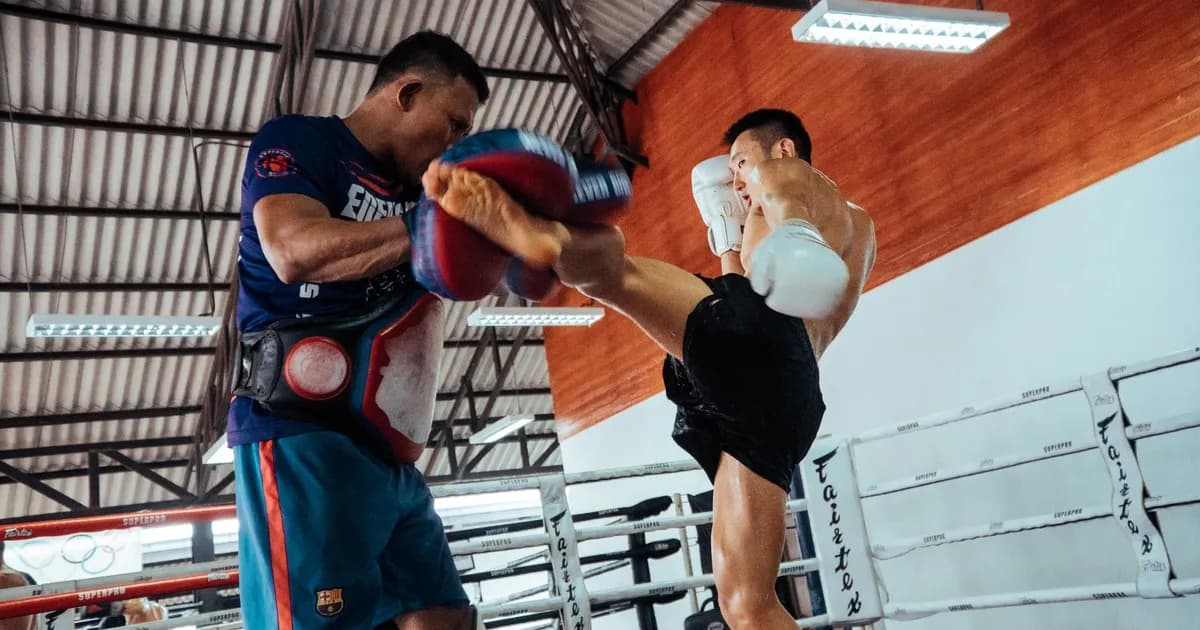
The old model was simple: tourists paid to watch a fight, and the sport stayed at arm's length. The new model treats Muay Thai as a participatory experience. Training camps that once served fighters now run structured programmes for visitors of every level, from a single taster class to month-long immersions with accommodation, twice-daily sessions and a strict routine that shapes an entire stay.
The appeal is obvious once you see it. A traveller who signs up for two weeks at a camp in Chiang Mai, Phuket or the Isan heartland is not ticking off sights; they are living somewhere, eating locally, resting between sessions and slowly getting to know a single place. That is slow travel by another name, and it aligns closely with Thailand's stated ambition to attract higher-value, longer-staying visitors rather than chasing raw arrival numbers, a shift we explore in our piece on how value is becoming the new volume in Thai tourism.
One request. Up to five tailored proposals.
Skip contacting agencies one by one — share your trip once and let up to five trusted Thailand agencies come to you. Free, with no obligation.
Get my free quotesThe Amazing MuayThai Festival and the 2026 calendar
The centrepiece of the 2026 push is the Amazing MuayThai Festival, staged from 4 to 7 February at Rajabhakti Park in Hua Hin, Prachuap Khiri Khan. It is designed as more than a tournament: a nationwide celebration blending competition, ritual, music and craft, positioning the sport as a cultural showcase rather than just an athletic one. Events like this are part of a wider events calendar the tourism authority is using to spread visitors across the year and across the country.
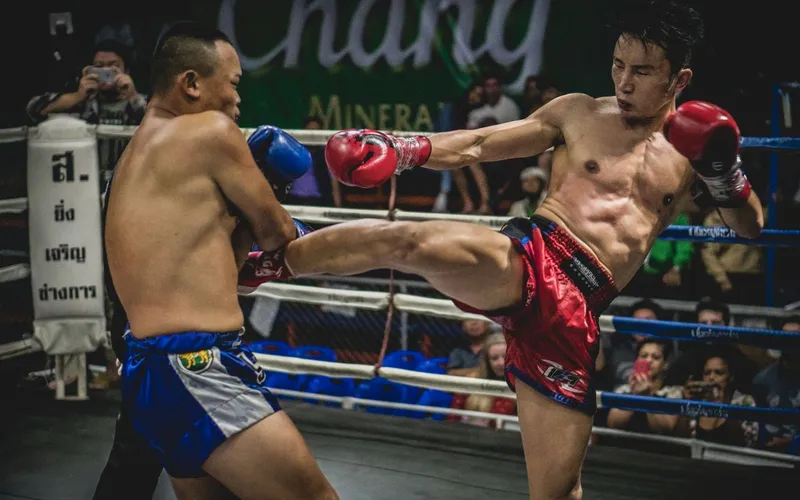
For a traveller, the festival is worth knowing about even if you have no interest in competing. It is a window into the ceremonial side of the sport, the wai kru ram muay pre-fight dance, the music, the regional styles, and it draws crowds to Hua Hin at a time when the town is otherwise in its calm cool-season rhythm.
Why the government is betting on the sport
Thailand has spent the past few years reframing its whole tourism proposition around what officials call soft power, the idea that food, film, festivals, fashion and fighting can draw the world in ways that beaches alone no longer do. Muay Thai sits at the heart of that because it is unmistakably Thai, globally recognised, and impossible to fully experience anywhere else.
There is a hard economic logic underneath. A visitor who trains for a fortnight spends more, stays longer and disperses money more widely than one who flies in for a long weekend on a beach. The authorities have credited sport-tourism initiatives with meaningful gains during the quieter green season, when a training-focused traveller is far less deterred by afternoon rain than a beach tourist would be. Spreading demand into the low season and into secondary provinces is exactly the kind of outcome the current strategy is chasing.
Get matched with up to 5 trusted Thailand agencies
- Free
- No obligation
- Up to 5 agencies
The visa piece: staying long enough to matter
The policy that makes this real is the long-stay visa framework that now explicitly accommodates soft-power activities, including Muay Thai training, among its qualifying purposes. This is what turns a two-week holiday into a genuine immersion: travellers can legally base themselves in Thailand for months, training, resting and exploring at a pace no ordinary tourist visa allows. It is the logistical backbone of the whole trend, and it is why the sport-tourism story is really a long-stay story.
If you are drawn to that kind of extended, rooted trip, it is worth thinking early about where you base yourself and how you structure your months. Our plan your journey page is a useful starting point for shaping a longer, slower stay around a single anchor like a training camp.
What it means for slow travellers
You do not have to be an athlete to benefit from this shift. The infrastructure being built for sport tourism, longer stays, camps embedded in local neighbourhoods, a calendar of cultural events spread across secondary towns, serves anyone who wants to travel deeply rather than quickly. Even a single week around a camp changes the texture of a trip: you wake with the town, you eat where the trainers eat, and you experience a rhythm that no packaged tour can replicate.
There is also a cultural responsibility that comes with it. Muay Thai is bound up with ritual, respect and lineage, and approaching it as a consumer experience alone misses the point. Learning the etiquette, the significance of the pre-fight dance, the respect shown to teachers and the ring itself, is part of doing it well. Our guide to cultural etiquette in Thailand is a good grounding for engaging with the sport respectfully.
Choosing a camp and a place, not just a class
If the trend tempts you, the key decision is not which class to book but where to base yourself, because the town shapes the experience as much as the camp. Chiang Mai offers a cooler climate and a walkable city; Phuket has the most developed international camps but also the most crowds; and the north-eastern Isan region, the historic heartland of the sport, offers the most authentic and least touristed immersion. Choosing well is a slow-travel decision in itself, and a good local operator can help you match a camp to the kind of stay you want. Our directory of Thailand travel agencies is a sensible place to start if you would rather have that guidance.
Heritage, not just fitness
It is easy to frame Muay Thai tourism as a wellness or fitness trend, another way to stay active on holiday, but that undersells what makes it distinctive. The sport is woven into Thai history and identity in a way few national sports are. Its origins lie in battlefield combat, and its rituals still carry that lineage: the wai kru ram muay performed before a bout is an act of respect to teachers and ancestors, the mongkol headband and pra jiad armbands are treated as sacred, and the sarama music that accompanies a fight sets a rhythm that is centuries old. To train seriously is to step into that tradition, not merely to work out.
This is also why the trend disperses travellers so effectively across the country. While Bangkok and Phuket have the most famous stadiums and the most polished international camps, the sport's roots run deepest in the north-eastern Isan region, where many of Thailand's greatest fighters come from and where training is woven into rural life. A traveller who follows the sport to its heartland ends up in provincial towns that see almost no foreign tourists, eating at local markets, living at a local pace, and supporting economies that mass tourism has largely bypassed. That geographic spread is precisely what Thailand's tourism planners want, and it happens to align perfectly with the slow-travel instinct to go where the crowds are not.
For the traveller, the lesson is to approach the sport as a cultural apprenticeship rather than a gym membership. Choosing a camp with real ties to its community, staying long enough to build a relationship with trainers, and taking the time to understand the rituals rather than treating them as photo opportunities all change the experience from consumption into participation. There is a quiet reward in this. Travellers who give the sport real time often describe leaving Thailand not with a set of photographs but with a routine, a teacher they remember and a single town they came to know block by block, which is a far rarer souvenir than a beach sunset and a much truer measure of a trip well spent.
What to Do Next
- Decide whether you want a taster experience or a genuine immersion, because that choice drives everything else about the trip.
- If you want to stay for weeks or months, research the long-stay visa framework early, as the application shapes your timing.
- Choose your base for the town as much as the camp: cooler Chiang Mai, well-equipped Phuket, or authentic Isan.
- If you are travelling in February, look at building a few days around the Amazing MuayThai Festival in Hua Hin.
- Read up on the sport's rituals and etiquette before you arrive, so you engage with it respectfully.
- Consider anchoring a longer, slower Thailand trip around a single training base, following the slow-travel charter rather than rushing between provinces.
Frequently Asked Questions
Do I need to be fit to train Muay Thai in Thailand?
No. Camps run programmes for complete beginners as well as experienced fighters, and a good gym will scale sessions to your level. Many travellers arrive unfit and use the routine to build up gradually over a stay.
How long can I stay in Thailand to train?
Short trips are fine on standard entry, but the long-stay visa framework now accommodates soft-power activities including Muay Thai, allowing stays measured in months for those who want a genuine immersion. Check the current official requirements before you travel.
When is the Amazing MuayThai Festival in 2026?
It runs from 4 to 7 February 2026 at Rajabhakti Park in Hua Hin, in Prachuap Khiri Khan province, and blends competition with cultural performance, music and craft.
Where is the best place to train?
It depends on what you want. Chiang Mai is cooler and walkable, Phuket has the most developed international camps, and the Isan region offers the most authentic and least touristy experience.
Is training-based travel really slow travel?
Yes. Basing yourself in one town for weeks, following a daily routine and getting to know a single place deeply is the essence of slow travel, which is why the sport-tourism trend fits the ethos so well.
Is Muay Thai tourism respectful of the culture?
It can be, if approached thoughtfully. The sport is bound up with ritual and lineage, so learning its etiquette and treating teachers and traditions with respect is essential to engaging with it well rather than as a mere consumer experience.