
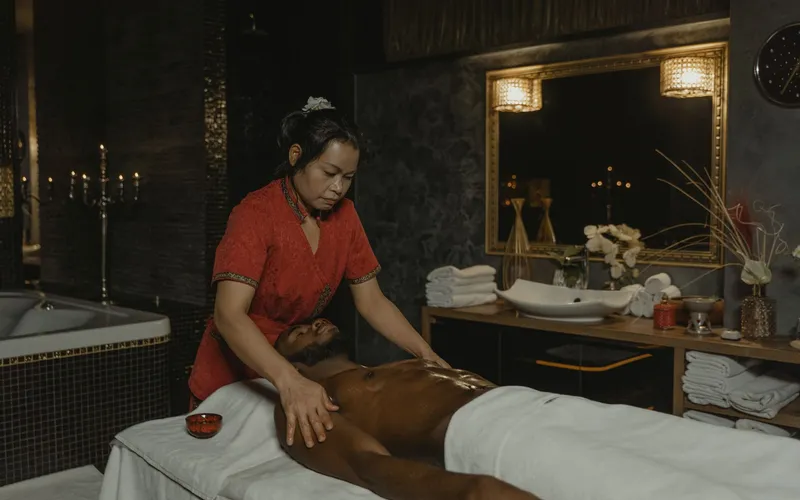
Thailand has spent the last decade being described, alternately, as overcrowded and undervalued — a country whose beaches and temples pulled in volume without always capturing worth. In 2026, a different number is doing the talking. Wellness tourism spending in Thailand reached roughly US$14 billion in 2024, up 36.4 percent year on year, one of the fastest growth rates recorded anywhere in the world. That surge sits inside a far larger wellness economy worth an estimated US$42.7 billion, and it is now central to how the country is repositioning itself: not as the cheapest beach holiday in Southeast Asia, but as a place people travel to specifically to feel better, live longer, and slow down on purpose. For the traveller planning a 2026 trip, this shift is not just a marketing narrative. It changes what is available, where it clusters, and how it is priced.
The numbers behind the boom
The scale of the shift is worth sitting with. Global wellness tourism is forecast to reach roughly US$1.35 trillion by 2028, growing at an average of just over 10 percent a year — and Thailand's own wellness spending is expanding at more than three times that global pace. Thailand's broader wellness economy, which includes everything from spa services and traditional medicine to healthy food and fitness, was valued at US$42.7 billion in the most recent Global Wellness Institute data, placing the country firmly among Asia's most significant wellness markets. The Tourism Authority of Thailand has set an explicit goal of ranking among the world's top five wellness tourism destinations, a target reinforced through the "Thailand Excellence 2026" initiative launched at recent industry trade meetings. None of this is abstract for operators on the ground: wellness travellers are documented to spend around 36 percent more per trip than the average visitor, which is precisely why hotels, retreat operators, and even entire provinces are repositioning around the category.
One request. Up to five tailored proposals.
Skip contacting agencies one by one — share your trip once and let up to five trusted Thailand agencies come to you. Free, with no obligation.
Get my free quotesWhy Thailand, and why now
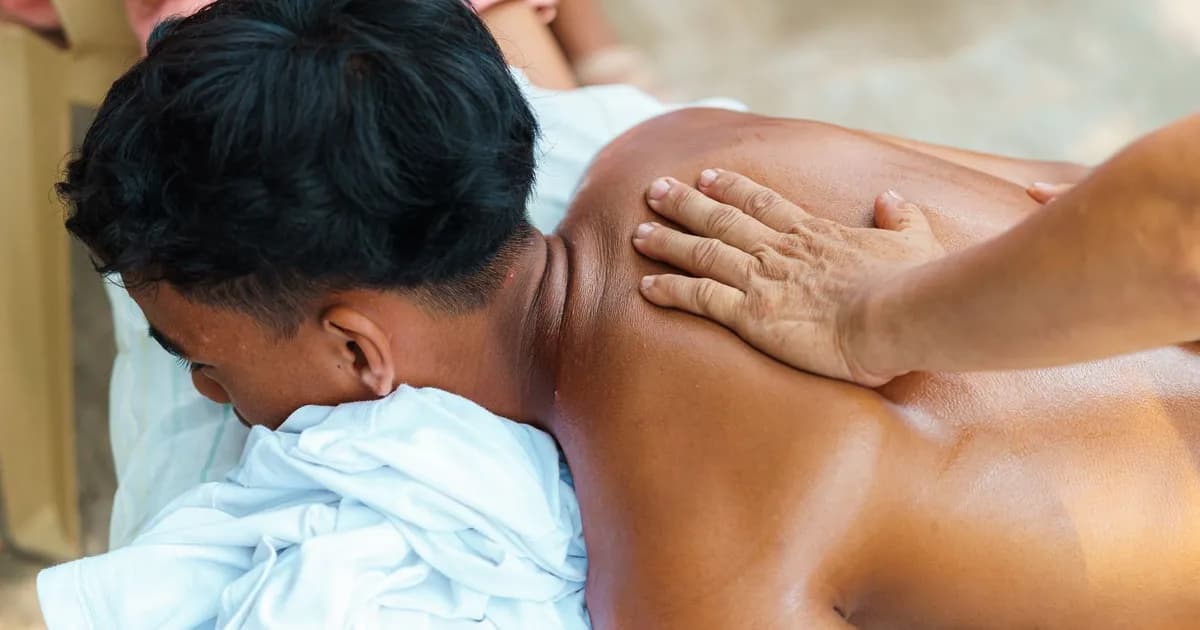
Thailand's advantage in wellness was never really in question — traditional Thai massage, herbal medicine, and a spa culture that predates modern tourism by centuries gave it a head start most destinations cannot manufacture. What has changed is the deliberateness of the strategy. Where wellness once meant a spa afternoon bolted onto a beach holiday, the government and private sector are now building integrated infrastructure: hospital-grade medical wellness centres, longevity clinics offering preventive diagnostics, and retreat properties designed around measurable outcomes like sleep quality and biological ageing markers rather than simple relaxation. This positions Thailand alongside Singapore and Malaysia in the contest for Asia's "longevity economy," a category the Global Wellness Institute expects to keep outpacing general tourism growth for years. For visitors, this means the country is no longer solely competing on price; a growing share of its offer competes on outcomes, which is a meaningfully different pitch to the kind of traveller UNRUSH tends to serve.
Food as medicine: Thailand's oldest wellness asset gets a new frame
Long before "wellness tourism" was a category, Thai cooking already treated food as medicine — turmeric and galangal for inflammation, lemongrass and kaffir lime for digestion, tamarind and chilli calibrated as much for balance as for flavour. That tradition is now being marketed explicitly rather than left as background culture, with retreat menus, cooking classes, and even fine-dining tasting menus built around the therapeutic logic of traditional Thai cuisine rather than treating it as a footnote to the main wellness programme. Travellers curious about this connection between food and wellbeing get a fuller picture from UNRUSH's guide to Thai food in 2026, which covers everything from street-stall staples to the Michelin-starred kitchens now reinterpreting these same medicinal traditions at a very different price point.
Get matched with up to 5 trusted Thailand agencies
- Free
- No obligation
- Up to 5 agencies
The wellness hubs: Bangkok, Phuket, Chiang Mai and Krabi
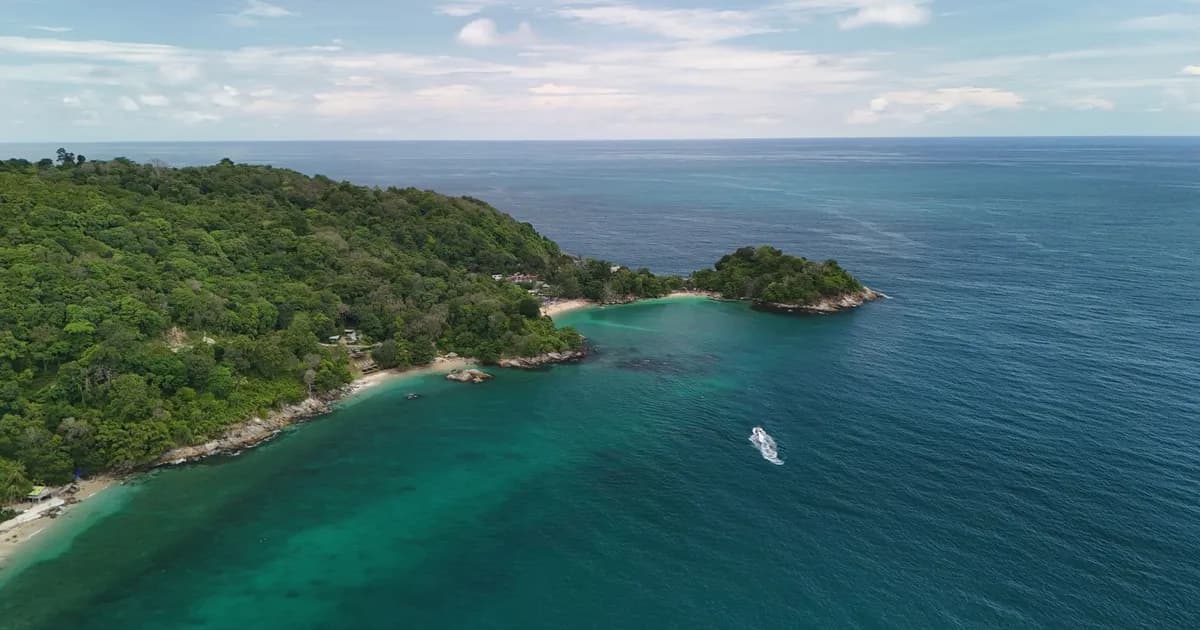
Wellness tourism in Thailand is not evenly distributed, and understanding the geography helps in choosing where to go. Bangkok anchors the medical and diagnostic end of the spectrum, with internationally accredited hospitals now running dedicated longevity and preventive health programmes alongside their existing medical tourism business — a natural extension for a city already known for affordable, high-quality healthcare. Phuket leans toward large-scale integrative retreats, the kind that combine fitness, detox programming, and spa treatment across multi-week stays, often in properties purpose-built for the category rather than converted resorts. Chiang Mai, with its cooler climate, forest surroundings, and long-standing meditation and monastic tradition, has become the centre of gravity for mindfulness-oriented retreats and digital detox programming rather than clinical wellness. Krabi and the southern islands occupy a quieter niche: smaller-scale, nature-based retreats built around yoga, sea, and limestone scenery rather than a full medical infrastructure. Choosing between them is really a choice between the clinical, the intensive, the contemplative, and the scenic — and it is worth being honest with yourself about which one you actually want before booking.
Beyond the four primary hubs, a second tier of destinations is beginning to build its own wellness identity. Koh Samui has leaned into boutique detox and fasting retreats set directly on the coast, benefiting from direct international flights that make a shorter dedicated wellness trip more practical than routing through Bangkok first. Hua Hin, historically a low-key beach town favoured by Bangkok residents for weekend breaks, has quietly become a base for golf-and-wellness combination stays and a small but growing cluster of medical spas aimed at longer-staying retirees rather than short-break tourists. Neither destination yet rivals Bangkok's clinical depth or Chiang Mai's meditation infrastructure, but both illustrate how quickly the wellness label is spreading beyond its original four-city core, and both are worth watching for travellers who want a quieter, less saturated version of the same trend before it becomes as established, and as expensive, as the primary hubs.
Longevity and preventive retreats: what is actually on offer
"Longevity" is the word doing the most work in Thailand's 2026 wellness pitch, and it is worth being specific about what it covers in practice. At the more clinical end, this means preventive diagnostics — blood panels, biological age testing, gut microbiome analysis — paired with personalised nutrition and movement plans, typically run out of hospital-affiliated wellness centres in Bangkok and Phuket. At the retreat end, it means multi-day or multi-week programmes combining traditional Thai bodywork, structured fasting or nutrition resets, sleep coaching, and stress-reduction practices drawn from Buddhist meditation traditions. The common thread across both is a shift away from single-treatment spa visits toward programmes measured in days or weeks, reflecting the same slow-travel logic that already defines the destinations UNRUSH covers elsewhere in the country — depth over a quick fix, in health as much as in itinerary.
What this means for the slow traveller
The broader tourism story in Thailand for 2026 has been described as "value over volume" — fewer visitors spending more, staying longer, and leaving a lighter footprint, a shift UNRUSH has tracked in detail elsewhere in Thailand's 2026 tourism shift toward value over volume. Wellness tourism is arguably the clearest expression of that shift: it rewards travellers who stay for a week rather than a weekend, who choose one province and go deep rather than chasing a checklist, and who are willing to pay more for a genuinely different outcome rather than the cheapest version of the same holiday. That alignment is not a coincidence — wellness travel and slow travel share the same underlying premise, which is that time, not itinerary density, is the actual luxury.
What to do next
- Decide which category you actually want — clinical diagnostics, intensive retreat, contemplative practice, or nature-based yoga — before choosing a destination, since Bangkok, Phuket, Chiang Mai, and Krabi each specialise differently.
- Budget for a longer stay; most credible wellness programmes run a minimum of three to seven days, and single-day spa visits will not deliver the outcomes being marketed.
- Verify medical credentials directly with the facility if pursuing anything diagnostic or clinical, since "wellness" as a label covers everything from a rigorous hospital programme to a resort spa package.
- Pair a wellness stay with a slower regional itinerary rather than bolting it onto a conventional beach holiday, to get the full benefit of the pace shift.
- Book directly or through a specialist operator with verifiable reviews, since demand is rising quickly and popular retreat properties fill months ahead for 2026 high season.
- If travelling with a group or a charter, discuss a wellness-oriented itinerary in advance — UNRUSH's charter and slow travel service can build a route around exactly this kind of pace.
Frequently Asked Questions
How big is Thailand's wellness tourism market in 2026?
Wellness tourism spending in Thailand reached approximately US$14 billion in 2024, growing 36.4 percent year on year, against a broader national wellness economy valued around US$42.7 billion. Thailand is targeting a position among the world's top five wellness tourism destinations.
What is the difference between a spa holiday and a longevity retreat?
A spa holiday typically involves individual treatments — massage, facials, scrubs — added to a standard trip. A longevity retreat is a structured, multi-day or multi-week programme built around measurable goals such as biological age markers, sleep quality, or gut health, often involving diagnostics and personalised plans rather than one-off treatments.
Which city is best for wellness tourism in Thailand?
It depends on what you want. Bangkok leads on clinical and diagnostic wellness through its hospital network, Phuket offers large-scale integrative retreats, Chiang Mai specialises in mindfulness and meditation-based programming, and Krabi suits smaller, nature-based yoga retreats.
Is Thai food actually part of the wellness offer, or just marketing?
It is genuinely foundational. Traditional Thai cuisine has long used ingredients like turmeric, galangal, and lemongrass for their medicinal properties, and this tradition now underpins many retreat menus and cooking programmes rather than sitting outside the wellness offer as separate cuisine.
Do I need a referral or medical documentation to access clinical wellness programmes?
Generally no for standard longevity or preventive diagnostic programmes, though facilities will typically ask about existing conditions and medications during an initial consultation. More invasive medical procedures may require documentation; this varies by facility and should be confirmed directly.
How does wellness tourism relate to Thailand's broader "value over volume" tourism strategy?
Wellness travellers spend significantly more per trip and stay longer than average visitors, which makes the category a natural fit for a national strategy prioritising spending and length of stay over raw visitor numbers. The two trends are being marketed and developed together for 2026.
Is wellness tourism in Thailand more expensive than a standard holiday?
Generally yes, particularly at the clinical and intensive retreat end, where programmes can run into the thousands of dollars for a multi-week stay. Nature-based yoga retreats in places like Krabi tend to be considerably more affordable while still delivering a genuine change of pace.