How to Rent and Ride a Motorbike in Vietnam Safely: A Slow Traveller's Guide
Few experiences capture the freedom of travelling Vietnam like riding its back roads on two wheels. A motorbike turns the country into something you move through rather than past, letting you stop at a roadside coffee stall, turn down an unmarked lane, or simply feel the landscape change around you. It is, for many, the highlight of a trip. But it is also the single activity most likely to end a trip badly, and any honest guide has to hold both truths at once. This is a practical, realistic look at renting and riding in Vietnam, written for travellers who want the freedom without the false confidence.
The starting point is respect. Vietnam's roads operate on a logic that takes time to read, traffic is dense and fast, and the consequences of a mistake are serious. None of that means you should not ride, but it does mean you should approach it soberly, prepare properly, and be honest with yourself about your experience. Ridden well, a motorbike is one of the great pleasures of slow travel in Vietnam. Ridden carelessly, it is a real risk.
Be honest about your experience
The most important decision happens before you rent anything, and it is a decision about yourself. Vietnam is not the place to learn to ride a motorbike. If you have never ridden before, the chaotic traffic of Hanoi or Ho Chi Minh City, or the exposed mountain passes of the north, are dangerous classrooms. Genuine beginners are far better served by hiring an "easy rider", a professional local driver who takes you on the back of their bike, giving you the freedom of the road without the risk of controlling it yourself.
If you do have riding experience, be realistic about how much. Handling a scooter on quiet roads at home is not the same as navigating Vietnamese traffic or riding loaded over a high pass in the rain. Build up gradually: start on quieter roads, get used to the bike and the traffic before attempting anything ambitious, and never let pride push you onto a route beyond your ability. The mountains will still be there when you are ready.
One request. Up to five tailored proposals.
Skip contacting agencies one by one — share your trip once and let up to five trusted Vietnam agencies come to you. Free, with no obligation.
Get my free quotesChoosing and checking the bike
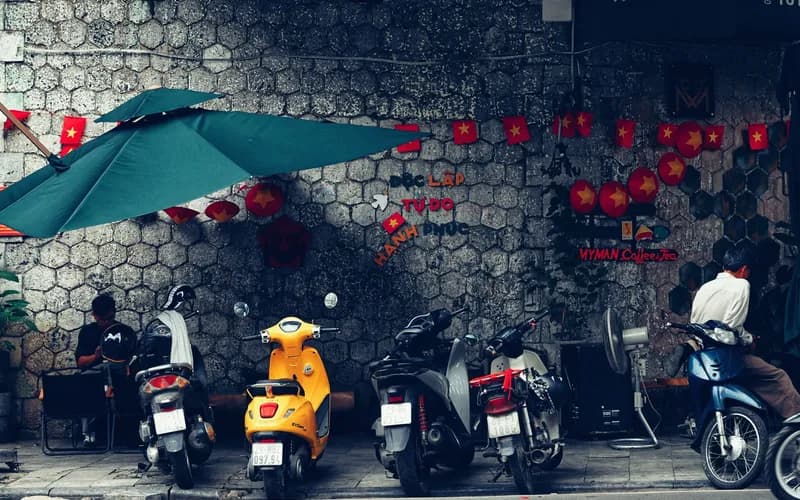
For most travellers a semi-automatic or automatic scooter of around 110 to 125cc is the sensible choice, easy to handle and adequate for all but the most demanding terrain. Larger manual bikes suit experienced riders tackling the northern loops, but they are harder to control if you are not confident. Rent from a reputable shop with good reviews rather than the cheapest option, and expect to leave a deposit; be very cautious about handing over your passport, and prefer shops that accept a deposit or a copy instead.
Before you ride off, check the bike thoroughly. Test the brakes front and rear, the lights, the horn and the indicators, check the tyres for wear and correct pressure, and look for existing damage. Photograph or film the bike from all angles before you take it, so you cannot be blamed for pre-existing scratches on return, a common source of disputes. A good rental shop will not mind; a bad one will reveal itself in its reaction.
Licences, insurance and the legal reality
Here is the honest legal position, which many casual guides gloss over. To ride legally in Vietnam you need a valid licence that covers the motorbike, which in practice means an International Driving Permit issued under the 1968 Convention together with your home motorcycle licence, or a Vietnamese licence. Riding on a car-only licence, or with no motorcycle entitlement at all, is not legal, and it is worth understanding that this has real consequences.
The consequence that matters most is insurance. If you ride without the correct licence, your travel insurance will very likely refuse any claim arising from an accident, leaving you exposed to medical costs that can be ruinous. Before you ride, check exactly what your policy requires, and make sure you meet it. This is not about box-ticking; it is about not turning a bad day into a catastrophe. Enforcement of the rules has also tightened, and our guide to Vietnam's new traffic fines under Decree 168 explains how much stricter the penalties have become.
Get matched with up to 5 trusted Vietnam agencies
- Free
- No obligation
- Up to 5 agencies
Gear, and the helmet that actually matters
Wear a proper helmet, every time, no exceptions. The flimsy plastic shells handed out by many rental shops offer almost no real protection; if you are riding seriously, buying a better full-face or good-quality helmet is one of the best small investments you can make. It is also worth covering your skin: long sleeves, long trousers and closed shoes dramatically reduce the severity of the road rash that even a low-speed slide can cause, and they protect you from sun and dust on long days.
Small additions make a big difference. Gloves improve grip and protect your hands in a fall, sunglasses or a visor keep grit out of your eyes, and a light waterproof is essential in a country where rain arrives fast. Riding well protected does not make you look nervous; it makes you look like someone who intends to keep riding.
Reading Vietnamese traffic
Vietnamese traffic looks like chaos but follows its own flow, and learning to read it is the key to riding safely. The golden rule is to be predictable and smooth: move steadily, avoid sudden swerves or braking, and let the traffic absorb you rather than fighting it. At junctions, flow is often negotiated by gentle assertion and constant awareness rather than by strict right of way, so keep your speed low, watch everything, and use your horn as others do, as a friendly "I am here" rather than an angry blast.
Expect the unexpected: vehicles emerging from side roads, riders going the wrong way, animals and children near villages, and sudden stops. Ride defensively, keep a generous following distance, and never assume anyone has seen you. Above all, ride within yourself. The safest riders in Vietnam are not the fastest; they are the calmest and the most attentive, which happens to be exactly the mindset of good slow travel.
Planning a route the slow way
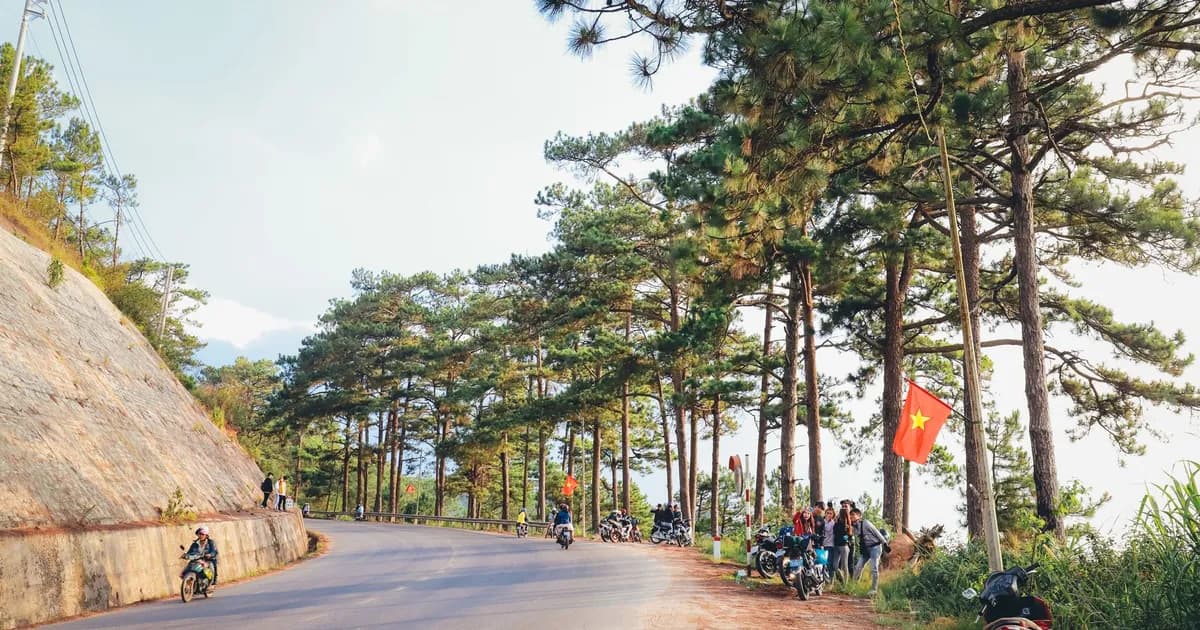
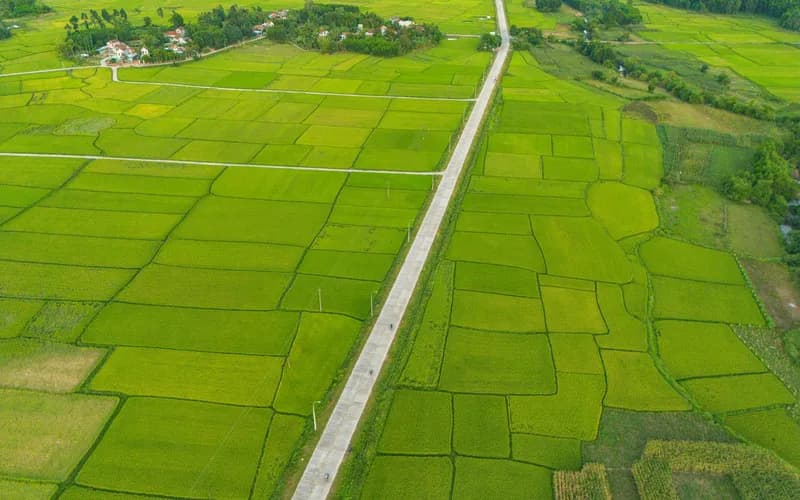
The reward for all this care is one of the great slow-travel experiences: the freedom to ride Vietnam's quiet roads at your own pace. The famous northern loops, above all the Ha Giang Loop, are extraordinary, but they are also demanding, and they deserve an experienced rider and unhurried planning. Build in short riding days, generous stops and rest days, and resist the urge to cover big distances; the point is the road, not the destination.
Plan around the weather and the seasons, carry enough cash for fuel and repairs in areas with few ATMs, and stay alert to the rental scams that occasionally target tourists, which our guide on how to avoid scams in Vietnam covers in detail. For a longer trip, our plan your journey page can help you fit a riding leg sensibly into a wider itinerary.
If something goes wrong
Even careful riders have bad days, and knowing what to do in advance takes much of the fear out of the road. Mechanical trouble is common and rarely serious: roadside repair shops, marked by a scatter of tyres and tools, are everywhere in Vietnam, and punctures, chains and minor faults are fixed quickly and cheaply. Carry a little cash for exactly this, keep the rental shop's phone number saved, and photograph the odometer and fuel gauge when you set off so any dispute is easy to settle.
An accident is the situation to plan for seriously. If you come off, move yourself and the bike out of traffic if you safely can, and prioritise your own injuries over the machine. For anything beyond a graze, seek medical attention promptly, as road-rash wounds infect easily in a hot, humid climate and are best cleaned properly early. This is where the earlier advice about the correct licence and valid insurance becomes concrete: with the right cover you can access good private clinics without a ruinous bill, and without it you are exposed. Keep your insurer's emergency number and your policy details accessible on your phone and on paper.
It also pays to know your limits on the day, not just in general. Fatigue, dehydration, bad weather and failing light all sharply increase risk, and the mature decision is often to stop early, wait out a storm, or put the bike on a bus for a difficult stretch rather than pressing on. There is no bravery in riding tired over a mountain pass in the rain. The best riders treat turning back as a skill, not a failure, which is entirely in keeping with the unhurried, self-aware spirit of slow travel.
What to Do Next
- Assess your real experience honestly; if you are a beginner, hire an easy rider rather than learning on Vietnamese roads.
- Confirm exactly what licence and paperwork your travel insurance requires, and make sure you can meet it before you ride.
- Rent from a reputable shop, check the bike thoroughly, and photograph it before taking it away.
- Buy or bring a proper helmet and cover your skin with long sleeves, trousers and closed shoes.
- Start on quiet roads to learn the traffic before attempting mountains or long distances.
- Plan short riding days with plenty of stops, and read our Ha Giang Loop guide before tackling the northern routes.
Frequently Asked Questions
Do I need a licence to ride a motorbike in Vietnam?
Yes. To ride legally you need a valid motorcycle licence, in practice an International Driving Permit under the 1968 Convention with your home motorcycle licence, or a Vietnamese licence. Riding without the correct entitlement is illegal and usually voids travel insurance.
Is it safe to ride a motorbike in Vietnam?
It can be, for experienced riders who prepare properly, wear good gear and ride defensively. It is genuinely risky for beginners, who are much safer hiring an easy rider. Honest self-assessment is the most important safety measure.
What size motorbike should I rent?
For most travellers an automatic or semi-automatic scooter of around 110 to 125cc is ideal, easy to handle and capable on most roads. Larger manual bikes suit experienced riders on demanding northern routes but are harder to control.
What should I check before renting a bike?
Test the brakes, lights, horn and indicators, inspect the tyres and look for existing damage, and photograph the bike from all angles before taking it. Rent from a reputable shop and be cautious about leaving your passport as a deposit.
What is an easy rider?
An easy rider is a professional local driver who takes you on the back of their motorbike, so you get the freedom and views of the road without having to control the bike yourself. It is the ideal option for non-riders and inexperienced travellers.
Will my travel insurance cover a motorbike accident?
Only if you meet its conditions, which almost always include holding the correct licence and wearing a helmet. Riding without the required licence typically voids cover, so check your policy carefully before you ride.