How to Avoid the Common Scams in Vietnam: A Calm, Practical Guide
Vietnam is a warm, welcoming and fundamentally safe country to travel, and the overwhelming majority of the people you meet want nothing more than to feed you well and point you somewhere beautiful. But like every heavily touristed place, it has a repertoire of small money scams that catch the unprepared, and being caught by them tends to sour a day and, worse, a traveller's whole impression of a place. The good news is that they are predictable, low-stakes and easy to avoid once you know the shapes they take. This guide walks through the common ones and, just as importantly, how to handle them calmly without sliding into the exhausting suspicion that ruins a trip.
Vietnam is safe; the scams are about money, not danger
It is worth framing this clearly at the outset. The scams here are overwhelmingly about overcharging, not violence or theft of the frightening kind. Violent crime against tourists is rare; the everyday risk is being quietly charged three times the fair price, given the wrong change, or steered toward a shop that pays a commission. Keeping that perspective matters, because the right response is alertness, not fear. You do not need to travel Vietnam on guard; you need a handful of habits and a calm, good-humoured way of pushing back. The same balanced mindset runs through our list of ten slow-travel mistakes to avoid.
One request. Up to five tailored proposals.
Skip contacting agencies one by one — share your trip once and let up to five trusted Vietnam agencies come to you. Free, with no obligation.
Get my free quotesThe taxi and ride-hail overcharge
The classic is the taxi. Rigged meters that race ahead, "broken" meters that require a negotiated fixed price, long detours, and at airports the driver who quotes a flat fare many times the real one. The single best defence is to use a ride-hailing app, where the price is agreed before you get in and the route is tracked. Where you must take a street taxi, stick to the two reputable national companies whose names every local knows, agree the approach before departing, and have your destination written down or pinned on a map. Small denominations help, because "I have no change" is itself a routine move. Our money and connectivity guide covers getting a local SIM so these apps work from the moment you land.
The "it's closed" diversion
This one targets you on the way to a specific sight or transport hub. A friendly stranger, or a driver, tells you the attraction is closed for a holiday, a ceremony or lunch, and helpfully offers to take you somewhere better instead, which invariably means a shop, a travel agency or a tour that pays them a cut. The temple, museum or station is almost never actually closed. The move is to smile, thank them, and go and check for yourself. Verifying opening hours in advance removes the hook entirely, and a polite refusal is always enough; these are opportunists, not threats.
Get matched with up to 5 trusted Vietnam agencies
- Free
- No obligation
- Up to 5 agencies
Menu and bill padding
Restaurants and cafes near the big sights sometimes run a few reliable tricks: menus with no prices, so the total is invented at the end; "seasonal" market-price seafood billed at an eye-watering rate; unrequested extras like wet wipes, peanuts or tea that appear on the bill; and simple arithmetic errors that always favour the house. The defences are boring and effective. Order only from a menu with clear printed prices, ask the cost of anything described as market price before it is cooked, decline extras you did not ask for, and check the bill before paying. None of this requires confrontation, just attention, and it is a small price for the pleasure of eating well, which is the whole subject of our guide to eating Vietnamese street food.
The motorbike and rental damage scam
If you rent a motorbike, be aware of the return-day damage claim: scratches and dents that were supposedly your doing, produced at drop-off along with a demand for cash. A related version has a bike mysteriously develop a fault, or even go missing from where you parked it, followed by a charge. Protect yourself by photographing and filming the bike in detail before you ride off, choosing a rental shop with strong recent reviews, and never surrendering your passport as a deposit, since that hands over your leverage in any dispute. Offer a cash deposit or a photocopy instead. These same precautions apply to bicycle and equipment rentals.
Money, change and the counterfeit shuffle
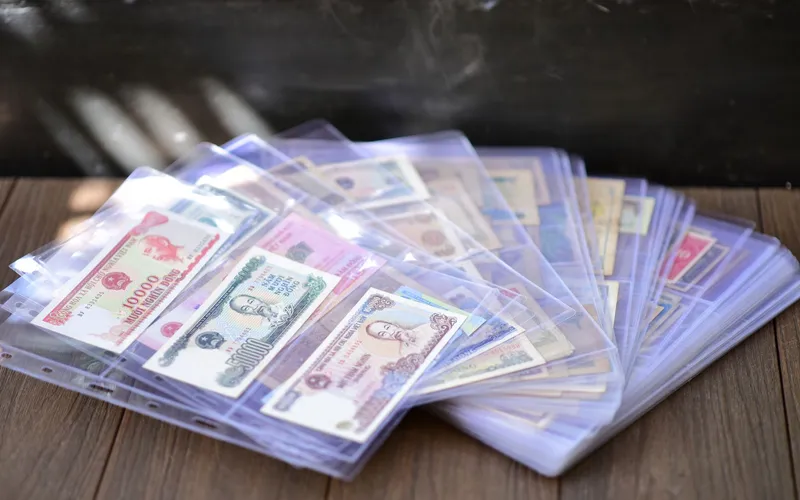
Vietnam's currency runs to a lot of zeros, and similar-coloured notes of very different value make short-changing easy, whether deliberate or not. Learn the notes before you need them, count your change without embarrassment, and be wary of the "I have no small change" routine that rounds every transaction up in the vendor's favour. When paying, hand over one note at a time and say the amount aloud. At ATMs, use machines attached to banks, cover the keypad, and be aware of high foreign-card withdrawal fees. Keeping small denominations on hand defuses a surprising share of everyday overcharging.
Tours, "free" gifts and pushy commissions
The commission economy is the engine behind many scams. A hotel that insists a place is fully booked but knows somewhere else; a "free" friendship bracelet or a photo with a conical hat and shoulder pole that turns into a firm demand for payment; a cyclo ride agreed at one price and billed at another at the end. The pattern is always the same: an unsolicited offer that becomes an obligation. Agree every price clearly and in advance, in writing where money is significant, and treat anything pressed on you as "free" with polite scepticism. For bigger commitments like multi-day tours, booking through a reputable operator removes the risk almost entirely; our travel agencies directory lists vetted specialists.
How to respond without becoming paranoid
The real skill is holding two truths at once: that these scams are common, and that the people running them are a tiny fraction of those you will meet. Lean too far toward suspicion and you insult a hundred kind strangers to avoid one opportunist, and you rob yourself of the openness that makes travel worthwhile. The workable stance is calm, friendly alertness: agree prices up front, verify claims yourself, keep small notes, and when something does go wrong, treat it as a minor cost of travel rather than a betrayal. A firm, smiling "no thank you" resolves almost everything. Getting scammed a little is not a failure of your intelligence; it is a normal, forgettable part of moving through a busy tourist economy.
The friendly-local and street-vendor moves
A softer category relies on warmth rather than deception. Someone strikes up a lovely conversation, then it turns toward their cousin's tailor shop or a "special" tour. A street vendor swings a shoulder pole onto you, plants the conical hat on your head for a photo, and then wants payment for the privilege. A woman hands you a basket of doughnuts or fruit to hold, snaps your picture, and charges a steep price for the fruit you now hold. None of these are dangerous, and some encounters that begin this way are perfectly genuine; the tell is when friendliness quickly becomes a transaction. Enjoy the conversation, admire the wares, but keep your hands free and your wallet closed until you have actively decided to buy something at an agreed price. A good rule of thumb: if a stranger's kindness arrives with unusual speed and steers, however gently, toward a purchase, slow down and let the moment breathe before any money changes hands.
Scams that target arrival and departure
The two moments you are most vulnerable are the first hour in the country and the departure. On arrival, jet-lagged and cashless, you are the perfect mark for the airport taxi flat-fare and the unofficial currency exchange with a poor rate and sleight-of-hand counting. Arrange airport transport in advance or use the official taxi rank and ride-hailing, and change only a small amount at the airport at a rate you have checked. At departure, watch for last-minute "airport tax" demands that do not exist, and padded bills at airport cafes. Knowing the handful of real fees, which our overview of how to move through Vietnam touches on, means no invented charge can rush you. A little preparation at these two pinch points removes most of the trip's total scam risk at a stroke.
What to do next
- Install a ride-hailing app and get a local SIM so it works the moment you arrive.
- Check opening hours and fair prices for taxis, sights and tours in advance, so "it's closed" and airport fares hold no surprises.
- Carry plenty of small-denomination notes and count your change every time, without embarrassment.
- For motorbike or equipment rentals, photograph everything, use well-reviewed shops, and never leave your passport as a deposit.
- Book significant tours and transfers through a reputable operator, and plan the wider route with our plan your journey page.
Frequently Asked Questions
Is Vietnam dangerous for tourists?
No. Vietnam is a fundamentally safe country to travel, and violent crime against visitors is rare. The realistic risks are money scams such as taxi overcharging, bill padding and short-changing, which are annoying but low-stakes. Sensible habits and calm pushback handle almost all of them.
What is the most common scam in Vietnam?
Transport overcharging is the most common, especially rigged or "broken" taxi meters and inflated airport fares. Using a ride-hailing app, where the price is agreed in advance and the route is tracked, removes most of the risk, as does sticking to the two well-known reputable taxi companies.
How do I avoid being overcharged in restaurants?
Order only from menus with clear printed prices, ask the cost of any "market price" dish before it is cooked, decline extras like wet wipes or nuts you did not request, and check the bill before paying. These simple checks prevent the great majority of restaurant overcharging without any confrontation.
Should I hand over my passport when renting a motorbike?
No. Offer a cash deposit or a photocopy instead. Surrendering your passport gives a shop leverage in any dispute over alleged damage and can leave you without your most important document. Photograph and film the bike before riding, and use rental shops with strong recent reviews.
How should I react if I realise I'm being scammed?
Stay calm and friendly. A firm, smiling refusal resolves most attempts, and if you have already overpaid, treat it as a small, forgettable cost rather than a disaster. Avoid escalating or becoming suspicious of everyone; the people running scams are a tiny minority of those you will meet in Vietnam. Report a serious or aggressive scam to your accommodation or the tourist police if you wish, but for the small everyday stuff, a shrug and a lesson learned is usually the healthiest response.