117 Dolphins Left: What Cambodia's Mekong Conservation Push Means for Travellers in 2026
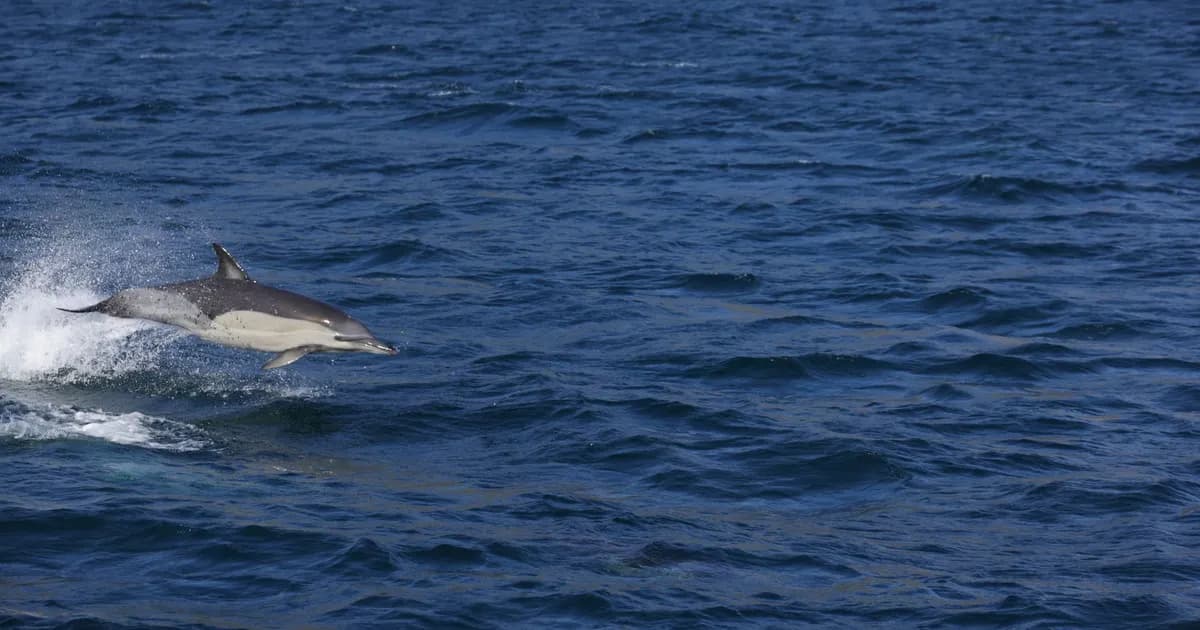
There is a number worth sitting with before you book a dolphin boat in Cambodia: 117. That is the estimate given by the Ministry of Agriculture, Forestry and Fisheries for the Mekong's remaining Irrawaddy dolphins, a population that lives along roughly 120 km of river between Kratie and Stung Treng provinces. The species has been listed as critically endangered by the IUCN since 2004. In August 2026 the Ministry of Tourism staged a mass run in their name, and the dolphins have become both a conservation emergency and a tourism product. Travellers are now part of that story, whether they mean to be or not.
The number behind the headlines
On Sunday 9 August 2026, roughly 1,000 people took part in a 5 km "Run for the Mekong River Dolphins" in Stung Treng province, according to the Ministry of Tourism. The tourism minister, Huot Hak, said the event aimed to boost tourism, protect nature and conserve the freshwater dolphins. It followed the first Mekong Dolphin and Kayak Festival, held at Preah Rumkel from 30 May to 1 June 2025, which combined a dolphin blessing ceremony with kayak races, camping and local food.
Read together, these events show a clear strategy. The government wants the dolphins to be worth more alive, in tourism terms, than the pressures that threaten them. That logic is common in conservation, and it can work, but it carries a tension. A population of 117 animals is small enough that disturbance matters. Every additional boat, every careless approach and every crowded event has a cost that is hard to measure and easy to ignore.
As a traveller, the useful first step is simply to know the scale. This is not a thriving population with a few pressures. It is a small group of animals in one stretch of one river, and its future depends on decisions made by fishers, communities, officials and, in a small way, visitors.
One request. Up to five tailored proposals.
Skip contacting agencies one by one — share your trip once and let up to five trusted Cambodia agencies come to you. Free, with no obligation.
Get my free quotesWhere the dolphins live, and where you can meet them
The dolphins occupy deep pools along the Mekong in the north-east. The best-known viewing points sit at either end of their range. Near Kratie, the pool at Kampi is the most accessible and the most visited; our guide to Kratie and the Mekong describes the town and its islands in detail. Further north, the Chheuteal Dolphin Protection Area near Preah Rumkel in Stung Treng province, and the quieter Thala Barivat district, offer a more remote experience.
Boat trips in Stung Treng are typically listed at about 10 to 20 dollars per person for two to three hours, with early morning offering the best chance. A full day in Thala Barivat with a guide has been quoted at around 20 to 30 dollars. These are indicative figures from current listings, and they shift with fuel prices, group size and season. You can read more about the northern end of the range in our guide to Stung Treng and the northern Mekong wetlands.
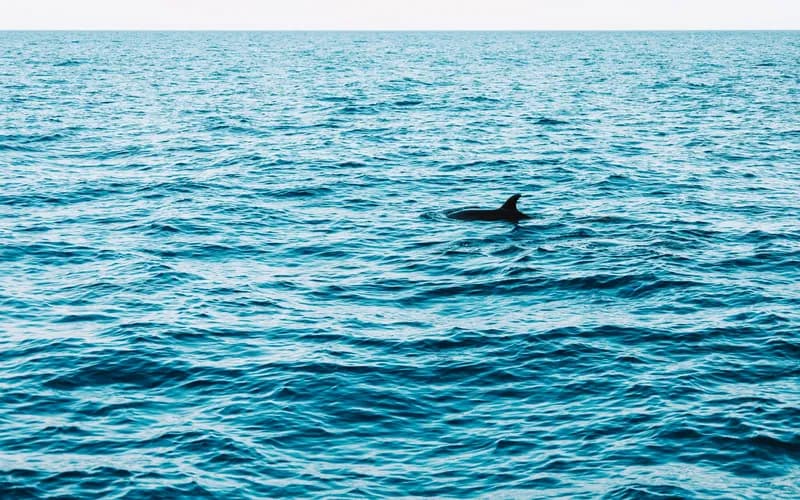
The honest message about sightings is that they are not guaranteed. The dolphins surface briefly, rarely leap, and spend long periods underwater. A good trip may mean a handful of glimpses of a grey back and a small dorsal fin. If you are looking for a spectacle, this is the wrong experience. If you are content to watch a rare animal in its own river, it can be quietly moving.
Why the population is under pressure
Specialists commonly point to a small set of threats for river dolphins in the Mekong: entanglement in fishing nets, destructive fishing methods, disturbance from boat traffic, and changes to the river itself, including water-flow shifts linked to upstream development. We do not attempt to rank these here, because the weight of each varies by year and by stretch of river, and the sources we reviewed for this article did not provide a breakdown. What matters for a traveller is that most of these pressures involve people who depend on the river for a living.
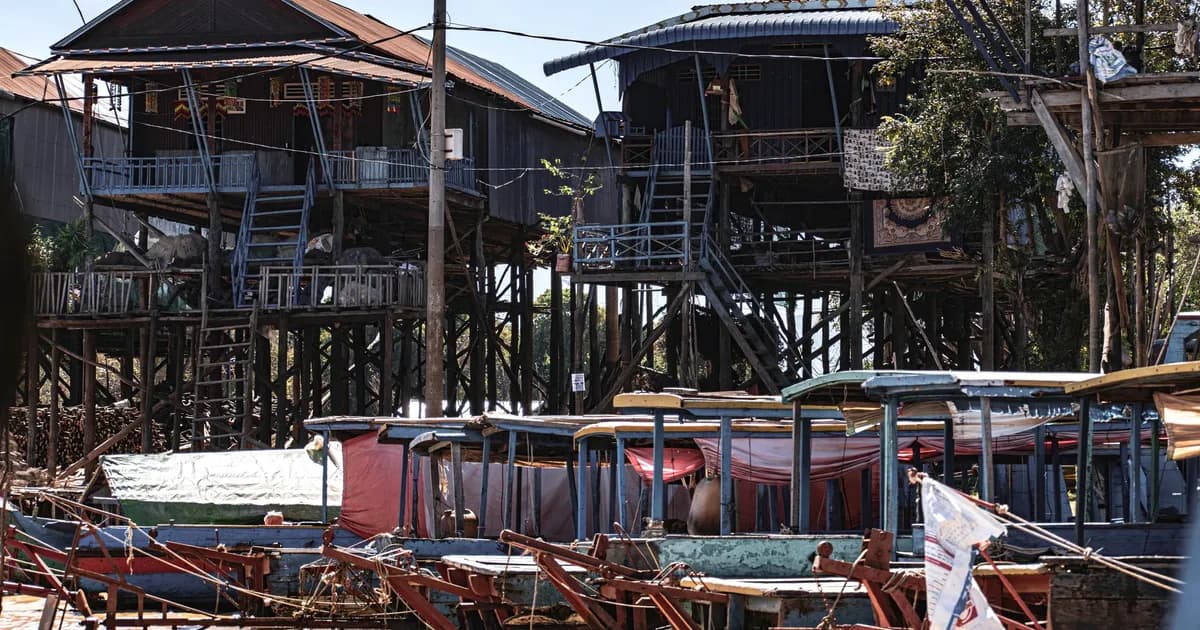
That is the key to understanding conservation here. Villages along the Mekong fish, farm islands and move goods by boat. Protecting dolphins means asking those communities to change how they use the river, and that only works if the alternative pays. Community ecotourism is one of the few such alternatives available in remote areas. It is not a complete answer, but it is a real one.
The Tonle Sap faces a related challenge, with a flood pulse that is changing; if you want to see how climate and water management shape livelihoods across the country, read our analysis of Cambodia's uncertain lake. The same logic applies: the river is not just scenery, it is an economy.
Get matched with up to 5 trusted Cambodia agencies
- Free
- No obligation
- Up to 5 agencies
Tourism as a conservation tool: what it can and cannot do
Dolphin-watching income can reach villagers directly through boat hire, guiding, homestays and meals. At Koh Han, a community-run site in the Stung Treng Ramsar wetland, reporting from 2021 suggested the committee had earned around 4,000 dollars from just over 1,000 visitors. That is not a transformation of local livelihoods, but it is real money in a rural setting, and 14 of the 28 members are women.
There are also limits. Visitor numbers in the region have been volatile. A 2024 report noted that one community, Borey O'Svay, had dropped to about 10 percent of its pre-pandemic visitors. Cambodia's broader arrivals have also been unsettled this year, with sharp falls reported in the first half of 2026. A conservation model that depends on a steady flow of visitors is therefore fragile, and it can create perverse incentives if operators feel pressure to guarantee sightings.
Tourism can also harm. More boats in a small pool means more engine noise and more chances of collision. Dolphins rely on sound to navigate and hunt, so noise matters more than it looks. The ethical question for any visitor is not whether to go, but how to go in a way that adds more than it takes.
What good viewing looks like
You can usually tell a good operator within the first ten minutes. Look for these signs:
- The boat is small, quiet and approaches slowly, then drifts or idles rather than chasing animals.
- The guide keeps a respectful distance and does not encourage you to lean out or call to the dolphins.
- There are few other boats nearby, and the crew is willing to leave if the pool becomes crowded.
- The driver does not promise sightings and talks about the animals with obvious care.
- Payment goes through a community committee or a named local guide, not a distant agency.
If a boat revs its engine to follow a surfacing dolphin, say so politely and ask to stop. Most crews respond, particularly when the request is calm and clear. Our broader guide to travelling Cambodia ethically sets out the same principles for elephants, orphanages and other situations where good intentions can go wrong.
Timing, events and avoiding the crowd
Festivals and races draw attention and funding, but they also concentrate people in a small area. If you want a quiet encounter, visit outside event dates. Early morning, on a weekday, in a low season month, usually gives you the river largely to yourself. The dry months from November to April generally bring more visitors, with the busiest period at Stung Treng's communities running from February to Khmer New Year in April.
The green season has advantages too. Higher water, fewer visitors and lush banks make for a calmer trip, though roads can slow down after heavy rain. Flexibility is your best tool. Build a spare day into your itinerary, so that poor weather or an unlucky morning does not force you to rush.
What this means for the way we plan trips
For UNRUSH readers, the dolphins illustrate something we believe about slow travel generally: depth over distance, value over volume. A single early boat trip taken with a community guide, followed by a night in a homestay and a slow breakfast, is worth far more to a village and to the animals than a rushed stop with fifty others.
It also shows the danger of treating wildlife as a box to tick. If you arrive expecting a guaranteed show, you create pressure on operators to deliver one. If you arrive prepared for a quiet morning on a big river, you make restraint commercially viable. Over time, visitor behaviour shapes what operators offer.
Finally, it is a reminder to check what you are paying for. Entry fees, boat charges and community contributions should be transparent. Ask where money goes, and prefer arrangements that name the community. Our slow travel charter explains the principles we use to judge what is worth recommending.
What to Do Next
- Decide whether you will go to Kratie, Stung Treng or both, and give yourself at least two nights on the river rather than a single stop.
- Contact a community committee or local guide in advance and ask about boat size, group limits and how revenue is shared.
- Plan for early mornings and arrive with realistic expectations. A few glimpses are a good result.
- Skip event dates unless you specifically want the atmosphere, and avoid operators who promise guaranteed sightings.
- Use our plan your journey page to place the Mekong in a longer route, and consider a local agency that works with community groups.
Frequently Asked Questions
How many Irrawaddy dolphins are left in the Mekong in Cambodia?
The Ministry of Agriculture, Forestry and Fisheries has estimated that 117 remain. They live along about 120 km of the Mekong between Kratie and Stung Treng provinces, and the species has been listed as critically endangered by the IUCN since 2004.
Is dolphin watching in Cambodia ethical?
It can be, if it is done carefully. Small, quiet boats, slow approaches, a respectful distance and payment that reaches local communities all help. Operators who chase dolphins or promise sightings should be avoided.
Where is the best place to see them?
Kratie's Kampi pool is the most accessible, while the area around Preah Rumkel and Thala Barivat in Stung Treng province is quieter and more remote. Neither guarantees sightings.
When is the best time of day to go?
Early morning is generally best, when the river is calm and boat traffic is low. Late afternoon can also work, but crowds tend to be larger.
How much does a dolphin boat trip cost?
Trips in Stung Treng are typically listed at around 10 to 20 dollars per person for two to three hours, though prices vary by operator, group size and season. Confirm locally before you go.
Do dolphin events and festivals help conservation?
They can raise funds and awareness, which is useful. However, they also concentrate visitors in small areas, so quieter visits outside event dates are kinder to the animals and the village.
Can tourism really protect the dolphins?
It helps when it gives communities a reliable alternative income to harmful fishing practices, but it is not enough alone. Net management, river protection and community engagement all matter, and tourism income can be volatile.
Keep reading
More from the ground · Cambodia