
How to Travel Cambodia Ethically: Orphanages, Elephants and Responsible Choices
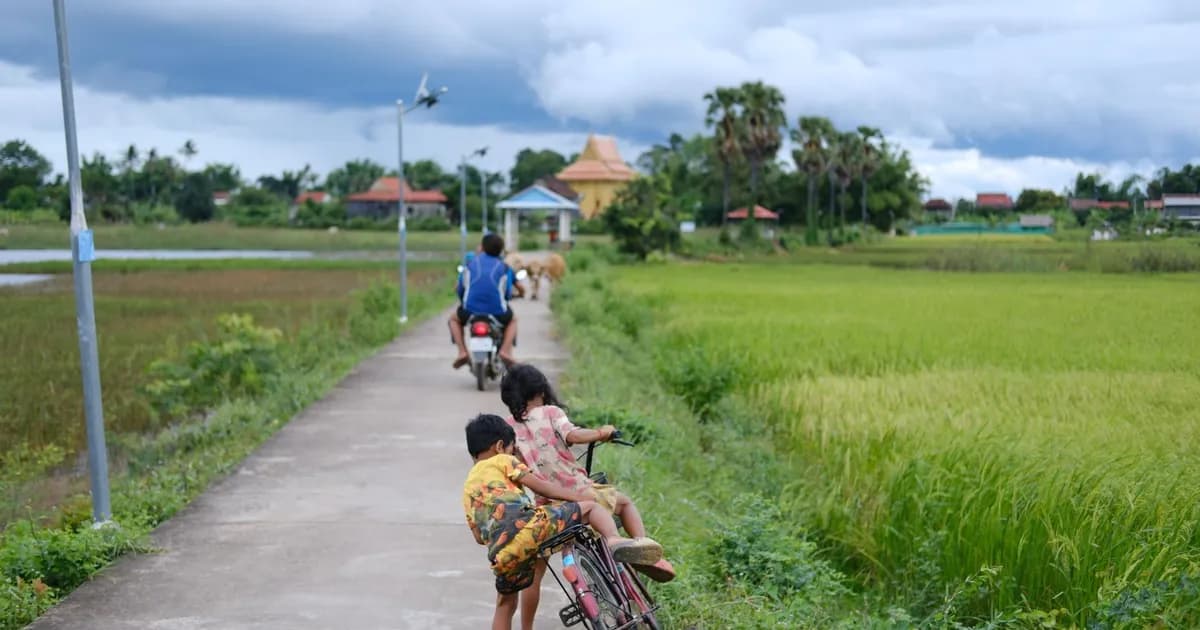
Cambodia is one of the warmest and most rewarding countries in Southeast Asia to travel, and also one where your choices carry unusual weight. A history of conflict and poverty, a young population and a fast-growing tourism industry have combined to create a place where well-meaning visitors can do real harm without realising it, and where thoughtful ones can do genuine good. Travelling ethically here is not about guilt or self-denial; it is about paying attention, asking a few questions, and directing your time and money where they help rather than hurt.
Why Ethics Matter More in Cambodia
Every destination invites responsible travel, but Cambodia raises the stakes. The scars of the Khmer Rouge era are still within living memory, rural poverty remains widespread, and a large share of the population is young. That combination has produced industries — from orphanage tourism to elephant rides — that package good intentions into harmful products. It has also produced a wealth of genuinely good community initiatives. The difference between the two is not always obvious from a brochure, which is why a little knowledge goes a long way. Our slow traveller's guide to Cambodia is a good companion for planning a trip that is both rewarding and responsible.
One request. Up to five tailored proposals.
Skip contacting agencies one by one — share your trip once and let up to five trusted Cambodia agencies come to you. Free, with no obligation.
Get my free quotesThe Orphanage Tourism Trap
Start with the hardest one, because it is the most misunderstood. Visiting or volunteering at orphanages has become a popular "good deed" for travellers in Cambodia, and it is one of the most damaging things a well-meaning visitor can do. Research has shown that a large majority of children in Cambodian orphanages are not orphans at all; they have at least one living parent, and are often placed in institutions precisely because orphanages attract foreign money and volunteers.
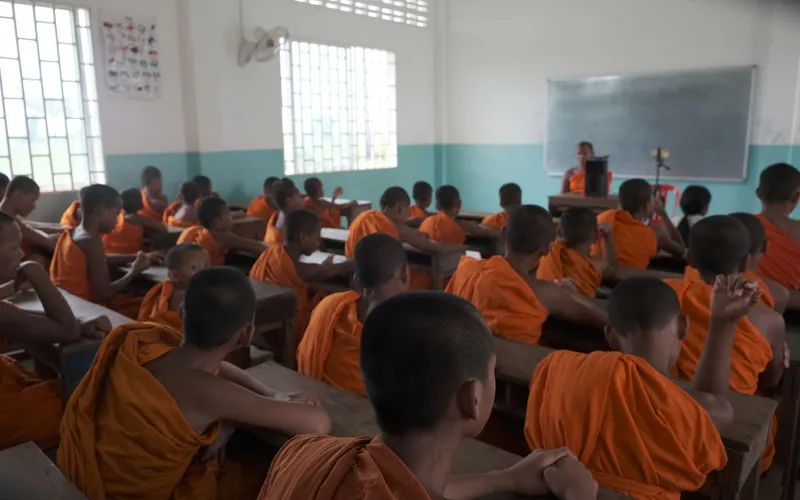
A steady stream of visitors passing through a children's home is harmful to the children's development and safety, and it fuels a system that separates families for profit. The ethical rule is simple and firm: do not visit, tour or volunteer at orphanages, and do not donate to organisations that offer orphanage visits as an attraction. Supporting family-based and community programmes instead does far more good.
Volunteering: Good Intentions, Real Harm
The wider "voluntourism" industry deserves the same scrutiny. Short-term volunteering, especially anything involving children, teaching or construction, often displaces local workers, delivers little of lasting value, and exists mainly to sell an experience to the volunteer. If you genuinely want to contribute, the better path is to travel as a respectful paying guest, spend generously with local businesses, and support established local organisations financially rather than dropping in to "help" for a week. Your money, spent well, is almost always worth more to a community than your unskilled labour.
Get matched with up to 5 trusted Cambodia agencies
- Free
- No obligation
- Up to 5 agencies
Elephants: Ride Nothing, Observe Instead
Cambodia, like Thailand, has an elephant tourism industry, and the ethical line here is clear. Do not ride elephants, and avoid any venue that offers rides, performances, bathing shows or other tricks; these rely on cruel training and keep animals in poor conditions. Choose instead a genuine sanctuary where elephants roam in forest and you observe them from a distance without riding or bathing. The Elephant Valley Project in Mondulkiri is the best-known example, letting former working elephants live in a large forested reserve while visitors watch them behave as elephants should. If a place lets you ride or bathe an elephant, it is not a sanctuary, whatever it calls itself.
Wildlife and the Dolphins
The same principle — observe, do not exploit — extends to Cambodia's wider wildlife. When you go to see the rare Irrawaddy dolphins of the Mekong, as described in our guide to Kratie and the river dolphins, choose boat operators who keep a respectful distance and cut their engines rather than chasing the animals. Never buy souvenirs made from wildlife, shells or coral, and be wary of any attraction that involves handling, feeding or posing with wild animals. Responsible wildlife tourism keeps a discreet distance and treats the encounter as a privilege, not a photo opportunity.
Children, Begging and the Kindest Thing to Do
You will be approached by children selling trinkets or asking for money, especially around tourist sites, and the kind-seeming response is often the harmful one. Giving money or buying from child sellers keeps children out of school and working the streets, and can tie a family's income to keeping them there.
The better response is to decline gently and, if you want to help, to support organisations working on education and child welfare rather than giving directly. The same goes for sweets, pens and other handouts, which encourage begging. It feels counterintuitive, but the kindest thing is usually to keep your wallet closed and direct your generosity to reputable local groups.
Temples, Dress and Sacred Sites
Cambodia is a deeply Buddhist country, and its temples are living places of worship, not just monuments. Dress modestly, covering shoulders and knees, at Angkor and all religious sites; remove your shoes and hat where required; never touch or climb on sacred structures or pose disrespectfully with Buddha images; and keep your voice down. Our guide to Angkor temple etiquette and the multi-day pass covers the details, but the underlying attitude is simple: behave as a guest in someone's sacred space.
Spending So It Reaches Local Hands
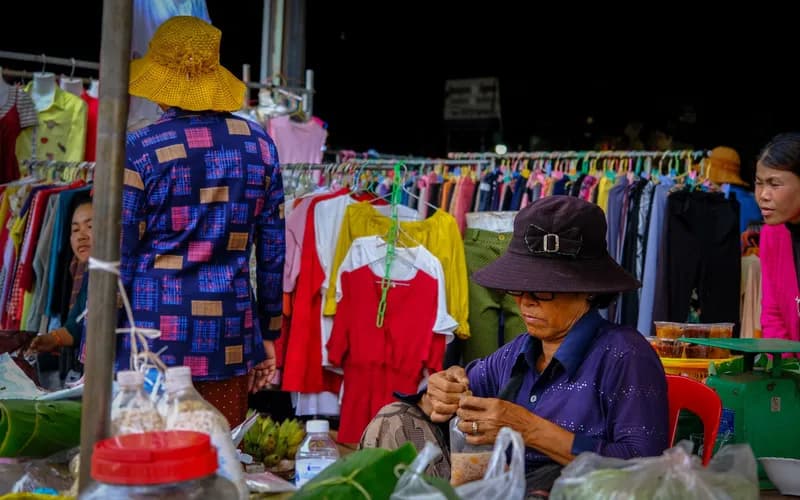
Where your money goes matters as much as how much you spend. Favour family-run guesthouses and homestays over international chains, eat at local restaurants and markets, hire local guides, and buy genuine local crafts directly from makers. This keeps a far greater share of your spending in Cambodian hands and supports exactly the small businesses that make slow travel worthwhile. It is the everyday expression of the values set out in our slow travel charter.
Landmines, Genocide Sites and Travelling With Respect
Cambodia's recent history is present everywhere, from landmine survivors to the memorial sites of the Khmer Rouge era such as the Killing Fields and Tuol Sleng. Visit these places if you wish — they are important — but do so quietly and respectfully, without selfies or levity. Support demining charities and survivor-run businesses, and buy from the many musicians and artisans who are landmine survivors. Treating this history with the seriousness it deserves is part of travelling the country honestly.
Bargaining Without Taking Advantage
Bargaining is normal in Cambodian markets, but there is an ethical way to do it. Haggle with good humour and a sense of proportion, and remember that the small sum you are trying to save often matters far more to the seller than to you. Agree a fair price, pay it with a smile, and do not grind a vendor down over the equivalent of a few cents. Generosity of spirit, here as elsewhere, costs little and means a lot.
Ask One Simple Question
When you are unsure whether an activity is ethical, one question cuts through most of the confusion: who is this really for? An orphanage visit that exists so tourists can feel they have helped is for the tourist, not the child. An elephant ride is for the rider, not the elephant. A homestay meal cooked by the family you are paying is for both of you. Learning to ask, honestly, who benefits from a given experience, and whether the more vulnerable party has any real say, will steer you right far more reliably than any checklist. Cambodia's tourism is full of well-marketed experiences that fail this test, and a growing number of genuinely good ones that pass it.
Ethics as a Better Trip, Not a Sacrifice
It is worth saying plainly that travelling ethically in Cambodia is not a joyless exercise in rules. The choices that do the least harm are almost always the ones that give you the richest experience: a family homestay over an anonymous hotel, a local guide over a scripted tour, a genuine sanctuary over a circus, a market meal over a resort buffet. Responsible travel and good travel point in the same direction here. The traveller who pays attention ends up with a deeper, warmer and more honest encounter with Cambodia, and leaves the country a little better for having come.
What to Do Next
- Never visit, tour or volunteer at orphanages, and avoid voluntourism involving children; support family-based programmes instead.
- Refuse elephant rides and shows, and choose a genuine observation-only sanctuary such as the Elephant Valley Project.
- Do not give money to child sellers or beggars; direct any generosity to reputable local welfare organisations.
- Spend with family guesthouses, local restaurants, local guides and craft-makers to keep money in Cambodian hands.
- Plan a responsible trip with our Cambodia plan-your-journey resources and choose grounded operators.
Frequently Asked Questions
Why should I avoid visiting orphanages in Cambodia?
Because most children in Cambodian orphanages are not orphans; they have living parents and are often placed in institutions because orphanages attract foreign money and volunteers. A stream of visitors harms children's welfare and fuels family separation. The ethical choice is never to visit, tour or volunteer at orphanages, and to support family-based programmes instead.
How do I choose an ethical elephant experience in Cambodia?
Avoid anywhere that offers riding, bathing or performances, as these depend on cruel training and poor conditions. Choose a genuine sanctuary where elephants roam freely in forest and you observe them from a distance without riding or bathing. The Elephant Valley Project in Mondulkiri is the best-known example of this observation-only model.
Is it wrong to give money to children begging or selling in Cambodia?
Giving money to or buying from child sellers and beggars generally does more harm than good, keeping children out of school and working the streets, and tying family income to that work. The kinder response is to decline gently and support established education and child-welfare organisations rather than giving directly.
How can I make sure my money benefits local people?
Favour family-run guesthouses and homestays, eat at local restaurants and markets, hire local guides, and buy crafts directly from makers. This keeps far more of your spending in Cambodian hands than international chains do, and supports the small businesses that make slow, responsible travel worthwhile.
Is voluntourism a good way to help in Cambodia?
Usually not. Short-term volunteering, especially involving children, teaching or building, often displaces local workers and delivers little lasting value while mainly serving the volunteer's experience. Travelling as a respectful paying guest and supporting local organisations financially almost always does more genuine good than unskilled short-term volunteering.
How should I behave at Cambodia's temples and historical sites?
Dress modestly, covering shoulders and knees, remove shoes and hats where required, keep your voice down, and never climb on or pose disrespectfully with sacred structures. At genocide memorials such as the Killing Fields and Tuol Sleng, visit quietly and without selfies, treating the country's recent history with the seriousness it deserves.