
Money and Connectivity in Cambodia: Dollars, Riel, ATMs and SIMs
Cambodia has one of the more unusual money systems a traveller will encounter, and getting your head around it in the first hour saves confusion for the rest of the trip. The country effectively runs on two currencies at once: the US dollar for most things, and the Cambodian riel for the small change. Add fast-growing QR payments, ATM quirks and a few cash habits worth learning, and it is worth a short primer before you arrive. This guide covers how money actually works on the ground, plus how to stay connected, so you can spend your attention on Cambodia rather than on arithmetic.
Cambodia runs on two currencies
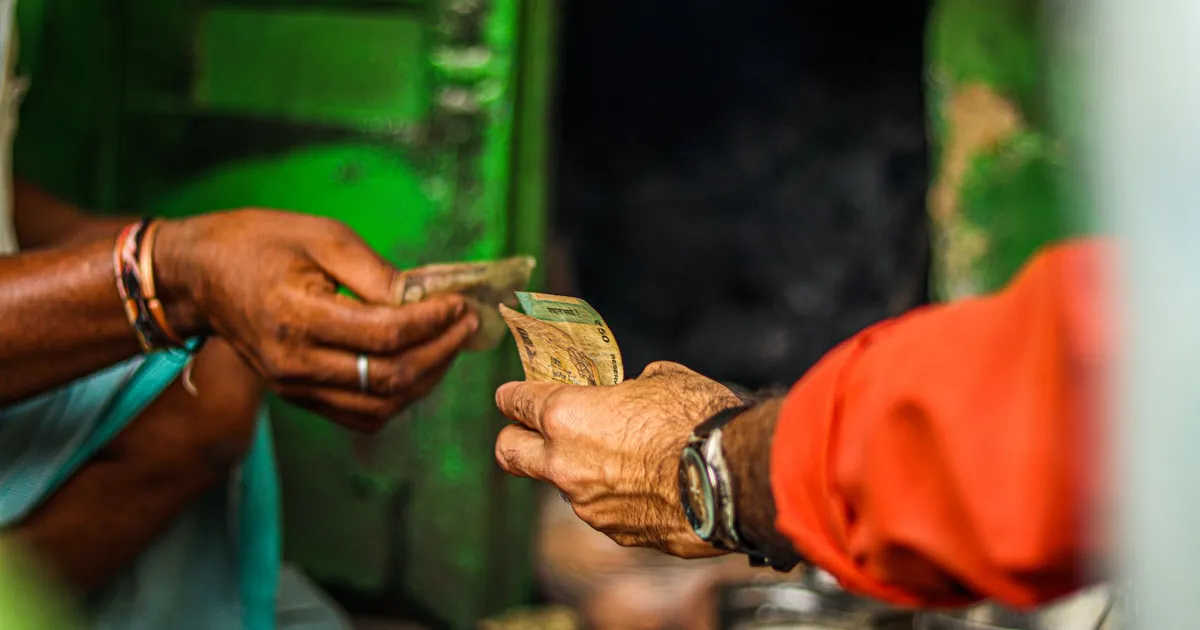
The single most important thing to grasp is that Cambodia uses the US dollar as its everyday currency alongside its own riel. Prices in shops, restaurants, guesthouses and on tour menus are very often quoted in dollars, and you can pay for most things in cash dollars. The riel comes in for smaller amounts and, crucially, as the change for anything under a dollar. In practice you will carry both at once, thinking in dollars for larger purchases and in riel for the small stuff. Once you accept that this dual system is normal rather than confusing, it becomes second nature within a day.
One request. Up to five tailored proposals.
Skip contacting agencies one by one — share your trip once and let up to five trusted Cambodia agencies come to you. Free, with no obligation.
Get my free quotesThe dollar is king, the riel is the change
The working rule of thumb is that the exchange rate sits at roughly 4,000 riel to the US dollar, and vendors use this round number for everyday transactions. So if something costs three dollars fifty and you hand over four dollars, you will typically get 2,000 riel back rather than coins, because US coins are not used here at all. Get comfortable with this and you will glide through markets and tuk-tuk fares; resist it and you will fumble at every purchase. Keep a stock of riel notes for small buys, tuk-tuks, market stalls and tips, and save your dollars for larger payments. Our Cambodia budget guide breaks down what things actually cost across the country.
Bring good dollars, and small ones
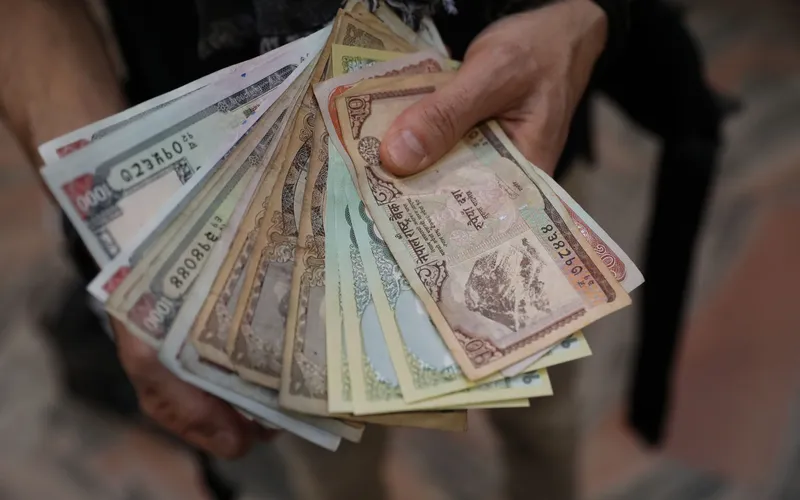
Here is a rule that catches many visitors out: Cambodia is fussy about the condition of US banknotes. Torn, heavily worn, marked or very old dollar bills are frequently refused, so bring clean, crisp notes and inspect any dollars you are given in change, handing back anything damaged. Equally important, bring a good supply of small denominations. Ones, fives and tens are far more useful than fifties and hundreds, which many small vendors cannot change, and arriving with a wad of large bills is a recipe for friction. Break big notes at hotels, supermarkets and busier restaurants when you can.
Get matched with up to 5 trusted Cambodia agencies
- Free
- No obligation
- Up to 5 agencies
ATMs and their fees
ATMs are widespread in cities and towns and, helpfully, most dispense US dollars, with some offering riel as well. The catch is the fee: withdrawing from a Cambodian ATM on a foreign card typically incurs a charge in the region of four to six dollars per transaction, on top of anything your home bank adds. The practical response is to withdraw larger amounts less often rather than making frequent small withdrawals, while not carrying more cash than you are comfortable with. Choose ATMs attached to reputable banks, be aware that machines can run out of cash on weekends and holidays, and always have a modest reserve, because rural areas and islands may have no ATM at all.
The rise of QR payments
Cambodia has leapt surprisingly far into cashless payments, and in cities you will increasingly see the national KHQR code at everything from cafes to market stalls. Travellers whose banks or apps support it can pay by scanning, and the system is genuinely convenient where it works. It has not replaced cash, especially in rural areas and on the islands, so you should never rely on it exclusively, but it is a real and growing option. We cover this shift in detail in our guide to Cambodia's cashless payments; for most foreign visitors, cash remains the backbone with QR as a handy supplement.
Cards: where they work and where they don't
Card acceptance follows the familiar pattern: mid-range and upper hotels, tour operators, and smarter restaurants and shops in Phnom Penh and Siem Reap will often take cards, sometimes with a surcharge, while everyday street-level Cambodia runs on cash. Do not count on paying for a tuk-tuk, a market meal or a village guesthouse by card. Carry enough cash for daily spending, keep a card as a backup and for larger or emergency payments, and tell your bank you are travelling so a legitimate transaction is not blocked. A mix of cash and one or two cards, kept separately, is the resilient setup.

Tipping in Cambodia
Tipping is not a rigid obligation in Cambodia, but wages are low and modest tips are genuinely appreciated and increasingly expected in tourist-facing settings. In restaurants that do not add a service charge, rounding up or leaving around five to ten percent is a kind norm. A dollar or two for a helpful tuk-tuk driver, a few dollars a day for a good guide, and small change for hotel staff who help you are all reasonable. Tip in either currency. The spirit is generosity within reason, not a fixed tariff, and a little goes a long way in a country where these jobs support whole families.
Bargaining without stress
Markets, tuk-tuks and souvenir stalls involve gentle bargaining, and it need not be stressful or adversarial. Prices in fixed shops and restaurants are set, but at markets and for informal transport a little friendly negotiation is normal and expected. Ask the price, offer somewhat less with a smile, and settle somewhere in between; keep it good-humoured and remember that the few thousand riel you are haggling over means far more to the seller than to you. For fares, agree the price before you get in. This ease around money is part of the wider rhythm of travelling the country described in our guide to overland travel in Cambodia.
Staying connected: SIMs, eSIMs and data
Getting online in Cambodia is cheap and easy. The main mobile networks, Cellcard, Smart and Metfone, offer inexpensive tourist SIM packages with generous data, and coverage is good in populated areas though patchy in remote countryside and on some islands. You can buy a SIM at the airport on arrival or from official shops in town; bring your passport, as registration is required. Travellers with a compatible phone can instead buy an eSIM before arrival for a seamless connection from the moment they land. Whichever you choose, a local data connection makes maps, ride-hailing, translation and QR payments far easier, and it is one of the cheapest upgrades to your trip.
Budgeting and daily costs
Cambodia is an affordable destination, though prices in Siem Reap, Phnom Penh and the islands run higher than in rural areas. Budget travellers can get by modestly, midrange travellers live comfortably, and even upper-end travel is inexpensive by Western standards. The biggest variable costs are accommodation, organised tours and the Angkor pass. Keeping a mental split between dollar purchases and riel change, and withdrawing cash efficiently to minimise ATM fees, keeps your budget under control without any fuss.
A useful mental model is to think in three tiers. A frugal traveller staying in guesthouses, eating at local restaurants and travelling by bus spends very little; a midrange traveller in comfortable hotels with the occasional private driver and organised tour spends moderately; and even an indulgent trip stays affordable next to Europe or North America. The Angkor pass and multi-day tours are the costs most worth budgeting for deliberately, since they can dwarf a week of everyday spending. Beyond those, Cambodia asks very little of your wallet for a great deal in return.
Keeping your money safe
Cambodia is generally safe, but ordinary precautions apply. Bag-snatching from passing motorbikes does happen in the cities, so keep your phone and bag on the inside of the pavement and do not dangle them loosely. Split your cash and cards between more than one place, keep a small emergency reserve separate from your day money, and use ATMs attached to banks in daylight where you can. None of this should make you anxious; it is simply the sensible baseline that lets you carry the cash a largely cash economy requires.
What to do next
- Arrive with clean, small-denomination US dollars, and expect to receive riel as change for anything under a dollar.
- Withdraw larger amounts less often to limit the four-to-six-dollar ATM fees, and keep a cash reserve for rural areas and islands.
- Buy a Cellcard, Smart or Metfone SIM with your passport, or arrange an eSIM before arrival, for cheap, reliable data.
- Keep cash as your backbone with a card as backup, and use QR payments where offered rather than relying on them.
- Plan your daily budget with our Cambodia budget guide and route with our plan your journey page.
Frequently Asked Questions
Should I bring US dollars or Cambodian riel?
Bring US dollars in clean, small denominations, as the dollar is Cambodia's everyday currency for most purchases. You will receive riel as change for amounts under a dollar and use it for small buys, tuk-tuks and tips. There is no need to obtain riel before you arrive; you will accumulate it naturally.
Why were my dollars refused in Cambodia?
Cambodia is particular about banknote condition. Torn, heavily worn, marked or very old US dollar bills are often rejected, so bring crisp, clean notes and check any dollars given to you in change. Hand back damaged notes politely and ask for better ones, which vendors will usually provide.
Are there ATM fees in Cambodia?
Yes. Withdrawing on a foreign card from a Cambodian ATM typically costs around four to six dollars per transaction, on top of any fee your home bank charges. To minimise this, withdraw larger amounts less frequently, use bank-attached machines, and keep a cash reserve, since rural areas and islands may have no ATM.
Can I use my phone to pay with QR codes in Cambodia?
Increasingly, yes, in cities. Cambodia's KHQR system is widely used in cafes, shops and markets, and travellers whose banks or apps support it can pay by scanning. It has not replaced cash, particularly in rural areas and on the islands, so treat QR as a convenient supplement rather than your only means of payment.
How do I get a SIM card in Cambodia?
Buy a tourist SIM from Cellcard, Smart or Metfone at the airport on arrival or from official shops in town, bringing your passport for the required registration. Packages are cheap with generous data. Alternatively, arrange an eSIM before arrival on a compatible phone for connectivity the moment you land.