
For years, the traveller's mental model of Cambodia's money was simple: bring US dollars, expect change in riel, and carry plenty of small notes. That model is quietly breaking down. Cambodia is in the middle of one of the fastest shifts to digital payments anywhere in the region, with QR codes spreading from city cafés to rural market stalls, and a national push to move the country off the dollar and onto its own currency. For the slow traveller, understanding this shift is part of understanding modern Cambodia — even if, for now, cash remains essential.
From a Dollar Economy to a QR Economy
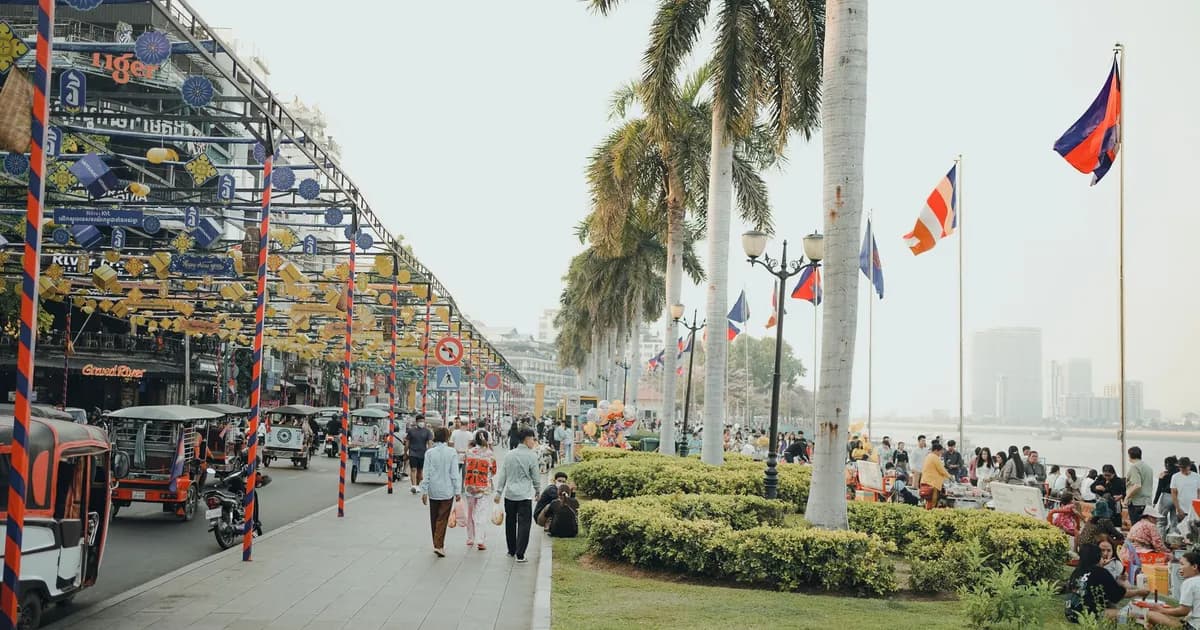
Cambodia has long been unusual: a country where the US dollar circulates alongside the local riel, a legacy of the turbulent 1990s. For everyday purchases, dollars have been king and riel served as small change. What is changing is not just the currency but the medium. Across Phnom Penh, Siem Reap and increasingly the provinces, payment is going digital, and the instrument is the QR code rather than the card.
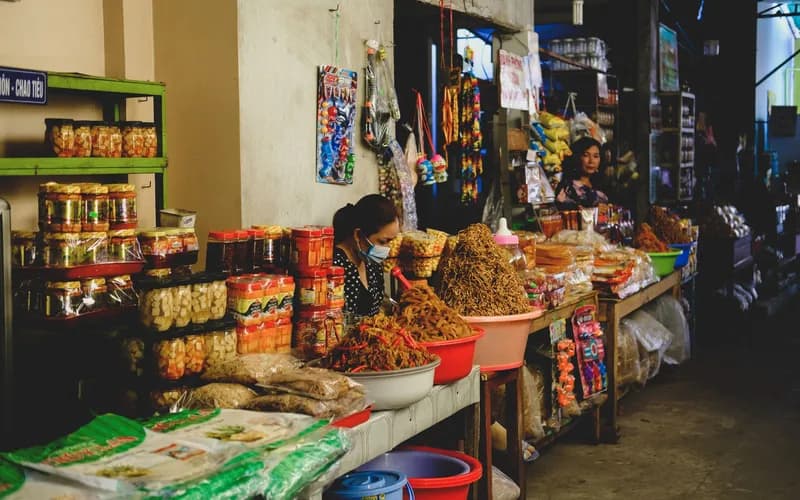
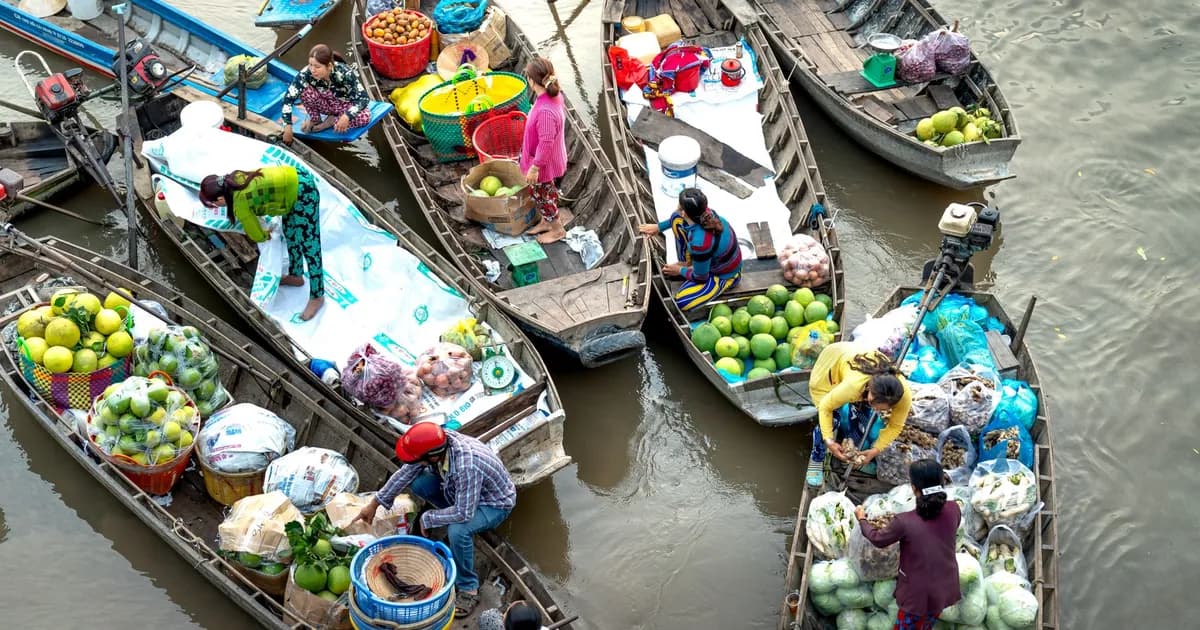
Walk through a market today and you will see the same square black-and-white codes taped to fruit stalls, tuk-tuk dashboards and noodle carts that you find on shop counters. Cambodians increasingly pay for almost everything by scanning, and the change has come with striking speed. This is the backdrop against which the country's wider 2026 tourism shift is playing out.
One request. Up to five tailored proposals.
Skip contacting agencies one by one — share your trip once and let up to five trusted Cambodia agencies come to you. Free, with no obligation.
Get my free quotesWhat Bakong and KHQR Actually Are
Two pieces of infrastructure underpin the change. Bakong is the national payment system, run by the central bank, that links the country's banks and mobile wallets into a single network. KHQR is the national standard QR code that sits on top of it: one code that any participating bank or wallet app can scan, rather than a different code for each provider. Together they mean a street vendor can accept payment from a customer using any Cambodian bank, instantly and for free, without a card machine. It is a leapfrog of the kind common in developing economies — skipping cards and going straight from cash to phones.
The Cross-Border Leap
The most striking development is that KHQR no longer stops at the border. Cambodia has linked its QR system with neighbours, so that payments can increasingly be made across borders by scanning: Cambodians can pay in Thailand, Vietnam, Laos and Malaysia, and travellers from some of those countries can pay Cambodian merchants in return. International wallet systems have begun plugging into KHQR as well, opening the door for some foreign visitors to scan and pay directly. This regional QR web is still expanding, but it points to a future where a phone replaces a wad of mixed currencies across much of Southeast Asia.
Get matched with up to 5 trusted Cambodia agencies
- Free
- No obligation
- Up to 5 agencies
What This Means for Foreign Travellers Right Now
Here is the honest reality for 2026: as a short-term foreign visitor, you probably cannot use Bakong or KHQR easily yet, because the local wallets generally require a Cambodian bank account or phone number. Some international payment apps are beginning to work with KHQR, and this is worth checking before you travel, but you should not assume you can simply scan your way around Cambodia the way a local can. For most foreign travellers, the practical upshot is unchanged for now: carry cash. The digital revolution is real, but it is built primarily for residents, and the traveller's experience is only slowly catching up.
Cash Is Still King in the Countryside
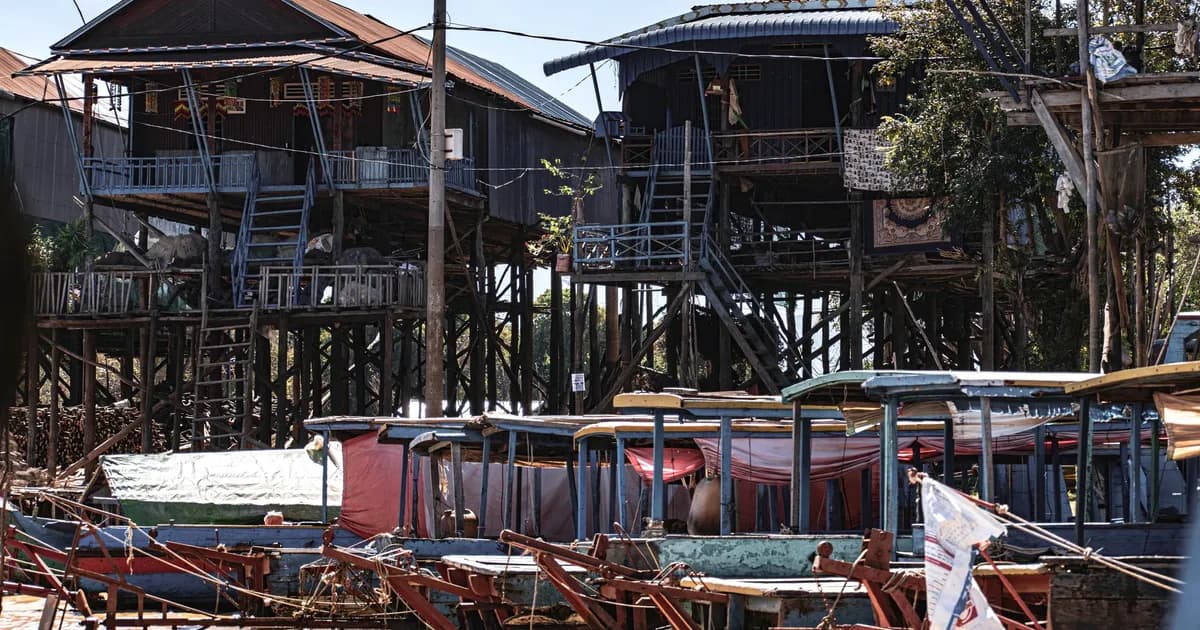
The cashless story is loudest in the cities. Step into the slow-travel Cambodia of river towns, islands and villages, and cash remains indispensable. A dolphin-watching boat at Kratie on the Mekong, a homestay in the Cardamoms, a market meal in a small town — these still run on dollars and riel.

The further you get from the main tourist centres, the more you will rely on physical money, and the more important it is to carry enough small-denomination notes. Rural ATMs are sparse and can be unreliable, so top up cash in the cities before heading off the beaten track.
The Dollar's Slow Retreat
Behind the QR boom is a deliberate policy: Cambodia's central bank wants to reduce the economy's dependence on the US dollar and strengthen the riel, and digital payments are a key tool. You may already notice the effects. Riel is used more readily than it once was, some prices are quoted in local currency, and change is more often given in riel alone. Over the coming years, travellers can expect the dollar's role to keep shrinking, so getting comfortable with riel prices — and roughly four thousand riel to the dollar — is a small but useful habit.
Why This Matters for Slow Travel
It would be easy to dismiss all this as a technicality, but payment systems shape how a place feels and how money moves through it. The rise of KHQR is putting more of the economy directly into the hands of small vendors, cutting out card fees and middlemen, and that is broadly good for the kind of small, local businesses slow travellers want to support. Paying a family guesthouse or a market cook is more direct than ever. Understanding the system also makes you a more informed guest: knowing why a vendor prefers a scan, or why your change comes in riel, is part of reading a country honestly rather than treating it as a backdrop.
Practical Money Strategy for a Cambodia Trip
The sensible approach for 2026 blends old and new. Bring US dollars in good condition, as worn or torn notes are often refused, and withdraw more from city ATMs, which typically dispense dollars. Keep a stock of small notes and expect change in riel. Check before you travel whether your own international payment app supports KHQR, as this is changing, and treat any QR ability as a bonus rather than a plan. For a fuller picture of costs, our Cambodia budget guide breaks down what to expect to spend, and our guide to travelling Cambodia overland covers paying for transport on the road.
How Cambodia Leapfrogged the Card
Cambodia's jump to QR payments is a textbook case of technological leapfrogging. In much of the West, digital payment was built on decades of card infrastructure — plastic, terminals, networks — that a country like Cambodia never fully installed. Rather than spend years rolling out card machines, Cambodia went straight from a cash economy to a phone-based one, using the smartphones that are now near-universal even in modest households. The result is a system that in some ways is more advanced than what many wealthier countries use day to day: instant, free bank-to-bank transfers by scanning a code, available to a fruit seller as readily as to a shopping mall. For the traveller, it is a reminder that developing does not mean behind; in payments, Cambodia is in several respects ahead.
The Human Side of the Shift
Behind the infrastructure is a social change worth noticing. Younger Cambodians, in particular, now expect to pay by phone, and the QR code has become part of daily life in a way that would have seemed improbable a decade ago. Small vendors who never had a bank account now accept digital payments and build a financial record in the process, which can open doors to credit and savings. There are trade-offs, of course: older and rural people can be left behind, and dependence on phones and networks brings its own fragilities. But watching a grandmother at a market scan a code to buy vegetables, or a tuk-tuk driver settle a fare with a tap, tells you something real about the pace of change in Cambodia, and about the quiet confidence of a country building its own version of the future rather than importing someone else's.
A Snapshot of a Country in Transition
More than a payment story, the cashless shift is a snapshot of Cambodia at a particular moment: young, fast-moving and increasingly confident. For the slow traveller, it is worth slowing down enough to notice: the codes on the noodle carts, the riel changing hands, the dollar quietly receding. These small details, read together, tell you more about where the country is heading than any statistic, and paying attention to them is part of what it means to travel a place rather than merely pass through it.
What to Do Next
- Bring US dollars in good condition and plan to withdraw more from city ATMs, which usually dispense dollars.
- Keep plenty of small-denomination notes and expect change in riel at roughly four thousand to the dollar.
- Before you travel, check whether your international payment app now supports KHQR, and treat any QR capability as a bonus.
- Top up cash in the cities before heading to river towns, islands and rural areas where cash still rules.
- Plan your budget and route with our Cambodia plan-your-journey resources — reviewing costs before you go.
Frequently Asked Questions
Can foreign tourists use QR payments in Cambodia?
Not easily yet, in most cases. Cambodia's KHQR and Bakong systems are built mainly for residents with a local bank account or phone number. Some international payment apps are beginning to work with KHQR, so it is worth checking before you travel, but for now most foreign visitors should still plan to rely on cash.
Do I still need US dollars in Cambodia in 2026?
Yes. Despite the rapid rise of digital payments, cash remains essential for foreign travellers, especially outside the main cities. Bring US dollars in good condition, as damaged notes are often refused, and expect change in riel. City ATMs generally dispense dollars.
What are Bakong and KHQR?
Bakong is Cambodia's national payment system, run by the central bank, that links the country's banks and mobile wallets. KHQR is the single national standard QR code that works across all participating providers. Together they let vendors accept instant, fee-free payments by scan, which is why QR codes are now everywhere in Cambodia.
Can I pay across borders with Cambodia's QR system?
Increasingly, yes, for those with a linked account. Cambodia has connected KHQR with Thailand, Vietnam, Laos and Malaysia, allowing cross-border QR payments in the region. This mostly benefits residents and neighbouring-country users for now, but the network is expanding and international wallets are beginning to join.
Why is Cambodia moving away from the US dollar?
Cambodia's central bank wants to reduce dependence on the dollar and strengthen the local riel, and promoting digital payments in riel is a key part of that policy. Travellers may notice riel used more often, more prices quoted locally, and change given in riel rather than dollars.
How much cash should I carry in Cambodia?
Enough to cover several days at a time, especially outside the cities, since rural ATMs are sparse and unreliable. Keep a mix of small dollar notes and riel for everyday purchases, top up in cities before heading to remote areas, and avoid relying on being able to pay digitally as a foreign visitor.