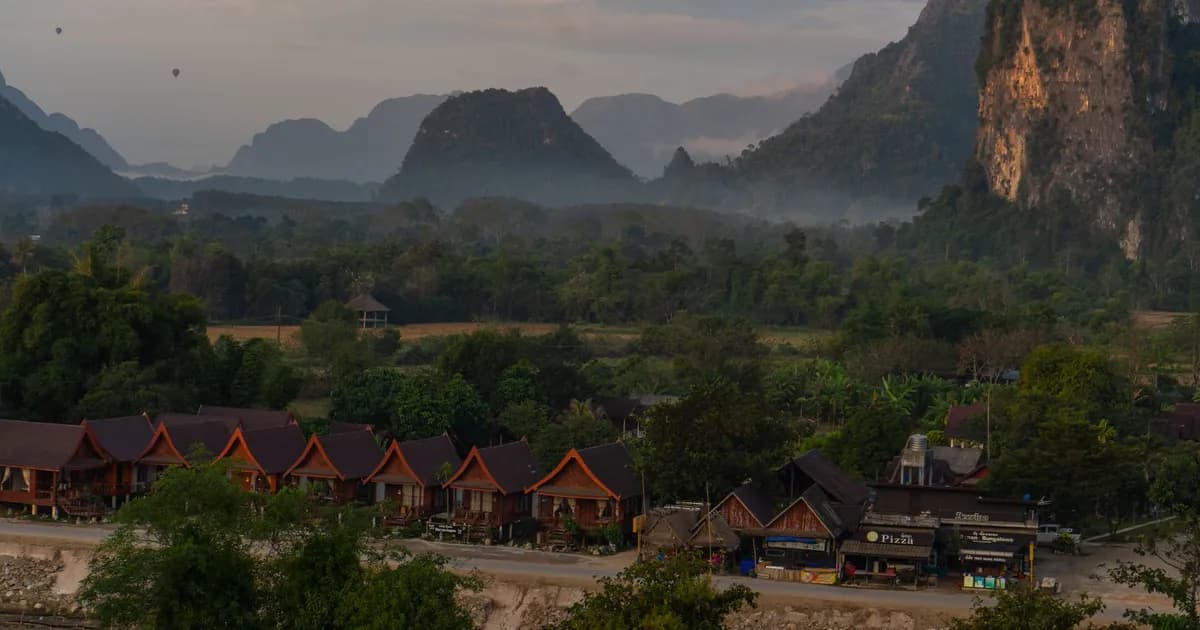

Scams and Tourist Traps in Laos: How to Avoid Them Calmly
Laos has a reputation for gentleness, and most of the time it deserves it. People are patient, prices are modest and strangers rarely hassle you. But gentle places still have their predictable tricks, usually aimed at tired travellers at transport hubs and at those who arrive without a plan. None of them is dangerous if you know the pattern. All of them are cheaper to avoid than to fix.
This is a practical guide to the scams and tourist traps that travellers and guidebook writers report most often in Laos, with a calm approach to each. The goal is not suspicion. It is a few habits that let you relax for the other 95 percent of your trip. Where figures appear, they come from traveller reports and should be read as indications, not tariffs.
The mindset: slow down at the moments that matter
Almost every scam in Laos depends on urgency: a boat about to leave, a bus that is "full", a queue of people behind you at a money changer. The most reliable defence is to slow the moment down. Say you will think about it, step aside, check on your phone, ask a second person. Honest sellers do not mind. Dishonest ones usually move on to the next arrival.
Two further habits help. Arrive in each new town in daylight when you can, because everything is easier to judge with light and a clear head. And keep a small amount of local cash in kip handy, so you are never negotiating from a position of need. Our guide to paying in Laos explains currency in detail.
One request. Up to five tailored proposals.
Skip contacting agencies one by one — share your trip once and let up to five trusted Laos agencies come to you. Free, with no obligation.
Get my free quotesMoney: banknotes, change and conversions
The most common small-money problem is simple: you are handed damaged or very worn notes, or the wrong change, in a hurry. Torn banknotes are reported to be hard to spend, and some money changers are said to pass them out. The fix takes ten seconds. Inspect each note at the counter, before you walk away, and ask for a replacement if anything looks torn, taped or unusual. Count your change twice, and say aloud how much you are handing over, especially in crowded markets such as the night market in Luang Prabang.
Other points on money worth knowing:
- Hotels sometimes quote prices in US dollars and convert to kip at a poor rate, which can add around 20 dollars or more over a stay. Ask for the kip price and compare it with the current rate.
- ATM fees add up quickly. Check the fee before confirming, withdraw larger amounts less often and keep cash somewhere other than your wallet.
- Exchange money only at legal outlets, never on the street. A counter that asks for your passport is more likely legitimate than one that does not.
- When bargaining, type the final price into your phone calculator and show it. It prevents the number drifting after the deal.
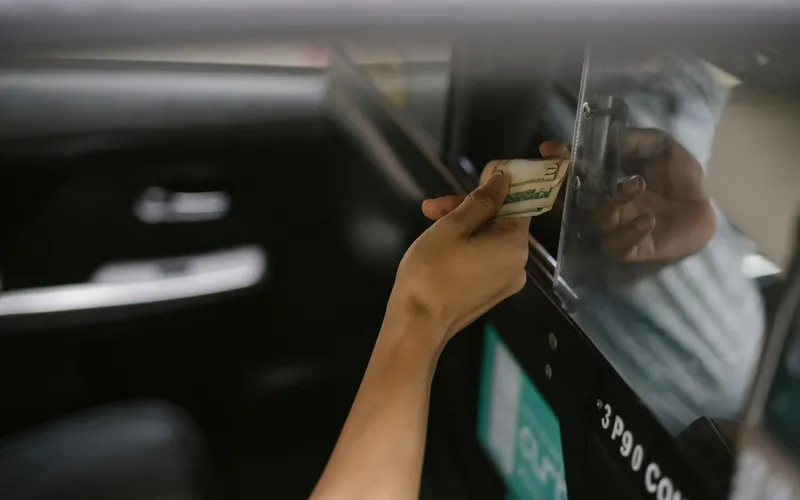
Transport: tuk-tuks, buses and the Pakbeng story
Transport hubs are where most pressure happens. Three patterns recur.
First, tuk-tuk drivers who offer to sell you a bus ticket or recommend an agency. Travellers report that tickets bought this way can cost more, and that the departure point may not be what you were told. Buy through your guesthouse's travel desk, a reputable agency, or at the bus station a little before departure. If someone says your bus leaves from somewhere other than the station, confirm it with a second, independent source.
Second, border-area drivers. Near the Thai-Lao crossing at the Friendship Bridge, some drivers claim you need a visa and offer to take you to an office that is not the real one. If you already have your visa or e-visa, say so and ask to be taken directly to the border. Check your visa requirements before you travel so you know what you need.
Third, the slow boat. On the two-day boat from Huay Xai to Luang Prabang, travellers have reported that before departure a man claiming to be an official says there are no rooms in Pakbeng, the overnight stop, and asks for a prepaid fee of around 20 dollars to put your name on a list. Reports say Pakbeng has many guesthouses and rarely runs out. Do not prepay on the boat. Walk up the bank on arrival and choose in daylight. Our guide to the slow boat down the Mekong covers the route in full.
Get matched with up to 5 trusted Laos agencies
- Free
- No obligation
- Up to 5 agencies
Motorbike rentals: the one that costs real money
Motorbikes give freedom and are the single largest source of dispute and injury for visitors. Reported problems include renters being charged large sums for a bike that was returned, or for scratches that were already there.
A short protocol protects you:
- Photograph and film the bike, including every scratch, before leaving the shop.
- Refuse to leave your passport as a deposit. Offer a photocopy and, if pressed, a cash deposit with a written receipt.
- Read the contract for theft insurance and breakdown charges.
- Use your own padlock, and never leave valuables in the front basket, where bags are snatched at traffic lights.
- Return the bike in daylight, in front of staff, and film the handover.
If a dispute escalates, contact the tourist police. For the full picture on licences, roads and risk, read our honest guide to renting and riding a motorbike in Laos.
Culture without a price tag: the alms ceremony
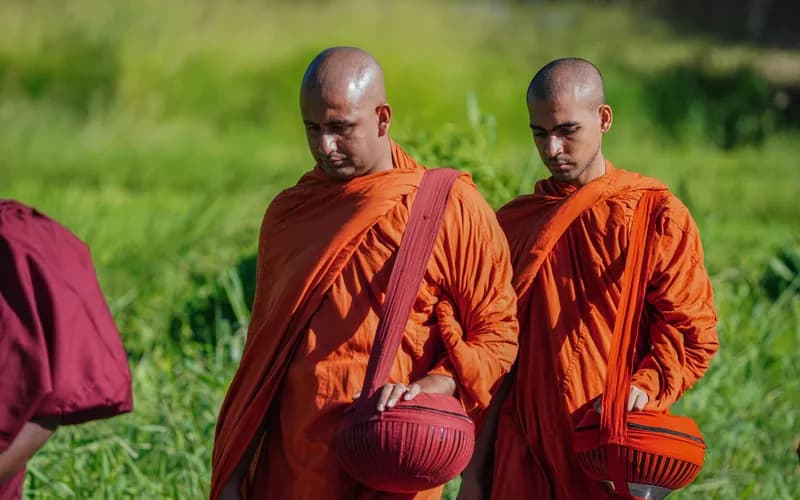
At dawn in Luang Prabang, monks walk the streets collecting alms. It is a living religious practice, not a show, and it attracts one of the more cynical local tricks. Tourists are seated and handed sticky rice or offerings to give, and are then asked for payment, sometimes at several times a fair price, with the basket topped up repeatedly. Reports put the final bill at six to ten times what a visitor expected.
The respectful answer is not to take part. Watch quietly from across the street, switch off your camera flash and shutter sounds, keep your distance and leave space for local people giving as an act of faith. Our piece on cultural etiquette in Laos explains how to see it without harming it.
Nightlife, drugs and the "happy" restaurants
This is the category where the stakes are highest. Drugs are illegal in Laos and penalties are severe. Travellers report two patterns: venues in places such as Vang Vieng that openly offer drugs on a "happy" menu and are said to be linked to corrupt police, and, in the capital, drivers who sell or pressure tourists to buy cannabis and then call the police. In both cases the aim is a payment to avoid trouble, sometimes reported in the region of 1,000 dollars.
Be sure of this: you cannot assume that something offered openly is tolerated. Do not buy, do not carry and do not accept. Mind your drink too. Do not accept drinks or food from people you have just met, and keep your glass in sight. Gambling card games are illegal in public places, so a friendly game with strangers is best declined. Walk in groups after dark where possible, and be careful of drunk drivers at night, particularly around the Lao New Year in April.
Theft and unfriendly hospitality
Petty theft is real but uncommon. Pickpocketing and bag-snatching are reported in the busier places, Vientiane, Vang Vieng and Luang Prabang, and cash is occasionally reported missing from cheap guesthouse rooms. Keep cards, cash and passport in different places, use a hotel safe when there is one and read recent reviews before booking, then read them again a week before you arrive. Our guide to where to stay in Laos helps you choose with care.
Be gently wary of an over-eager local who invites you home for dinner soon after meeting. Most invitations are genuine, but a rule of meeting someone twice before accepting costs nothing.
Small tolls, big difference
Not every unexpected charge is a scam. Some bridges and small caves have genuine tolls, and some do not. In rural areas, people sometimes block a path and demand a fee. If you have a trusted local guide, let them handle it. Without one, ask what the fee is for, pay small amounts if the context is credible and walk away if it is not. Do not argue in anger. A calm face is your best asset.
Tours, agents and booking sensibly
Many tourist traps are simply products sold at a poor price by someone who knows you do not have time to compare. Treks, boat trips, cooking classes and day tours are sold on every corner in Luang Prabang and Vang Vieng. Compare at least two offers, ask exactly what is included (transport, entry fees, lunch, guide), and prefer operators that employ local guides and are happy to explain where your money goes. Pay a deposit at most, not the full amount, unless the business is well established.
Souvenir shops deserve the same attention. Authorities in Laos have recently inspected shops over overpriced, low-quality goods, which tells you the problem is recognised. Ask where a textile was woven, look at the back of the cloth and be wary of anything described as antique. Fair prices are rarely the first price quoted, but bargaining should stay friendly and short.
One final habit: keep a written note, in your phone, of what you paid for and what you were promised. If something goes wrong, a record is worth far more than an argument.
A special note on the north
Laos's northern borders and special economic zones are a different category of risk, more about crime than tourism. If your route runs through Bokeo or the Golden Triangle area, read our analysis of the Golden Triangle zone so you understand what you are actually looking at.
What to Do Next
- Carry small kip notes and check every note at the counter.
- Book buses through a trusted desk or buy at the station.
- Never prepay for Pakbeng accommodation on the boat.
- Photograph any motorbike before you ride, and keep your passport.
- Skip the alms-giving offers; watch from a respectful distance.
- Save the tourist police and your embassy numbers in your phone before you land.
- Use our plan your journey page to build a route with fewer last-minute decisions.
Frequently Asked Questions
Is Laos dangerous for tourists?
Not in general. Violent crime against visitors is uncommon. The usual risks are road accidents, petty theft, overcharging and, for those who go looking, trouble with drugs.
What is the most common scam in Laos?
Overcharging and short-changing in busy places, followed by motorbike rental disputes and transport touts. They are mostly small sums and avoidable with attention.
Should I pay for rooms in Pakbeng in advance?
No. Reports say rooms are plentiful. Arrive, walk up from the pier in daylight and choose in person.
Is it safe to give alms in Luang Prabang?
Participation by tourists is discouraged, and paying stall holders who seat you and charge a high price is the scam. Observe quietly from a distance instead.
Can I leave my passport as a motorbike deposit?
You should not. Offer a photocopy or a documented cash deposit, and keep your original passport.
What should I do if I am scammed?
Stay calm, keep any receipt or photo, and contact the tourist police and your guesthouse. Disputes are rarely won by raising your voice.
Are tuk-tuk fares negotiable?
Yes. Ask a local or your guesthouse what the fare should be, and agree the price before you get in.