How to Get Around Laos: Trains, Boats, Buses and the Slow Roads
Getting around Laos is a lesson in patience, and that is not a complaint. This is a mountainous, sparsely populated, landlocked country where roads wind and rivers meander, and where distances that look short on a map can swallow a day. For the slow traveller, that is not a problem to be solved but the whole texture of the trip: the journeys here are often as memorable as the destinations. This is a practical guide to the ways of moving around Laos, and how to choose the right one for each leg.
The good news is that Laos now offers more options than ever, from a gleaming modern railway to the timeless Mekong slow boat. The art lies in matching the mode to the moment, and in accepting that in Laos, more than most places, the getting there is part of the point.
The mental adjustment: distances take longer here
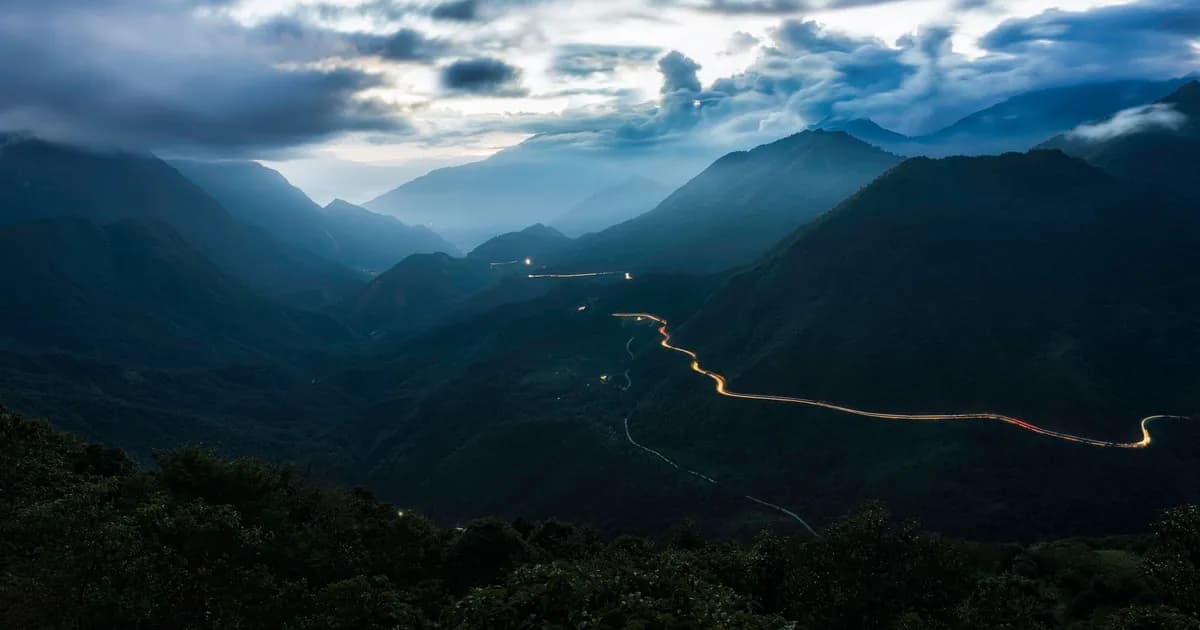
Before anything practical, a change of mindset is needed. Laos is mountainous, and its roads reflect it: a journey of a hundred kilometres can take four hours or more as the road climbs, twists and descends through the hills. Do not plan by distance; plan by time, and always allow more of it than you think you need. A day that looks like a short hop on the map can turn out to be a long, winding haul.
Embracing this is the key to enjoying travel in Laos rather than being frustrated by it. Build in buffer days, avoid packing too many moves into a short trip, and treat the slow journeys as experiences in their own right. This unhurried approach is the heart of the philosophy in our slow travellers guide to Laos, and it applies nowhere more literally than to getting around.
One request. Up to five tailored proposals.
Skip contacting agencies one by one — share your trip once and let up to five trusted Laos agencies come to you. Free, with no obligation.
Get my free quotesThe railway: fast, modern and worth booking ahead
The single biggest change to travel in Laos in recent years is the railway. The modern high-speed line running from the capital, Vientiane, north through Vang Vieng and Luang Prabang to the Chinese border at Boten has transformed journeys that once took a punishing day by road into a matter of comfortable hours. It is clean, fast, air-conditioned and cheap, and for the main north-south corridor it is often the obvious choice.
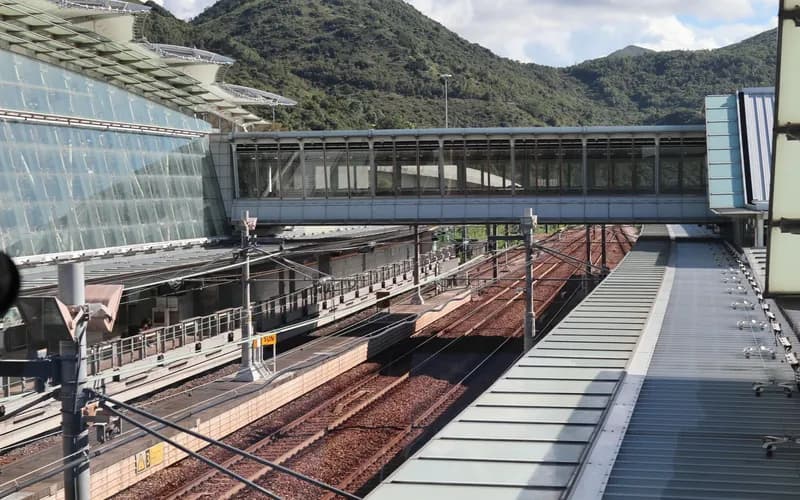
There is one catch: the trains are popular and seats are limited, so tickets sell out, especially on busy days and around holidays. Book as far ahead as you can, and be aware that the process can be a little bureaucratic. Our dedicated guide to riding the Laos-China Railway walks through the booking and boarding in detail. Used well, the railway is the fast backbone around which you can hang slower, more scenic legs.
The Mekong slow boat: the iconic river route
At the opposite end of the speed spectrum is the Mekong slow boat, and no account of getting around Laos is complete without it. The classic two-day journey from Huay Xai on the Thai border down to Luang Prabang, broken by an overnight stop in Pak Beng, is one of the great lazy travel experiences of Southeast Asia: a long, low wooden boat drifting past forested banks, riverside villages and fishing camps, with nothing to do but watch the country slide by.
It is slow, the boats are basic, and in the dry season low water can affect the schedule, but that is precisely its charm. This is travel as meditation, and it rewards anyone with the time to give it. Our guide to the slow boat down the Mekong covers what to expect and how to do it comfortably. Avoid the fast boats that also ply the route; they are noisy, cramped and genuinely dangerous, and they miss the entire point.
Get matched with up to 5 trusted Laos agencies
- Free
- No obligation
- Up to 5 agencies
Buses, VIP buses and the winding roads
For the many places the railway and the river do not reach, the bus is the workhorse of Lao travel. Public buses, "VIP" buses and long-distance coaches connect the towns, ranging from basic local services to more comfortable overnight sleepers on the main routes. They are cheap and they go almost everywhere, but they are slow, subject to the mountain roads, and rarely run precisely to schedule.
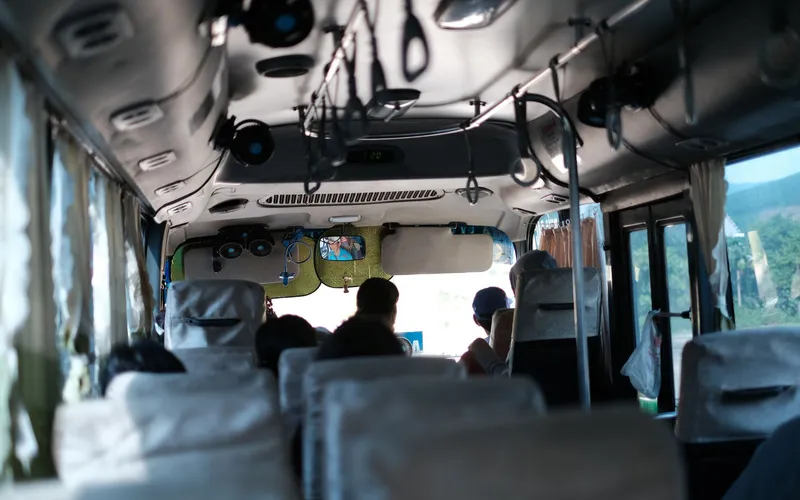
The overnight sleeper buses on longer routes can be a reasonable way to cover distance while you rest, though the winding roads make for a rolling night. For daytime journeys, a window seat and a tolerance for the pace are all you need. Buses are best approached in the Lao spirit: expect delays, carry snacks and water, and treat the journey as part of the adventure rather than mere transit between two points.
Minivans and songthaews: the local reality
On shorter and secondary routes, the minivan is often the default. These cover the gaps between the bus network's main arteries, and they are quick by Lao standards, but they can be cramped, crowded and, in the hands of some drivers, alarmingly fast on the mountain roads. They are a normal and often necessary part of getting around, but they are the mode where a little caution pays off; if a driver is reckless, it is worth speaking up.
In and around towns, the songthaew, a converted pickup with benches in the back, and the tuk-tuk or jumbo are the local shared transport, flagging one down or sharing one is cheap and part of the everyday texture of Lao travel. Agree a price before you set off, as meters are unknown, and expect to share with other passengers and their cargo.
The expressway and domestic flights
Two faster options round out the picture. The Vientiane to Vang Vieng expressway, a modern toll road, has dramatically cut the time between the capital and the karst country to the north, and it is used by express buses and vans; our guide to the Vientiane-Vang Vieng expressway covers what it changes. It is a glimpse of a faster Laos taking shape alongside the slow one.
Domestic flights, operated principally by the national carrier, connect the main centres such as Vientiane, Luang Prabang and Pakse, and can save a great deal of time when you need to cross the country quickly, for instance between the far north and the deep south. They are worth considering to avoid a very long overland haul, though for the slow traveller they are best used sparingly, as a means to protect time for slowness elsewhere rather than a default.
Putting it together
The best way to get around Laos is usually a combination: the railway for the fast north-south spine, the slow boat or the bus for the scenic and the remote, minivans and songthaews to fill the gaps, and the occasional flight to leap a long distance. The skill is in matching the mode to the leg, using speed where it buys you more slowness elsewhere, and choosing the scenic option when the journey itself is the reward.
Above all, plan loosely and generously with time. Laos does not run to the minute, and trying to force it to is a recipe for frustration. Build a route with room to breathe, accept that some days will be spent largely in transit, and let the country's own unhurried rhythm shape your movement through it. To assemble a realistic route that balances the fast and the slow, a specialist on our Laos plan-your-journey page can help.
Self-driving and a few practical habits
One option worth mentioning for the confident is renting your own wheels. In much of Laos, hiring a motorbike or scooter opens up the countryside at your own pace, and the country's famous road loops, such as the Thakhek Loop through the karst country of the centre, are designed to be ridden this way. Self-driving is not for everyone, given the state of some roads and the standard of local traffic, but for experienced riders it is one of the most rewarding ways to travel, freeing you entirely from schedules.
Whatever modes you use, a few habits smooth the way. Carry enough cash for fares, as cards are useless at bus stations and boat piers. Keep snacks and plenty of water for the long journeys, and something warm for over-air-conditioned buses and chilly early river mornings. If you are prone to motion sickness, come prepared for the winding roads. Agree every tuk-tuk and songthaew fare before you climb in. And above all, keep a spare day or two in your itinerary as a buffer, because in Laos a delay is not a possibility but a near certainty, and the traveller who has planned for it is the one who stays relaxed when it comes.
What to Do Next
- Plan your itinerary by travel time, not map distance, and build in buffer days for slow roads.
- Use the Laos-China Railway for the main north-south corridor, and book tickets well ahead.
- Set aside two days for the Mekong slow boat if your route allows, and avoid the dangerous fast boats.
- Fall back on buses, minivans and songthaews for places off the rail and river routes, agreeing prices in advance.
- Consider a domestic flight only to leap a very long distance, and use the expressway for the Vientiane-Vang Vieng leg.
Frequently Asked Questions
What is the best way to travel around Laos?
There is no single best way; the ideal is a combination. Use the Laos-China Railway for the fast north-south corridor, the Mekong slow boat or buses for scenic and remote routes, minivans and songthaews for the gaps, and an occasional flight to cover a very long distance quickly.
Is the Laos-China Railway worth using?
Yes. The modern railway from Vientiane through Vang Vieng and Luang Prabang to the Chinese border has turned day-long road journeys into comfortable hours. It is fast, clean and cheap, but seats sell out, so book as far ahead as you can, especially around holidays.
How long does the Mekong slow boat take?
The classic slow boat from Huay Xai to Luang Prabang takes two days, with an overnight stop in Pak Beng. It is a relaxed, scenic river journey rather than a quick transfer. Avoid the fast boats on the same route, which are cramped, noisy and genuinely dangerous.
Why do journeys in Laos take so long?
Laos is mountainous, and its roads climb and twist accordingly, so a hundred kilometres can take four hours or more. Plan by time rather than distance, allow generous buffers, and treat the slow journeys as part of the experience rather than an inconvenience.
Are minivans in Laos safe?
Minivans are a normal and often necessary way to cover shorter routes, but they can be cramped and some drivers go alarmingly fast on mountain roads. Use them where needed, choose reputable operators where you can, and do not hesitate to ask a reckless driver to slow down.
Should I take domestic flights within Laos?
Domestic flights connect the main centres and can save a lot of time on very long crossings, such as between the far north and deep south. For the slow traveller they are best used sparingly, to protect time for slowness elsewhere rather than as a default choice.