
At the very south of Laos, just before the Mekong crosses into Cambodia, the great river loses its way. It spreads across a fourteen-kilometre width and shatters into a labyrinth of channels, sandbars and islets — Si Phan Don, the Four Thousand Islands. This is Laos at its slowest, a place with no real sights to tick off and every reason to stay longer than you planned. Hammocks, bicycles, river sunsets and thundering waterfalls set the pace here, and the pace is gloriously, deliberately unhurried.
Where the Mekong Breathes Out
Si Phan Don is a geographical curiosity and an emotional one. After a thousand kilometres pent between banks, the Mekong here relaxes, braiding into countless streams around islands large and small before gathering itself again for the border. In the rainy season many of the islets vanish beneath the flood; in the dry months they emerge as sandbanks and green humps dotted with palms and stilt houses. The effect, whichever season you visit, is of a river at rest, and it is contagious. Travellers who arrive planning two nights routinely stay a week. If your instinct is to seek out exactly this kind of place, our guide to Laos off the beaten path is full of similar corners where the country slows to a crawl.
One request. Up to five tailored proposals.
Skip contacting agencies one by one — share your trip once and let up to five trusted Laos agencies come to you. Free, with no obligation.
Get my free quotesDon Det and Don Khon: The Two You'll Choose Between
Most travellers base themselves on one of two connected islands. Don Det is the livelier, backpacker-favoured island, with a cluster of riverside guesthouses, cheap eats and a sociable, laid-back scene at its northern tip, thinning to quiet rice fields and palm groves further south. Don Khon, joined to Don Det by an old French bridge, is quieter and greener, with a more grown-up feel and a scattering of small hotels.
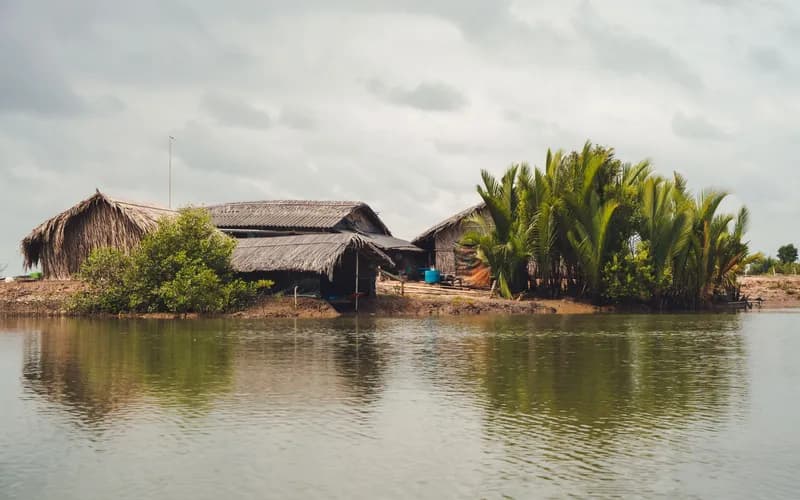
The two islands are easily explored together on foot or by bicycle, and choosing between them is really a choice of atmosphere: Don Det for a little more life, Don Khon for a little more calm. Many people stay on one and cycle to the other by day.
The Old French Railway and the Waterfalls
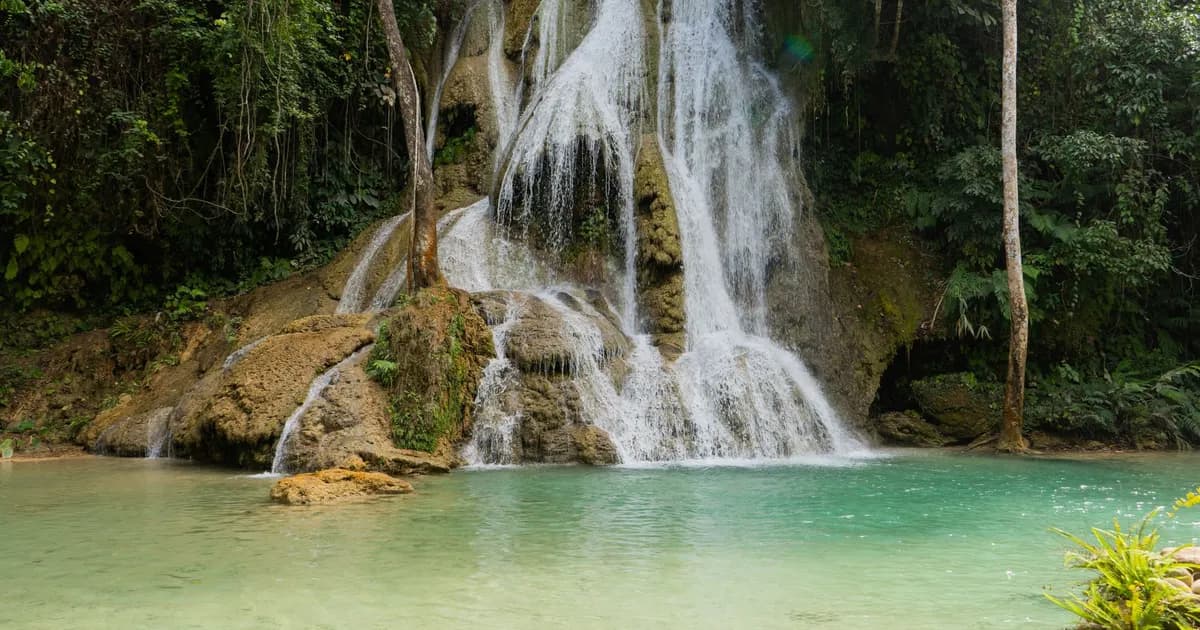
Si Phan Don hides an unlikely piece of history. In the colonial era, the French built a short railway across Don Det and Don Khon to carry boats and cargo around the impassable rapids — the only railway Laos ever had until the recent Chinese line. Its bridge and rusting traces still stand, and cycling the old rail route between the islands is a highlight. It leads toward the waterfalls that made the railway necessary: Li Phi, also called Somphamit, a violent churn of channels and rock on Don Khon, and further off the mighty Khone Phapheng, the largest waterfall by volume in Southeast Asia, a genuinely awesome wall of falling water.
Get matched with up to 5 trusted Laos agencies
- Free
- No obligation
- Up to 5 agencies
The Irrawaddy Dolphins at the Border
Si Phan Don shares something rare with the Cambodian Mekong just downstream: a tiny, critically endangered population of Irrawaddy dolphins. From the southern tip of Don Khon, boatmen take visitors out toward the border pool where a handful of these snub-nosed river dolphins survive. Sightings are never guaranteed and the numbers are heartbreakingly small, so treat any encounter as a privilege and choose boatmen who keep a respectful distance. The best months for spotting them are roughly October to December, when water levels concentrate the animals in deeper pools.
The Art of Doing Nothing
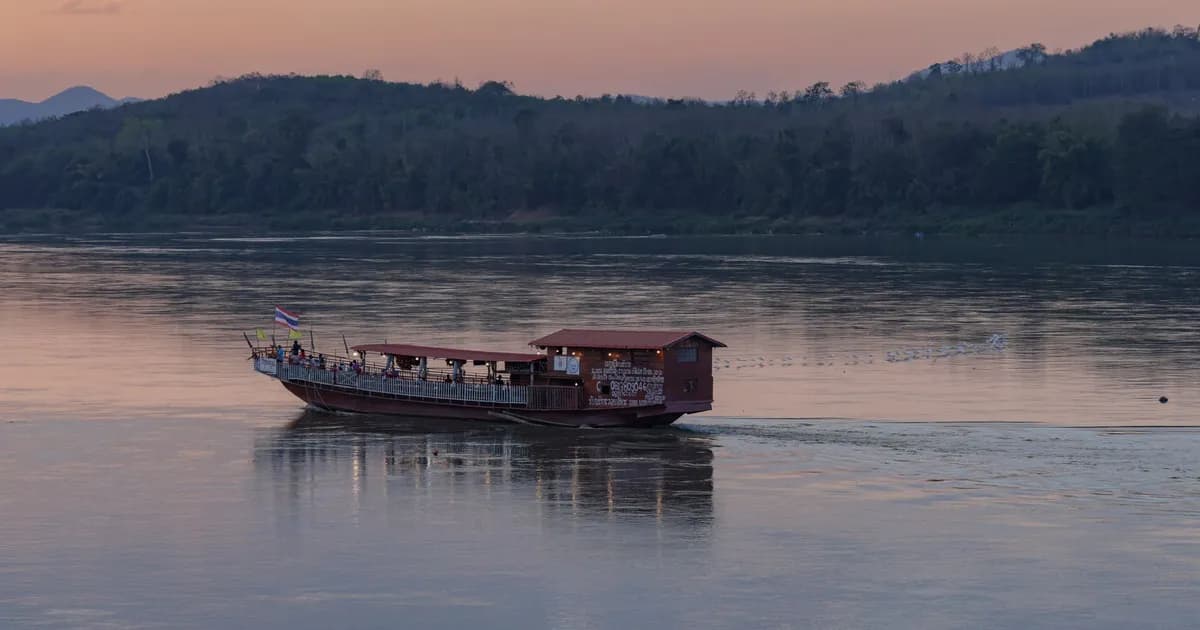
It would be easy to list Si Phan Don's attractions and miss its real appeal, which is the license it gives you to do almost nothing at all. The islands run on hammock time. A perfect day here might consist of a slow breakfast over the river, a bicycle loop through rice paddies, a swim, a long afternoon with a book as the light shifts on the water, and a cold drink for a sunset that turns the whole Mekong to copper. This is not a place that rewards a packed schedule; it rewards surrender. Travellers used to constant motion sometimes take a day to adjust, and then find it hard to leave.
Cycling, Kayaking and the Water World
For those who want gentle activity, the islands oblige. Bicycles, available everywhere for a pittance, are the ideal way to explore the flat lanes, cross the old bridge and reach the waterfalls. Kayaking trips thread the channels between islets, combining paddling with dolphin-watching and waterfall stops, and are among the most rewarding ways to grasp the scale of the river.
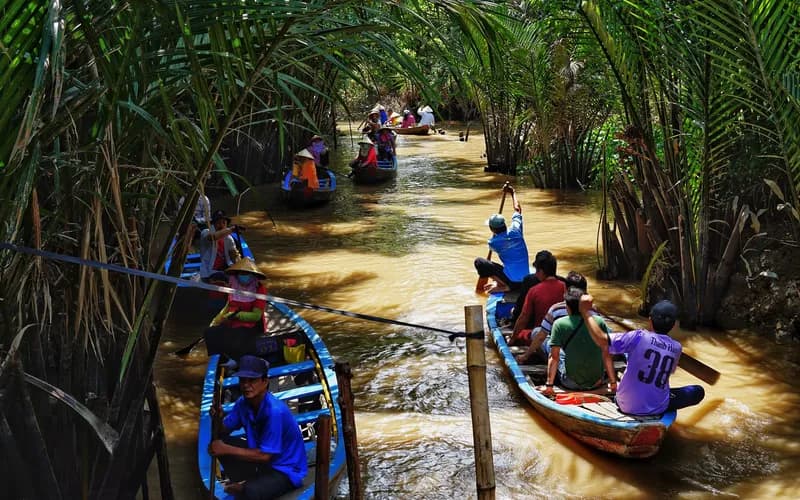
Tubing and swimming are easy pleasures in the dry season, though the Mekong's currents demand respect and caution. Whatever you do, the water is always the point: this is a landscape to move through slowly, by pedal and paddle, not to rush.
Don Khong: The Quieter Big Island
North of the famous pair lies Don Khong, the largest of the islands and the quietest of the three main bases. It sees far fewer travellers, keeps a more workaday Lao rhythm, and suits those who want the Si Phan Don calm with even less company. Cycling its lanes past temples and farming villages, with barely another visitor in sight, is a glimpse of the islands as they were before the backpacker trail found the south.
Eating and Sleeping in Si Phan Don
Accommodation runs from simple riverside bungalows with a hammock on the porch to a handful of more comfortable boutique places, especially on Don Khon. A river-facing bungalow is worth the small premium for the sunsets alone. The food is honest Lao and traveller-friendly fare — sticky rice, laap, grilled river fish, fruit shakes and Beerlao — with riverside restaurants making the most of the view. Electricity and connectivity have improved but can still be patchy, which is part of the charm: Si Phan Don gently encourages you to look up from your phone and at the river instead.
Getting There and When to Go
Si Phan Don is reached via Pakse, the southern hub, from where buses and minivans run to the boat piers at Nakasang for the crossing to Don Det and Don Khon. It pairs naturally with the Bolaven Plateau's coffee and waterfalls to make a rewarding southern Laos loop. The dry season from November to March is the classic time, with comfortable weather, good dolphin-watching and emerged sandbars; the rainy season swells the falls and floods the channels but brings heavier downpours. For a sense of how the south fits the wider country, our slow traveller's guide to Laos maps the regions and seasons.
A Landscape Under Slow Threat
Si Phan Don's timeless calm is not guaranteed to last. Upstream and downstream, the Mekong faces mounting pressure from hydropower dams, which threaten fish stocks, alter the river's natural flood cycle and endanger the last dolphins. Development is creeping in, and the islands that feel so gloriously off-grid today may look different in a decade. None of this should stop you visiting; if anything, it is a reason to come now, travel gently, and spend your money with the small local guesthouses and boatmen whose livelihoods depend on keeping the river healthy. Choosing community-run operators and treating the dolphins and waterfalls with care is a small way of taking the islands' side.
What Makes the South Different
Travellers who know only the north of Laos, Luang Prabang, Vang Vieng and the mountains, are often surprised by the south. It is flatter, hotter and more languid, shaped entirely by the Mekong rather than by peaks. The pace is slower still, the crowds thinner, and the rhythm more tied to the river and the rice harvest than to any tourist calendar. For many, this is Laos at its most quietly authentic, a region that has kept its unhurried character even as the north has grown busier. Reaching it takes a little more effort, and that effort filters out all but the travellers who genuinely want to slow down.
What to Do Next
- Choose your island: Don Det for a livelier scene, Don Khon for more calm, or Don Khong for near-solitude.
- Give the islands at least three nights, and accept that you will probably want more.
- Rent a bicycle and follow the old French railway route to the Li Phi and Khone Phapheng waterfalls.
- Take a boat or kayak trip toward the border for a chance at the Irrawaddy dolphins, choosing respectful operators.
- Plan a southern loop with the Bolaven Plateau using our Laos plan-your-journey resources.
Frequently Asked Questions
Where are the 4000 Islands in Laos?
Si Phan Don, the Four Thousand Islands, lies at the very south of Laos in Champasak province, where the Mekong widens and braids into countless channels and islets just before the Cambodian border. The main bases for travellers are the connected islands of Don Det and Don Khon, and the larger, quieter Don Khong.
How many days should I spend in Si Phan Don?
At least three nights, and realistically more. Si Phan Don is built for slowing down, and its pleasures — cycling, swimming, waterfalls, dolphin trips and long river sunsets — reveal themselves over unhurried days. Many travellers arrive planning two nights and stay a week once the islands' hammock pace takes hold.
Can you still see Irrawaddy dolphins at Si Phan Don?
Yes, but only a tiny, critically endangered population survives in the border pool below Don Khon, and sightings are never guaranteed. Boat trips from the southern tip of Don Khon go in search of them, best from October to December. Choose boatmen who keep a respectful distance and treat any encounter as a rare privilege.
What is there to do in the 4000 Islands?
Cycle the flat island lanes and the old French railway route, visit the Li Phi and Khone Phapheng waterfalls, take a boat or kayak trip in search of dolphins, swim and tube in the dry season, and above all relax into river sunsets and hammock afternoons. The islands reward doing little rather than chasing sights.
How do I get to Si Phan Don?
Travel via Pakse, the main southern hub, then take a bus or minivan to the piers at Nakasang, from where boats cross to Don Det and Don Khon. Si Phan Don pairs well with the Bolaven Plateau for a southern Laos loop, and connects onward to the Cambodian border for those continuing south.
When is the best time to visit the 4000 Islands?
The dry season from November to March offers the most comfortable weather, emerged sandbars and the best dolphin-watching. The rainy season, roughly June to October, swells the waterfalls dramatically and floods many channels, but brings heavier rain. Aim for the dry months if you want reliable cycling and dolphin trips.