Luang Prabang Beyond the Night Market: A Slow Week in the Royal Town
Most visitors give Luang Prabang two nights, a sunset on Mount Phousi and an hour at the night market. They leave with a good photograph and a vague sense that the town is "touristy". Both things are true, and neither is the whole story. Stay a week and the town changes shape: the dawn ritual becomes something you witness rather than photograph, the peninsula shrinks to a few familiar lanes, and the villages across the river start to feel like neighbours. This is a focus on how to spend that week well, with honest notes on what is crowded, what is overrated and what quietly rewards patience.
Why Luang Prabang Rewards a Slow Week
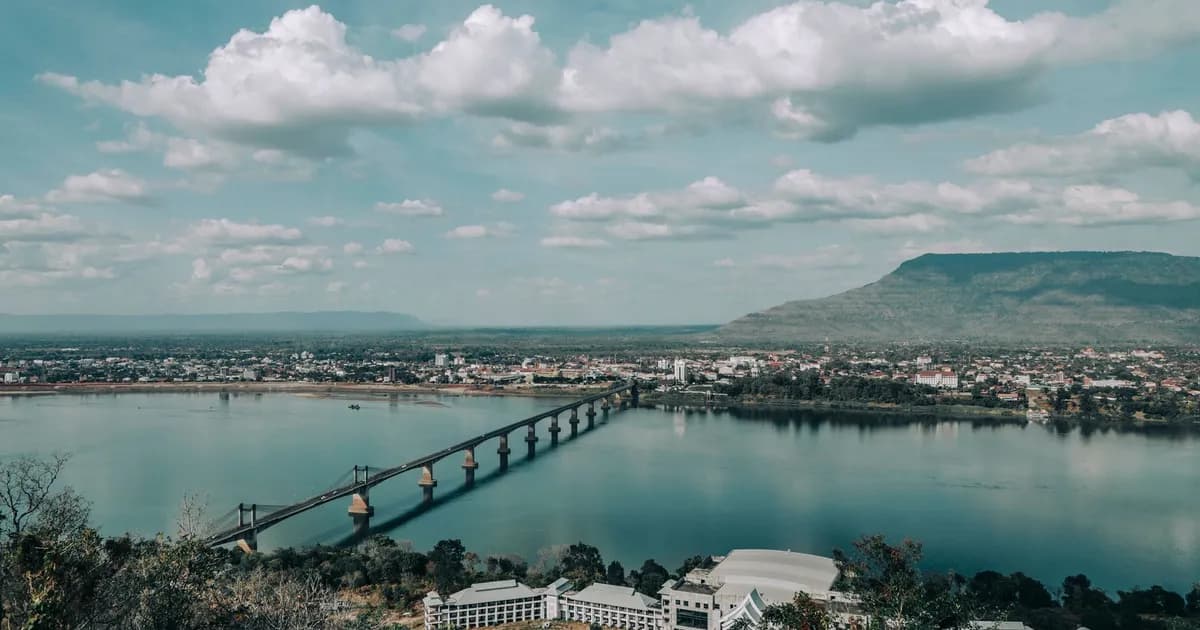
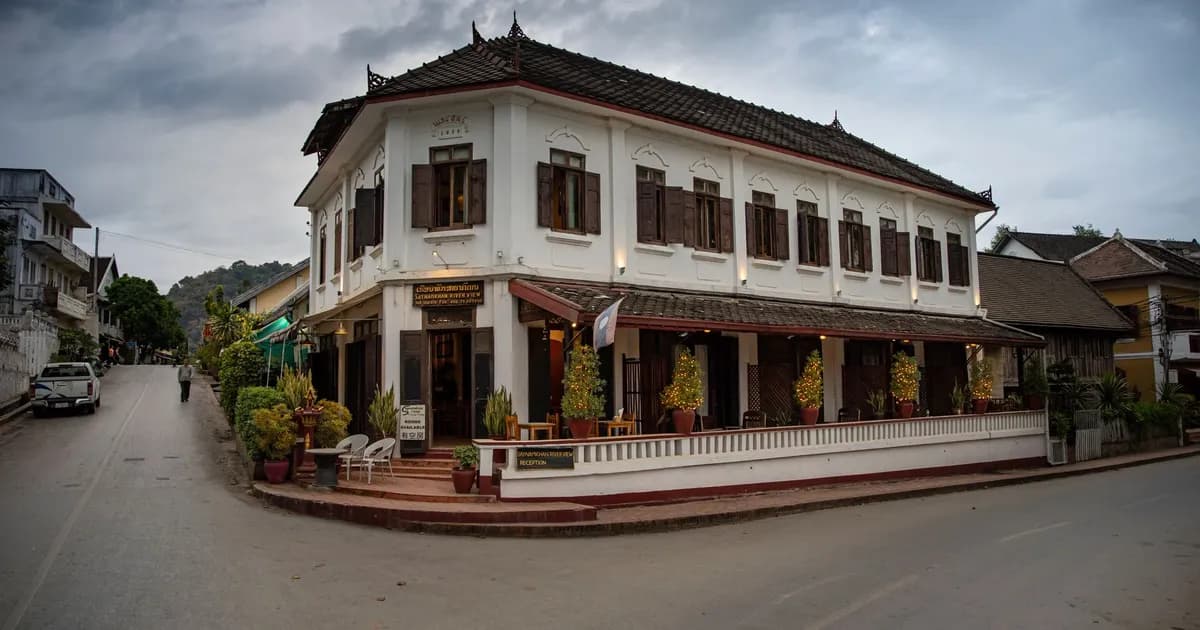
Luang Prabang sits on a narrow peninsula where the Nam Khan meets the Mekong, ringed by forested hills. The old town was inscribed as a UNESCO World Heritage site in 1995, and the listing is the reason you still find low-rise French-colonial shophouses, Lao timber houses and more than thirty monasteries packed into an area you can cross on foot in twenty minutes. That compactness is both the charm and the problem. Between roughly ten in the morning and five in the afternoon the main street can feel like a corridor of tour groups. Outside those hours, the town belongs to the people who live in it.
A slow week works because it lets you use the town at the hours it is quiet. You rise early, you rest in the heat of the day, and you step out again when the light turns gold and the day trippers have gone back to their buses. If you are still deciding where Luang Prabang fits into a wider route, our slow traveller's guide to where to go in Laos and when sets out how many nights the north deserves compared with the south, and why we rarely recommend fewer than four here.
There is also a practical argument. Luang Prabang is the best-connected hub in northern Laos, with an airport, a station on the Laos-China railway, slow boats from the north and roads in every direction. Staying put for a week and making unhurried day trips costs less, in money and in energy, than hopping between a different bed every night.
One request. Up to five tailored proposals.
Skip contacting agencies one by one — share your trip once and let up to five trusted Laos agencies come to you. Free, with no obligation.
Get my free quotesStart With the Dawn, Not the Night Market
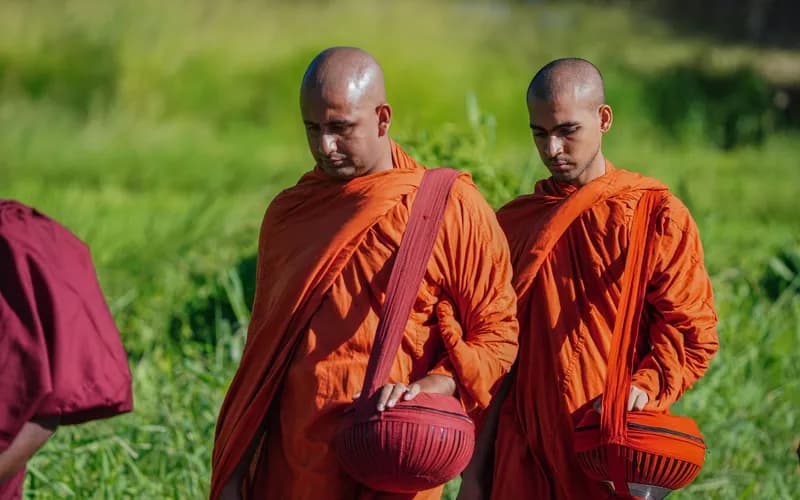
The morning alms-giving, known as tak bat, is the town's best-known ritual and its most contested. Monks in saffron robes walk the main streets in silence just before sunrise, receiving sticky rice from kneeling lay people. It is a living religious practice, not a performance. It has also been damaged by tourists who crowd monks for photographs, buy poor-quality rice from street sellers, or pose beside the line.
The honest advice is simple. If you want to take part, buy your rice from a reputable source the day before or make it with your host, kneel quietly, keep your shoulders and knees covered and do not touch the monks. If you want only to watch, do so from a respectful distance on a side street, without flash, without stepping into the road. If neither feels right, skip it; the town offers plenty else. Our guide to cultural etiquette in Laos, from temples to the alms ceremony explains the details, including why the practice is quieter on the streets away from the busiest stretch.
After the procession, do what locals do and head to the morning market for breakfast. Sticky rice, grilled river fish, jeow dips and strong Lao coffee cost a few thousand kip, and it is among the least staged experiences in town.
The Peninsula at Walking Pace
Give the peninsula three unhurried mornings and you will see most of what matters without ever opening a map.
- Wat Xieng Thong, at the northern tip, is the finest of the monasteries, with sweeping roofs and a glass mosaic of the tree of life on the rear wall. Arrive when it opens to avoid the groups.
- The former Royal Palace, now the National Museum, houses the Phra Bang Buddha image from which the town takes its name. Check the closing day before you go, as it has traditionally shut once a week.
- Wat Mai and Wat Visoun are both worth a quiet look, the latter for its curious watermelon-shaped stupa.
- The lanes parallel to the main street, especially on the Nam Khan side, are where the older houses, small cafes and weaving workshops survive.
Mount Phousi, the small hill in the middle of town, offers the classic sunset view. Entry is charged and the summit is crowded at sunset, so consider going at mid-morning or at sunrise instead. The view over the two rivers is just as good and you will hear the town waking.
For the evening, walk the Mekong riverfront rather than the market. The road beside the water is calm, lined with simple restaurants, and shows you the long-tail boats tied up for the night. The night market itself is worth one visit for the textiles and paper lanterns, but bargain gently: these are mostly small producers or resellers, and a few thousand kip means more to them than to you.
Get matched with up to 5 trusted Laos agencies
- Free
- No obligation
- Up to 5 agencies
Crossing the River: Villages, Weaving and Pottery
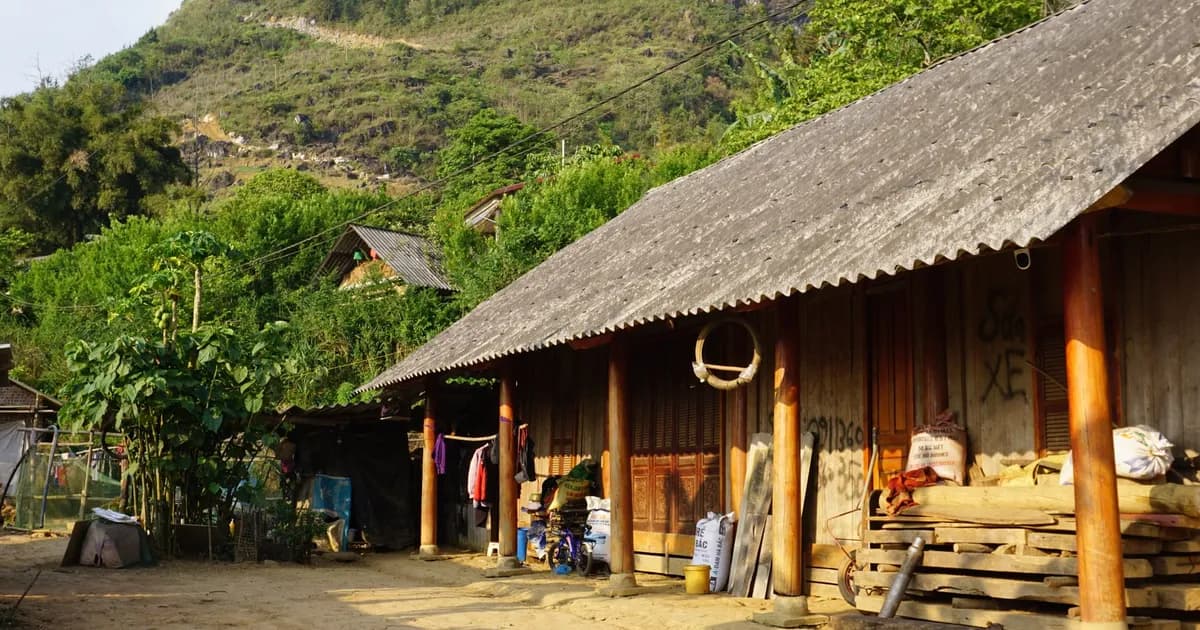
The most rewarding hours of a slow week are spent outside the peninsula. Cross the Mekong or head up the Nam Khan and you reach working villages that have long been part of the town's economy.
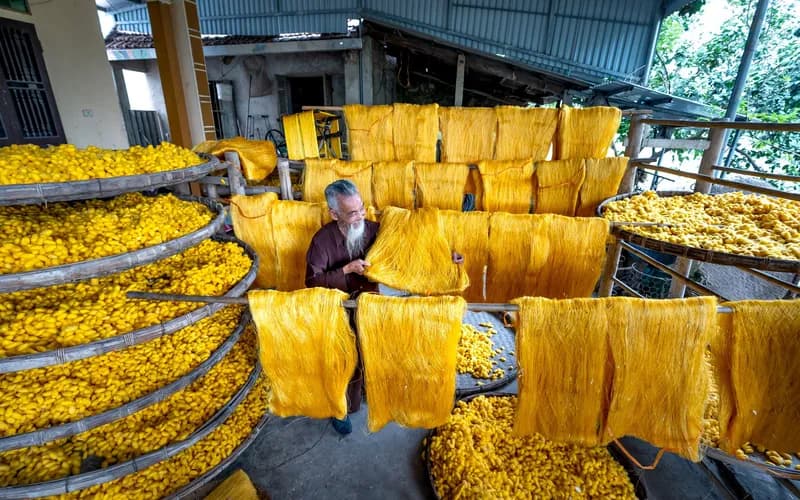
Ban Chan, a short ride from the old town, is known for its pottery, made by families who have worked the clay for generations. Ban Xang Khong, on the road toward the old bridge, is known for weaving and paper-making. You can watch silk being woven on wooden looms, learn the difference between hand-spun and machine-spun thread, and buy directly from the weaver. If you plan to buy, our guide to how to buy Lao textiles well explains what to look for in natural dyes and hand-weaving, and what a fair price looks like.
Across the Mekong, quiet lanes run through villages where farmers still grow vegetables on the riverbank. In the dry season, seasonal bamboo bridges are rebuilt across the Nam Khan to link the town with these banks, and they are washed away again when the river rises. They are charming, small tolls apply, and they are a useful reminder that this is a river town whose rhythm follows the water.
Hire a bicycle for a day, take the flat roads and stop when something catches your eye. You do not need a guide; you need a hat, water, and a willingness to say "sabaidee" to everyone you pass.
Day Trips Worth the Time: Kuang Si and Pak Ou
Two excursions justify the cost.
Kuang Si Falls, roughly half an hour to an hour south by road, is a tiered series of turquoise pools. It is also the most visited site near the town. Go early, as soon as the gate opens, and you will have the lower pools almost to yourself; by eleven, the minibus groups arrive. The walk to the main fall and the upper pools is short but steep and slippery. Swimming is allowed in designated pools only. At the entrance, a sanctuary for rescued Asiatic black bears is run by a conservation charity and is worth a visit, but treat it as a conservation stop rather than a zoo.
The Pak Ou Caves, upstream on the Mekong, are filled with thousands of Buddha images left by pilgrims over centuries. You can reach them by a dedicated boat from the town, or as part of a longer river trip. The caves are small and can feel crowded, but the boat ride itself, past fishing nets and sandbanks, is the real draw. If you intend to go further upriver afterwards, read our guide to the slow boat down the Mekong from Huay Xai to Luang Prabang before you commit.
Entrance fees at these sites have been in the region of 20,000 kip per person in recent years, with extra charges for boats and parking. Prices change, so confirm on the day and carry small notes.
Eating, Resting and Learning
A week gives you time to eat properly. Luang Prabang has a distinctive local cuisine that differs from Vientiane and the south: more river weed, more buffalo, more smoky chilli dips. Look for the vegetarian buffet stalls in the lane beside the night market, where you fill a plate for a fixed price, and look for family restaurants where the menu is short and the locals outnumber the foreigners.
Cooking classes are a good use of one morning. Choose a school that begins with a market visit and keeps groups small. Avoid anything that promises "authentic" in all caps and a dozen dishes in three hours.
Afternoons are for resting. The heat from March to May and the humidity in the rains make a midday break essential. Many guesthouses have shaded courtyards; a few have pools. Treat the break as part of the plan, not a failure of it.
Evenings can be as simple as a Lao massage, a book and a bowl of noodle soup. If you want something more structured, the Traditional Arts and Ethnology Centre explains the many ethnic groups of the north and offers context you will need before you meet them in the hills.
When to Go, and When to Avoid
The best weather is the cool, dry season from roughly November to February, but it is also the busiest and most expensive. March and April bring heat and, increasingly, smoke from agricultural burning. The wet season from June to September brings lush hills, full waterfalls and far fewer visitors, at the cost of afternoon downpours.
If you want the full cultural experience, aim for Lao New Year in mid-April. Luang Prabang hosts the country's best-known celebrations, with a procession, sand stupas on the riverbank and water throwing in the streets. It is also noisy, crowded and booked out. Our note on Laos's festival calendar, from Ok Phansa to the boat races shows how festival dates shape the busiest weeks of the year, so check closures and book early.
Where Slow Ends: Moving On
When the week is done, Luang Prabang is an excellent springboard. North by road and river lies the Nam Ou valley, where life is quieter and rooms are cheaper; our focus on Nong Khiaw and the Nam Ou Valley sets out how to get there and how long to stay. South, the railway and the expressway lead to Vang Vieng and Vientiane within a few hours.
Whichever way you go, leave a day of slack. Luang Prabang has a way of making departures harder than arrivals.
What to Do Next
- Decide your dates: dry-season weeks are best but busiest; shoulder months give you more room.
- Book five to seven nights in a small guesthouse inside the peninsula, ideally away from the main street.
- Pencil in only one fixed activity per day and leave the rest open.
- Plan Kuang Si for the first hour after opening and Pak Ou for a day when you want to be on the water.
- Carry small notes in kip for entrance fees, markets and bridge tolls.
- Leave a buffer day before any onward flight, train or boat.
Frequently Asked Questions
How many days should I spend in Luang Prabang?
Four nights is a sensible minimum and five to seven is better if you want to take day trips, cross the river and rest in the afternoon heat. Two nights lets you see the highlights but not the town itself.
Is the alms-giving ceremony worth attending?
It can be, if you take part respectfully or watch from a distance without flash or crowding the monks. If you are unsure, skipping it is a perfectly good choice, and the morning market offers a gentler start to the day.
When is the best time to visit Luang Prabang?
The cool, dry months from November to February have the most comfortable weather, but also the most visitors and the highest prices. The green season has fewer crowds and fuller waterfalls but afternoon rain, and March to April can be hazy.
Is Luang Prabang safe for solo travellers?
Violent crime is rare and the old town is calm after dark. The main risks are petty theft in crowded areas, motorbike accidents and overcharging, so use ordinary precautions and keep valuables out of sight.
Can I walk everywhere in the old town?
Yes. The peninsula can be crossed in about twenty minutes, and most monasteries, markets and restaurants are within a short walk. For Kuang Si, Pak Ou and the weaving villages, use a tuk-tuk, a shared minivan, a boat or a bicycle.
Are Kuang Si and Pak Ou worth the crowds?
Yes, if you go at the right time. Visit Kuang Si right after it opens and take the boat to Pak Ou in the morning, and both feel much quieter than they do at midday.
Where should I stay?
Choose a small guesthouse or boutique hotel on one of the side lanes of the peninsula rather than the main street. You will sleep better, walk less and see more of the town's quieter side.