
Malaysia is one of the easiest countries in Southeast Asia to get online in, and one of the easiest to get slightly wrong. Data is cheap, coverage across the peninsula is genuinely good, and a week of mobile internet can cost less than a decent lunch in Kuala Lumpur. But the registration rules changed in 2026, prepaid cards now expire faster than visitors expect, and the map still contains real holes: interior Pahang, most of Taman Negara, long stretches of Sarawak and Sabah, and anywhere above about 3,000 metres on a mountain. Here is how to arrange it once, properly, and then stop thinking about it.
The short answer, if you only read one section
If you are staying less than three weeks and value a frictionless arrival, buy a travel eSIM before you fly and activate it on landing. You will pay a premium, and you will not care.
If you are staying longer than three weeks, travelling in Borneo, or want a local number for ride-hailing and e-wallet verification, buy a local prepaid SIM after you arrive. It is significantly cheaper, the coverage is the same or better, and a Malaysian number solves problems that a foreign number does not.
If you are doing both, which is what we usually recommend for a trip of a month or more, use an eSIM for the first 48 hours and buy a local SIM once you are settled and rested. The overlap costs a few euros and removes every scenario where you are standing in an arrivals hall at midnight troubleshooting a QR code.
One request. Up to five tailored proposals.
Skip contacting agencies one by one — share your trip once and let up to five trusted Malaysia agencies come to you. Free, with no obligation.
Get my free quotesWhat changed in 2026: the rules visitors need to know
In February 2026 the Malaysian Communications and Multimedia Commission, the regulator known as MCMC, brought a revised mandatory standard for prepaid SIM registration into force. It was aimed at scam and identity-theft networks rather than at tourists, but several provisions land directly on visitors.
The points that matter:
- Non-Malaysians may register a maximum of two prepaid SIM cards per telco.
- Prepaid lines registered to a foreign passport are limited to a validity of around three months.
- Registration requires your original passport, and your original visa where one is required for entry. Photocopies, photographs and scans are not accepted.
- Activation is not always instantaneous; the rules provide for confirmation of activation status within 12 hours.
- Children under 12 cannot register a line, and minors aged 12 to 17 require a guardian.
In practice, for a three-week traveller, none of this is burdensome. It does mean you should carry your physical passport to the phone shop rather than a photo of it, and it does mean that a SIM bought on a previous trip and kept in a drawer will almost certainly be dead. Rules of this kind are also revised more often than travel articles are updated, so confirm the current position when you buy. If you are still working through arrival paperwork more broadly, our guide to entering Malaysia and the MDAC requirement covers the rest.
Buying a physical SIM: where, how much and what to bring
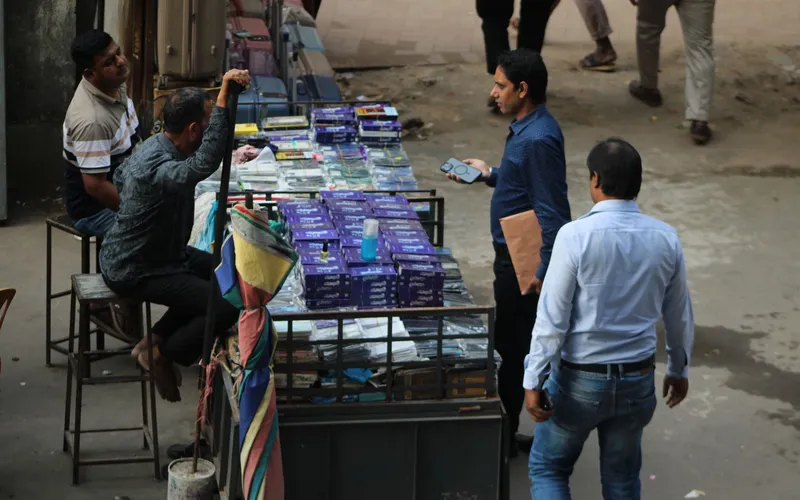
The three networks a visitor will encounter are CelcomDigi, Maxis with its Hotlink prepaid brand, and U Mobile. All three sell tourist packages, all three have counters in the arrival halls at KLIA Terminals 1 and 2, and all three are cheaper in a shopping mall than at the airport.
Prices move constantly, but the range in 2026 is roughly RM12 to RM60 for a tourist plan, depending on validity and data allowance. A typical seven-day tourist pack with a generous or effectively unlimited data allocation sits near the bottom of that range. U Mobile, for example, has advertised a seven-day tourist package at around RM15, bundled with a Visit Malaysia 2026 travel pass. A month of useful data rarely exceeds RM60.
What to bring: your original passport, your visa if you needed one, and patience for a ten to twenty minute registration process at the counter. The assistant will photograph your document and register the line; keep the receipt with the phone number on it.
One strong reason to hold a Malaysian number: e-wallets and ride-hailing. Grab, Touch 'n Go eWallet and several others verify by SMS to a local number, and a Malaysian line makes the whole payments layer work smoothly. We set out how that ecosystem fits together in our guide to paying in Malaysia with cash, cards and e-wallets.
Get matched with up to 5 trusted Malaysia agencies
- Free
- No obligation
- Up to 5 agencies
eSIM: when it is worth the premium
eSIM support in Malaysia is good but not universal. Maxis and Hotlink, Celcom and U Mobile all support eSIM provisioning on local plans. Travel eSIM resellers, the international brands you buy online before departure, typically price Malaysia between roughly 4 and 40 US dollars depending on data volume and duration.
That is more expensive per gigabyte than a local SIM, sometimes considerably so. What you are buying is the removal of friction: no counter, no queue, no passport photocopying at a kiosk, and data the moment your aircraft door opens.

Three caveats worth knowing before you commit. First, most travel eSIMs are data-only and give you no local phone number, which breaks SMS verification for local apps. Second, check that your handset actually supports eSIM and is carrier-unlocked; many mid-range Android devices sold outside Europe still do not. Third, keep your home SIM active in the second slot for SMS from your bank, and turn data roaming off on it, or your saving will evaporate in one afternoon.
Coverage: what actually works, and where
Peninsular Malaysia has excellent 4G coverage along the west coast corridor from Johor Bahru through Melaka, Kuala Lumpur and Ipoh to Penang, and reliable service in the east coast towns. 5G is now available from two separate networks: the original wholesale network operated by Digital Nasional Berhad, and U Mobile's own ULTRA5G, which went live as Malaysia's second 5G network, passed 85 per cent coverage of populated areas, and formally separated from the wholesale arrangement on 1 July 2026. By the end of the first quarter of 2026 it had deployed several thousand sites across both West and East Malaysia.
Where it stops working is more useful to know:
- Interior Pahang, including most of Taman Negara. Kuala Tahan has patchy coverage; the trails have none.
- The Cameron Highlands and mountain roads generally, where signal follows the valleys.
- Large parts of interior Sarawak, the Kelabit Highlands, and river journeys up the Rajang.
- Sabah's interior and the Kinabatangan, where lodges often run on satellite or scheduled generator hours.
- Offshore islands, especially the Perhentians and parts of the Semporna archipelago, where coverage can be limited to one operator on one headland.
The mountains are their own category. On Mount Kinabalu, expect intermittent signal at park headquarters, patchy service at the Panalaban huts and nothing dependable on the summit push; our practical briefing on permits and costs for climbing Mount Kinabalu covers what else to plan for up there.
Wi-Fi, roaming and the things that go wrong
Public Wi-Fi in Malaysia is abundant and mediocre. Malls, cafés, chain restaurants and most accommodation offer it free. Speeds in a Kuala Lumpur café are usually fine; speeds in a guesthouse on an island in October frequently are not. Treat Wi-Fi as a bonus, never as your plan.
International roaming from a European or Australian carrier works everywhere a local network works, and costs anywhere from painful to absurd unless your plan includes Southeast Asia. The exception worth checking is a carrier package that covers Malaysia at a flat daily rate; if you have one, and your trip is under a week, doing nothing is a legitimate strategy.
Two recurring failures. The first is the phone that is network-locked to a home carrier, which makes any local SIM useless; check before you fly. The second is running out of validity rather than data, which now happens faster given the three-month cap on foreign-registered prepaid lines. Top up through the operator's app rather than at a counter and you will see the expiry date clearly.
Staying connected on the move
Long-distance buses and the KTM intercity trains generally hold signal along populated corridors, with predictable dead zones through the interior stretch between Gemas and Kota Bharu. If you are planning to cross the peninsula on rails, our guide to travelling Peninsular Malaysia by train sets out which lines pass through which kind of emptiness.
Ferries are worse. On the crossings to Langkawi, Tioman and the Perhentians, expect signal to disappear mid-channel and return near land. River boats in Sarawak and Pahang lose it almost immediately.
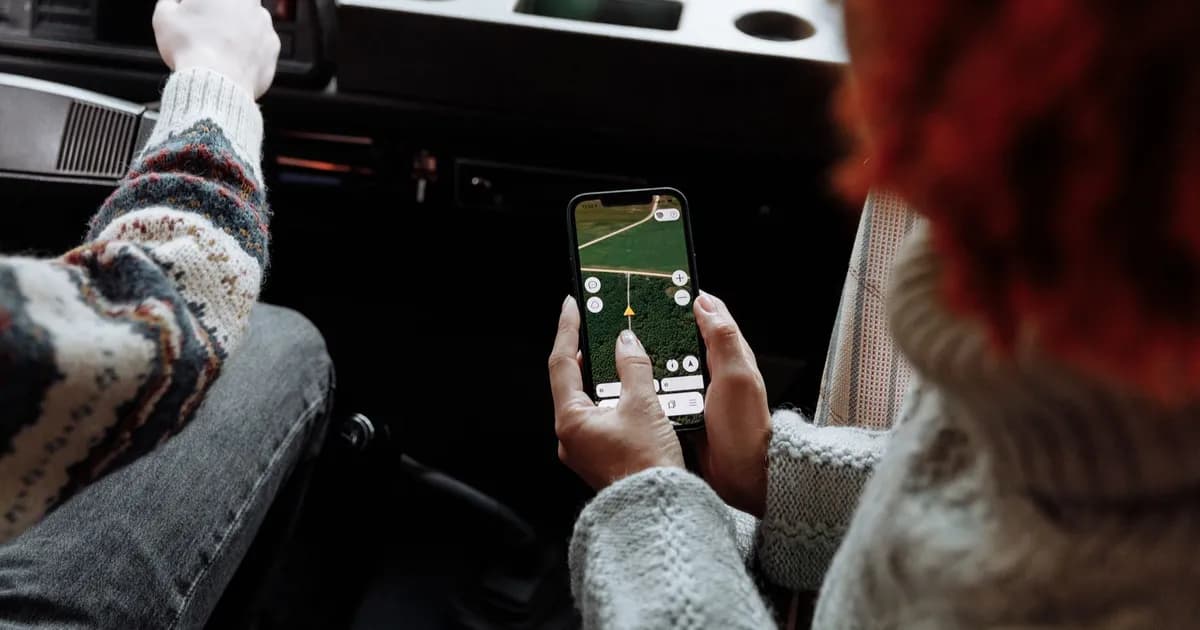
Flights within Malaysia, and the long transfers to Borneo, are the practical moment to download everything: offline maps for the region you are entering, your accommodation confirmations, translation packs and any ticket QR codes. The habit of downloading offline maps for each new state before you leave a city with coverage is the single most useful connectivity discipline in this country.
What to Do Next
- Check that your phone is carrier-unlocked and, if you intend to use an eSIM, that it supports one.
- Decide your split: eSIM for arrival if you land late or need certainty, local SIM once you are settled if you are staying more than three weeks.
- Pack your original passport, and your visa if applicable, for the SIM counter. Photocopies are no longer accepted.
- Buy the SIM in a mall rather than the airport if you can wait a day; the same plan is usually cheaper and the staff have more time.
- Register a Malaysian number before setting up Grab or Touch 'n Go, so SMS verification works first time.
- Download offline maps for each region before you leave coverage, especially for Taman Negara, the Highlands, and anywhere in Sabah or Sarawak.
- Build the rest of your route with our plan your journey resources, then match your data plan to its actual length.
Frequently Asked Questions
Is an eSIM or a local SIM better for Malaysia?
For trips under three weeks where convenience matters most, an eSIM bought before departure is easier and works immediately on landing. For longer stays, Borneo travel, or anything requiring a local number for app verification, a local prepaid SIM is cheaper and more capable. Many travellers use both, with the eSIM covering the first day or two.
How much should I expect to pay?
A local tourist prepaid plan generally runs from about RM12 to RM60 depending on data and validity, with a week of generous data often around RM15 to RM20. Travel eSIMs for Malaysia typically cost between roughly 4 and 40 US dollars depending on volume and duration. Prices change frequently, so treat these as ranges rather than quotes.
What do I need to register a SIM card as a foreigner?
Your original passport, and your original visa if one was required to enter. Photocopies, photographs and scans are not accepted under the registration standard in force since February 2026. Registration takes ten to twenty minutes at a counter, and activation confirmation may take a few hours rather than being instant.
How long will my prepaid SIM stay valid?
Prepaid lines registered to a foreign passport are limited to a validity period of around three months. If you are on a longer trip, or you return to Malaysia regularly, do not assume an old SIM from a previous visit will still work. Check the current position with the operator when you buy.
Can I use my phone in Taman Negara or on Mount Kinabalu?
Barely, and not reliably. Kuala Tahan has patchy coverage and the trails in Taman Negara have effectively none. On Mount Kinabalu you may get intermittent signal at park headquarters and around the Panalaban huts, but nothing you should depend on higher up. Download maps and confirmations before you go.
Is public Wi-Fi good enough on its own?
In Kuala Lumpur, Penang and the larger cities, often yes for email and messaging. Anywhere rural, on islands, or during the monsoon, no. Wi-Fi in Malaysia is widely available but inconsistent, and a cheap local data plan removes the uncertainty for less than the price of two coffees a week.
Do I need a Malaysian number for Grab and e-wallets?
It helps considerably. Grab, Touch 'n Go eWallet and similar services verify accounts by SMS, and a local number avoids international SMS delivery failures. If you are relying on ride-hailing or e-wallet payments for more than a few days, a local SIM is the simpler path.